
Summer School 2026: Climate, Migration and Health Nexus
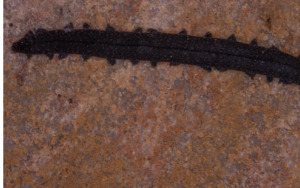
New velvet worm species a first for the Little Karoo
In March 2022, Stellenbosch University (SU) student Rohan Barnard was out and about on a farm in the Swartberg Mountains between Calitzdorp and Oudtshoorn...
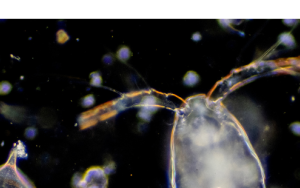
Plankton Manifesto unveils importance of “invisible organisms”
Ongoing disruptions to plankton ecosystems due to human activities in our oceans will inevitably have major impacts on marine life as we presently know it...
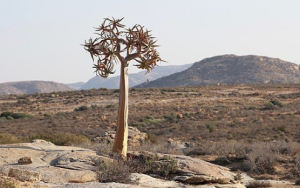
Adaptive capacity of plants in drylands and deserts is “globally exceptional”
What do we know about how plants adapted to extreme climates in the desert regions of our world? And how are these plants going to respond to emerging threats...

Microbes and their interactions the focus of major international meeting
One of the academic world's largest international meetings addressing topics in microbial ecology, the 19th International Symposium on Microbial Ecology (ISME)...

New isotope hydrology technique reveals secrets of river flow
Researchers used isotope hydrology techniques to develop a pioneering method to assess how different sources of water sources contribute to river flow dynamis...

Natural and mathematical sciences
Scientists unravel drivers of the global Zinc cycle in our oceans, with implications for a changing climate
The important role of the Southern Ocean in global biological processes and the carbon cycle has been confirmed anew by a study published in Science this week...
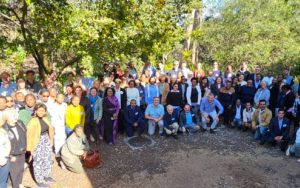
Experts convene to exchange solutions to help mitigate extreme climate and weather events
Climate experts from around the world gathered at Stellenbosch University recently to discuss aspects of extreme climate and weather events and strategies to...
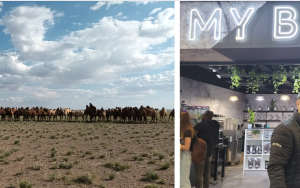
My Brew Coffee Roastery sponsors student’s field trip to Mongolia
Dr Ryan T. Tucker and postgraduate student Jesse van Niekerk recently returned from an eight-week-long field trip to the East Gobi Basin in Mongolia to collect...
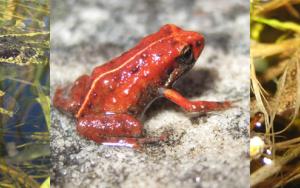
Climate change emerges as major driver of amphibian declines globally
- SU researcher contributes to global study finding that 40% of amphibians face extinction largely because of climate change:
- Climate change emerges as major...