
Research with
Artificial Intelligence
forward together • sonke siya phambili • saam vorentoe
Exploring Artificial Intelligence research within the FMHS

Starting points ...
Click here to watch: FMHS' Prof Grant Theron covers three points at which AI enters research, three tiers of AI literacy, and practical steps for getting there - all with examples of AI use in current African health research. First presented to students in the SU Predoctoral Short Course in Medicine and Health Sciences in May 2026.
Artificial Intelligence in Doctoral Research
Stephen Chanda
Stephen Chanda's PhD research investigates how AI-enhanced verbal autopsies and mortality modelling can improve cause-of-death data, surveillance, and outbreak response in Zambia.
Jodie Lemphane
Jodie Layman Lemphane's PhD study explores how GenAI is reshaping anatomy education, examining communicative learning, agency development, and transformative learning.
Adriaan Meyer
Adriaan Meyer's doctoral research incorporates machine learning in attempting to build a risk prediction model for cardiometabolic disease in people receiving HIV treatment.
Doctoral Office collection
Click here to explore a collection of guidelines and resources to support AI-related research and skills development.
Frontier researcher showcase
Rohan Benecke
Click here to read more: Human scientific judgement is a front-of-mind feature of Rohan Benecke's enthusiasm for the scaling possibilities of AI. Benecke is a Clinical Pharmacologist in the SU Department of Medicine.
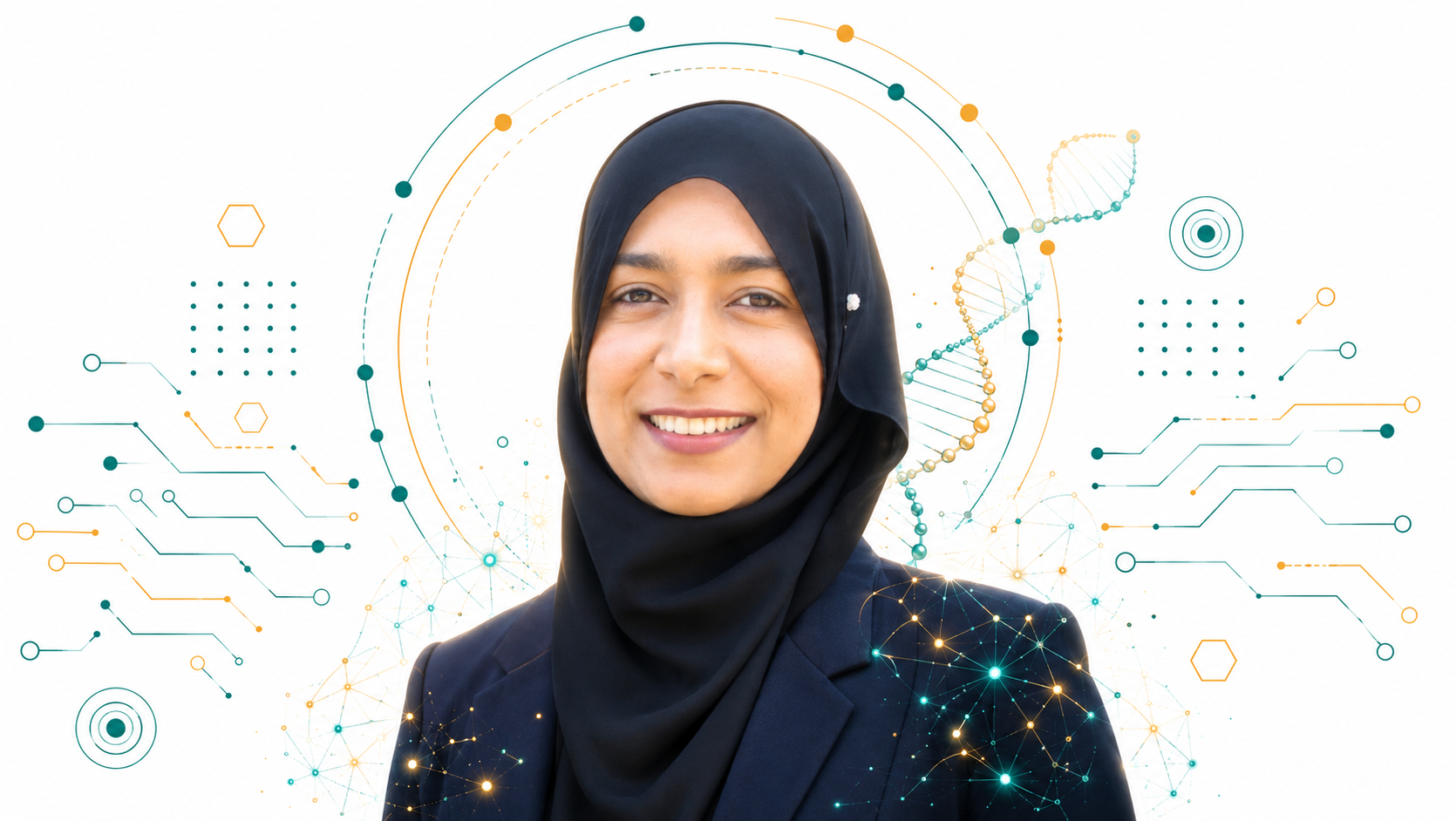
Shahida Moosa
Click here to read more: Geneticist Shahida Moosa is using AI and genomic sequencing to enrich African genomic datasets and unlock diagnoses for patients with rare disorders.
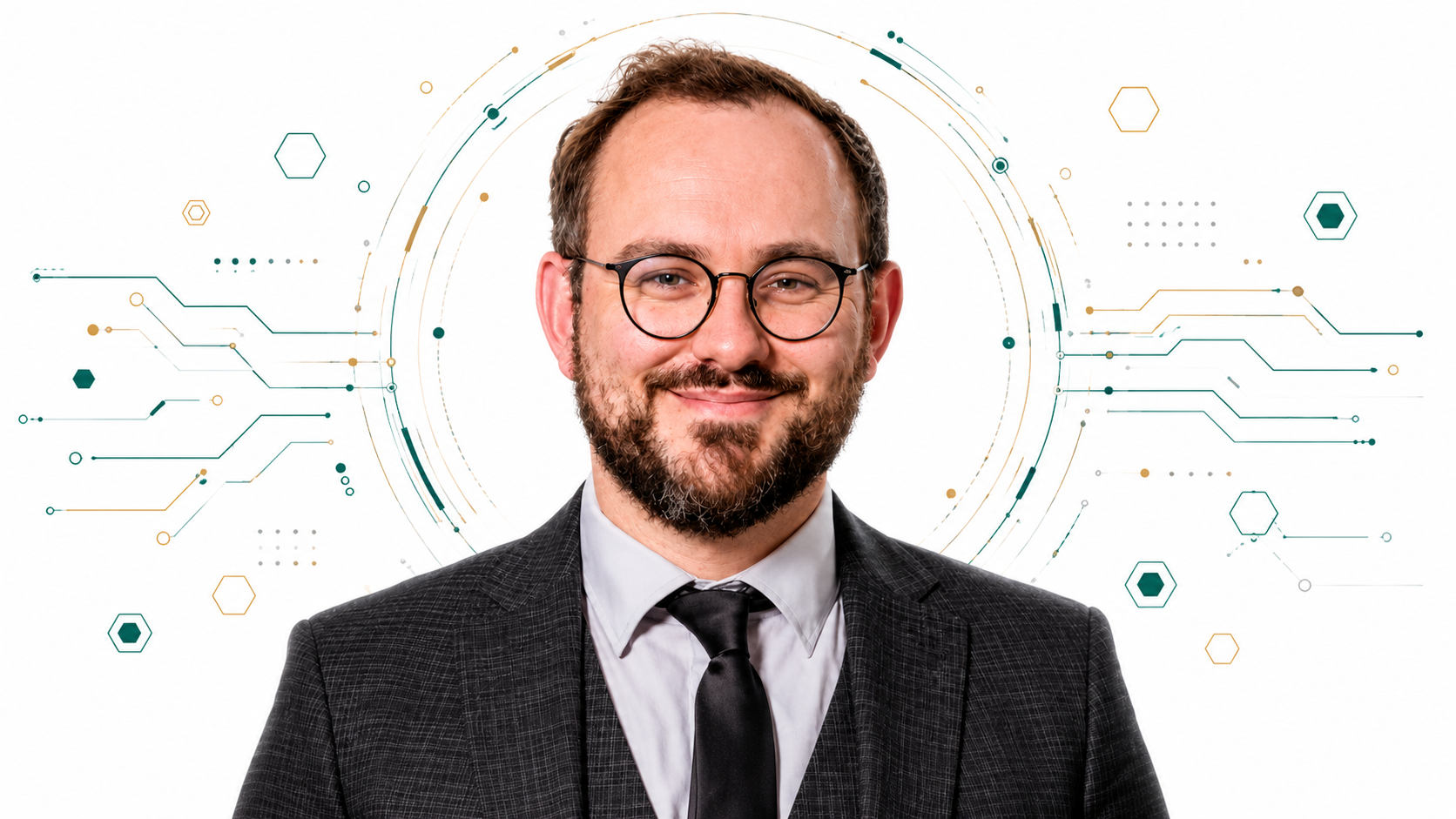
Grant Theron
Click here to read more: Molecular Biologist Grant Theron is using AI-enabled cough analysis and chest X-ray interpretation to improve TB screening and help identify people who remain undiagnosed.
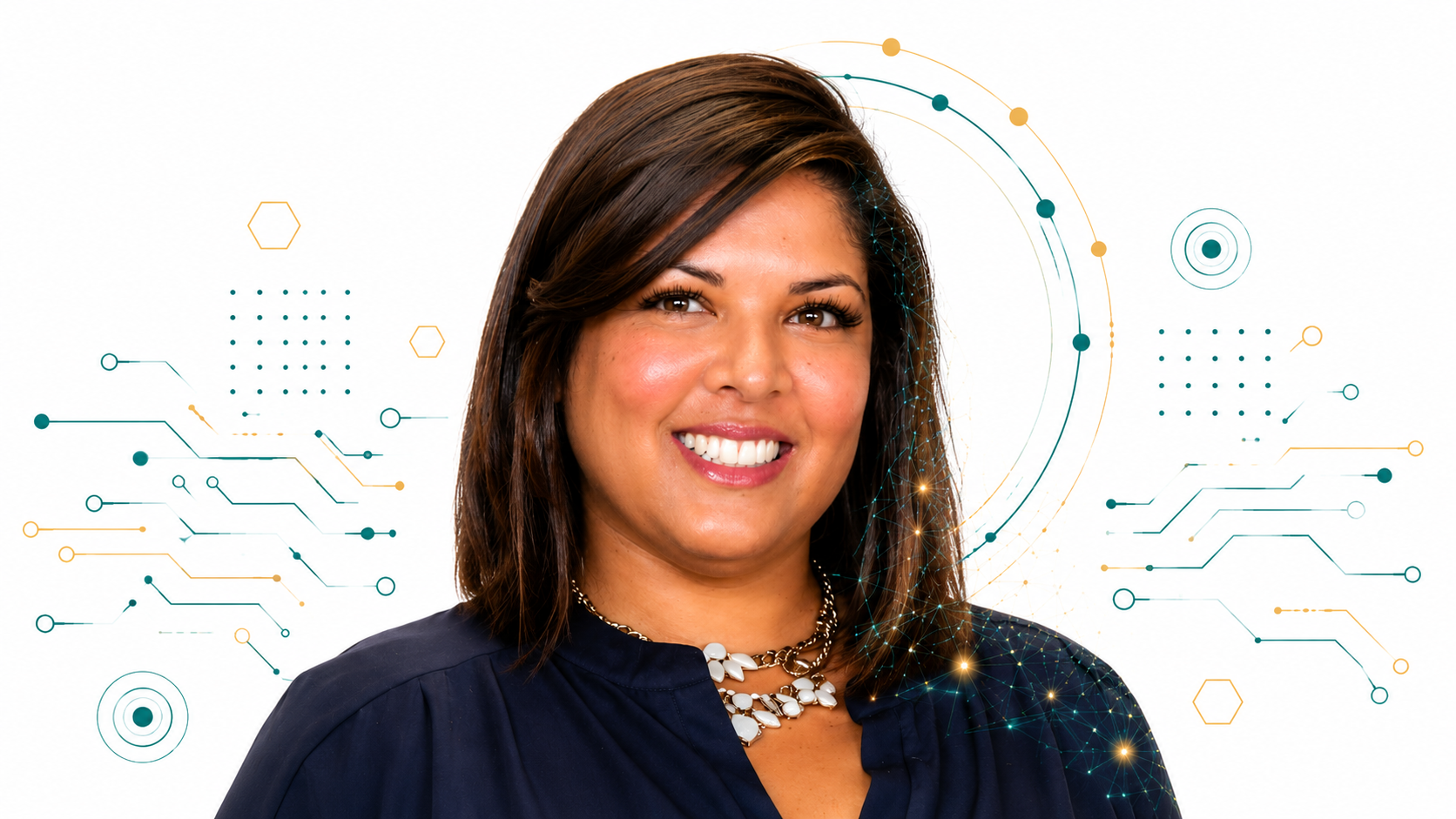
Lynn Hendricks
Click here to read more: The intersection of health equity and innovation is where Lynn Hendricks, associate professor in the SU Division of Health Systems and Public Health, Department of Global Health, positions here work.
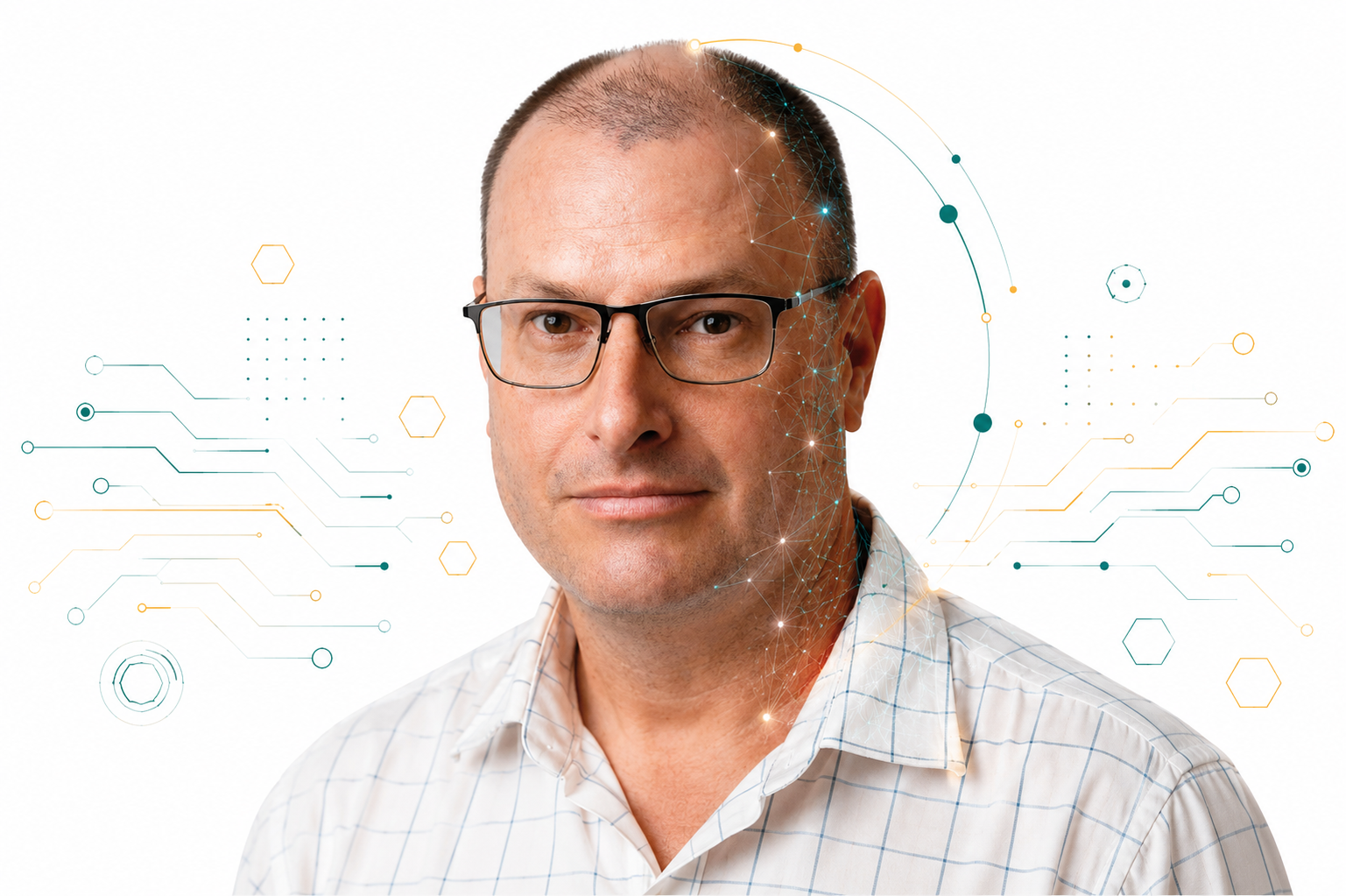
Chris Trauernicht
Click here to read more: Medical Physicist Chris Trauernicht is using AI to improve medical imaging and radiation oncology workflows, clinical software and healthcare decision-making.
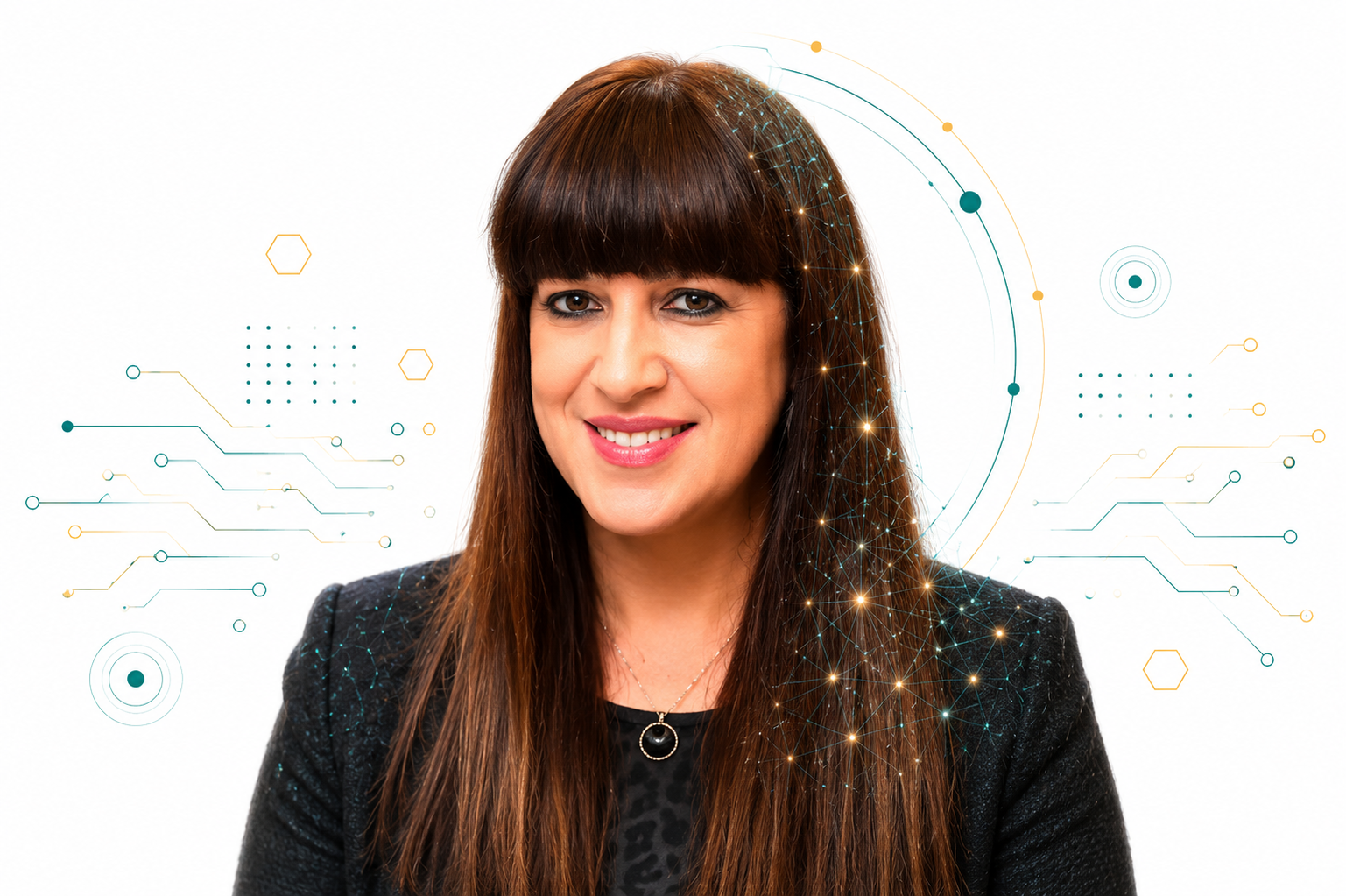
Soraya Seedat
Click here to read more: Psychiatrist Soraya Seedat argues that artificial intelligence - implemented ethically, responsibly, and alongside human expertise - can transform healthcare.
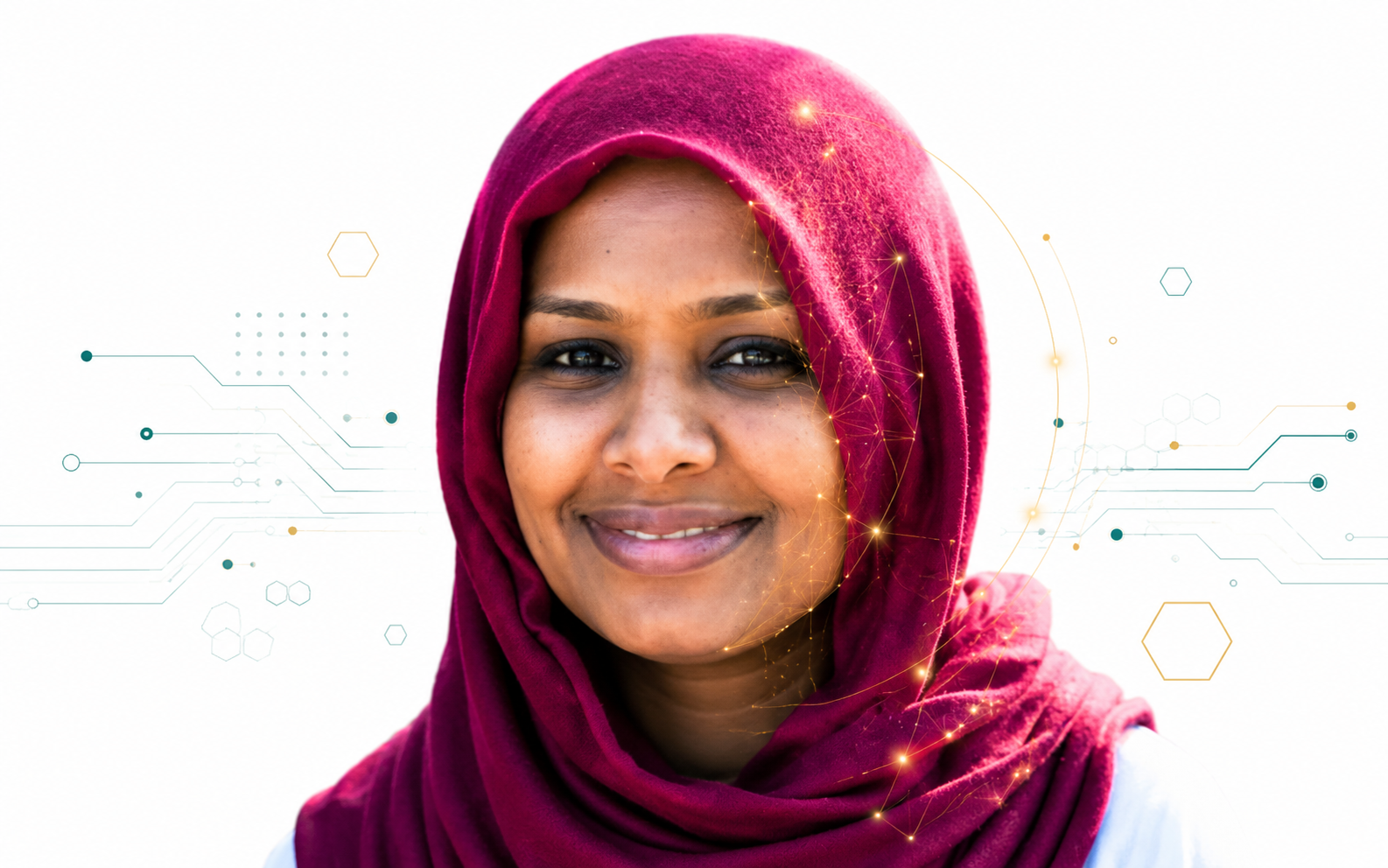
Shima Abdulgader
Click on this card to read more >
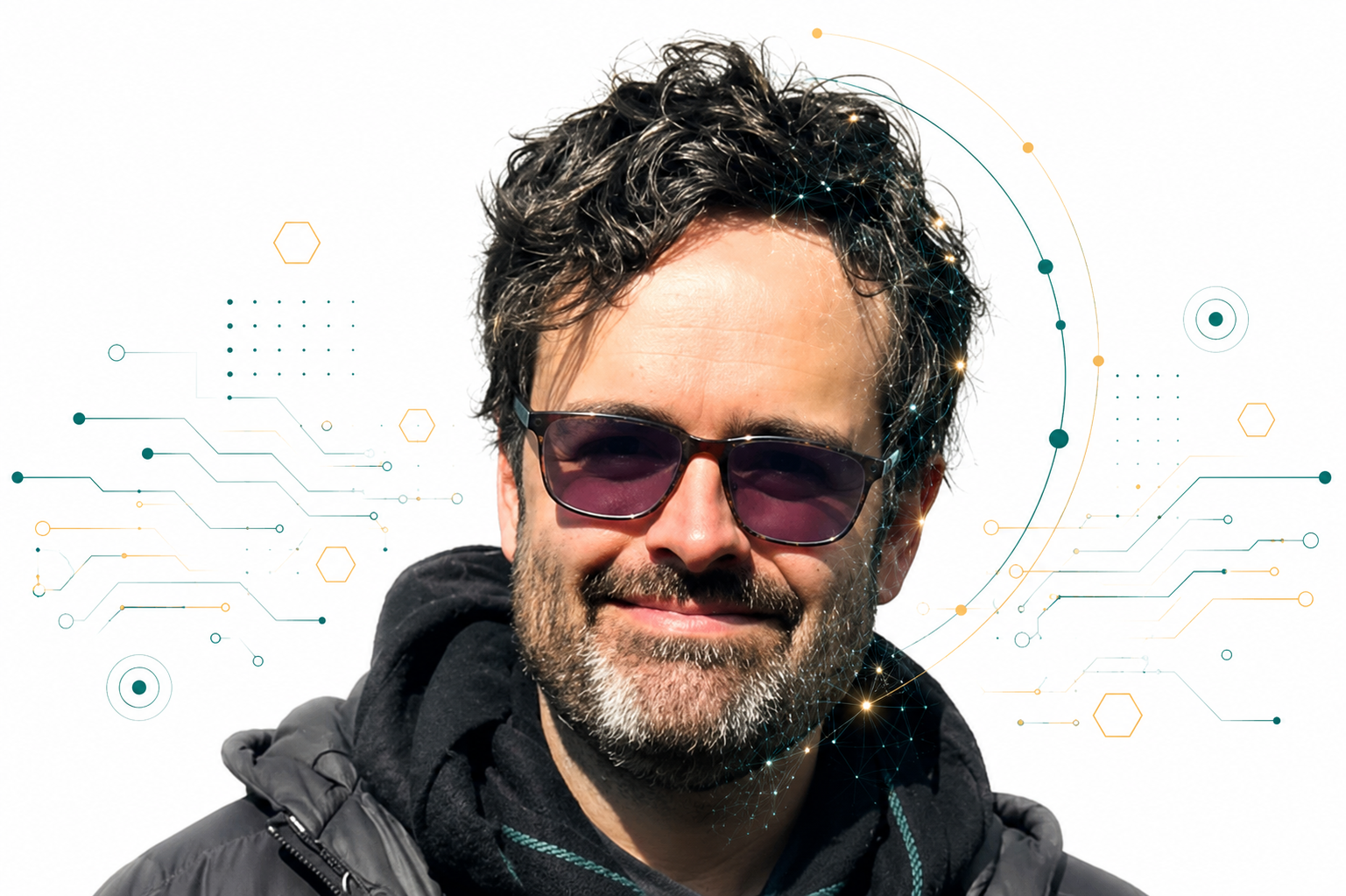
Stefan du Plessis
Click on this card to read more >
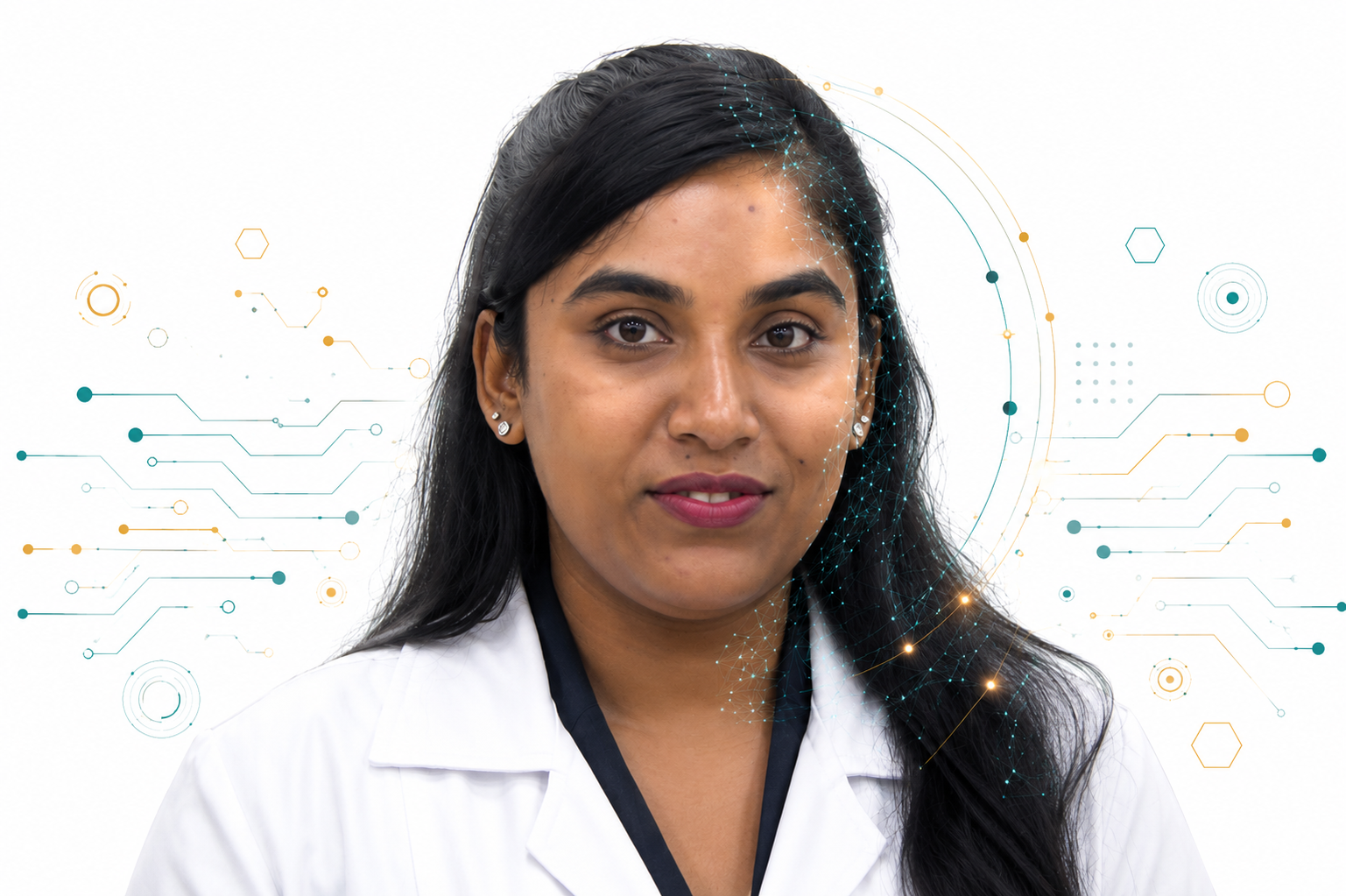
Daphne Naidoo
Click on this card to read more >
Frontier researcher showcase

Do YOU belong here?
Do YOU belong here?
Do YOU belong here?
Conversations on AI in Research
The New Scientific Method: Navigating Research in the Age of AI and Quantum Technologies
Francesco Petruccione is Professor of Quantum Computing at Stellenbosch University, Director of NITheCS, former Research Chair, prolific quantum scientist, and member of leading scientific academies.
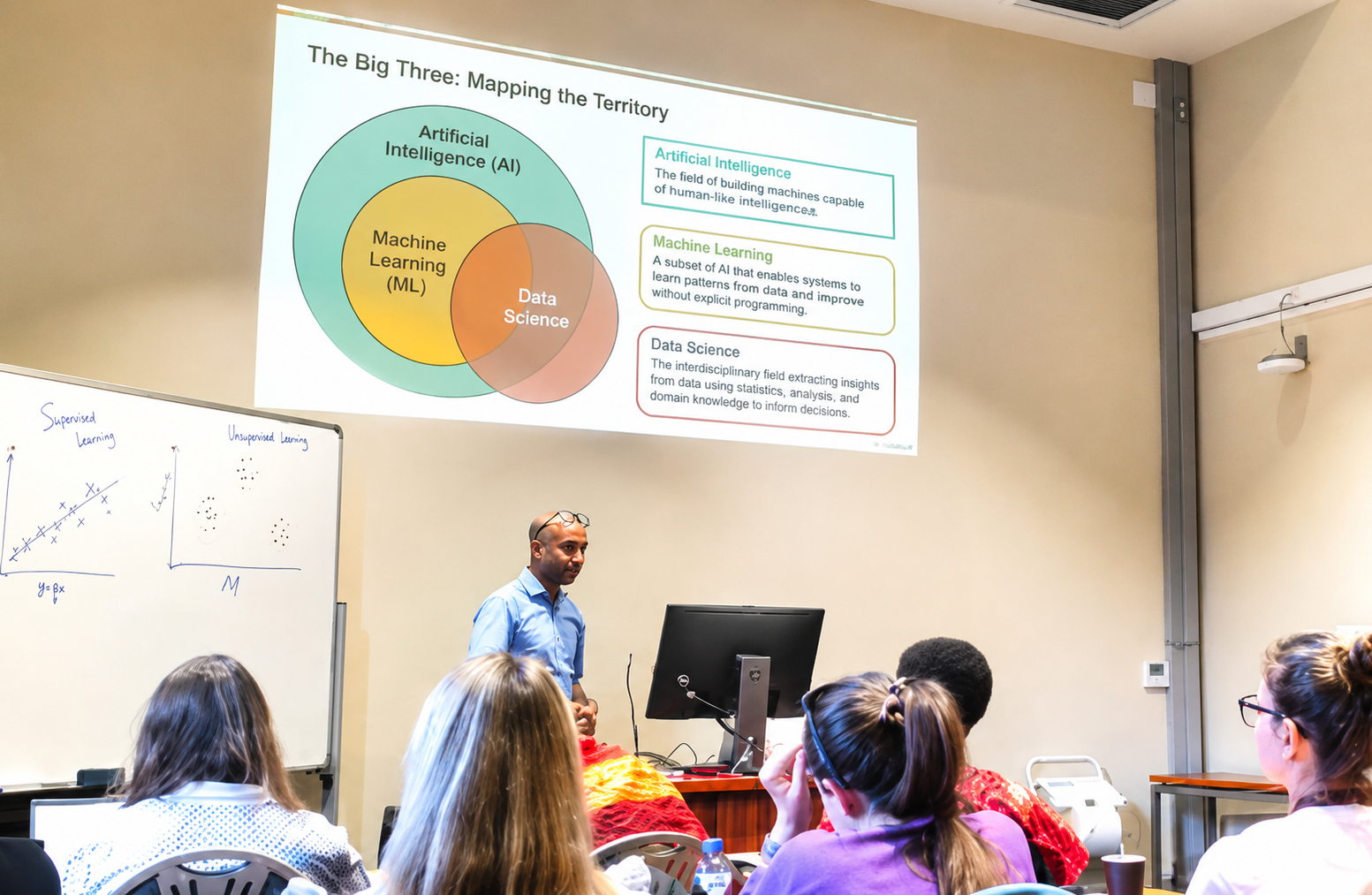
Never put AI on autopilot: demystifying data and intelligence
Kanshukan Rajaratnam is Director of SU’s School for Data Science and Computational Thinking. His research is in the fields of data science, operations research, and interdisciplinary AI applications.
Click to read >>
From Prompts to Publications: Using AI Ethically for Literature Reviews
Kirchner von Deventer manages Research Data Services at Stellenbosch University Library, leading research data management, stewardship, FAIR compliance, preservation, and long-term accessibility initiatives.
AI in Research: Using Large Language Models for Data Analysis
Willem Fourie is Associate Professor in the School of Public Leadership at Stellenbosch University, specialising in ethics, sustainable development, public policy, and responsible governance.
Click to read >>
AI in Research: Using Large Language Models for Data Analysis
Wouter Klapwijk is Director of Information Technology at Stellenbosch University Library and Information Service, overseeing strategy, systems, digital infrastructure, and technology-enabled services supporting research and learning.
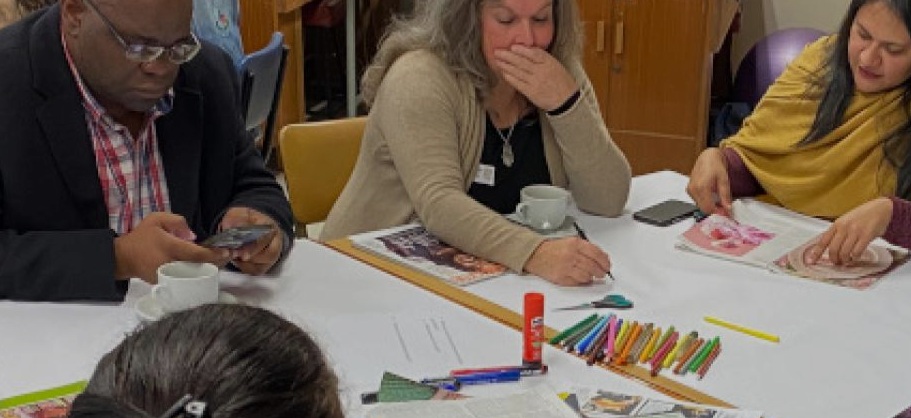
Public Square on data and AI ethics for Africa
Public Squares is an SU initiative that fosters transdisciplinary collaboration, research capacity, and grant funding to address complex societal challenges, including African AI and data ethics.
Click to read >>
Guidelines and resources for using AI at SU
Digital Education Council AI Literacy courses
In 2026, SU is offering free access to AI-courses for Higher Education as developed by the Digital Education Council.
AI and Academic Integrity
This Library web page explores SU’s expectations for academic integrity, responsible AI use, plagiarism avoidance, referencing, and ethical scholarly practice.
Library Guide on responsible AI at SU
This Library Guide will assist you to use AI ethically and responsibly throughout your SU journey.
Interactive AI use guidelines
Click through this concise, interactive presentation on the interim SU guidelines for allowable AI use and academic integrity.
Also available:
Infographic | Full text
From the Division for Research Development
Confirming expectations for responsible use of AI, a supervisor-student conversation, the internal declaration on AI use, and record-keeping.
Writing with AI & integrity
Click to enrol yourself: New course with practical guidance on academic integrity, plagiarism prevention, and transparent, responsible AI use in scholarly writing.
Presentation from the Postgraduate Office
Click to watch, or click on the card to download the slides presented by Ms Cristan Macleod of the SU Postgradaute Office at the Biomedical Sciences seminar.
Responsible Conduct of Research course
This free Upskilling Learning Unit (ULU) will provide you with a good grasp of the ethical issues facing researchers today, including AI use in research.
Although banning or policing AI tools may have seemed viable in the earliest days of generative AI popularity, AI detection software is unreliable, and a culture of fear or suspicion will likely limit knowledge building, exploration, and innovation. Staff and students in the FMHS are encouraged to work through the SU guidelines for AI use and to engage in critical conversations about AI tools and their utility, while foregrounding academic responsibility, accountability, and ethics in every endeavour. Upskill yourself, and enjoy the confidence to lead with these tools.