
Evaluations
The Role of Evaluations at Stellenbosch University
At Stellenbosch University, our understanding of quality is deeply connected to the transformative goals of South African higher education. Post-1994, quality - alongside planning and funding - became one of the key mechanisms for steering universities toward greater relevance, accountability, and social justice. Evaluations form a critical part of how universities reflect on their purpose, performance, and contribution to society.
How We Understand Quality
Our conception of quality rests on four interrelated dimensions:

Fitness of Purpose
Whether the University’s identity, purpose, and role are appropriate within the South African context and aligned with national transformation goals.
Fitness for Purpose
Whether our learning, teaching, research, and social impact meaningfully advance SU’s vision.
Value for Money
Our responsible, efficient, and effective use of resources.
Transformation
Not only demographic transformation, but also curriculum renewal, pedagogical innovation, and a deeper responsiveness to social justice.
These dimensions guide the questions we ask during evaluations and shape the standards by which we measure ourselves.
Why Evaluations Matter
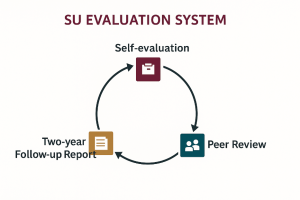
Evaluations are one of the most powerful tools we have for institutional learning and improvement. Through cycles of self-evaluation, peer evaluation, and follow-up reporting, departments and units are able to:
critically reflect on their practices, culture, and impact;
identify strengths and areas for renewal;
ensure alignment with SU's strategic direction; and
demonstrate accountability to the broader higher-education system.
What Makes for a Good Evaluation
Effective evaluations require:
- Strong and committed leadership;
- Broad participation from staff and students;
- Careful planning and preparation;
- Continuous monitoring; and
- A culture of honest reflection.
Each evaluation results in:
- A Self-Evaluation Report;
- An Evidence Portfolio; and
- A peer-review site visit,
which together form the foundation for robust feedback and improvement.
Our Commitment
The Centre for Academic Planning and Quality Assurance provides comprehensive support throughout the evaluation cycle, offering policy guidance, planning assistance, and critical reading of reports. This ensures coherence, consistency, and alignment across the University.
Evaluations at SU are not compliance exercises - they are opportunities for learning, accountability, and continuous improvement. They enable the University to strengthen academic standards, advance transformation, and ensure that we remain responsive to the needs of the communities we serve.
ATTRIBUTION: