

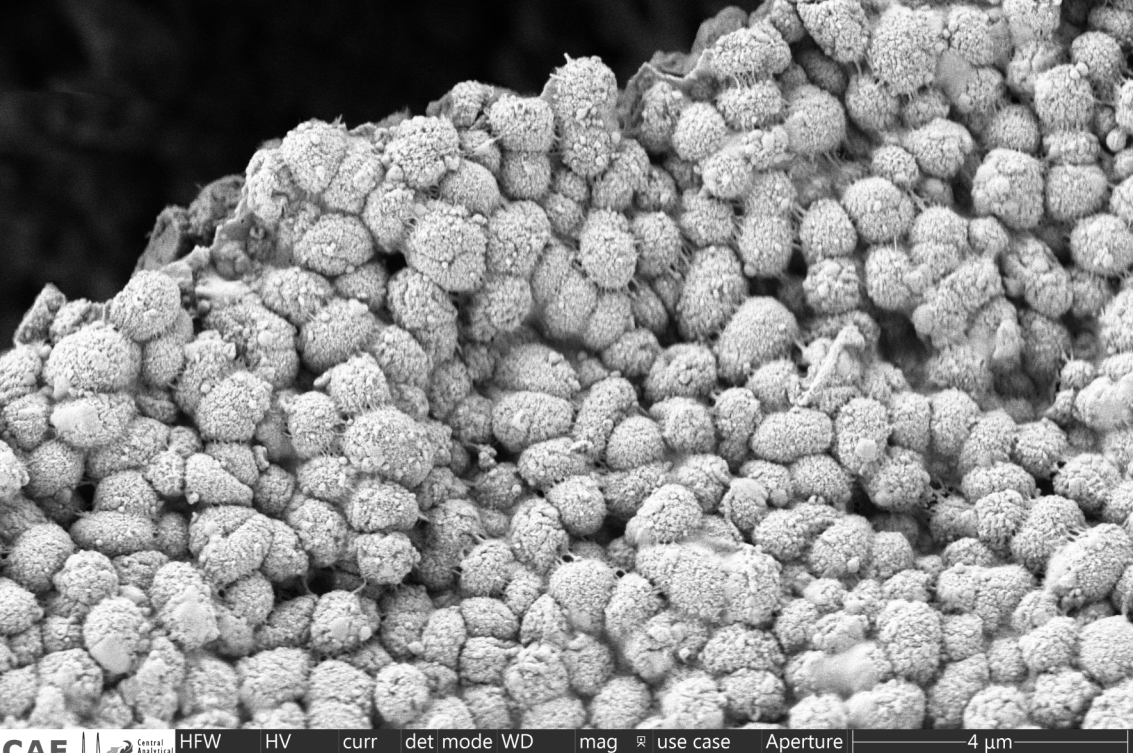
Microbiologists from Stellenbosch University have discovered a previously unknown bacterial genus within the phylum Acidobacteriota. Dedyshia acidiphilia was isolated from soil collected in the Kogelberg Nature Reserve in the Western Cape.
South African fynbos soil delivers a new species of soil bacterium
- New species was isolated from soil collected in the Kogelberg Nature Reserve, a biodiversity hot spot in the Cape Floristic Region.
- This is the first genus from the phylum Acidobacteriota to be described from Southern Africa.
- he finding represents a significant advance in our knowledge of rare species that contribute to nutrient cycles in soil.
Microbiologists from Stellenbosch University have discovered a previously unknown bacterial genus within the phylum Acidobacteriota. It is the first genus from this phylum to be described from Southern Africa.
Although Acidobacteriota are among the most abundant bacteria in soils worldwide, only a small fraction has ever been successfully grown and formally described.
The new species, Dedyshia acidiphilia, was isolated from soil collected in the Kogelberg Nature Reserve in the Western Cape, South Africa, and announced in the International Journal of Systematic and Evolutionary Microbiology recently.
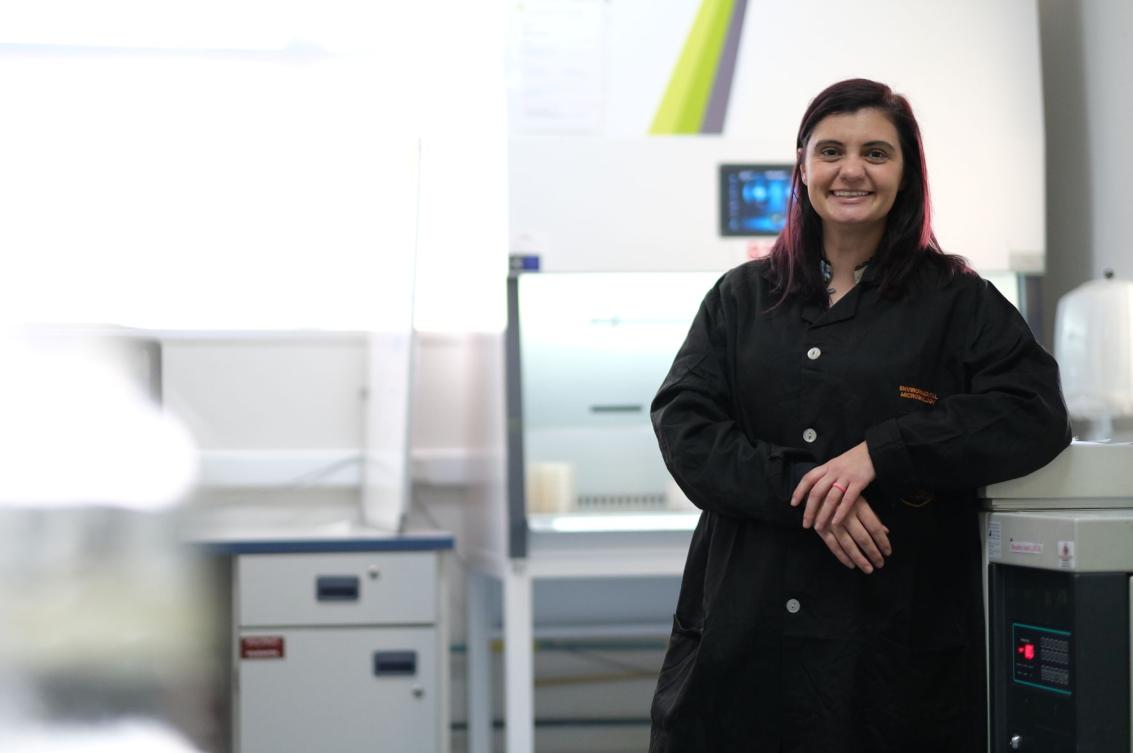
Dr Janca Pieters, a postdoctoral fellow in the Department of Microbiology at SU and first author on the paper, says they collected multiple soil samples from different locations across the reserve to capture the natural diversity of the soil microbial community.
“The exciting part is that every soil sample contains thousands of bacterial species, many of which have never been cultured or described. By using specialised cultivation techniques, we can sometimes grow organisms that have remained hidden until now, such as Dedyshia acidiphilia,” she explains.
Acidobacteriota are extremely slow-growing and often require nutrient-poor conditions that resemble the soil they naturally inhabit. These and other conditions, such as interactions with other microorganisms, are difficult to reproduce in the laboratory.
“Finding the right growth medium therefore involves a great deal of patience and optimisation. Some Acidobacteriota take months or weeks, rather than days, to produce visible colonies.”
In the case of D. acidiphilia, it took almost a month!
Prof. Karin Jacobs, a specialist in microbial ecology and lead author on the paper, says the finding is highly significant: “This represents a significant advance in our knowledge of the rare species in soils that contribute to important soil nutrient cycles.”
For Pieters, this discovery demonstrates that South African soils, and particularly biodiversity hotspots such as the Cape Floristic Region, still contain an enormous amount of unexplored microbial diversity.
“With improved cultivation methods, many more previously unknown bacteria are likely waiting to be discovered. Every new cultured strain helps scientists better understand how these organisms contribute to soil health, nutrient cycling and ecosystem functioning,” she adds.
What comes next?
Now that the bacterium has been formally described and named, the next step is to investigate its ecological role in the soil: “We want to understand what nutrients it uses, how it interacts with other microorganisms, and what contribution it makes to nutrient cycling in the fynbos ecosystem,” Pieters explains.
Its genome also provides clues about genes that may produce novel enzymes or metabolic pathways. These could have future applications in biotechnology, agriculture or environmental science.
“At the same time, we continue searching for additional Acidobacteriota species from South African soils, as each newly cultured strain helps fill gaps in our understanding of this important bacterial group,” she concludes.
The new genus, Dedyshia, is named after the Russian microbiologist, Dr Svetlana Dedysh from the Winogradsky Institute of Microbiology, in recognition of her significant contributions to the discovery and description of novel Acidobacteriota isolates. The species name, acidiphilia, means acid-loving (from the Latin acidum for acid, and the Greek word philos for loving).
Related stories

Awards and milestones
SU mathematician headed for 75th Lindau Nobel Laureate Meeting
Dr Chevarra Hansraj is one of six South African scientists chosen by the Academy of Science of South Africa, with the support from the Department of Science...

Awards and milestones
First-year student selected to attend youth science forum in London
First year BSc student Sibella Murray has been selected by the National Science and Technology Forum (NSTF) to attend the 2026 LIYSF (London International...

Media release
New study led by South African scientists reveals how sea-ice microbes survive the Southern Ocean’s harsh winter, with implications for climate change
A study led by scientists from Stellenbosch University reveal that during winter the sea-ice around Antarctica harbors a reservoir of microbes of which most...