
Teaching and learning
How we learn has changed
From a single purpose to a comprehensive vision
In 1956, health sciences education at the Faculty of Medicine and Health Sciences was shaped by a single purpose: to train doctors. Over the next seven decades, that focus underwent a far-reaching transformation. Programme by programme, the Faculty expanded its vision to reflect a broader understanding of health and healing.
Today, in addition to medical doctors, we educate nurses, physiotherapists, occupational therapists, dietitians, speech-language therapists, and researchers. With more than 90 postgraduate programmes — many unique in South Africa — the Faculty offers one of the continent's most comprehensive health sciences education portfolios.

A curriculum that evolves
While the scope of our teaching has grown, its guiding question has remained constant: how to best equip health professionals to serve their communities and inspire lifelong learning?
Healthcare in 2025 looks vastly different from that of 1956. In response, our curricula are continually renewed to reflect the latest scientific, clinical and technological advances. Modern learning technologies are embedded across programmes to create immersive learning experiences that prepare graduates not only for the world of work, but for the discipline of lifelong learning.

Celebrating 70 Years of Impact: Teaching and Learning
Faces of the Faculty

Prof Hennie Botha

Prof Lieketseng Ned

Jenny du Plooy

Donovan Baatjies

Colleen Warrington

Taugheedah Gordon
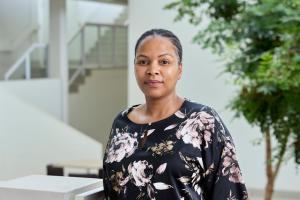
Luyanda Ntlombe

Regan van Wyk
Six programmes, six paths
Today, the Faculty of Medicine and Health Sciences offers six undergraduate programmes: Medicine and Surgery (MBChB), Occupational Therapy, Dietetics, Physiotherapy, Speech-Language and Hearing Therapy, and Nursing - training the next generation of health professionals who will serve communities across South Africa and beyond.


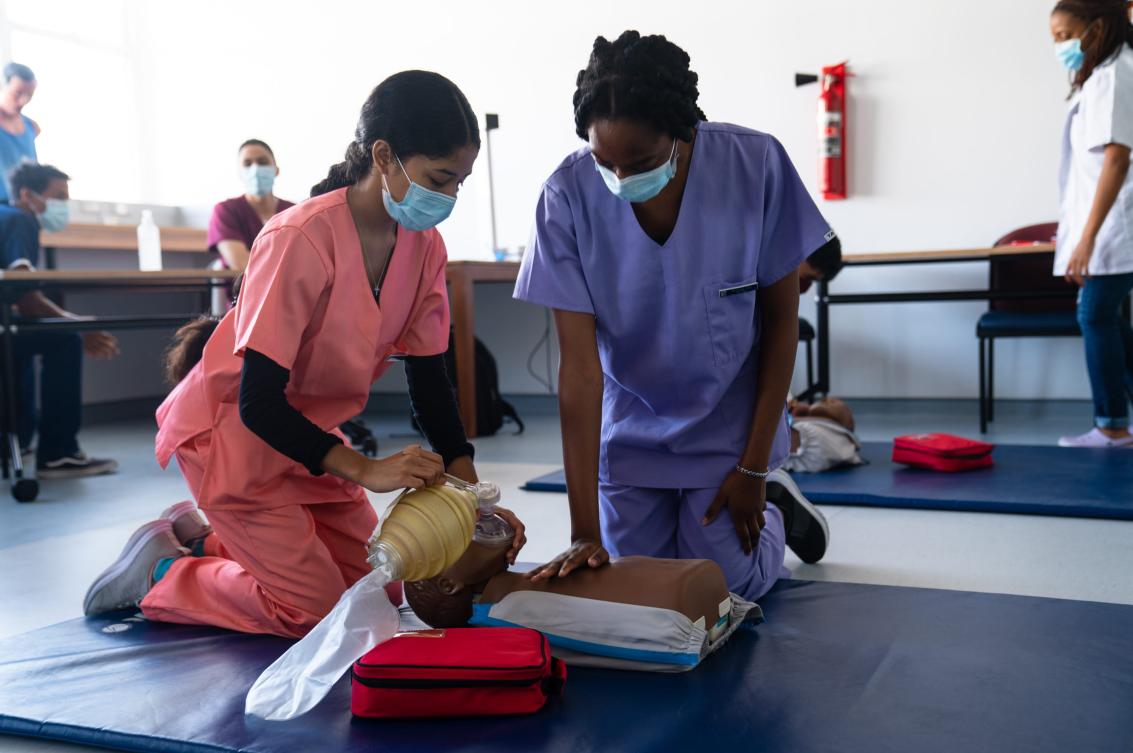
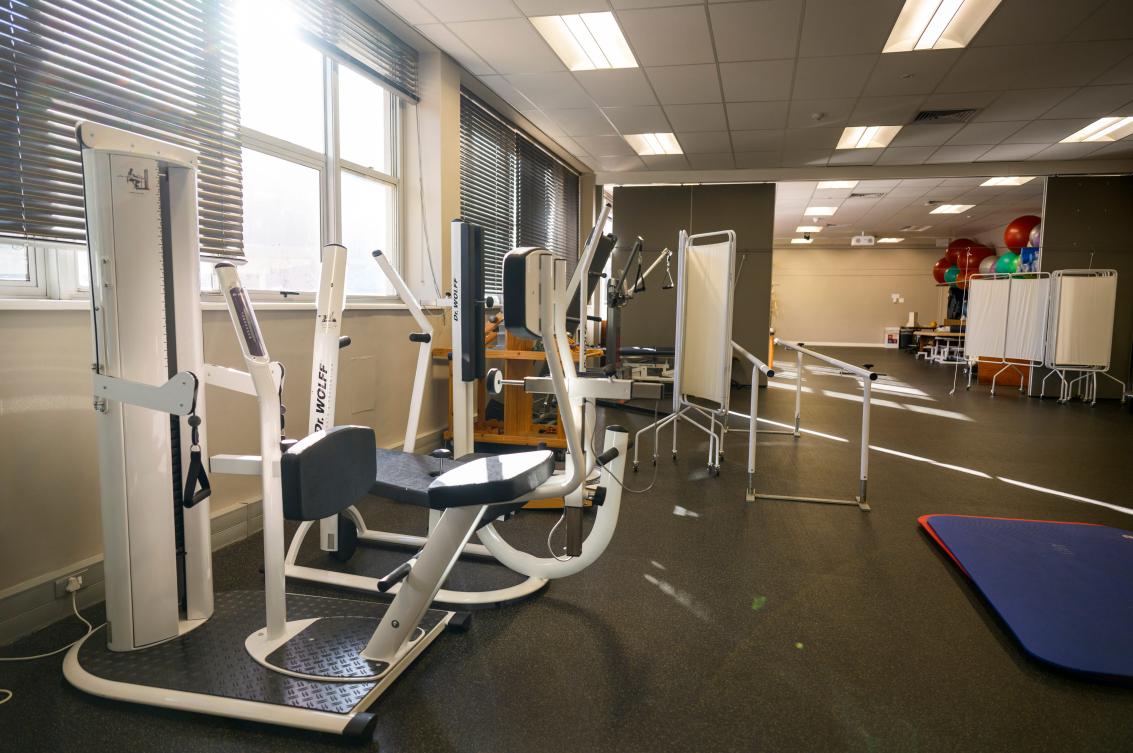
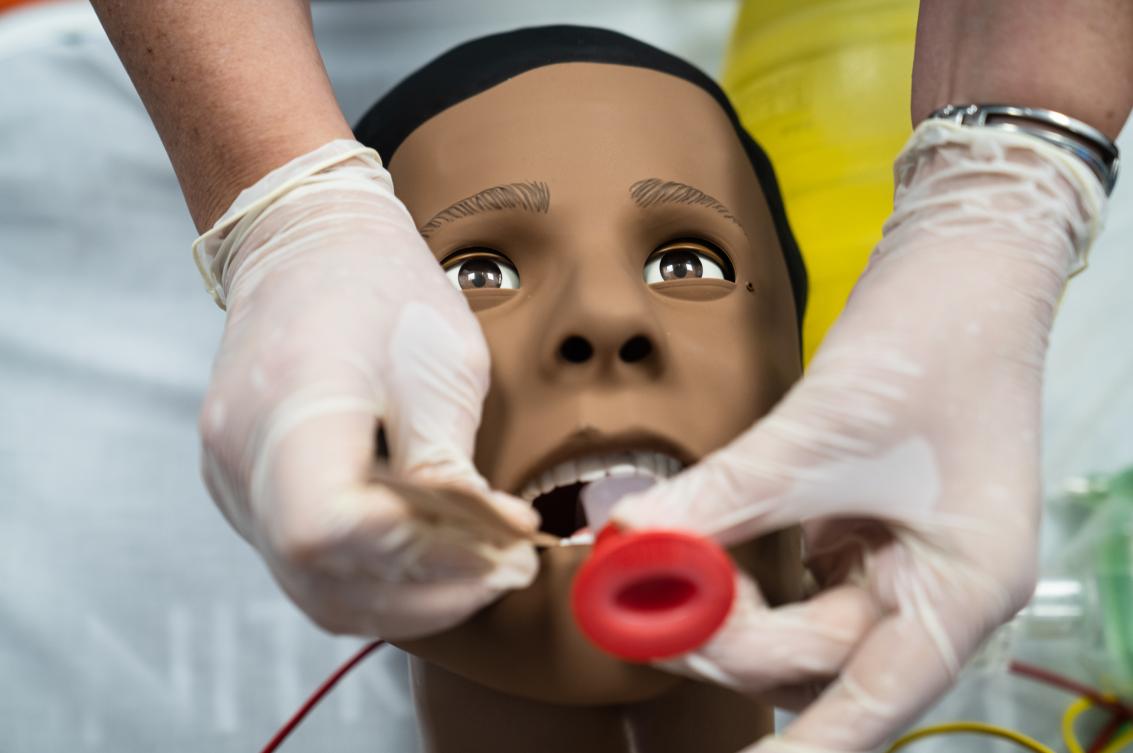
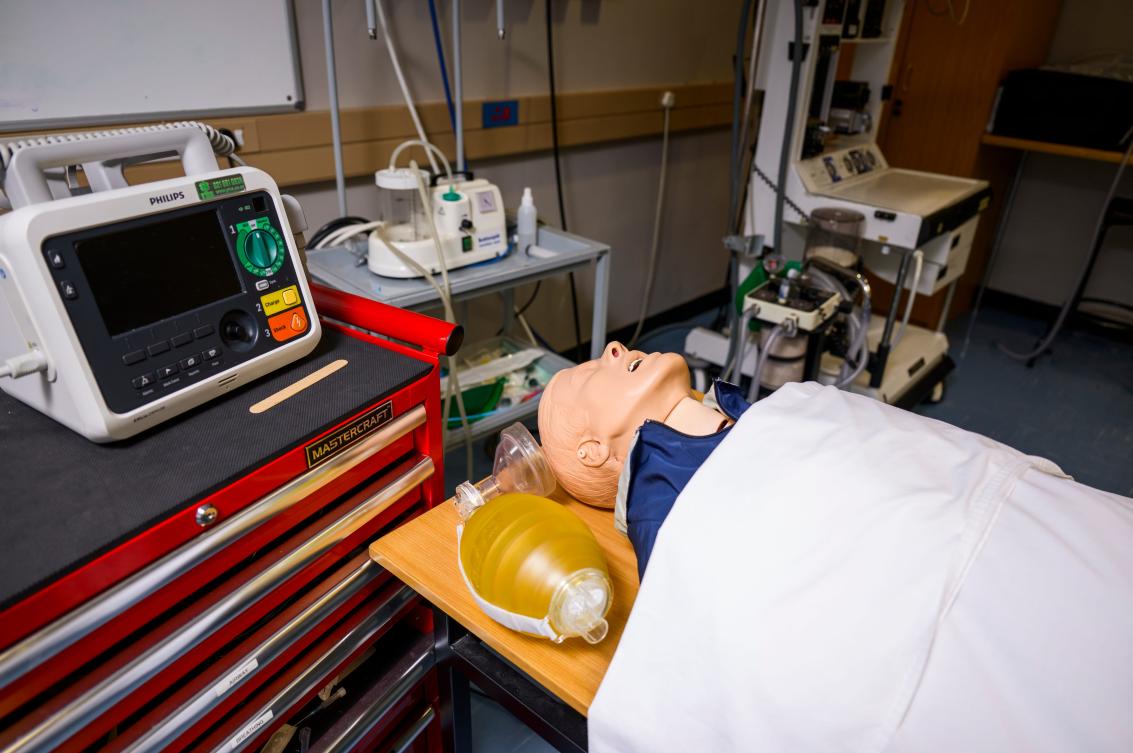
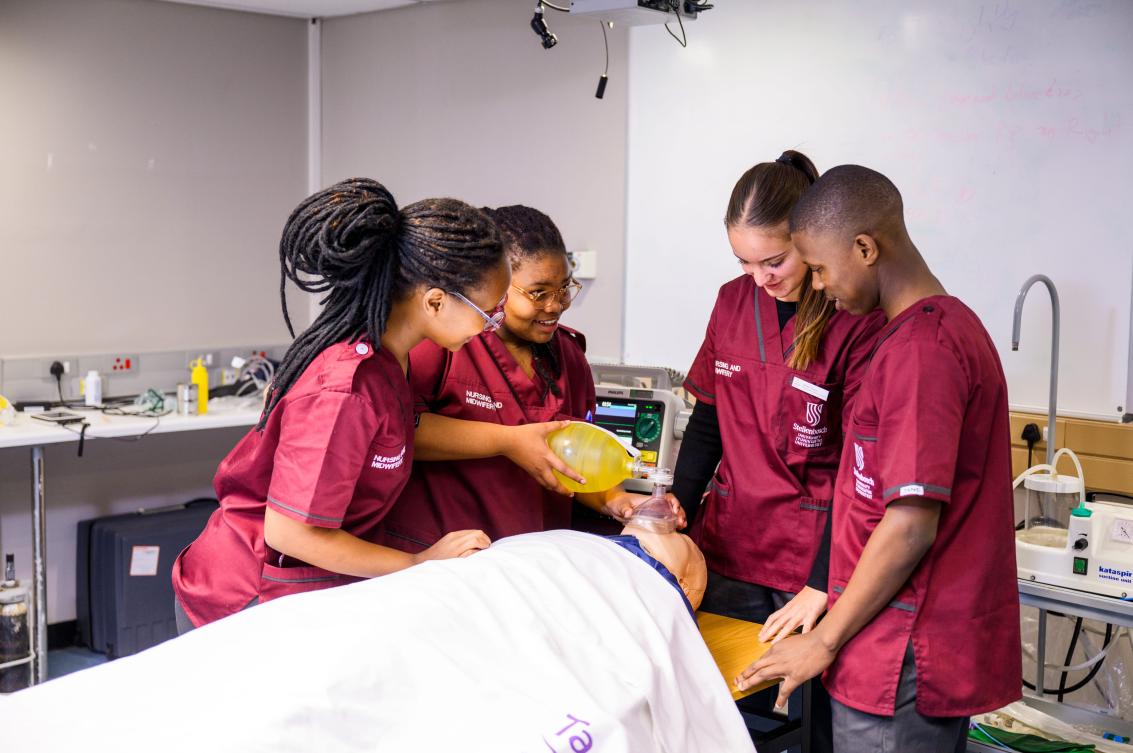
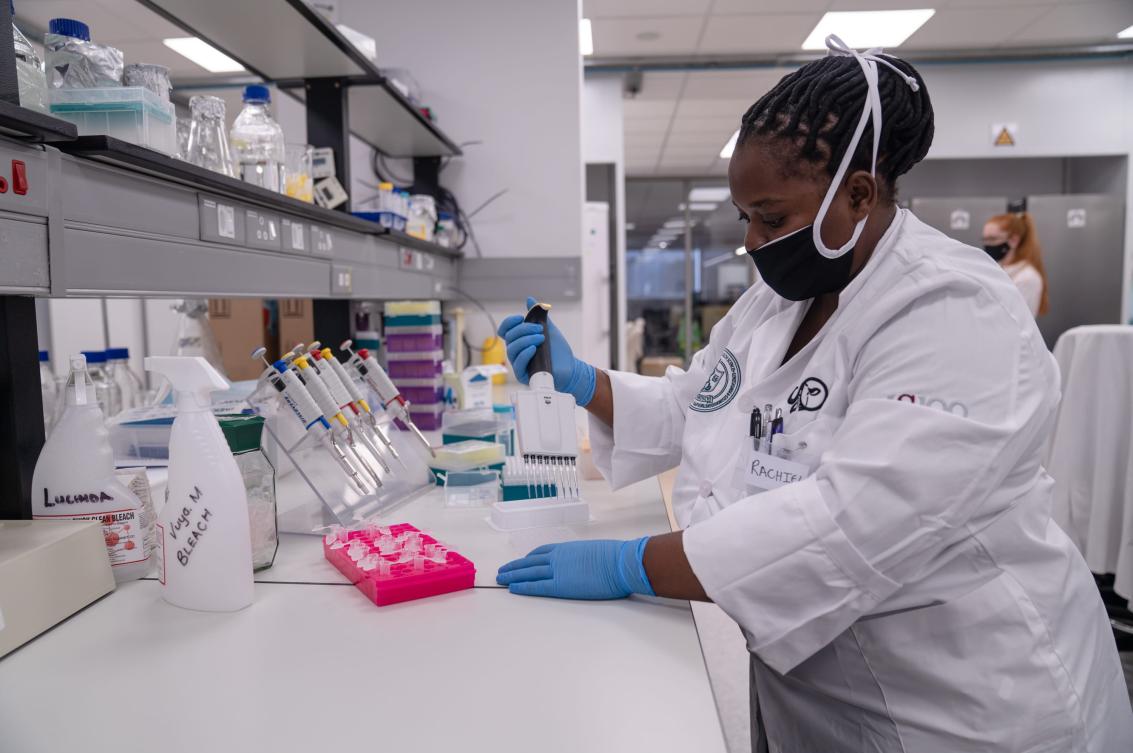
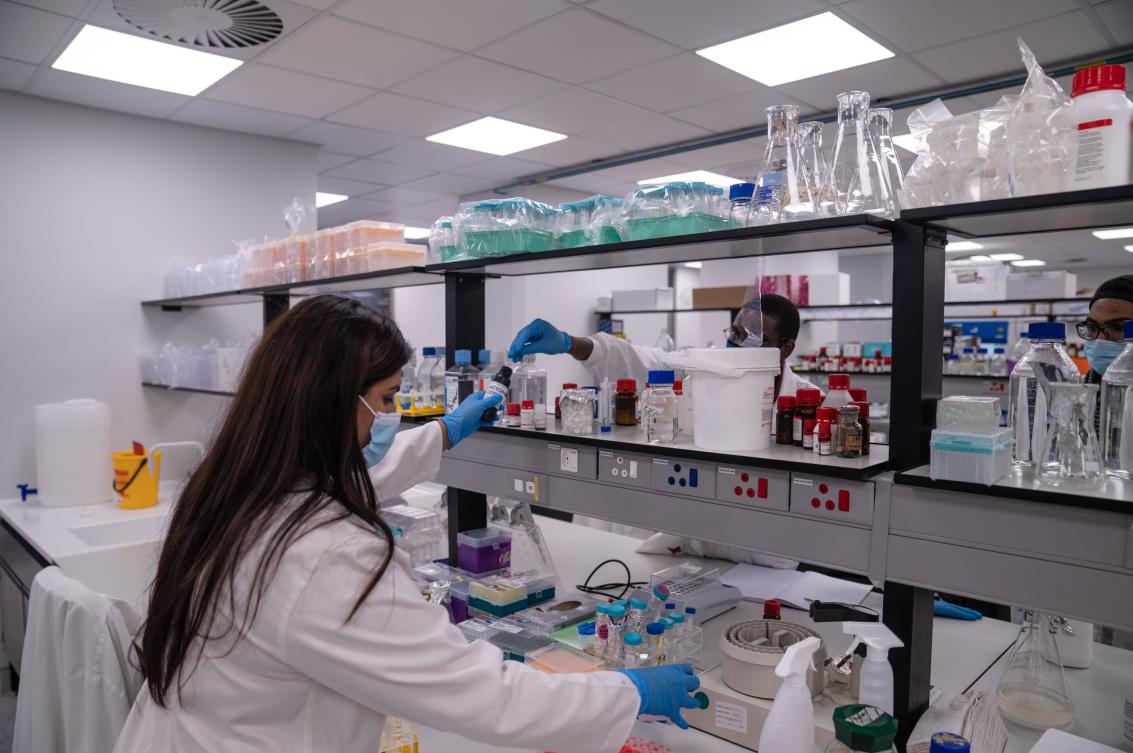
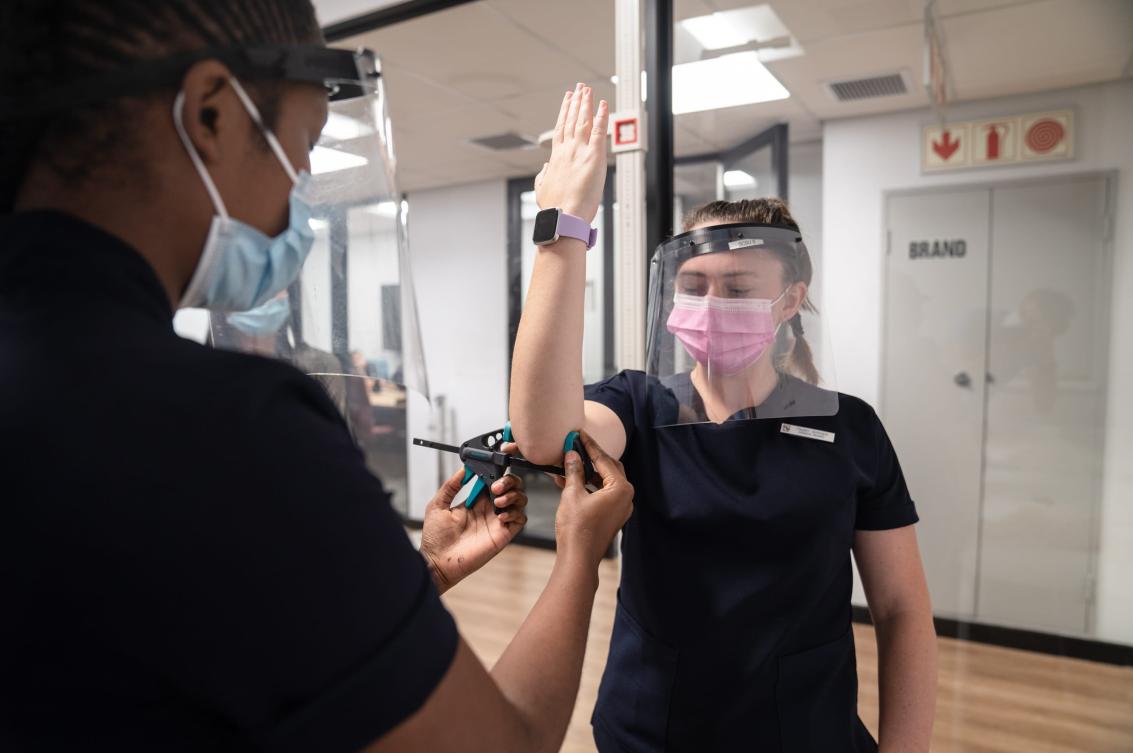
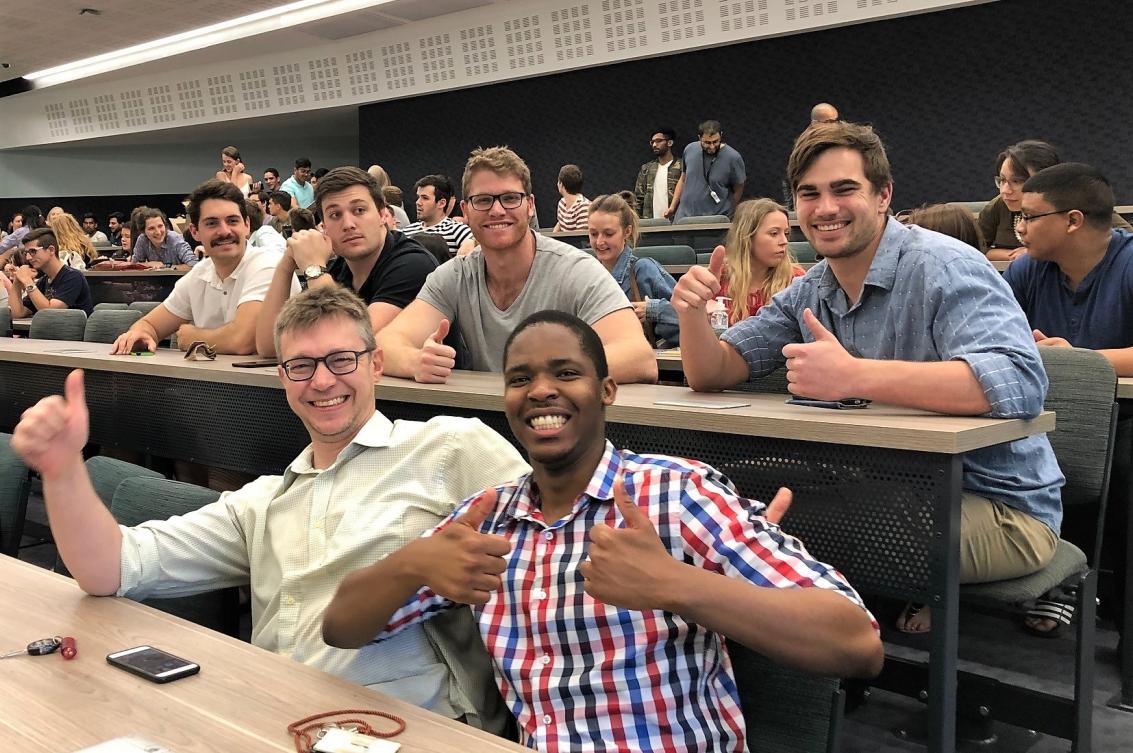
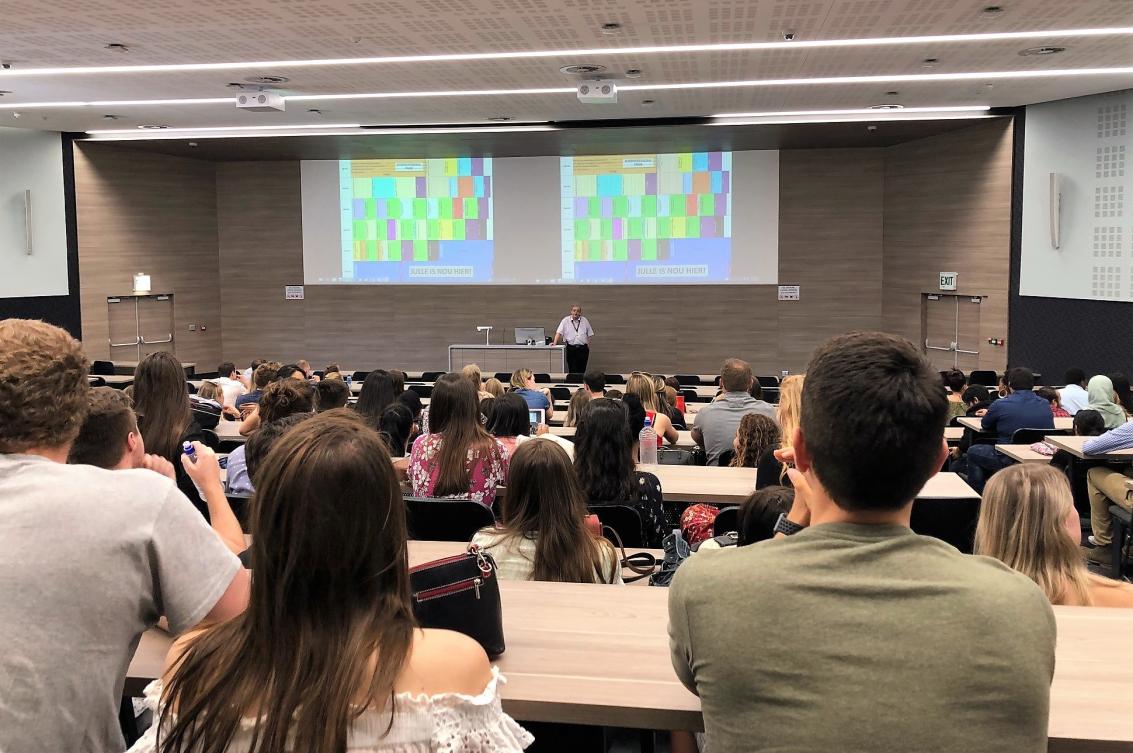
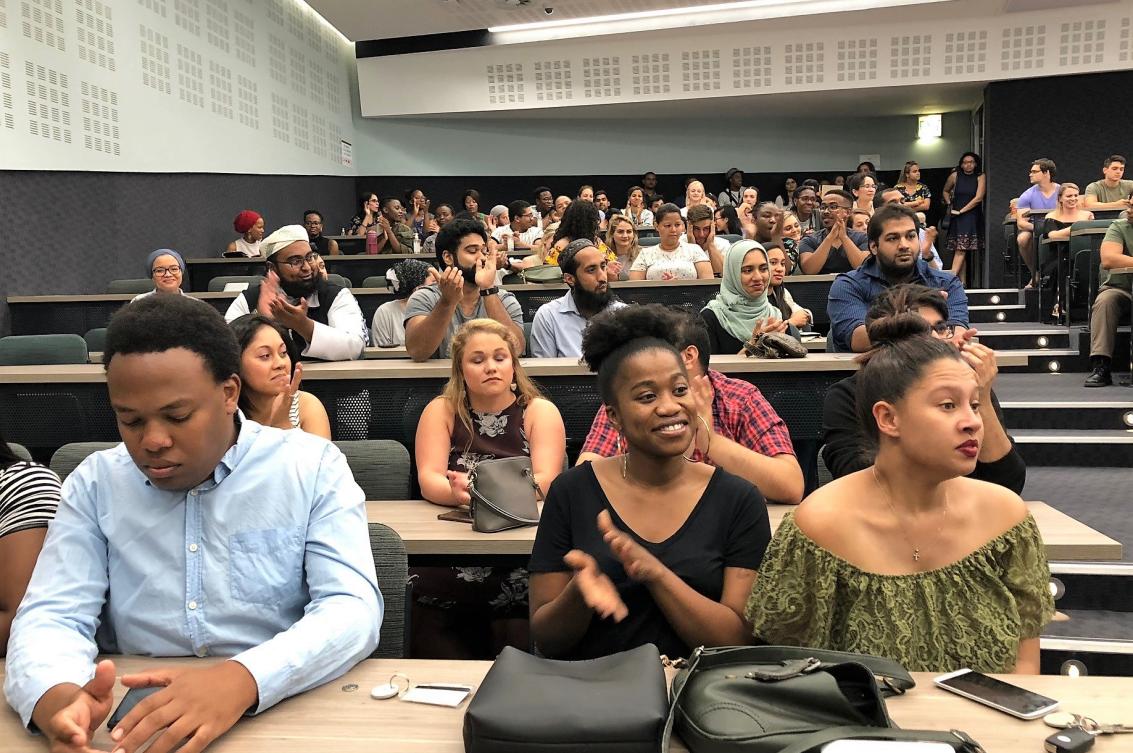
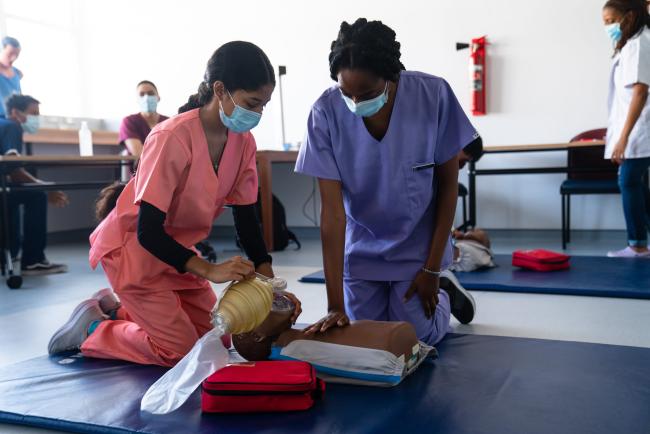
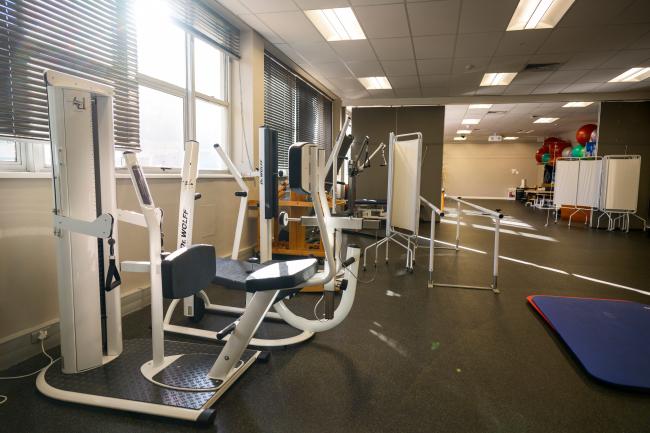
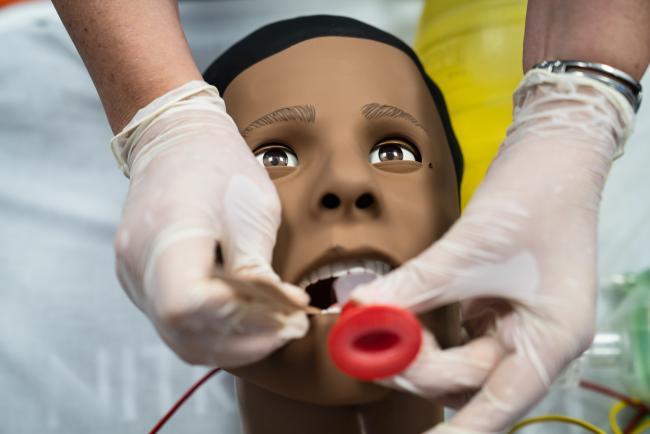
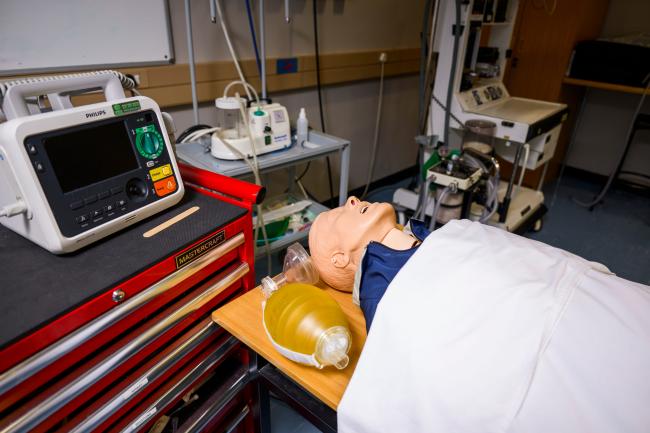
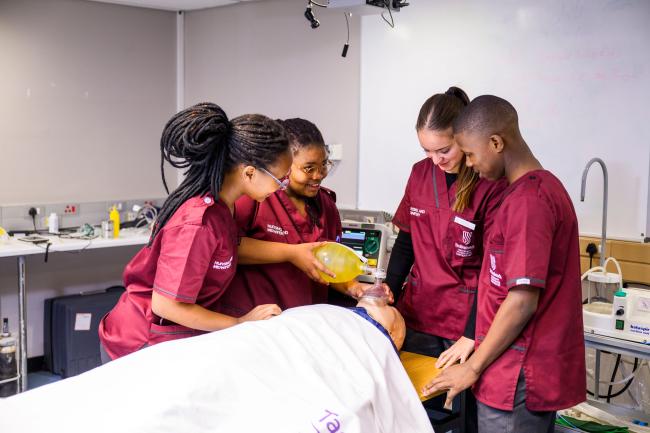
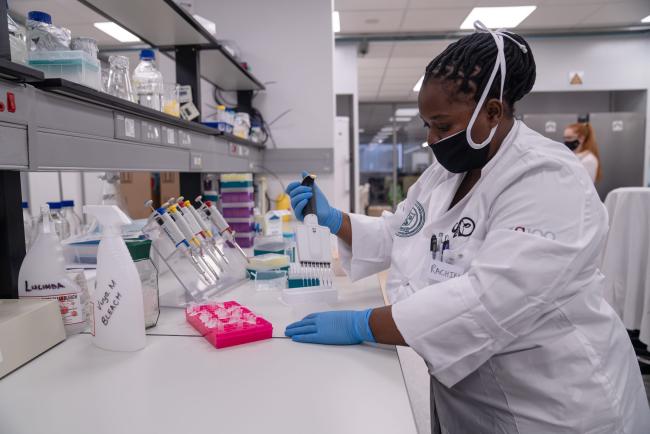
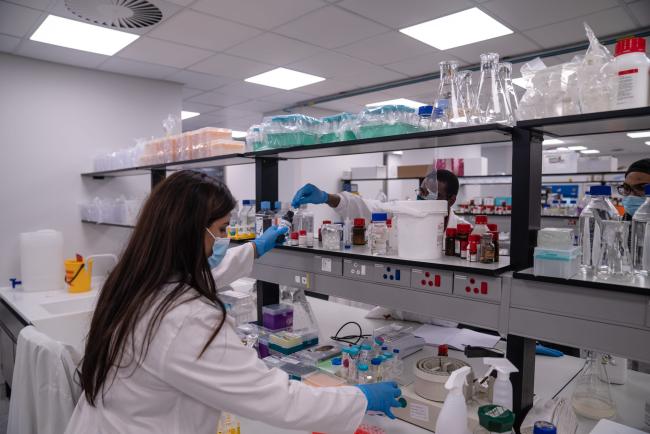
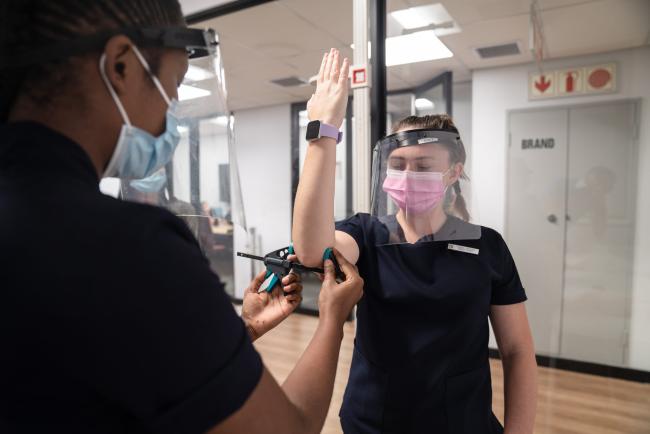
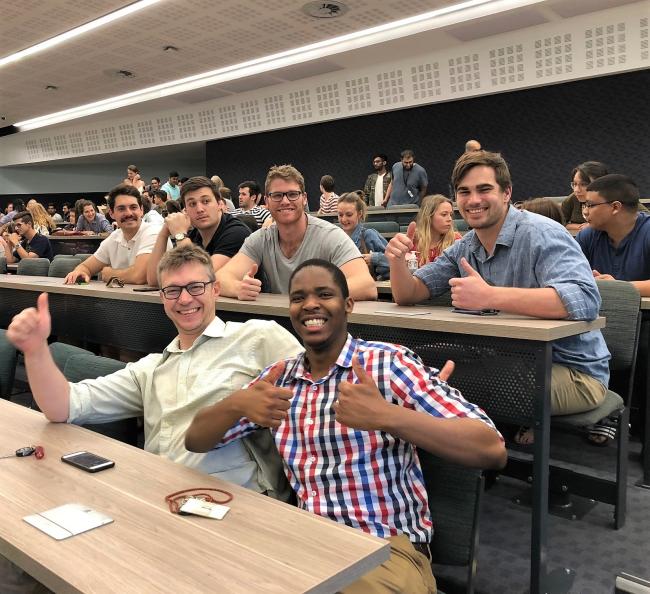
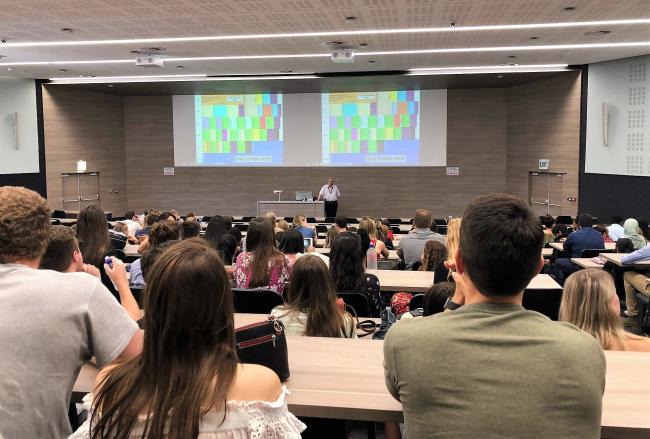

We offer a comprehensive series of programmes, matched by state-of-the-art training facilities.
World-class learning environments
State-of-the-art facilities — including a cutting-edge Clinical Skills and Simulation Unit and Africa's largest Medical Morphology Learning Centre — support experiential training through high-fidelity simulation, virtual technologies, and ethically sourced human specimens. Together with world-class research infrastructure, they ensure our graduates are ready for the complexities of modern healthcare.

A campus that keeps pace
Next: Visual redress
From classrooms to creating a space everyone can embrace