

Career Day inspires future lawyers to carry Mandela’s legacy forward
- More than 150 law students from across the Western Cape gathered in Stellenbosch to explore the many pathways into South Africa's legal profession.
- Deputy Minister of Justice and Constitutional Development Andries Nel challenged students to become custodians of the Constitution and champions of justice.
- Students left with practical career guidance, valuable networking opportunities and a renewed sense of law as a profession rooted in public service.
Three decades after South Africa adopted one of the world’s most progressive constitutions, more than 150 aspiring lawyers gathered at Stellenbosch University (SU) to confront a question that extends far beyond the courtroom: what responsibility does the next generation bear for turning constitutional ideals into lived reality?
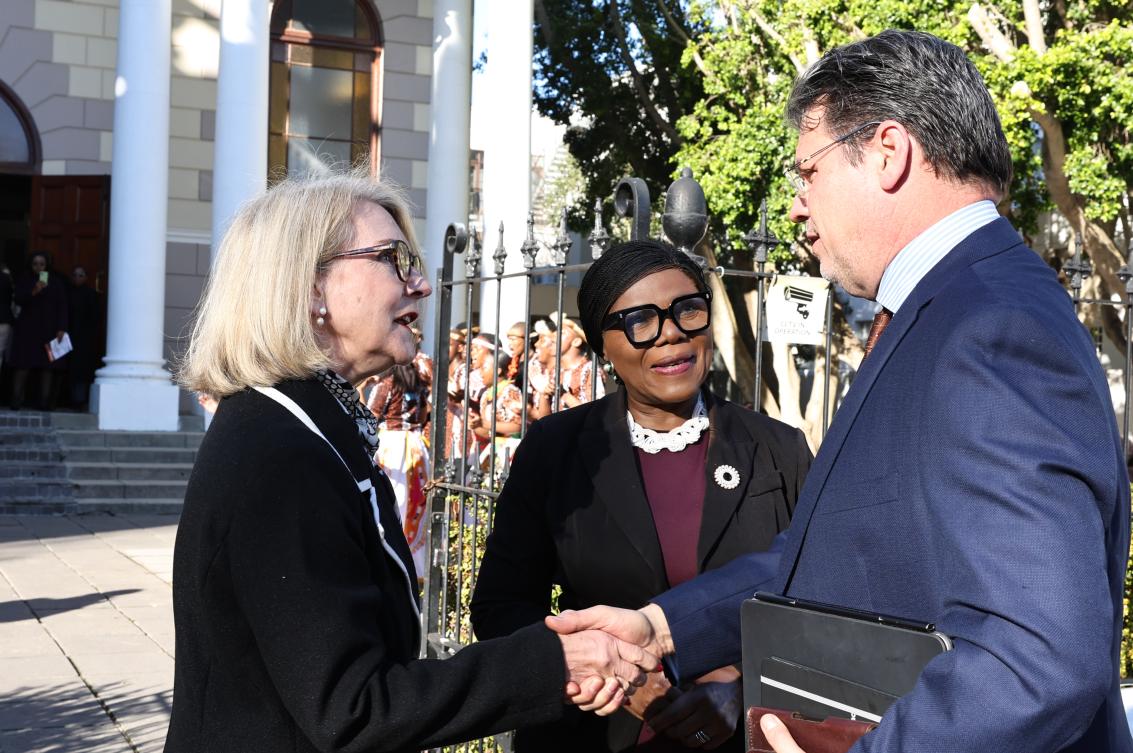
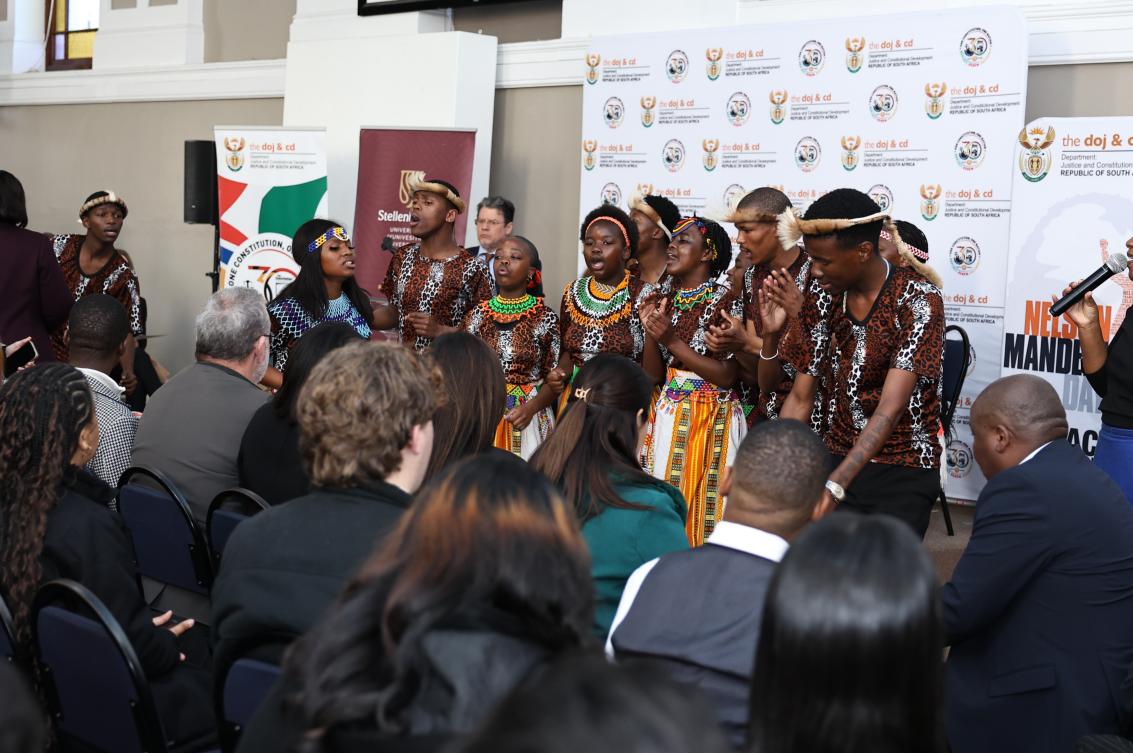
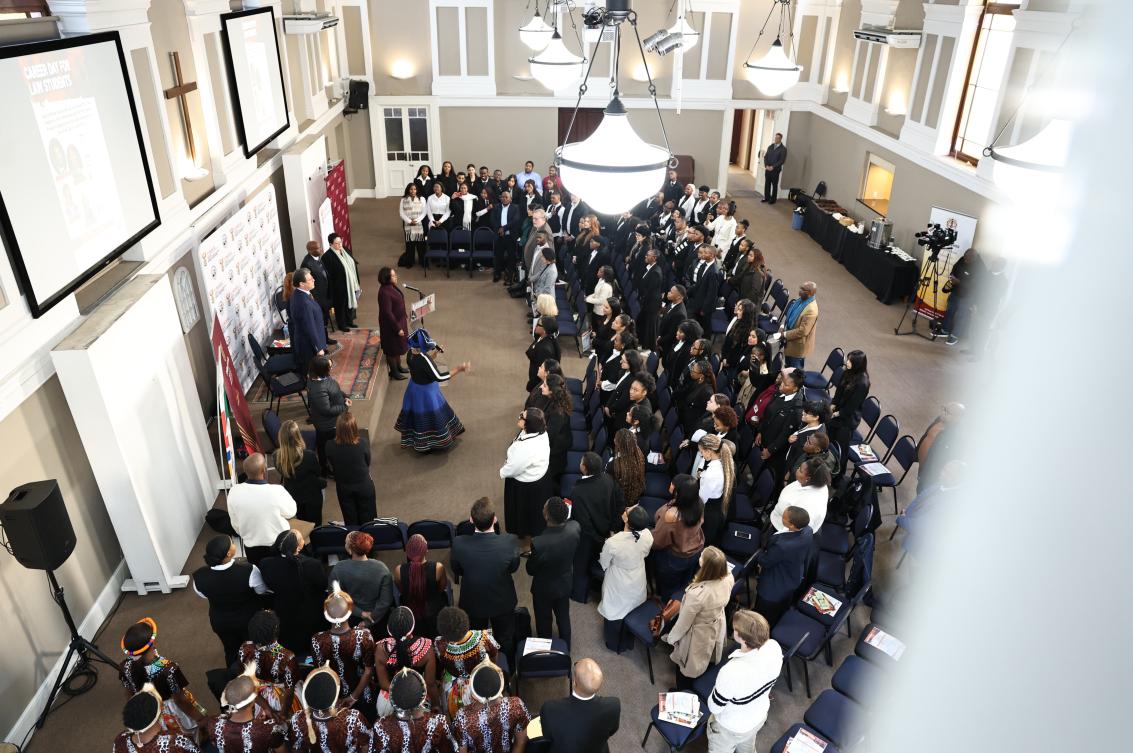
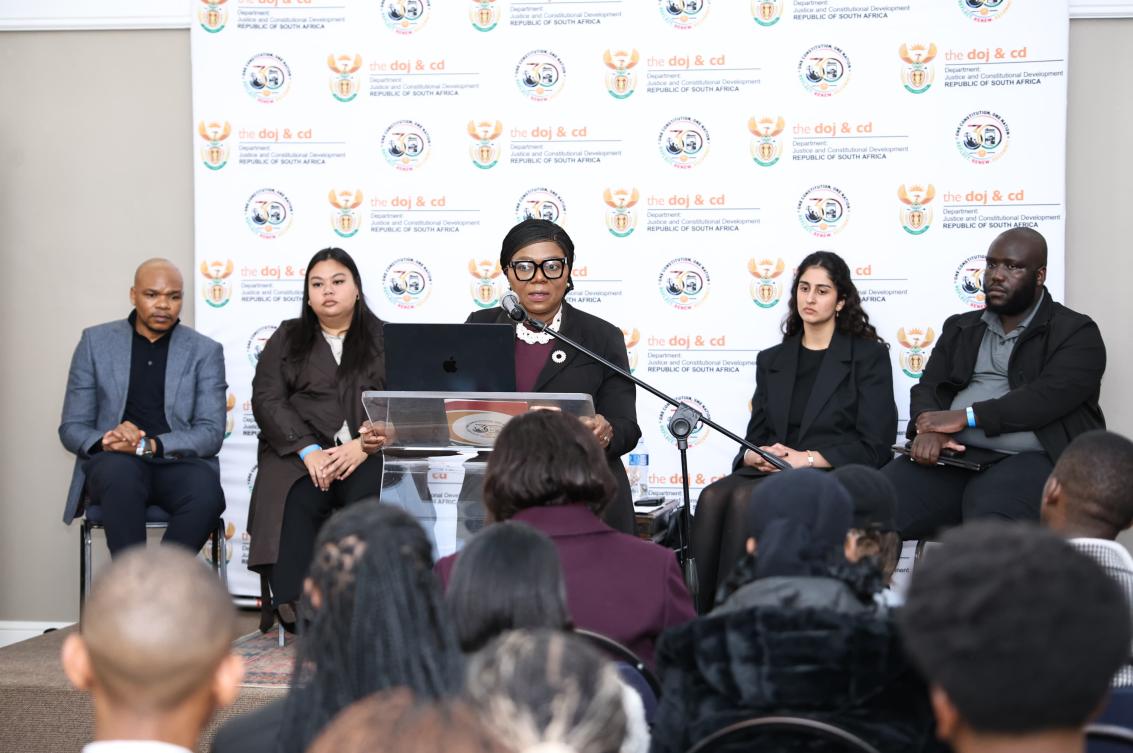
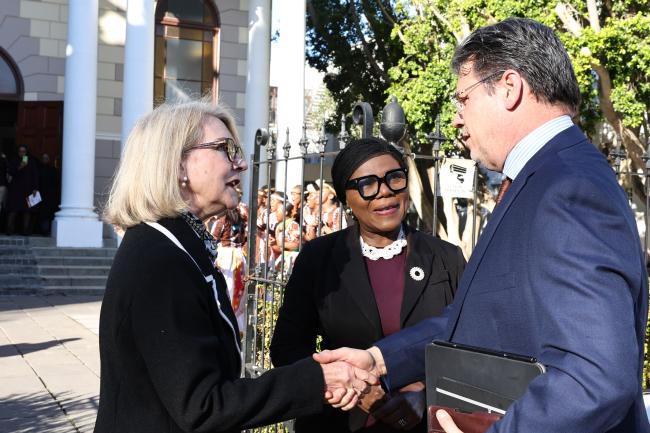
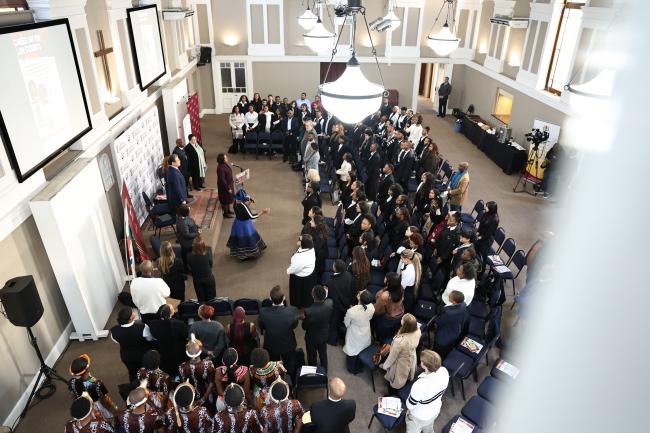
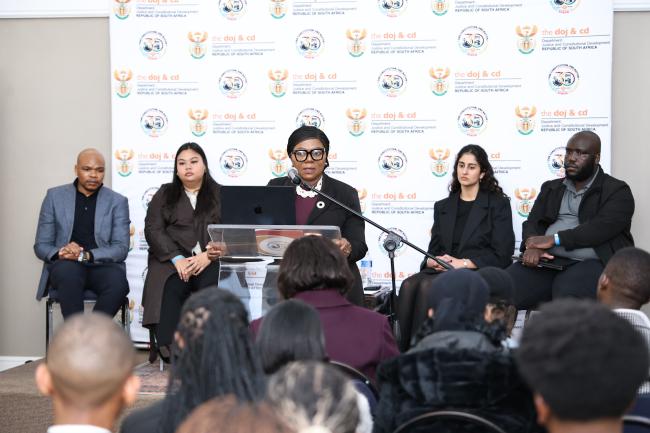
That query lay at the heart of the Career Day for Law Students, held this week under the theme ‘The Constitution at 30: Preserving Nelson Mandela’s Legacy of Equality and Justice’. Presented by the Department of Justice and Constitutional Development in partnership with SU, the event brought together students from higher education institutions across the Western Cape with senior legal practitioners, government leaders and academics to explore both the enduring promise of South Africa’s Constitution and the many career paths available within the legal profession.
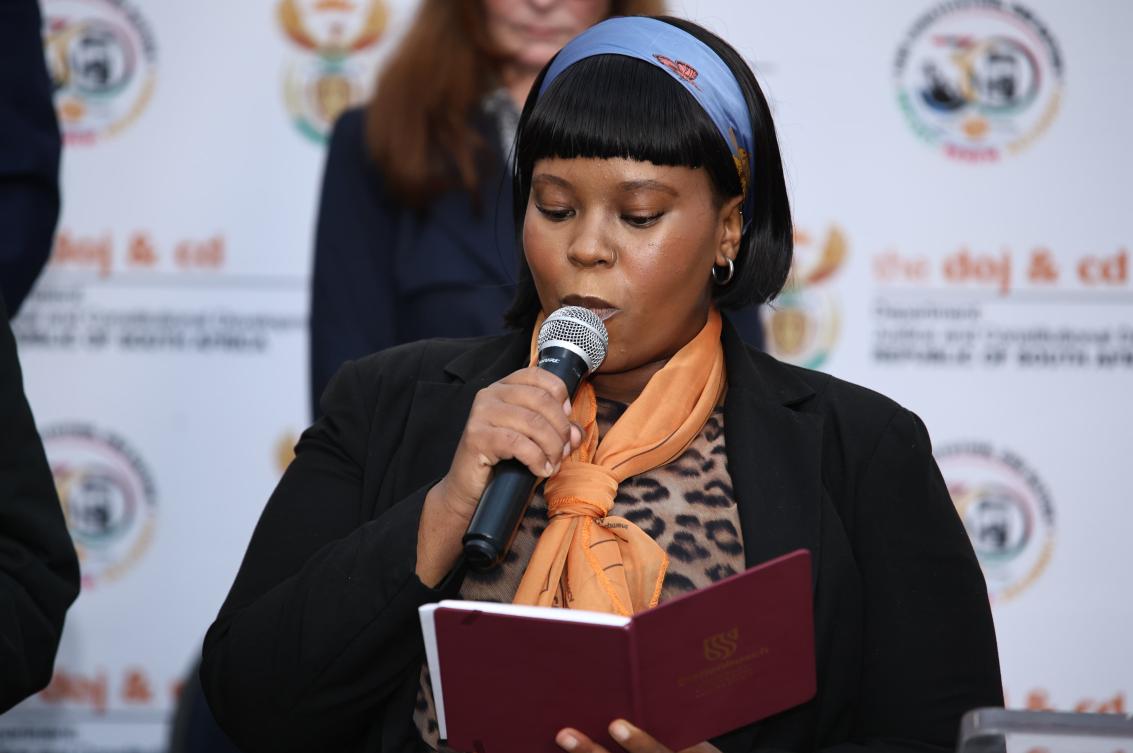
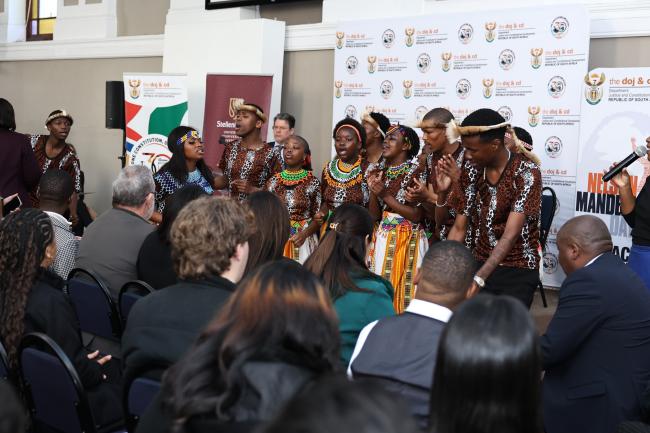
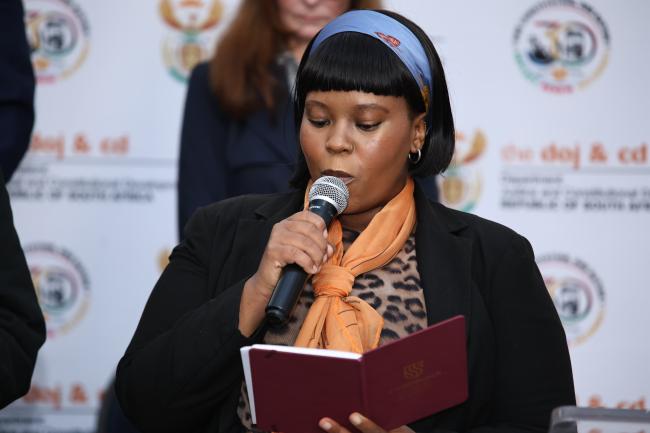
The day opened with the recitation of the Constitution’s Preamble before students heard from leaders representing the judiciary, government, legal professional bodies, public-interest organisations and some of South Africa’s leading law firms. A common thread through the speakers’ contributions was that a law degree is not simply a qualification for a career, but a responsibility to society.
The Constitution depends on people
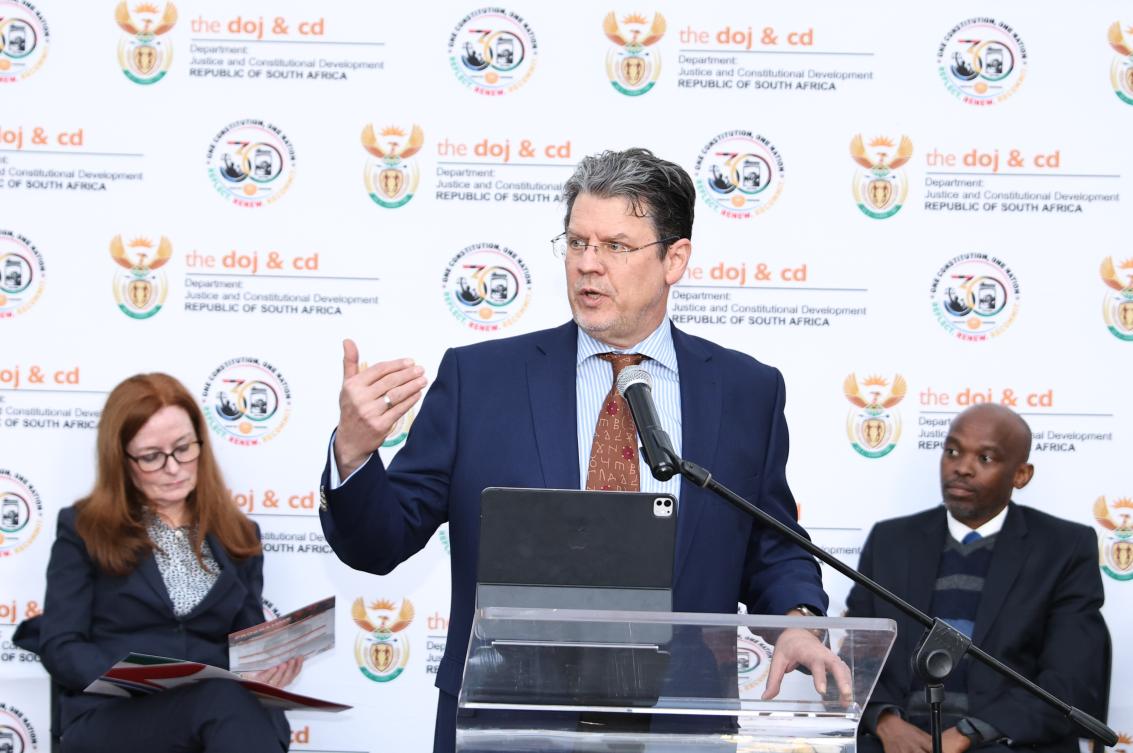
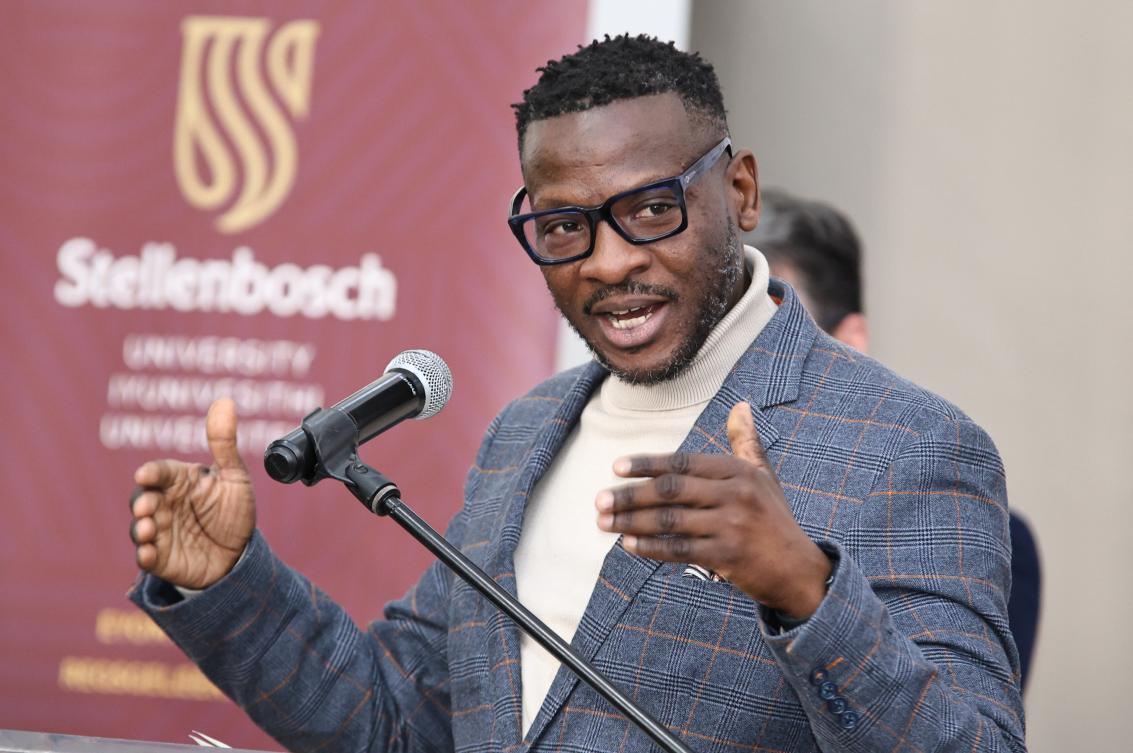
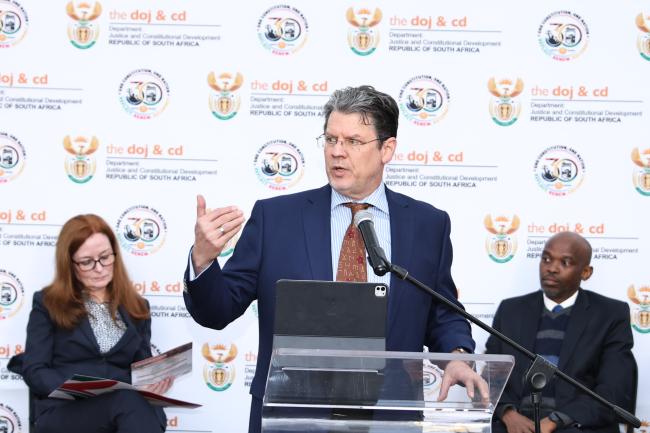
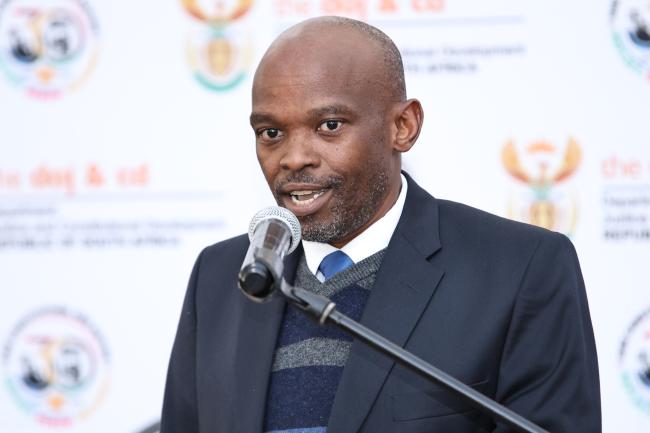
Delivering the keynote address, Deputy Minister of Justice and Constitutional Development Andries Nel urged students to reflect honestly on South Africa’s democratic journey while recognising the enduring significance of the Constitution.
“Thirty years ago, we made a very profound choice as a nation to choose constitutional supremacy over arbitrary power,” Nel said. “But constitutions do not defend themselves. Rights do not enforce themselves. The rule of law does not preserve itself. People do.”
He pointed to enduring inequality as the central fault line undermining justice. “You are living in a society in which we’ve defeated the legal superstructure of apartheid, but the material effects of apartheid are living all around us, and Stellenbosch is one of those places where that disparity between wealth and poverty is evident for all to see.”
Nel encouraged students to consider whether the Constitution’s promise matched the lived experience of millions of South Africans. “We need to reflect critically: where are we 30 years in, and can we say that the promise of that Constitution corresponds with the lived reality of millions of South Africans?”
Nel traced how his own decision to study law emerged from political struggle: from witnessing Mozambique’s transition to independence and Brazil’s racialised inequality, to returning to apartheid South Africa in the 1980s, joining the United Democratic Front and later working at Lawyers for Human Rights on death penalty and prison reform.
Having helped draft the Constitution as a member of the Constitutional Assembly and later serving in Parliament and the executive, Nel insisted that legal training is never only a private asset. “The law is not merely a profession; it is a public trust, and that public trust is now passing to you. Legal knowledge is not only a source of personal opportunity, but a responsibility to society,” he remarked.
Reflecting on the future of legal practice, Nel urged students to become AI-literate while recognising the limits of technology. Although artificial intelligence is reshaping the profession, he said, it cannot replace the human qualities at the heart of justice. “Machines can process information, but they can’t possess integrity. They can produce an argument, but they can’t comfort a victim… AI can’t take an oath; it can’t accept responsibility, and it can’t understand justice in the human sense. We need lawyers who bring what technology can’t supply: judgement, empathy, ethics, courage and human understanding,” Nel concluded.
Passing the baton to a new generation
The acting Dean of the Faculty of Law, Prof Juanita Pienaar, said the Career Day represented a unique collaboration between government, academia and the legal profession in honour of Nelson Mandela’s legacy.
“Every one of us has a role to play in redressing inequality and advancing justice. A gathering like today, a career day in close collaboration with government with a broad spectrum of the legal profession involved, our academia and our students under the watchful eye of Madiba, seems a step in the right direction.”
Pienaar reminded students they would become the next custodians of South Africa’s constitutional democracy, inheriting the responsibility to safeguard equality and justice for future generations.
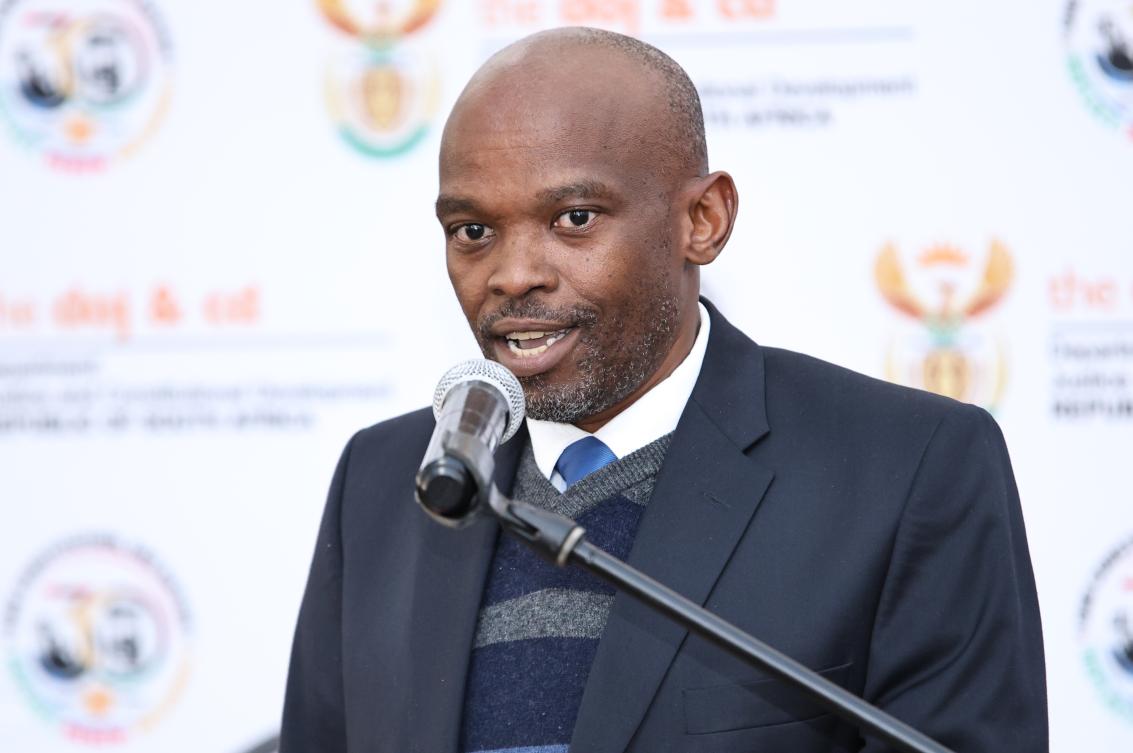
Representatives from the Legal Practice Council, the Cape Bar Council, the National Prosecuting Authority, Legal Aid South Africa, Parliament’s legislative drafting unit, the Public Protector and leading firms including Bowmans Attorneys, Nkohla Attorneys and ENS Africa then offered practical advice on entering the profession. Students gained first-hand insight into careers as prosecutors, advocates, attorneys, legislative drafters and public-interest lawyers, while also learning about bursaries, articles, vacation programmes, ethics and the growing influence of technology in legal practice.
Judge Lister Nuku of the High Court, Western Cape Division, shared his own journey through setbacks and uncertainty before encouraging students never to underestimate the value of perseverance. “Where you start is only the beginning, and it’s never going to define where you end up in life,” he noted. “Hard work beats talent if talent doesn’t work. Talent only gets you to the starting line, and then it is hard work that carries you through.”
Law as leadership and service
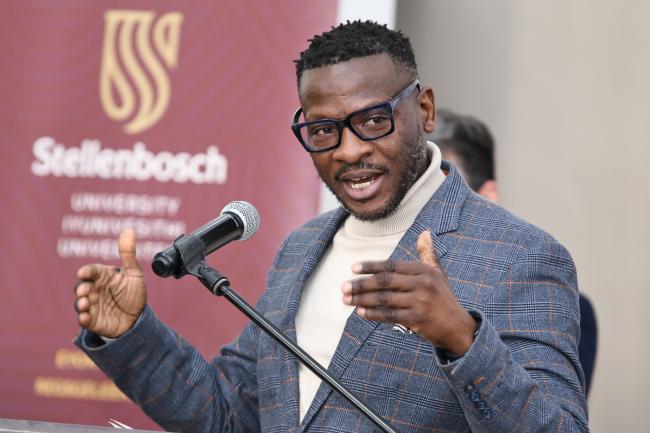
Centre for Social Justice Director Prof Thuli Madonsela challenged students to see the law as a means of transforming society rather than simply building successful careers.
“Lawyering is leadership, and I’m asking you to do it transformatively, because we get the world we deserve, and the world we deserve is the one we help shape through everything we do every day.”
She encouraged students to use their legal education to bridge the gap between law and justice rather than reinforce inequality. “What ideal do you live for? When you get your law degree and you take your next step, what ideal will you be practising with your law degree, regardless of which direction you take?” Madonsela asked.
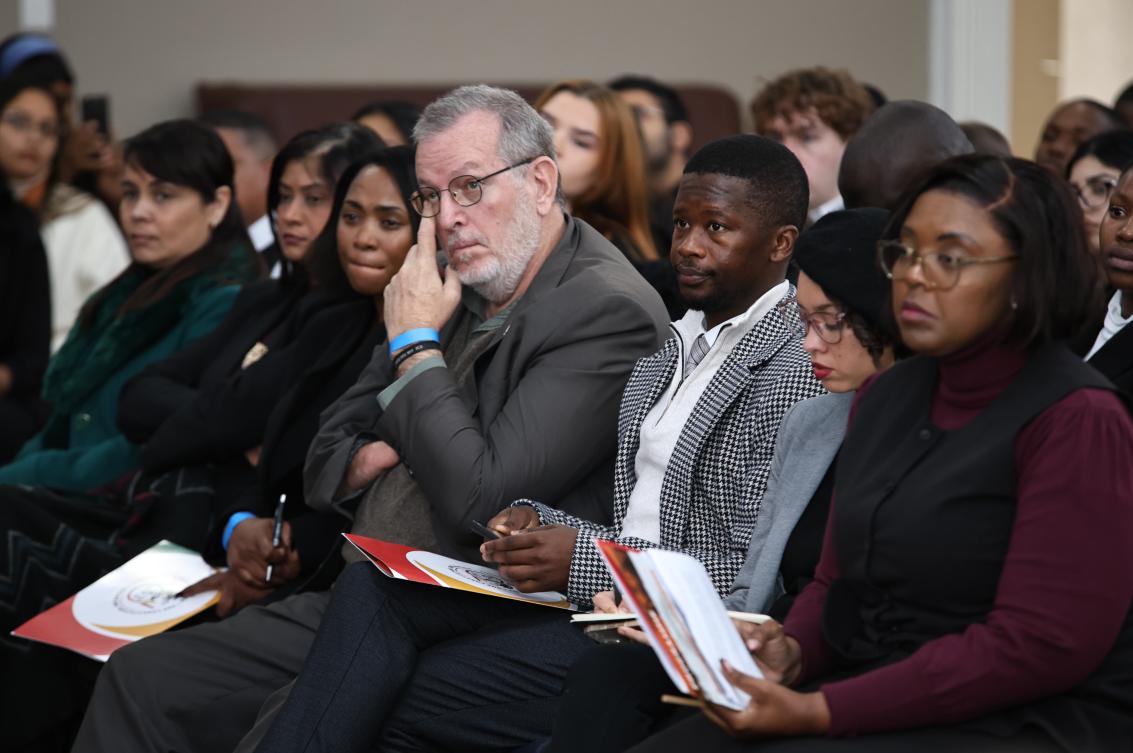
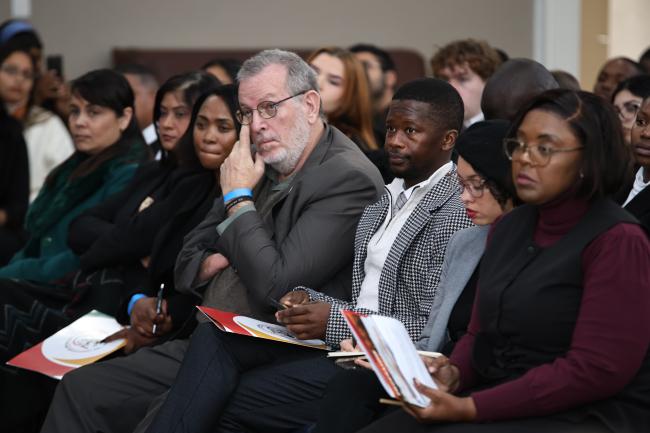
Throughout the day, students engaged enthusiastically with speakers during question-and-answer sessions and took advantage of networking opportunities with judges, advocates, attorneys, prosecutors and recruiters from both the public and private sectors.
For many, the Career Day offered more than career advice. It provided a clearer understanding of the diverse opportunities within the legal profession. The event reinforced the idea that every law student has the potential to carry Nelson Mandela’s vision of equality, dignity and justice for all into the future.
Related stories
Events
Taking sustainable energy research from the lab to the market
South African researchers should measure success not only by publications and patents, but by the tangible technologies, businesses and jobs their work creates...
Media release
New internship programme at SU clinics opens doors for aspiring medical receptionists
For many young South Africans, earning a qualification is only the beginning of a difficult journey. The next hurdle is finding the work experience employers...
Media release
Stellenbosch University researchers and international partners develop global ‘Declaration on Multilingual Healthcare’
Patients who do not speak the same language as their healthcare providers are disadvantaged worldwide when it comes to accessing healthcare services and...