
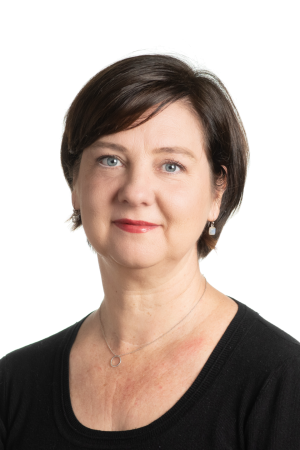
Prof Lyn-Marié Birkholtz
Research Emphasis
Multidisciplinary research linking biology to drug discovery to deliver health innovations for African challenges
Research Summary
The Birkholtz lab (B-lab) is a dynamic, collaborative group working at the interface of biology and drug discovery to address health problems relevant to Africa. We mainly work on malaria parasites. In light of emerging infectious diseases, the ability to eliminate age-old scourges like malaria is even more important. Malaria is still the most lethal tropical infectious disease and is particularly devastating on the African continent. Our work focuses on solution-oriented research to create health innovations for malaria elimination and to address the societal challenges associated with the disease in South Africa and globally.
We focus on the most deadly of the human malaria parasites, Plasmodium falciparum. We work at the interface between parasite biology and drug discovery and use the new biological insights we gain from studying different life cycle forms of the malaria parasite as a catalyst for drug discovery. We focus on the pathogenic processes driving the proliferation and differentiation of malaria parasites. Our expertise lies in identifying chemical entities that block malaria parasite transmission between humans and mosquitoes. If we can achieve this, we will be able to stop the spread of the disease and, as such, contribute new tools to malaria elimination strategies.
Research Description
Interests
We are interested in the gene regulatory mechanisms underlying the pathogenic processes that drive both asexual proliferation as well as gametocyte differentiation of malaria parasites.
We aim to understand the mechanisms the parasite uses to ensure a controlled transition during the different stages that the parasite progresses through, both during asexual proliferation as well as gametocyte differentiation. We are particularly interested in what we propose to be regulatory points within the asexual cycle and sexual development and are trying to define the mechanisms that contribute to this. This is a substantial research challenge and one we approach from a systems level. We therefore generate global descriptors of asexual parasite proliferation and gametocyte differentiation, to tease apart the molecular regulators involved. We provided a reference landscape of gametocyte development compared to asexual proliferation on both transcriptional and epigenomic levels. We also infer several regulatory functions that we are exploring further with gene manipulation techniques. This information is also directly informative and provides meaningful information on essential druggable processes.
We translate our understanding of the parasite's unique biology to meaningful health innovations. We are particularly interested in discovering compounds that kill gametocytes, thereby making them potential transmission-blocking antimalarial candidates.
Tools
We are a multidisciplinary group and, therefore, use a broad range of tools and techniques to answer our scientific challenges. We train postgraduate students in diverse skills, including cell culturing, molecular biology, analytical biochemical assays, cell biology, microscopy (fluorescent, confocal and expansion) and chemical transcriptomics and proteomics. We use gene manipulation systems (gene knock-down and knockout and Crispr-Cas) to change essential proteins in the parasite as potential drug targets. We use cell painting to get morphological fingerprints of affected biochemical pathways in the parasite due to drug treatment and we performed the first expansion microscopy in Africa to visualise biological entities in malaria parasites in details. We have a drug discovery platform with robotic liquid handlers for reproducibility and accuracy and we run a Medicines for Malaria Venture Global Test Centre. Our labs are well-equipped and include dedicated facilities such as a registered BSL2 malaria cultivation facility.
Collaborations & Funders
We are part of several national and international networks and consortia, including the South African Malaria Drug Discovery Consortium, the Grand Challenges African Drug Discovery Accelerator (GC ADDA), the Malaria Drug Accelerator (MalDA) and we are a Global Test Entity for the Medicines for Malaria Venture. We have strong partnerships with the H3D drug discovery centre at UCT (Kelly Chibale), the WITS Health Consortium (Amanda Rousseau and Lizette Koekemoer) and the Drug Innovations Group at the University of Ghana (Richard Amewu). We have several longstanding collaborators including Manuel Llinás, Ben Garcia, Pietro Alano and Didier Leroy.
The Department of Science and Innovation, the National Research Foundation, the Medical Research Council, the European Union, the Bill and Melinda Gates Foundation and LifeArc fund our work.
Full list of publications available at ResearchGate or Orcid
Kontakbesonderhede
Kantoor: JC Smuts Gebou
Foon: +27-(0)21-808-5862
Faks: +27-(0)21-808-5863
E-pos: [email protected]