
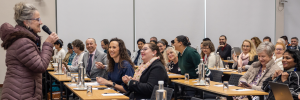
SU’s TLA Day confronts the future of learning and teaching in the age of AI
- As run up to SU’s Scholarship of Teaching and Learning (SoTL) Conference (17 and 18 November) SU’s inaugural Teaching-Learning-Assessment Day brought together academics, industry partners and higher education specialists to debate the future of learning under the theme of this year’s SU SoTL conference: What is a university?
- Discussions ranged from graduate readiness and multilingualism to student wellbeing, inclusive teaching practices and artificial intelligence.
- Speakers repeatedly returned to a central question: what remains distinctly human in university education?
Artificial intelligence (AI) dominated many of the conversations at Stellenbosch University’s (SU) first Teaching-Learning-Assessment (TLA) Day. The event focused on engaging in conversations around the purpose of higher education in a rapidly changing world. Similar to current global conversations in higher education, discussions about the influence of AI on student learning featured throughout conversations.
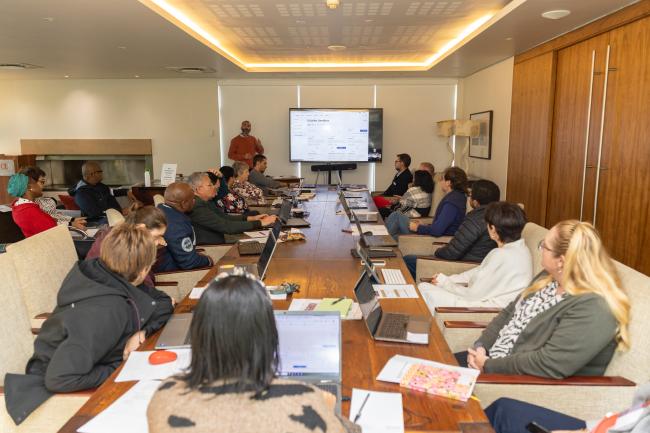
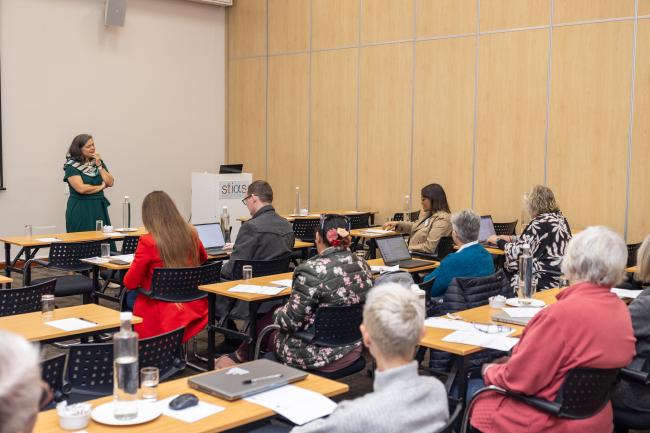
Held at the Stellenbosch Institute for Advanced Study (STIAS), the event brought together academics, teaching specialists and industry partners for a series of workshops and panel discussions exploring how universities should respond to social complexity, changing student needs and technological disruption.
Topics ranged from graduate readiness and multilingualism to peer learning, student wellbeing, internationalisation, transformative pedagogies and AI tutors.
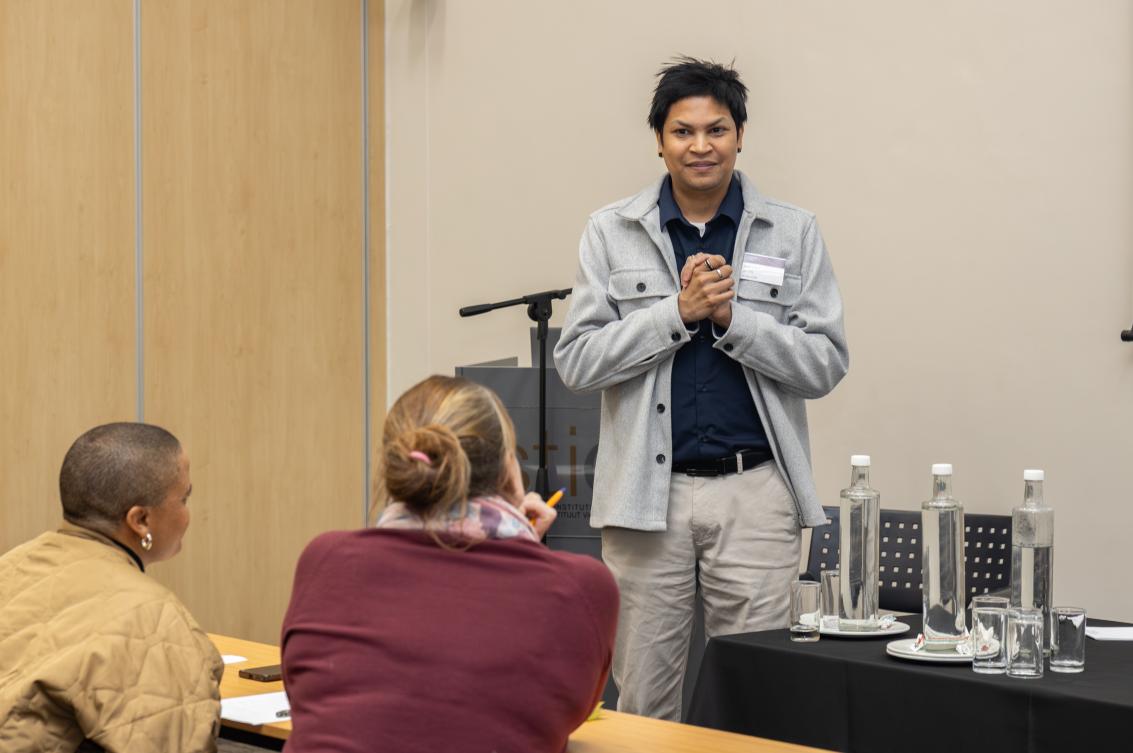
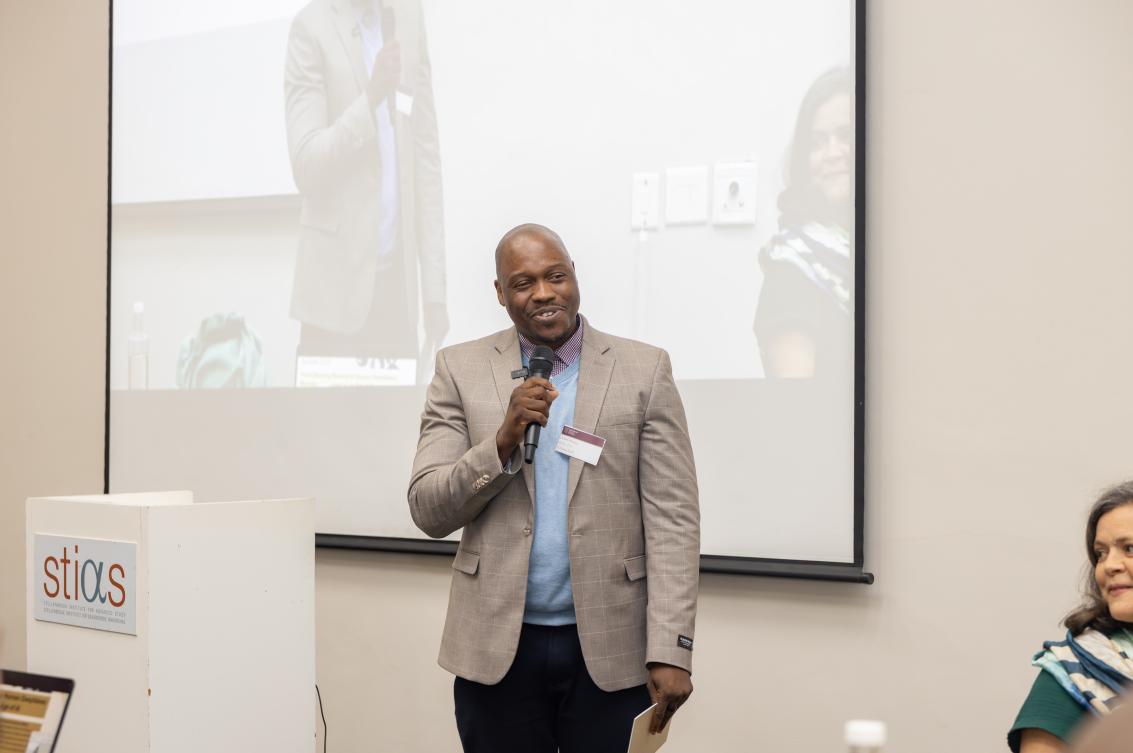
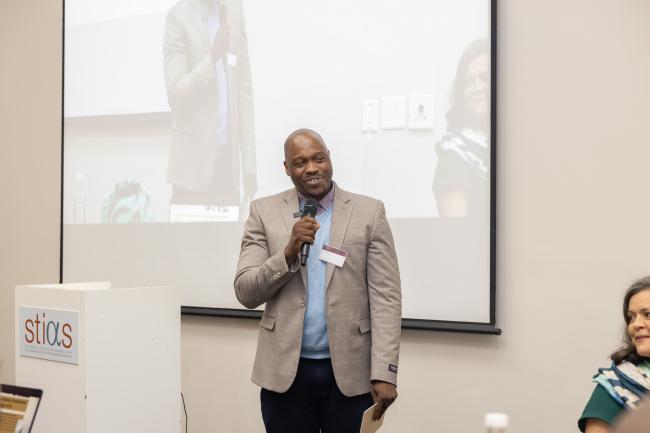
Opening the event, Dr Nicoline Herman, Acting Senior Director of the Division for Learning and Teaching Enhancement (DLTE), described the TLA Day as a renewed institutional space for reflection and dialogue around teaching, learning and assessment.
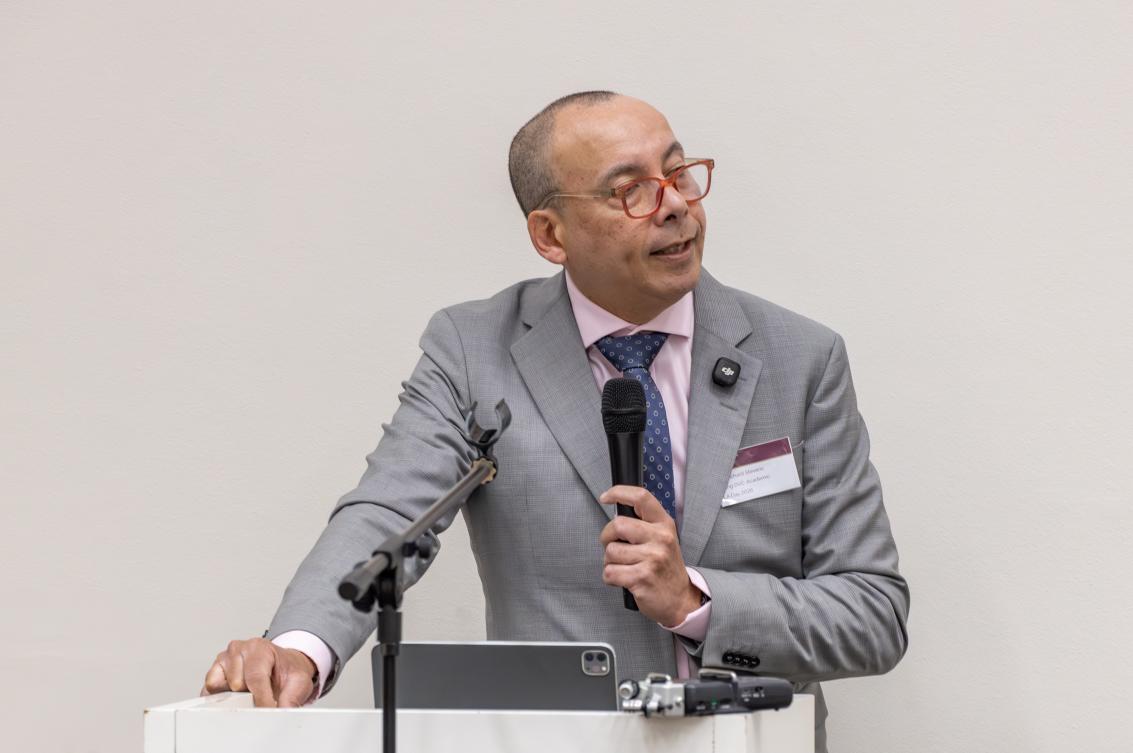
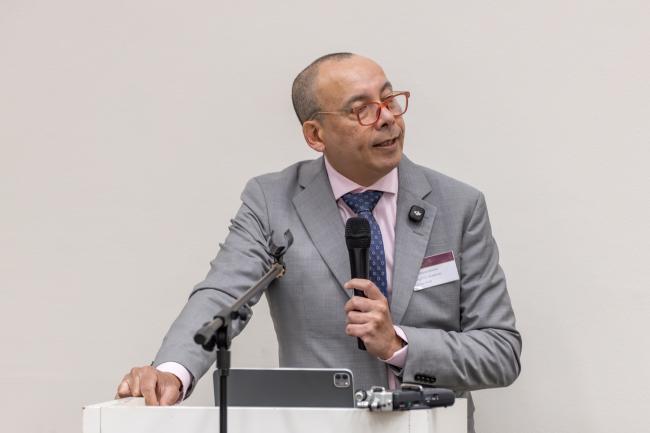
Prof Richard Stevens, Acting Deputy Vice-Chancellor: Academic, said the programme reflected a university community grappling seriously with the future of higher education. “These sessions are not simply about techniques or trends. They ask fundamental questions about what it means to teach, to learn and to be a university in a rapidly changing world,” Stevens noted.
More than technical skills
One of the central themes running throughout the day was how universities prepare students for an uncertain future shaped by technological acceleration, economic volatility and social change.
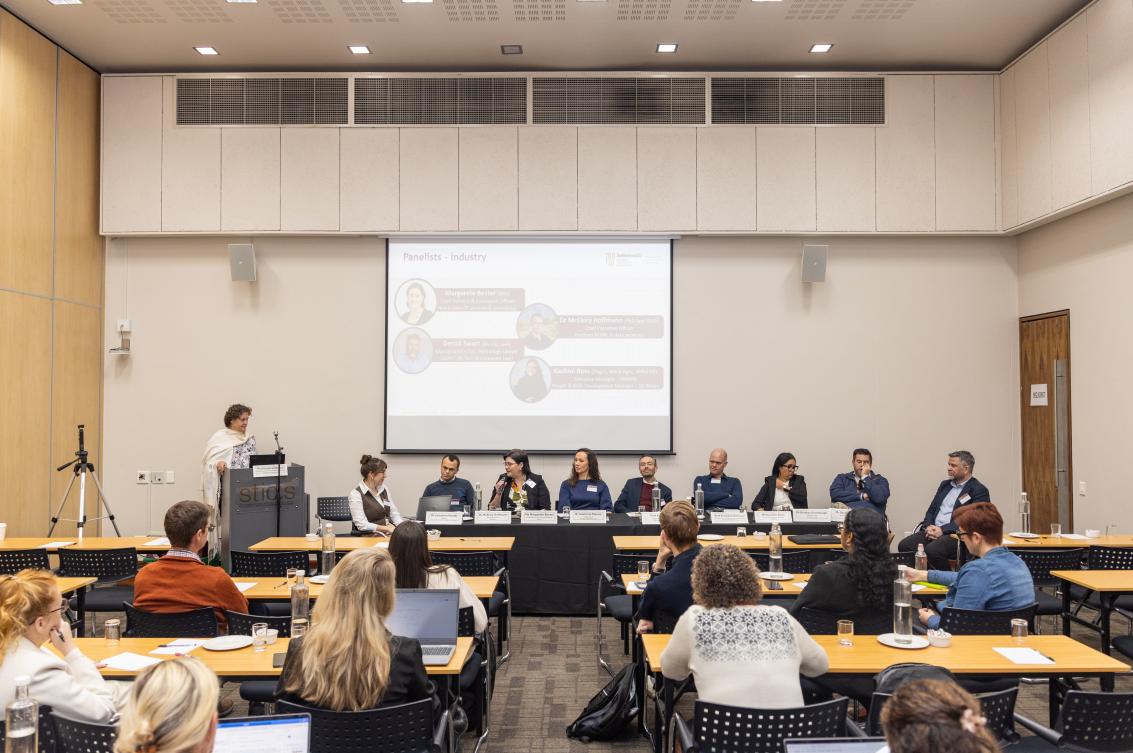
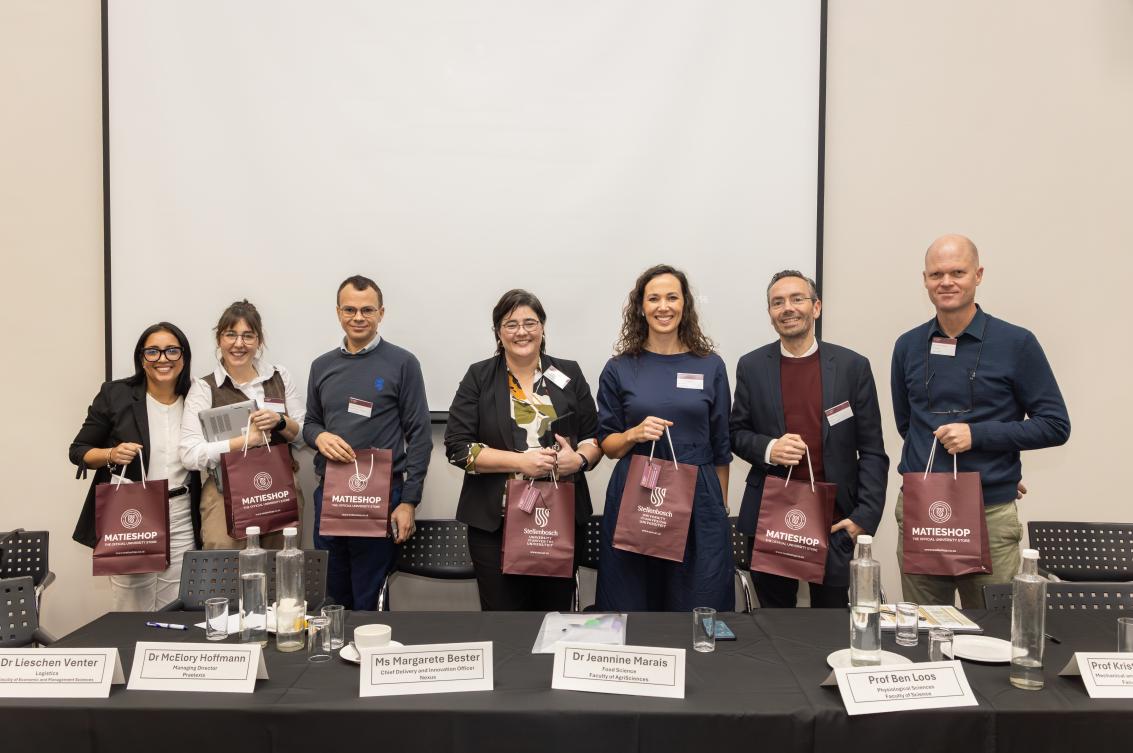
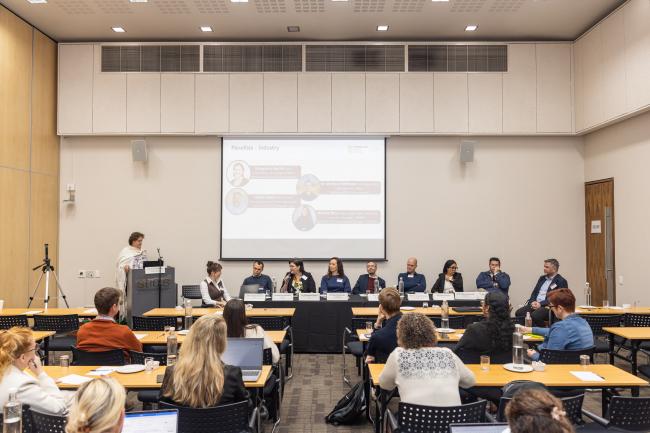
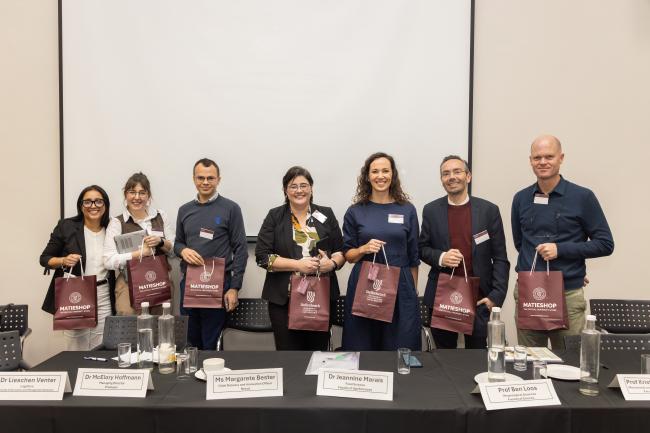
One of the morning panel discussions titled “Fit for What? Rethinking Graduate Readiness in South Africa” examined whether universities are equipping graduates not only with disciplinary expertise, but also with the adaptability, ethical grounding and critical thinking needed in contemporary society.
The discussion brought together academics from several faculties alongside industry representatives from sectors including technology, law and the wine industry. Industry representatives included Margarete Bester, Chief Delivery and Innovation Officer at Nexus; Dr McElory Hoffmann, MD of Praelexis; Kachné Ross, People Development Manager at SA Wine and Dérick Swart, Managing Director of SWART.
At the start, Stevens had reminded the audience that universities increasingly needed to think beyond employability alone: “The question is not simply whether our graduates are employable, but whether they are adaptable, reflective, ethical, collaborative, and capable of contributing meaningfully to society,”
He added that higher education in South Africa carried both local responsibilities and global aspirations. “Universities must prepare graduates not only for the future of work, but also for citizenship, leadership, and participation in building a more just and sustainable society.”
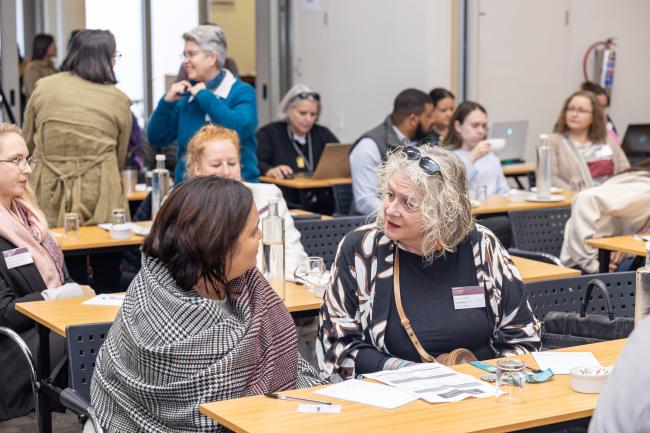
These concerns surfaced repeatedly throughout the programme, including sessions on inclusive teaching, multilingualism in academic spaces, peer learning and classroom wellbeing. Workshops encouraged staff to reflect critically on how students experience learning environments and how universities might create more connected, responsive and participatory spaces.
AI and the ‘thinking student’
The most provocative discussions of the day centred on AI and its implications for learning, assessment and human development.
In the keynote panel discussion, “From Standing Reserve to Human Deepfakes: Reclaiming Learning in an Age of AI”, speakers explored concerns that universities may be rewarding polished performance rather than authentic intellectual engagement.
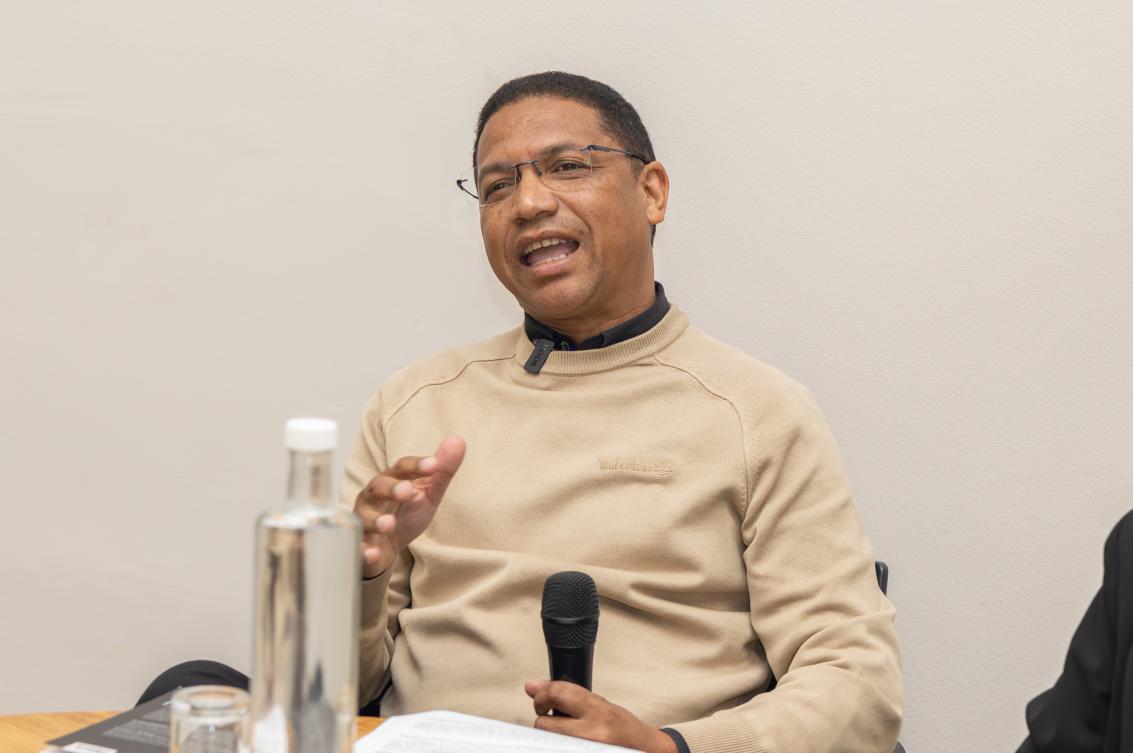
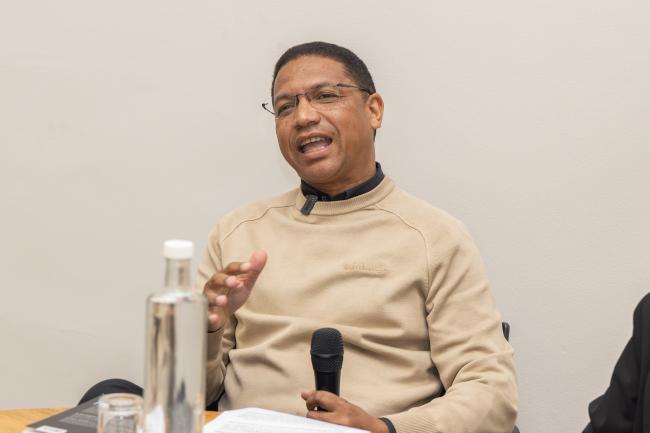
The discussion, facilitated by Dr Hanelie Adendorff from SU’s Centre for Teaching and Learning, drew on philosophical critiques of technology and contemporary higher education. Panellists Prof Oscar Koopman, Vice Dean: Teaching and Learning at SU and Prof Karen Koopman, Associate Professor in Commerce Education at the University of the Western Cape, argued that AI is exposing tensions that already existed long before generative AI entered classrooms.
The panel reflected on concerns about “performing students” who can produce technically competent outputs without deeper engagement, reflection or transformation. Koopman referred to this phenomenon as the ‘disappearing student’. “I am not against AI,” he said. “But are we producing a disappearing student or a thinking student?” He cautioned that AI could dilute the “awakeness” that connects students to the world. The discussion also questioned whether universities have become overly focused on measurable outcomes, efficiency and standardisation at the expense of humanity and meaningful learning.
At the same time, the speakers stressed that the conversation was not anti-technology. Rather, it was about how universities might use AI while still cultivating thinking, presence, ethical awareness and authentic intellectual struggle.
Reimagining the university
Alongside the philosophical debates, the TLA Day also focused strongly on practical innovation in teaching and assessment.
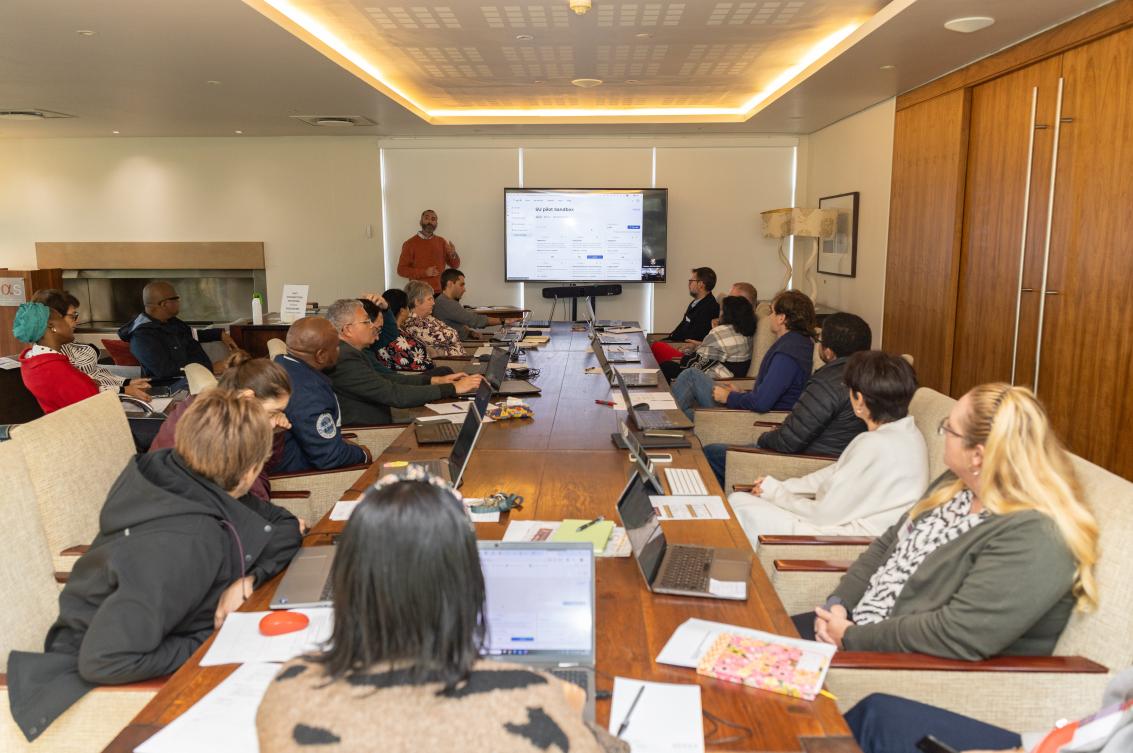
Participants attended workshops on designing globally engaged curricula, writing scholarship of teaching and learning abstracts, using multilingualism to deepen participation and belonging in the classroom and building AI tutors.
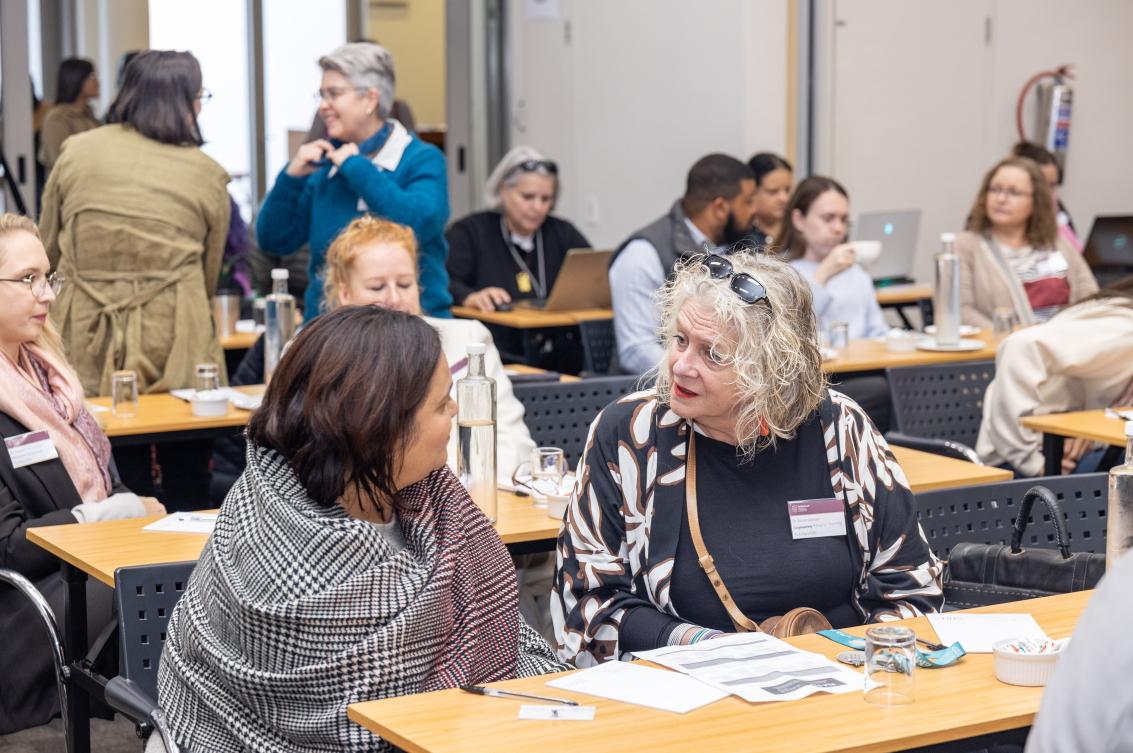
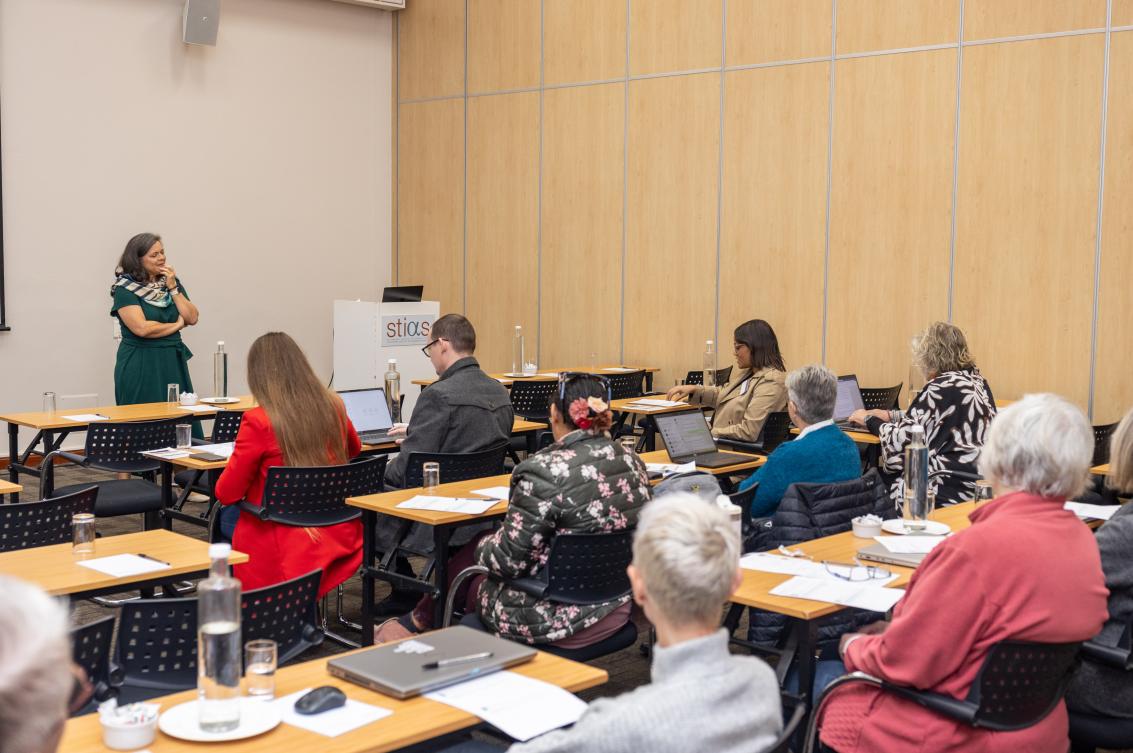
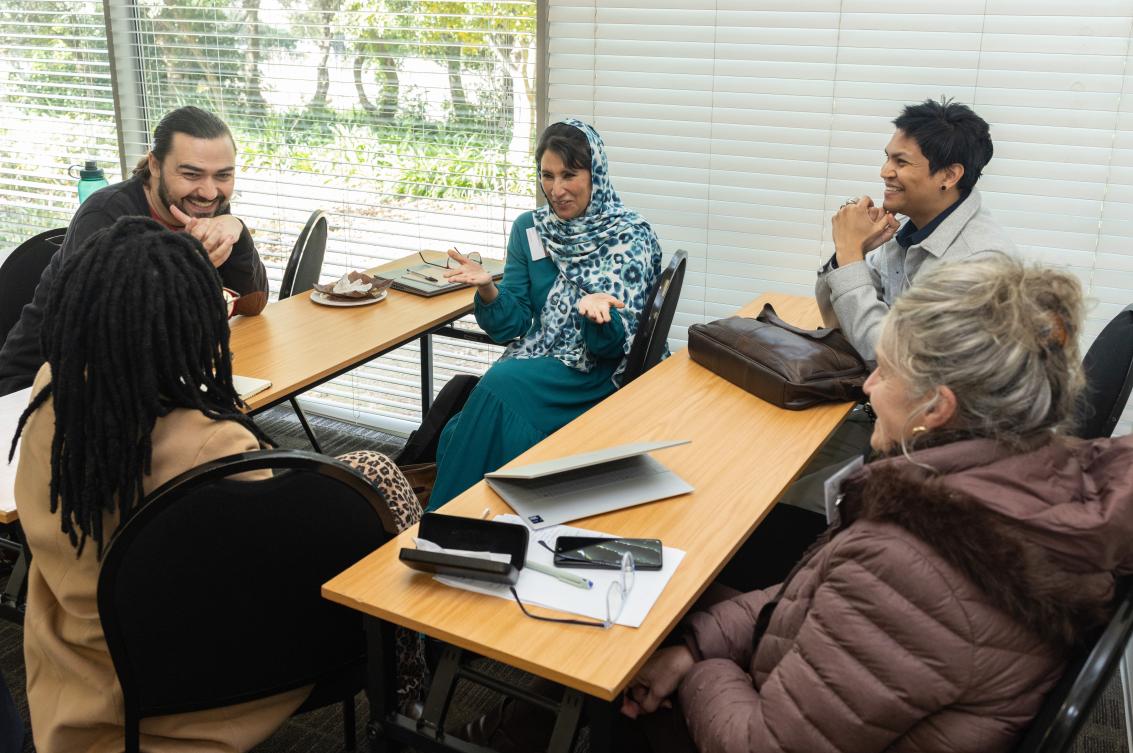
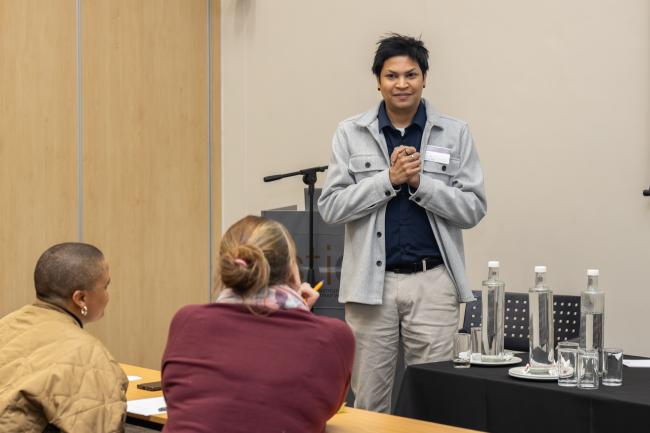
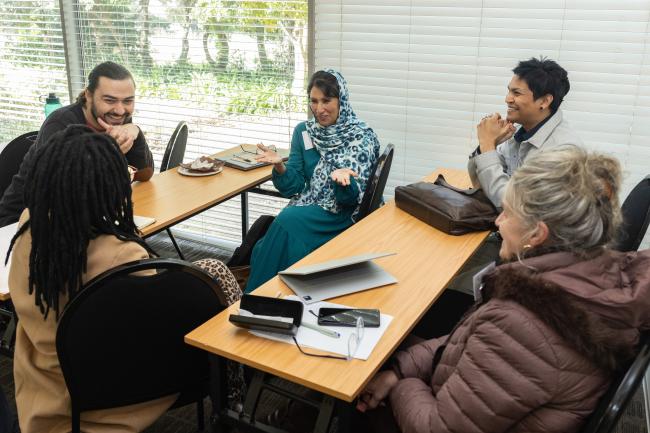
Language plays a fundamental role in shaping how SU’s multilingual student body experience university life. The SU Language Centre facilitated a workshop on multilingual strategies in teaching and learning, where colleagues from different faculties were encouraged to move beyond viewing multilingualism as a ‘problem to be managed’ and instead to recognise it as a pedagogical resource that can deepen learning and strengthen inclusion. Participants engaged with practical classroom scenarios and reflected on how multilingual approaches could support student engagement, conceptual understanding and inclusion across disciplinary contexts.
Several other workshops also emphasised collaboration, reflection and experimentation rather than fixed solutions. In one workshop, staff reflected on their own experiences using generative AI in teaching and assessment, while another explored how peer learning could strengthen curriculum coherence and student success.
Abongile Feni, of the Faculty of AgriSciences, said the discussions highlighted the need to bridge the gap between students, AI and academia. “The student is still there. We have just lost each other because of this new thing (AI).” AI should be seen as an opportunity to learn a new skill, she added.
For Prof Gretha Steenkamp, Deputy Director: Social Impact and Transformation and Associate Professor in Financial Accounting, the challenge lies in encouraging students to actively engage their minds during learning. She emphasised the importance of incorporating a pedagogy of care in education to ensure that students do not disappear from the system when they struggle academically.
Related stories

Institutional news
Celebrating a partnership that invests in Africa's future
As the Gerda Henkel Foundation celebrates its 50th anniversary this year, Stellenbosch University (SU) reflects on the impact of its own decade-long partnership...
Institutional news
Connecting the dots: Prof Liezl van Dyk’s vision as new DVC: Academic
Stellenbosch University’s (SU) new Deputy Vice-Chancellor: Academic, Prof Liezl van Dyk, sees patterns everywhere: in 14-year chapters, prime numbers and the...

Media release
Cape Winelands Airport and SU forge strategic partnership for smart and sustainable development
Cape Winelands Airport and Stellenbosch University (SU) have entered into a cooperation agreement aimed at advancing innovation under the shared themes of...