
Field skills
Field skills are important because they bridge the gap between theory and the reality of Earth system processes. As such, they provide physical context for classroom knowledge.
Practical experience is required for careers in fields such as resource exploration and environmental management as it demonstrates the ability to use field equipment, conduct team projects, and work in challenging conditions.
In our field trips, students learn sampling approaches, make critical observations, and test hypotheses. Students also improve their understanding of mapping complex geological structures, practice multi-dimensional visualisation, and assess environmental challenges, including those inflicted by human activities.
First-year field skills
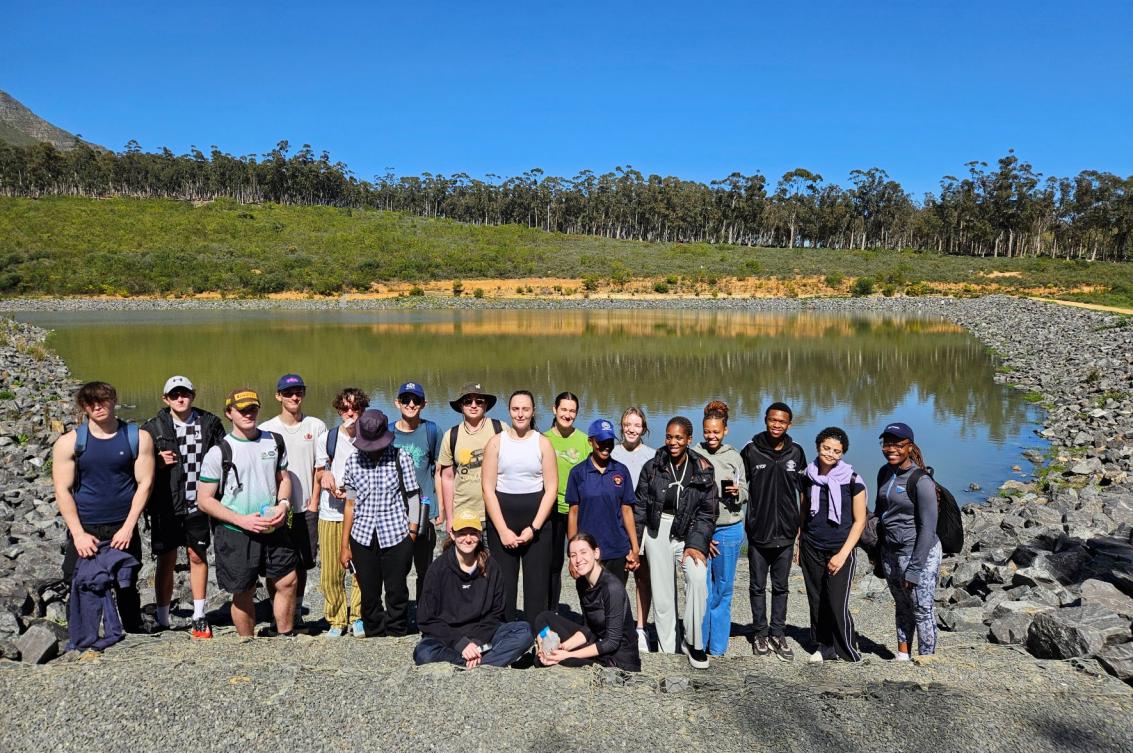
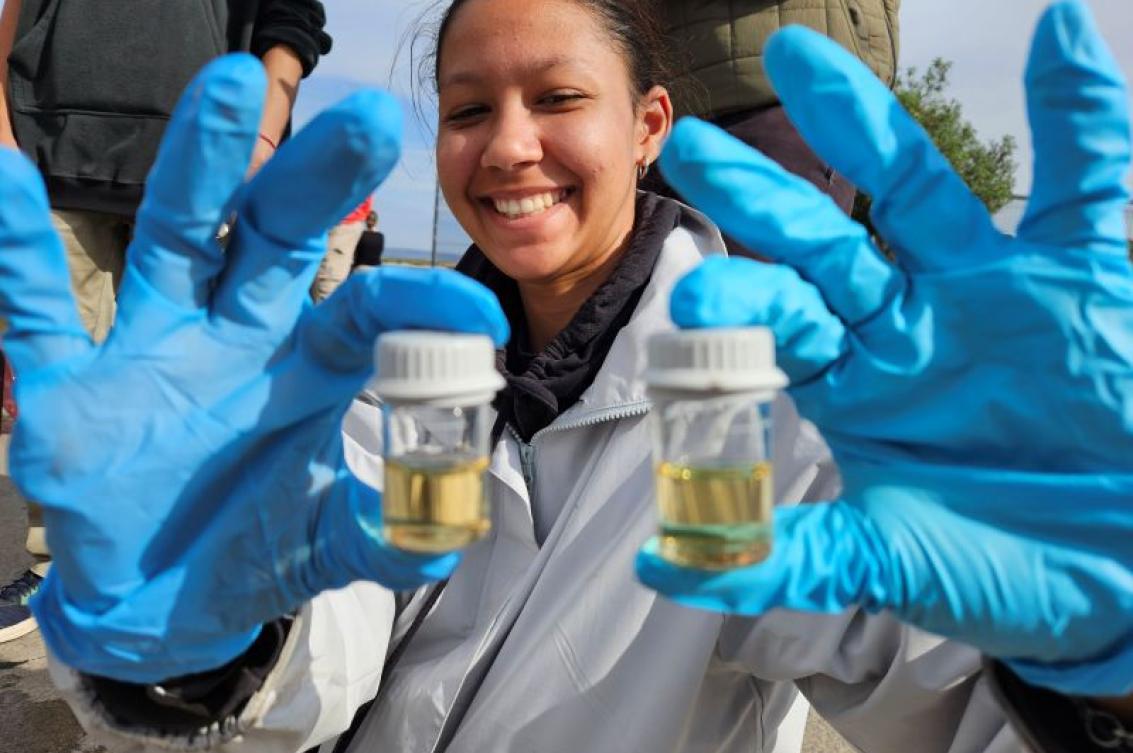
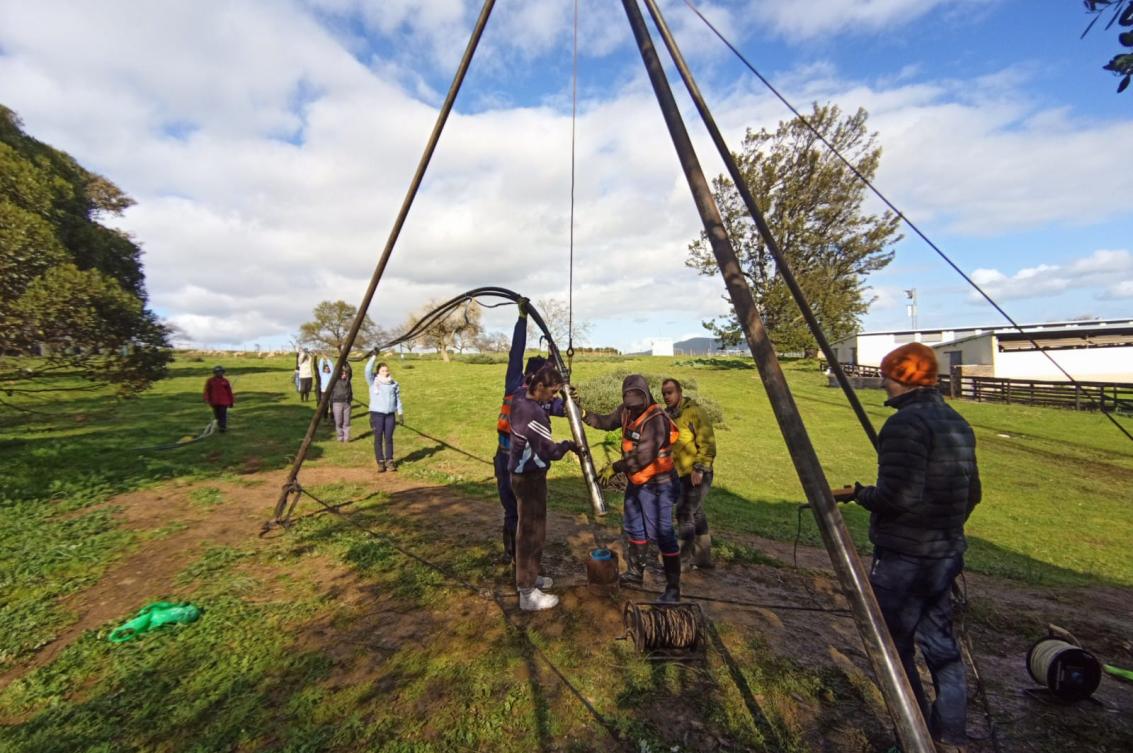
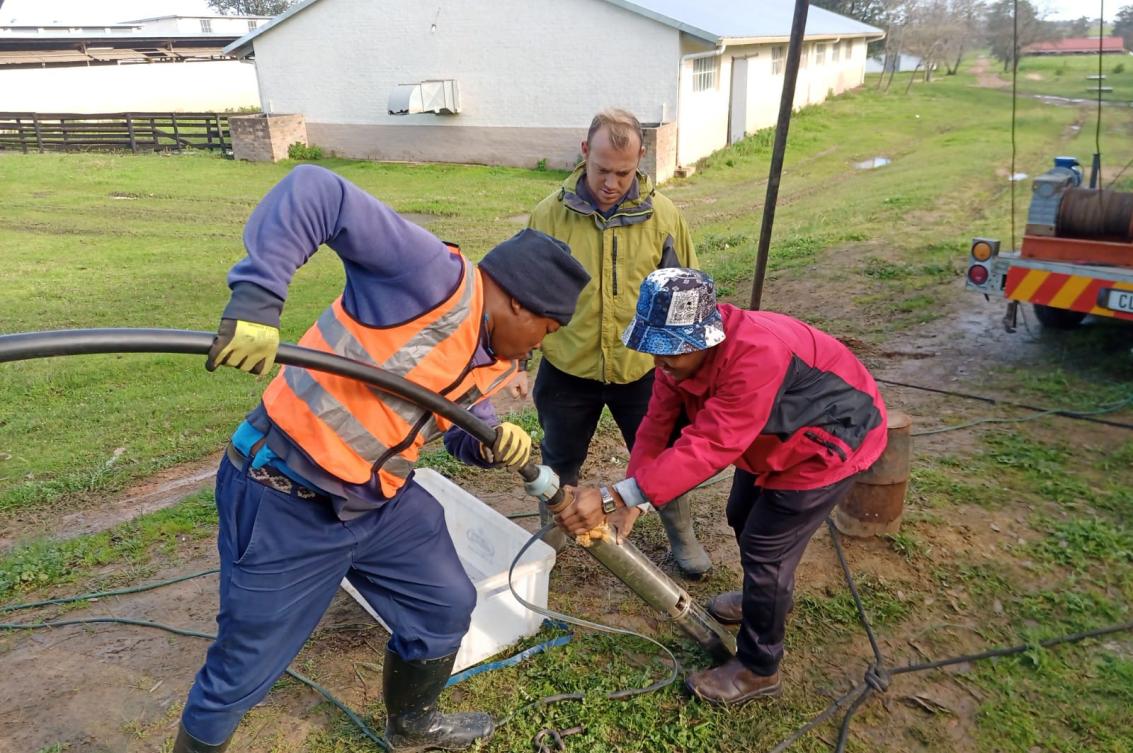
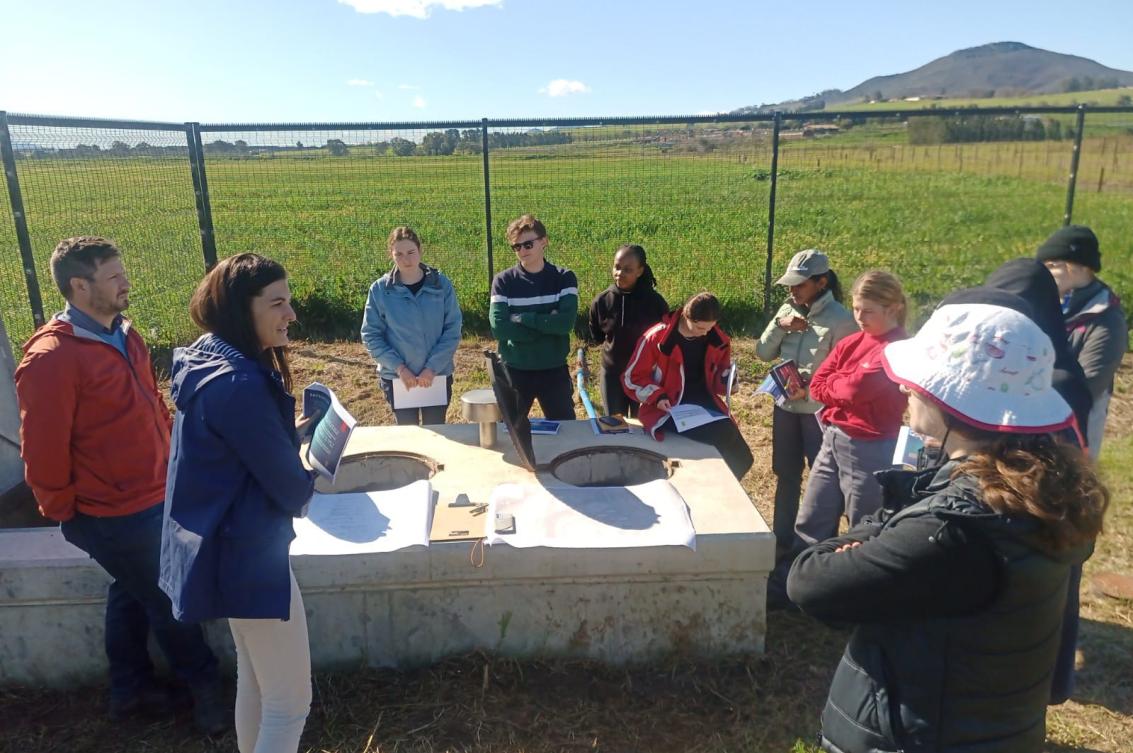
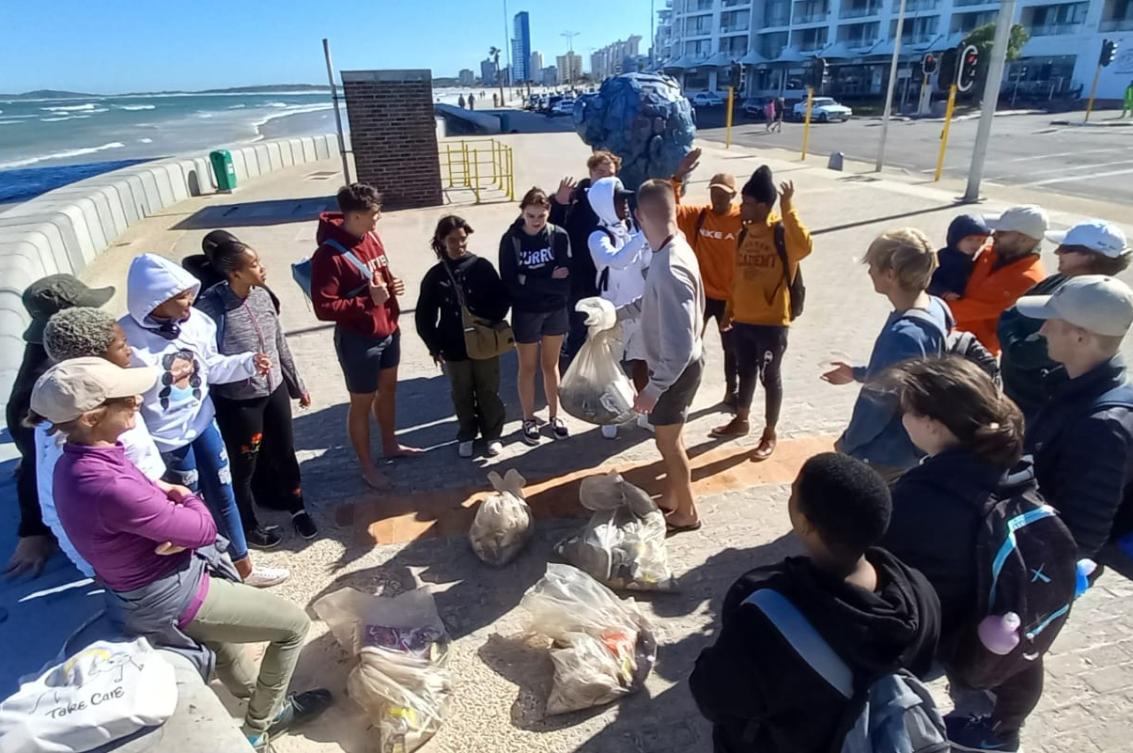
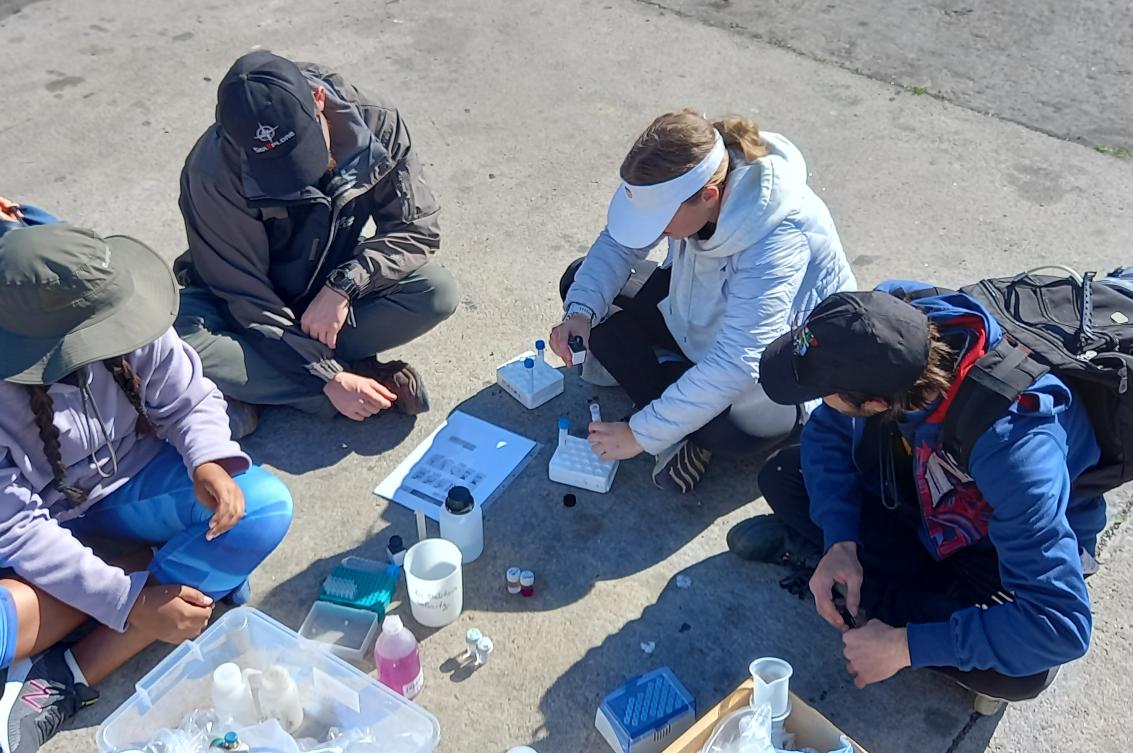
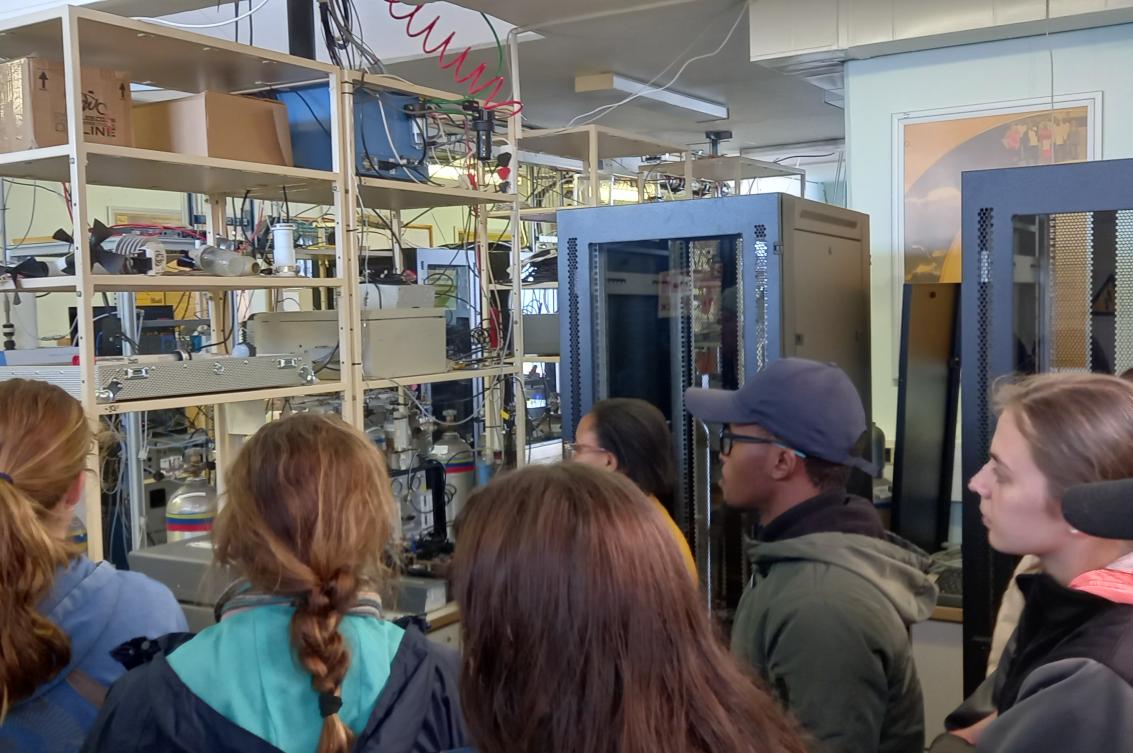
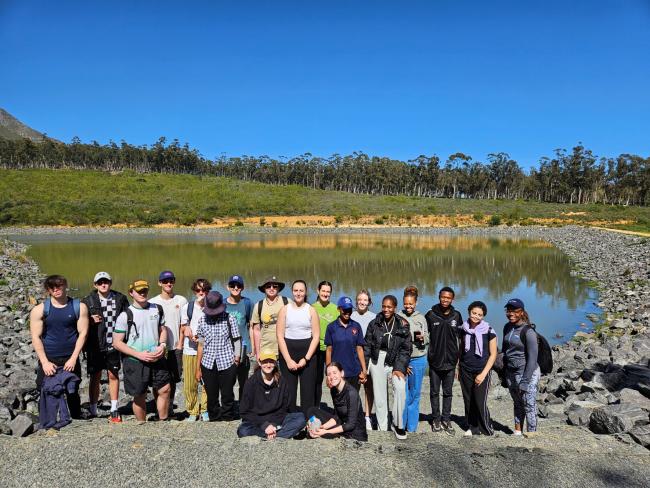
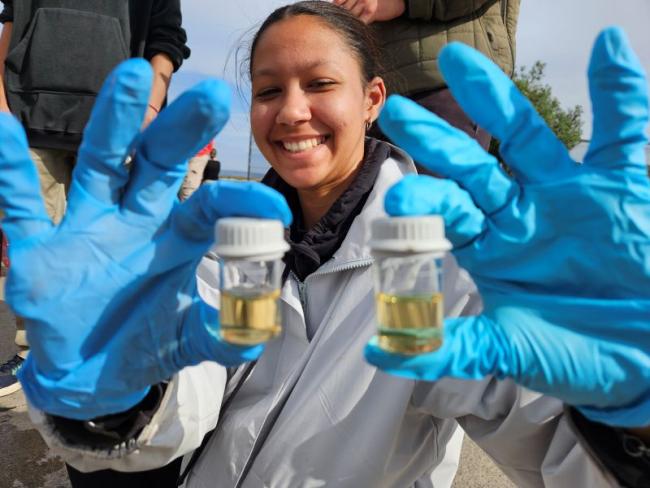
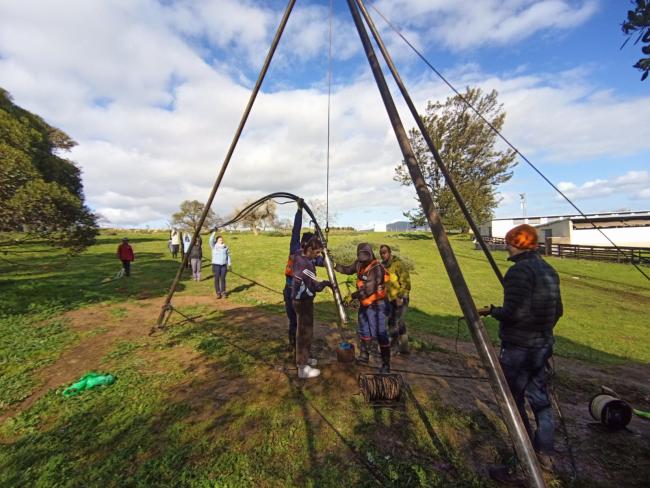
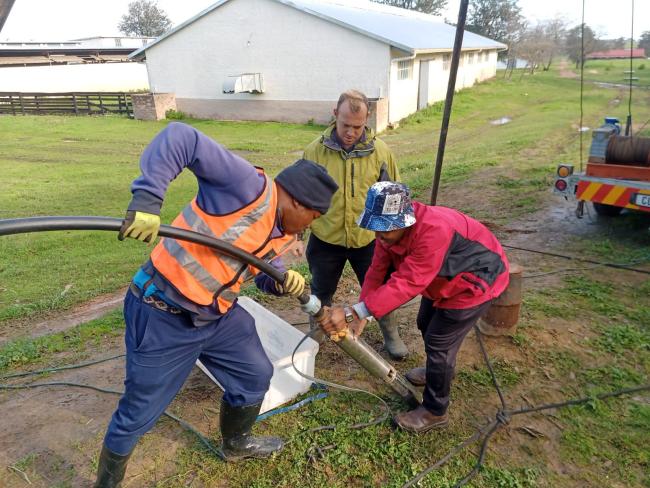
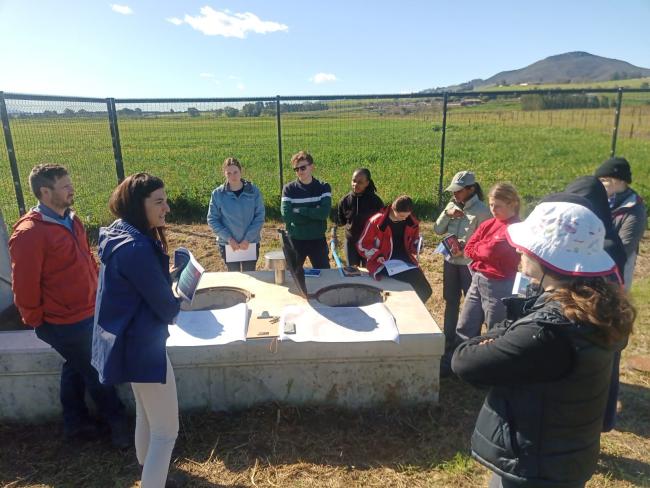
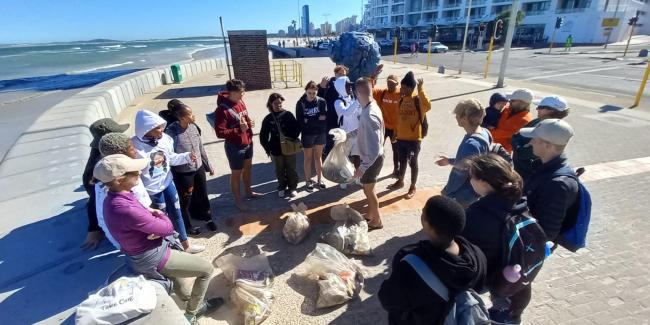
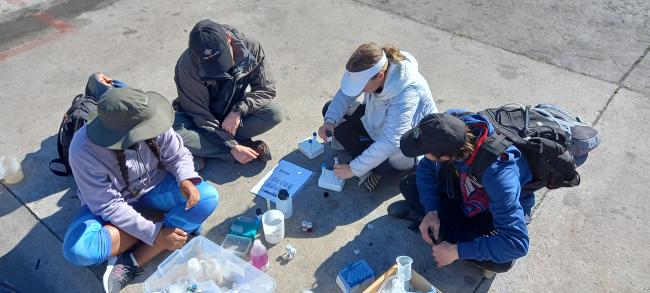
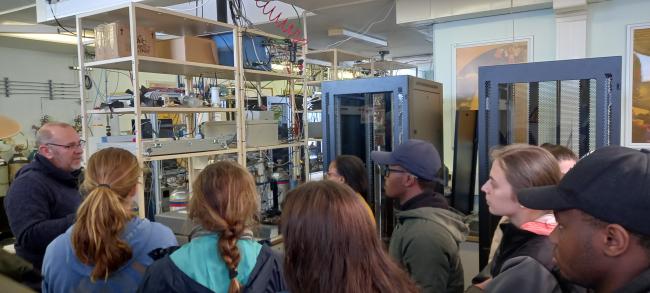
First-year Field Skills (172) introduces students to the fundamental concepts and practical techniques that underpin geological and environmental investigations. Through a combination of guided field trips and hands-on tutorial sessions, students begin to develop essential observational and recording skills in both classroom and field environments. Emphasis is placed on recognising and defining lithological units, understanding map scale, and working effectively with aerial photographs, and GIS platforms. Students are also introduced to basic mineralogy and the identification of sedimentary, metamorphic, and igneous rocks and structures, alongside interpreting their depositional or emplacement significance. In addition, the module fosters an awareness of the natural environment and encourages critical consideration of human impacts on environmental systems, including aspects such as hydrogeology, borehole chemistry, air pollution, marine plastics, and climate change.
Second-year field skills
Second-year Field Skills (271 and 272) build directly on the foundational concepts introduced in first year, expanding students’ practical and observational capabilities in both environmental and applied geoscience settings. Through multi-day field excursions and analytical sessions, students develop core competencies in sample collection, instrument use, rock identification, structural observations, field mapping, and data analysis. At a second-year level, emphasis is on building confidence in the field while learning to collect and interpret meaningful geological and environmental datasets, alongside developing an appreciation of the relationship between surface and subsurface processes.
Third-year field skills
Third-year Field Skills (372 and 374) are designed to test and refine the foundational knowledge gained in earlier years through increasingly independent and critical application in the field. Students are expected to integrate advanced field observations, mapping, structural analysis, and data interpretation into broader geological frameworks, moving beyond data collection toward the synthesis of geological histories and processes across multiple spatial and temporal scales. These modules emphasise observational and critical thinking, problem-solving, and the application of field-derived results to wider geological and Earth system processes.
Honours
At Honours level, students spend several days in the field across multiple modules, including a week-long hydrogeology course, and visit major surface and underground mining operations, significant geological features, and heritage sites on a two-week tour across the country.