
AI in doctoral research
forward together ● sonke siya phambili ● saam vorentoe

AI is reshaping the future of health research, creating new opportunities to accelerate discovery, analyse complex data, and address healthcare and higher education challenges.
On this page, we'll be highlighting the work of three FMHS doctoral researchers who are incorporating artificial intelligence (AI) into their research in different ways. Their stories illustrate the value of AI as a research tool, but also the curiosity, critical thinking, skill building, and responsible scholarship required to use these technologies effectively. First among them is Jodie Layman Lemphane.
Dedicated to the education of Anatomy, Jodie Layman Lemphane's study probes how generative AI is fostering agency, influencing interactions, and intersecting with the ways in which staff and students navigate transformative learning. She is enrolled for a PhD in Anatomy in the FMHS.
We invite doctoral researchers in the FMHS to learn more about their research journeys, the opportunities and challenges they have encountered, and their perspectives on the future of health research - in the hope that you will be inspired to develop your own critical literacy and skill in this field.
From Anatomy Educator to Researcher: Jodie Lemphane's Journey with AI
As generative artificial intelligence reshapes higher education and health sciences, researchers are increasingly exploring how these technologies can be used responsibly and effectively.
Liela Groenewald, Head of the Tygerberg Doctoral Office at Stellenbosch University's Faculty of Medicine and Health Sciences, recently spoke to Jodie Layman Lemphane, a Lecturer in Anatomy and Histology and PhD candidate whose research explores the intersection of anatomy education and artificial intelligence.
Please share a little about yourself and what sparked your interest in your field of research.
"I am a Lecturer in Anatomy and Histology at Stellenbosch University and a PhD candidate with a strong interest in anatomy education. My research sits at the intersection of anatomy education, educational technology, and artificial intelligence.
"I have always been fascinated by how students learn complex scientific concepts and how educators can create meaningful learning experiences that promote understanding rather than memorisation. This curiosity led me to explore innovative teaching approaches and, more recently, the role of AI in supporting teaching, learning, assessment, and research in the health sciences," she said.
How did AI become part of your research journey?
"My interest in AI developed as generative AI tools became increasingly accessible to students and academics. Rather than viewing AI solely as a challenge for higher education, I became interested in understanding how it could be used responsibly to enhance learning and research.
"During my PhD, I began investigating AI literacy in higher education and exploring how students engage with generative AI in anatomy assessments. This work expanded into examining the opportunities, risks, and ethical considerations associated with AI use in health professions education and research," Lemphane said.
Can you describe a moment when AI made a meaningful difference in your research?
"One of the most meaningful ways AI has supported my research has been during qualitative data analysis and the development of research instruments. AI tools have helped me rapidly explore emerging literature, refine interview questions, identify potential themes, and critically reflect on my analytical decisions.
"Rather than replacing scholarly judgement, AI has functioned as a thought partner that accelerates routine tasks and allows me to spend more time engaging deeply with the data and interpreting findings. This has been particularly valuable in managing multiple research projects while balancing teaching and supervision responsibilities," she said.
What challenges or pitfalls have you encountered along the way?
"One of the biggest challenges has been ensuring that AI-generated outputs are accurate, trustworthy, and appropriately contextualised. AI can sometimes produce convincing but incorrect information, making critical evaluation essential.
"Another challenge has been navigating ethical questions related to transparency, academic integrity, authorship, and responsible use. Working in health sciences requires a particularly cautious approach because decisions and conclusions can have real-world implications for education and healthcare practice," she said.
What have you learned about using AI responsibly and effectively?
"I have learned that AI is most valuable when it complements human expertise rather than replacing it. Effective use requires critical thinking, subject knowledge, and ongoing verification of outputs.
"Transparency about how AI is used, careful consideration of ethical implications, and maintaining human oversight throughout the research process are all essential. I have also learned that developing AI literacy is becoming an important skill for both researchers and students in higher education," Lemphane said.
What excites you most about the future of AI in health research?
"I am particularly excited about AI's potential to enhance teaching, learning and research. In health research, especially in Africa, AI has the potential to help researchers identify patterns, accelerate discovery, and support more informed decision-making if we can put the necessary infrastructure and human capacity in place.
"I believe the most exciting opportunities will emerge if AI is appropriately combined with human expertise, ethical governance, and transdisciplinary collaboration — together we will move faster. The future lies not in AI replacing researchers or educators, but in empowering researchers and supporting educators to perform their roles," Lemphane concluded.
Jodie Lemphane is supervised by Prof Nadine Rampf towards her PhD in Anatomy at the Stellenbosch University, Faculty of Medicine and Health Sciences.
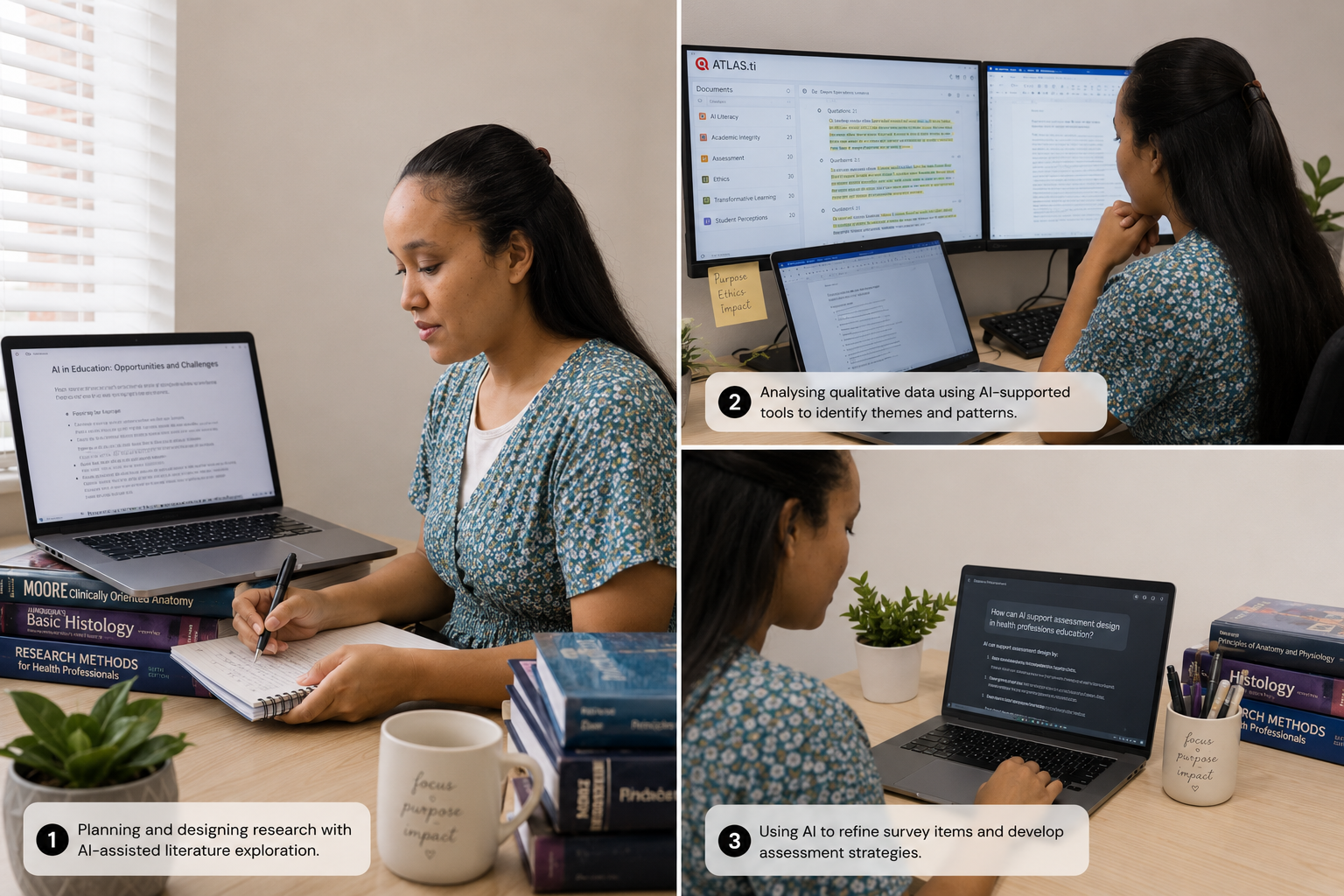
Image by: Jodie Lemphane with ChatGPT
|
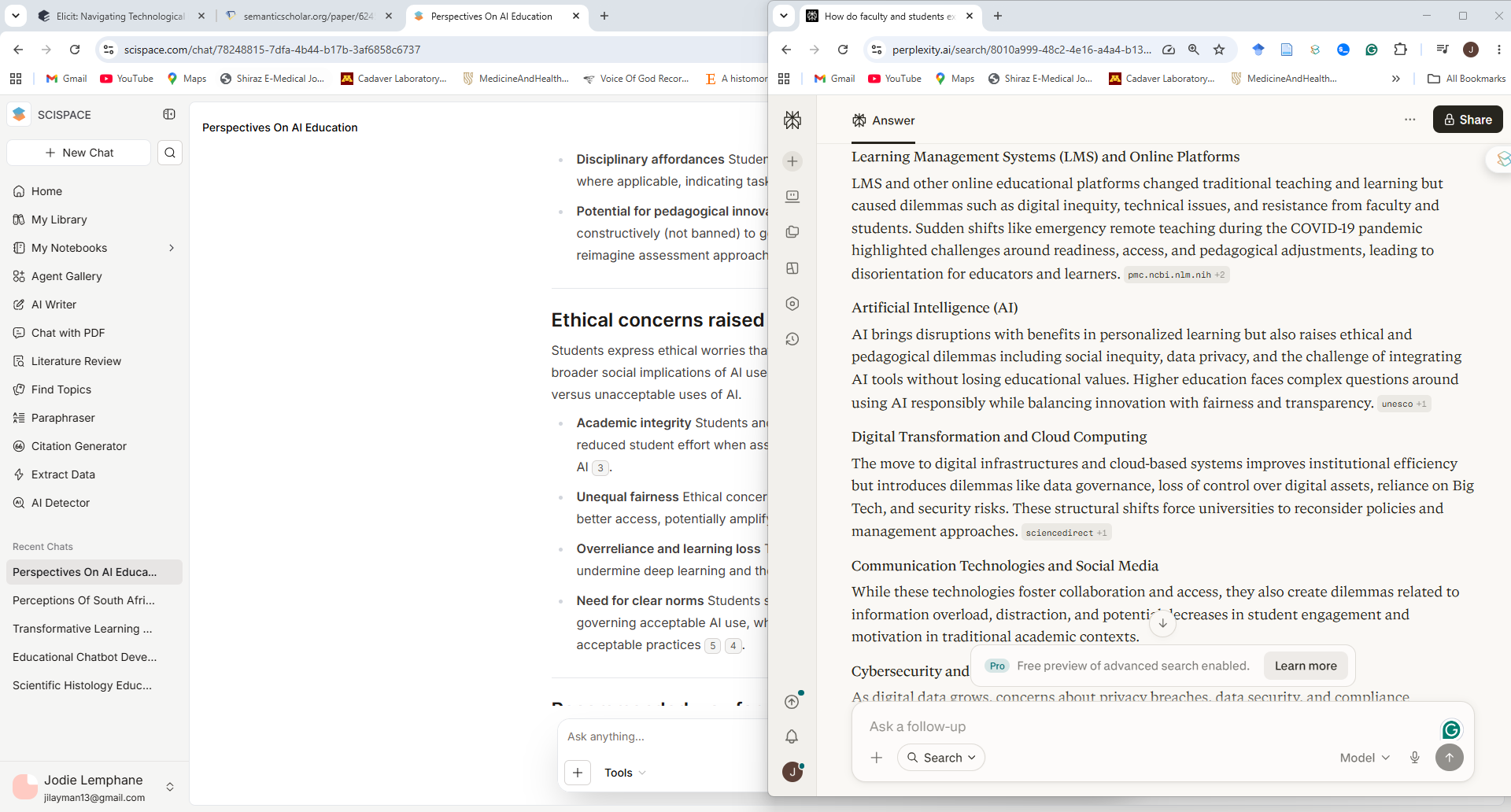
Image by: Jodie Lemphane
|
AI is reshaping the future of health research, creating new opportunities to accelerate discovery, analyse complex data, and address healthcare and higher education challenges.
This page highlights the work of doctoral researchers who are incorporating artificial intelligence (AI) into their research in different ways. Their stories illustrate the value of AI as a research tool, but also the curiosity, critical thinking, skill building, and responsible scholarship required to use these technologies effectively. This week, we showcase the project by Adriaan Meyer.
We invite doctoral researchers in the FMHS to learn more about their research journeys, the opportunities and challenges they have encountered, and their perspectives on the future of health research - in the hope that you will be inspired to develop your own critical literacy and skill in this field.
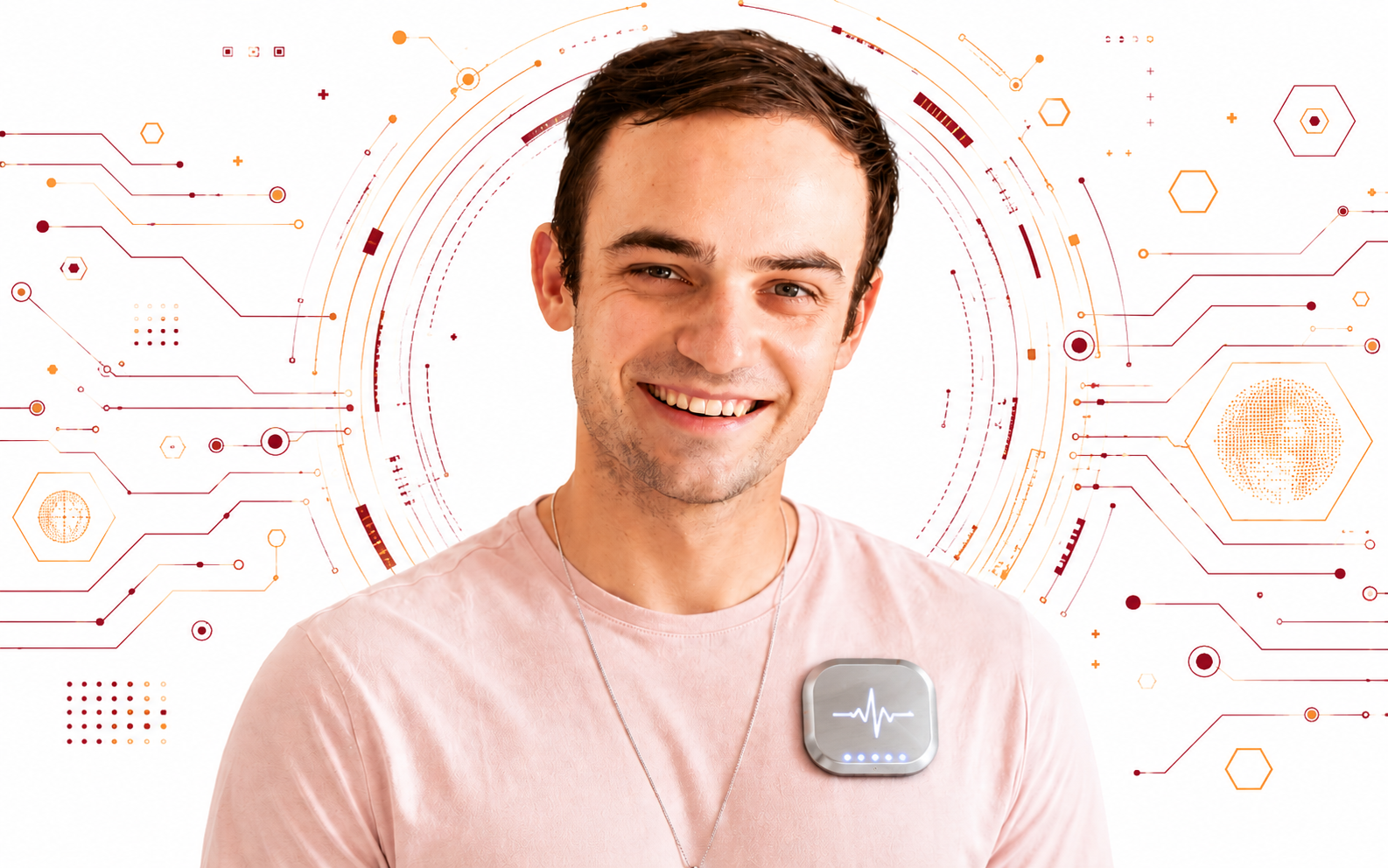
Centred on the intersection of HIV and chronic disease, Adriaan Meyer's doctoral research explores the use of machine learning to build a risk prediction model for cardiometabolic disease in individuals receiving HIV treatment. He is a PhD candidate in Medical Physiology in the FMHS.
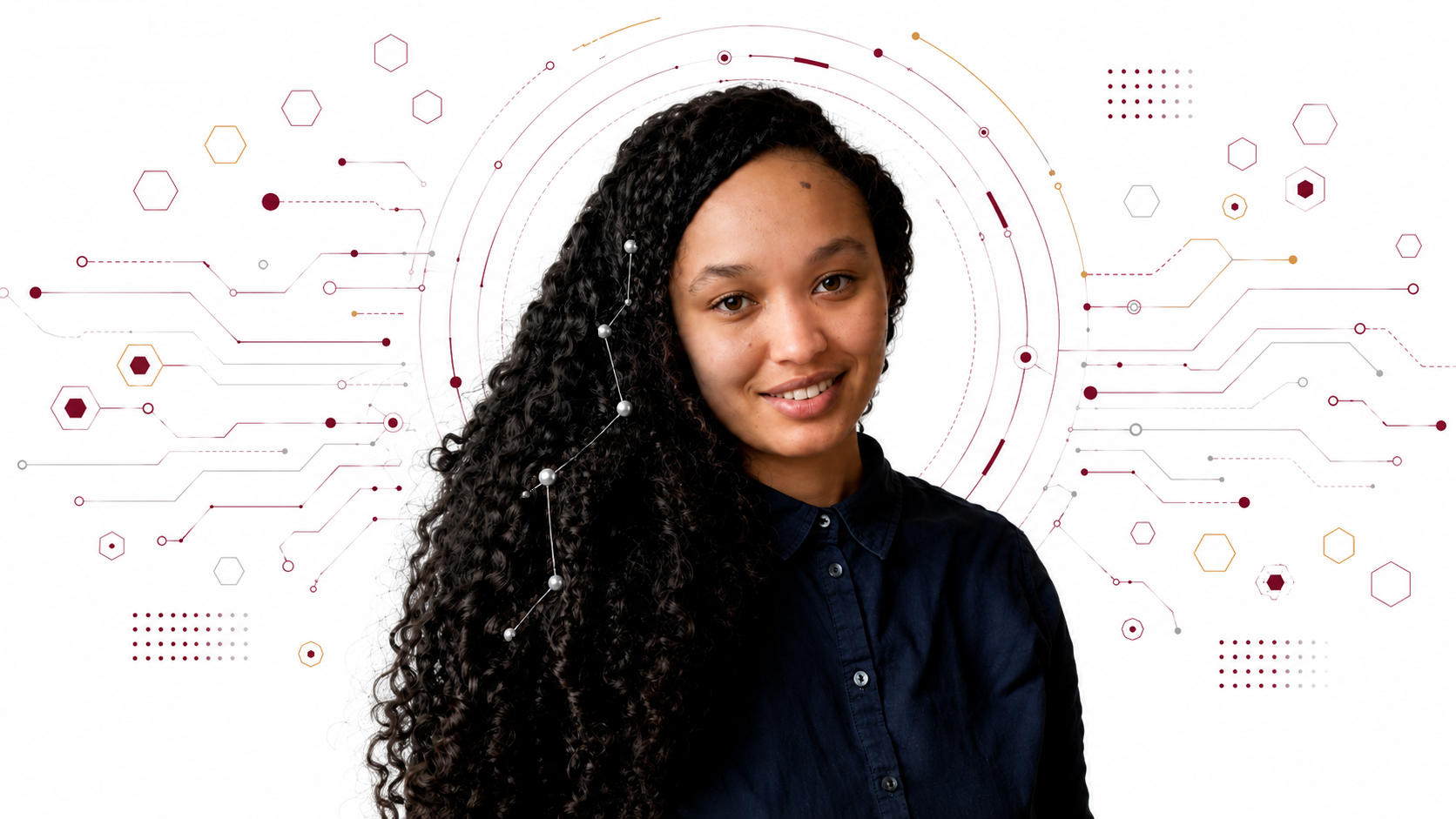
Dedicated to the education of Anatomy, Jodie Layman Lemphane's study probes how generative AI is fostering agency, influencing interactions, and intersecting with the ways in which staff and students navigate transformative learning. She is enrolled for a PhD in Anatomy in the FMHS.
Enlisting Machine Learning to Predict Cardiometabolic Risk in People Living with HIV
As people living with HIV are living longer and healthier lives because of advances in treatment, attention is increasingly turning to the long-term health challenges they may face. One of these is cardiometabolic disease, a growing concern that can significantly affect quality of life and health outcomes. Adriaan Meyer, a doctoral researcher in the Division of Medical Physiology at Stellenbosch University's Faculty of Medicine and Health Sciences, is exploring how machine learning can help identify individuals at increased risk earlier and more accurately.
His PhD research seeks to develop a cardiometabolic risk-prediction model for people living with HIV who are receiving antiretroviral therapy. By combining a range of biological and clinical indicators, the study aims to investigate whether artificial intelligence can contribute to more personalised approaches to prevention, monitoring, and care.
Liela Groenewald of the Doctoral Office, Tygerberg, asked Meyer to share more about his research journey, how AI became part of his work, and what he sees as the future of these technologies in health research. Read more below.
Please share a little about yourself and what sparked your interest in your field of research?
"I am currently a PhD candidate in the Division of Medical Physiology, Faculty of Medicine and Health Sciences, at Stellenbosch University."
"While working as a Medical Laboratory Scientist, my curiosity about medical-based questions motivated me to pursue my postgraduate studies. During my MSc degrees, I became more exposed to research and quickly realised how much I enjoyed it."
"I was fascinated by the process of asking questions, challenging assumptions, and using research to move closer to the ground truth. I believe research provides a meaningful way for me to contribute to the healthcare sector and society, while also allowing me to pursue a career that gives me a sense of purpose."
How did AI become part of your research journey?
Meyer says his route into data science emerged from biomedical research rather than a traditional computing background.
"My introduction to Data Science did not start with Computer Science, but rather through biomedical research."
"During my bachelor's and later master's research, I became increasingly exposed to sophisticated datasets and realised the importance of improving my statistical skills. This motivated me to explore Data Science more broadly."
"I later started learning basic Python programming and machine learning concepts, including completing the IBM Data Science Professional Certificate," he says.
Can you describe a moment when AI made a meaningful difference in your research?
Although the study is still at an early stage, Meyer is already focused on its potential impact.
"My project is still in its early phase, but I am hoping to develop an 18-month cardiometabolic risk-prediction model for people living with HIV who are receiving antiretroviral therapy. This model will be based on a range of biochemical, hormonal, immunological, and anthropometric variables, with the most statistically relevant markers being used for the prediction model."
"If successful, this work could help identify individuals at increased risk of cardiometabolic disease earlier, allowing for a more personalised approach to treatment, monitoring, and prevention," Meyer explains.
What challenges or pitfalls have you encountered along the way?
Like many researchers working with AI and machine learning, Meyer has found that the quality of the data is often the greatest determinant of success.
"One of the main challenges I have experienced with AI/ML is that it is highly dependent on the quality and structure of the data. In biomedical research, datasets can be complex, often containing missing values, outliers, small sample sizes, and variables that may overlap biologically."
"I have also learned that model interpretation is a major challenge, as a model may identify patterns that are statistically useful but not necessarily clinically meaningful," he notes.
What have you learned about using AI responsibly and effectively?
Meyer believes responsible implementation requires a solid understanding of both the strengths and limitations of AI.
"I believe that we should be careful when incorporating AI into the healthcare sector, especially when there is limited understanding of how these tools work."
"Although AI has great potential, there remains a knowledge gap among many researchers regarding the principles behind machine-learning models, their limitations, and when they should or should not be used. This is especially important in healthcare, where model outputs may influence research interpretation, clinical decision-making, or patient care."
"These tools can be extremely valuable, but they must be used with caution and should rather serve as guidance to support decision-making, instead of replacing clinicians and scientists," Meyer says.
What excites you most about the future of AI in health research?
Looking ahead, Meyer believes the field is only beginning to realise the potential of AI and machine learning in healthcare research.
"There's still so much potential in using these tools in the healthcare sector, especially in research. I believe the next few months to years will be interesting, as we begin to see how AI/ML tools are applied more widely in health research. For this reason, I think we should embrace these tools rather than avoid them," Meyer says.
Adriaan Meyer is supervised by Prof Hans Strijdom, Dr Amanda Genis, and Prof Rensu Theart towards his PhD in Medical Physiology at the Stellenbosch University, Faculty of Medicine and Health Sciences.
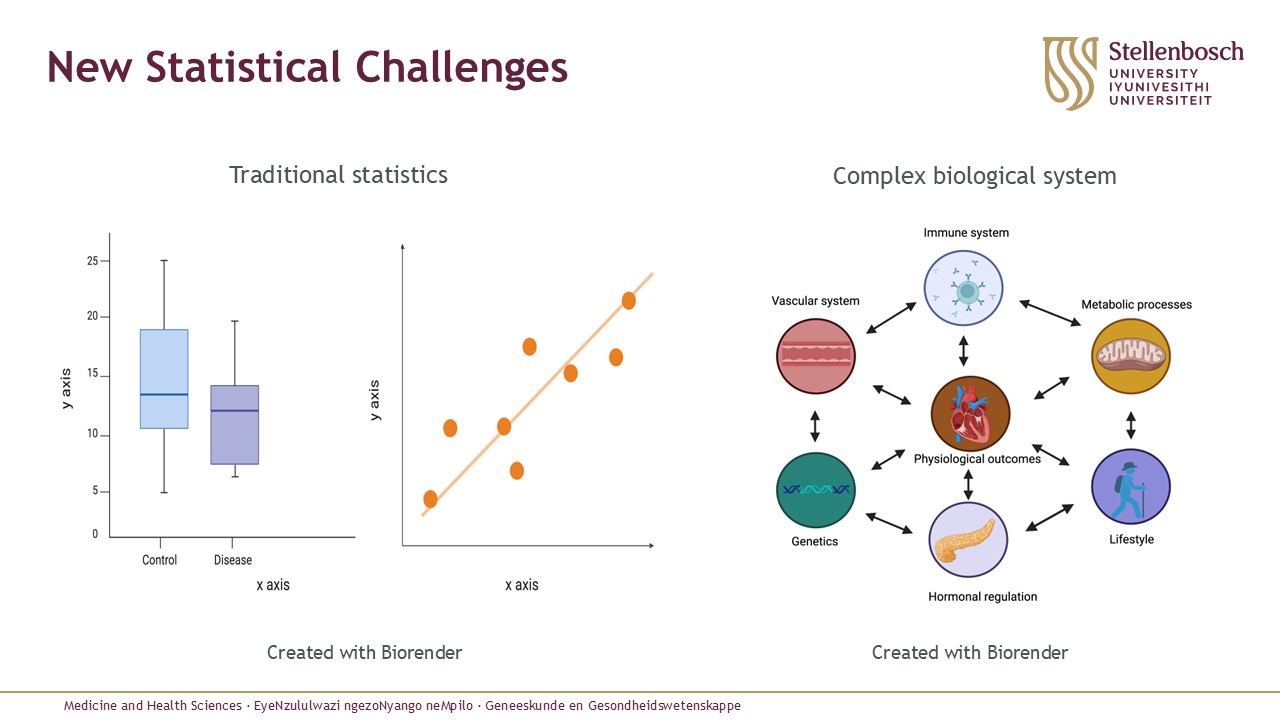
Image by: Adriaan Meyer
|
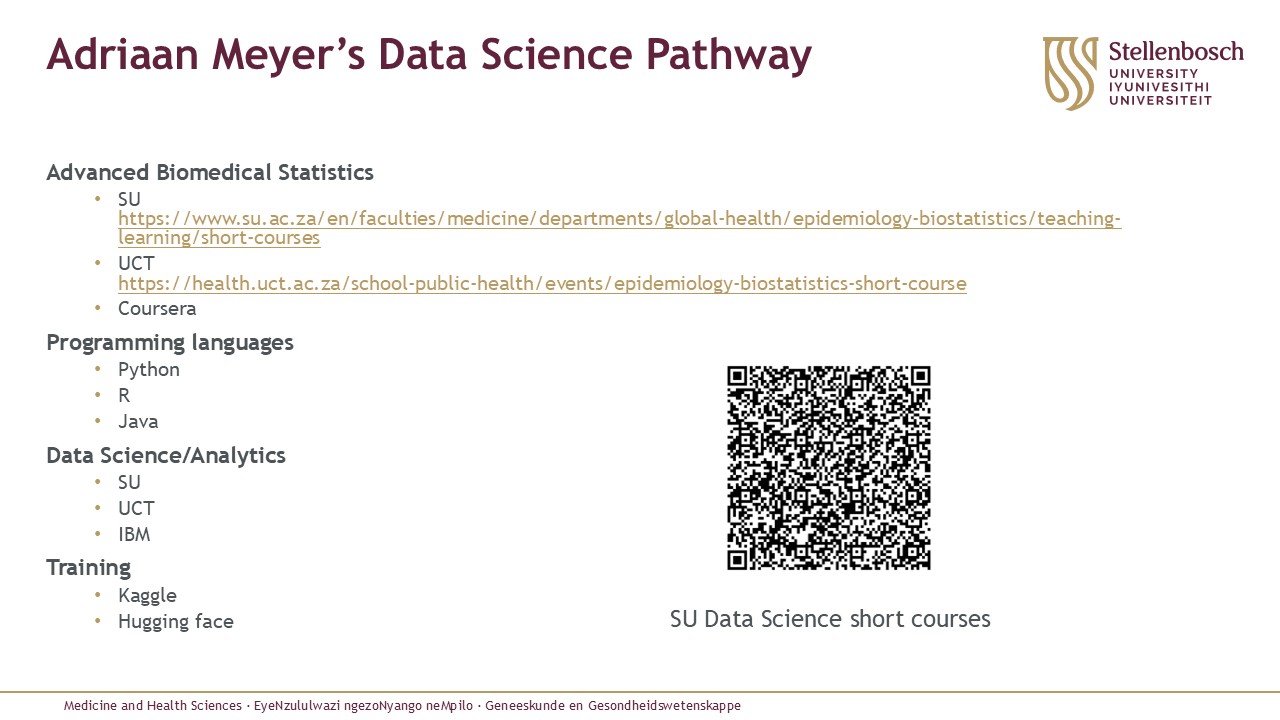
Image by: Adriaan Meyer
|
From Anatomy Educator to Researcher: Jodie Lemphane's Journey with AI
As generative artificial intelligence reshapes higher education and health sciences, researchers are increasingly exploring how these technologies can be used responsibly and effectively.
Liela Groenewald, Head of the Tygerberg Doctoral Office at Stellenbosch University's Faculty of Medicine and Health Sciences, recently spoke to Jodie Layman Lemphane, a Lecturer in Anatomy and Histology and PhD candidate whose research explores the intersection of anatomy education and artificial intelligence.
Please share a little about yourself and what sparked your interest in your field of research.
"I am a Lecturer in Anatomy and Histology at Stellenbosch University and a PhD candidate with a strong interest in anatomy education. My research sits at the intersection of anatomy education, educational technology, and artificial intelligence.
"I have always been fascinated by how students learn complex scientific concepts and how educators can create meaningful learning experiences that promote understanding rather than memorisation. This curiosity led me to explore innovative teaching approaches and, more recently, the role of AI in supporting teaching, learning, assessment, and research in the health sciences," she said.
How did AI become part of your research journey?
"My interest in AI developed as generative AI tools became increasingly accessible to students and academics. Rather than viewing AI solely as a challenge for higher education, I became interested in understanding how it could be used responsibly to enhance learning and research.
"During my PhD, I began investigating AI literacy in higher education and exploring how students engage with generative AI in anatomy assessments. This work expanded into examining the opportunities, risks, and ethical considerations associated with AI use in health professions education and research," Lemphane said.
Can you describe a moment when AI made a meaningful difference in your research?
"One of the most meaningful ways AI has supported my research has been during qualitative data analysis and the development of research instruments. AI tools have helped me rapidly explore emerging literature, refine interview questions, identify potential themes, and critically reflect on my analytical decisions.
"Rather than replacing scholarly judgement, AI has functioned as a thought partner that accelerates routine tasks and allows me to spend more time engaging deeply with the data and interpreting findings. This has been particularly valuable in managing multiple research projects while balancing teaching and supervision responsibilities," she said.
What challenges or pitfalls have you encountered along the way?
"One of the biggest challenges has been ensuring that AI-generated outputs are accurate, trustworthy, and appropriately contextualised. AI can sometimes produce convincing but incorrect information, making critical evaluation essential.
"Another challenge has been navigating ethical questions related to transparency, academic integrity, authorship, and responsible use. Working in health sciences requires a particularly cautious approach because decisions and conclusions can have real-world implications for education and healthcare practice," she said.
What have you learned about using AI responsibly and effectively?
"I have learned that AI is most valuable when it complements human expertise rather than replacing it. Effective use requires critical thinking, subject knowledge, and ongoing verification of outputs.
"Transparency about how AI is used, careful consideration of ethical implications, and maintaining human oversight throughout the research process are all essential. I have also learned that developing AI literacy is becoming an important skill for both researchers and students in higher education," Lemphane said.
What excites you most about the future of AI in health research?
"I am particularly excited about AI's potential to enhance teaching, learning and research. In health research, especially in Africa, AI has the potential to help researchers identify patterns, accelerate discovery, and support more informed decision-making if we can put the necessary infrastructure and human capacity in place.
"I believe the most exciting opportunities will emerge if AI is appropriately combined with human expertise, ethical governance, and transdisciplinary collaboration — together we will move faster. The future lies not in AI replacing researchers or educators, but in empowering researchers and supporting educators to perform their roles," Lemphane concluded.
Jodie Lemphane is supervised by Prof Nadine Rampf towards her PhD in Anatomy at the Stellenbosch University, Faculty of Medicine and Health Sciences.
|
Image by: Jodie Lemphane with ChatGPT
|
Image by: Jodie Lemphane
|
AI is reshaping the future of health research, creating new opportunities to accelerate discovery, analyse complex data, and address healthcare and higher education challenges.
This page highlights the work of three FMHS doctoral researchers - Jodie Lemphane, Adriaan Meyer, and Stephen Chanda - who are incorporating artificial intelligence (AI) into their research in different ways. Their stories illustrate the value of AI as a research tool, but also the curiosity, critical thinking, skill building, and responsible scholarship required to use these technologies effectively. This week, we showcase the research planned by Dr Stephen Chanda.
We invite doctoral researchers in the FMHS to learn more about their research journeys, the opportunities and challenges they have encountered, and their perspectives on the future of health research - in the hope that you will be inspired to develop your own critical literacy and skill in this field.
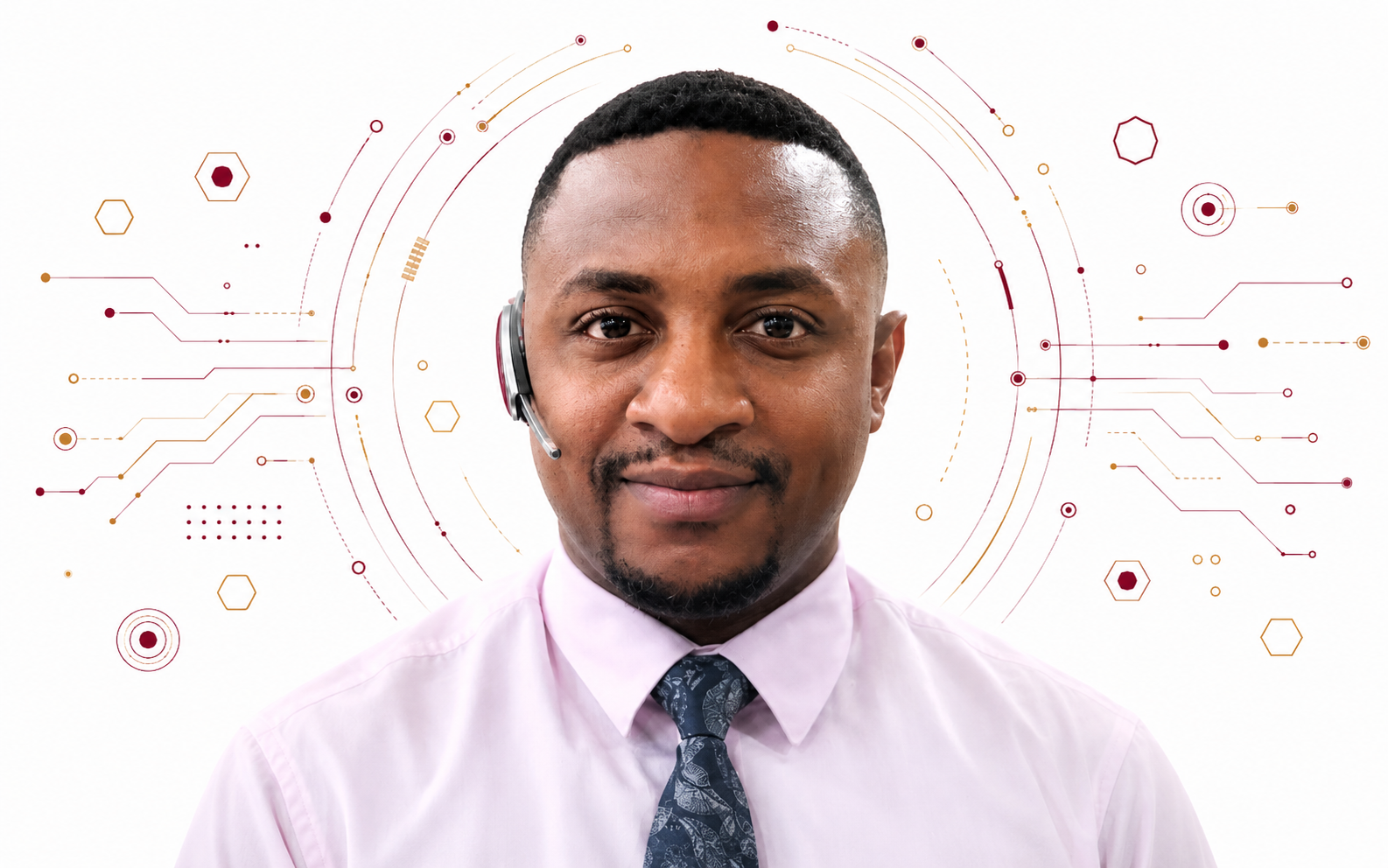
Focused on public health intelligence, Stephen Chanda's research investigates how AI-driven verbal autopsies and mortality modelling can enhance cause-of-death information, disease surveillance, and outbreak response systems in Zambia. He is pursuing a PhD in Epidemiology in the FMHS.
Centred on the intersection of HIV and chronic disease, Adriaan Meyer's doctoral research explores the use of machine learning to build a risk prediction model for cardiometabolic disease in individuals receiving HIV treatment. He is a PhD candidate in Medical Physiology in the FMHS.
Dedicated to the education of Anatomy, Jodie Layman Lemphane's study probes how generative AI is fostering agency, influencing interactions, and intersecting with the ways in which staff and students navigate transformative learning. She is enrolled for a PhD in Anatomy in the FMHS.
Using AI to Understand Mortality: Stephen Chanda's Quest for Better Cause-of-Death Data
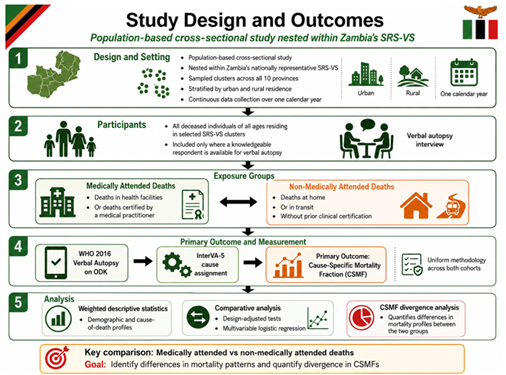
Accurate cause-of-death information is fundamental to public health planning, disease surveillance, and outbreak response. Yet in many low- and middle-income countries, deaths remain under-reported and causes of death are often poorly documented. Stephen Chanda, a doctoral researcher at Stellenbosch University's Faculty of Medicine and Health Sciences and an epidemiologist at the Zambia National Public Health Institute, is investigating how artificial intelligence can help address this challenge.
His PhD research explores how AI-enhanced verbal autopsies and mortality modelling can strengthen cause-of-death attribution and improve the quality of mortality data available to health systems and policymakers.
At a time when countries are seeking more timely and reliable evidence to guide public health decisions, his work sits at the intersection of epidemiology, data science, and health systems strengthening.
Liela Groenewald, Head of the Doctoral Office at the SU Faculty of Medicine and Health Sciences, asked Chanda to share his research journey, his experiences using AI, and what excites him most about its future in health research.
Please share a little about yourself and what sparked your interest in your field of research?
"I am an Epidemiologist at the Zambia National Public Health Institute, working as a Mortality Surveillance Coordinator. My research focuses on mortality surveillance, verbal autopsy, cause-of-death attribution, civil registration and vital statistics strengthening, and the use of epidemiological models to improve public health decision-making."
"My interest in this field was sparked by the persistent challenge of under-reported deaths and poorly defined causes of death in many low- and middle-income settings."
"I became interested in how better data systems, verbal autopsy, and analytical methods can help countries generate more accurate mortality evidence for planning, outbreak response, and health system strengthening."
How did AI become part of your research journey?
Chanda says his introduction to AI began not in his doctoral research, but through its use in everyday professional tasks.
"I have been using AI to help with several of my other admin tasks and began to appreciate very quickly how AI is very good at reviewing large amounts of data, identifying patterns in these data and providing innovative ways of displaying this information."
Can you describe a moment when AI made a meaningful difference in your research?
For Chanda, one of the most immediate benefits of AI has been in effective scientific communication.
"When I critically looked at the central problem affecting my day-to-day work, of mortality surveillance, I realised that the fundamental problem of cause-of-death attribution is similar to the other tasks that I was using AI for. That is, I have several sources of information about the death, but no single cause of death."
"So, I began to explore how I could use AI to sift through all the available data about the death, explore how I can incorporate other relevant data sources, and then have AI classify the cause of death based on all the available sources of information," Chanda says.
Communicating complex ideas is often a daunting task, and more so for a non-first-language English speaker. AI can be asked to highlight ways to work on expressing scientific ideas more clearly. For Chanda, this strengthened his ability to engage with feedback from his supervisors.
What challenges or pitfalls have you encountered along the way?
While enthusiastic about the possibilities of AI, Chanda is equally clear about its limitations.
"Garbage in, garbage out. You need to use AI within the limitations of its development and its capabilities."
"AI should not be used when the boundaries of a topic are not familiar to the user, as it will hallucinate and produce seemingly good answers. If you can't verify the output, do not use AI," he cautions.
What have you learned about using AI responsibly and effectively?
Chanda believes AI is most valuable when viewed as a capable assistant rather than an authority.
"I view the AI tools I use as a very smart but naive assistant who I can give supervised tasks, but I have to check everything after it's done before I pass it off." He cautions that AI should never be used as an all-knowing supervisor.
What excites you most about the future of AI in health research?
Looking ahead, Chanda sees enormous potential in AI's ability to bring together information from multiple sources to support better decision-making.
"Coming from clinical practice, the more information I have available to me about a patient's health, the better clinical decisions I can make affecting that patient's health. In a similar way, I think AI's superpower is its ability to ingest multiple data streams to make more informed decisions."
"As our systems get better at collecting more information, I think the possibility of using AI to bring all this data together is an exciting proposition," Chanda says.
Stephen Chanda is supervised by Prof Edward Nicol, together with Prof Roma Chilengi from the Zambian National Public Health Institute and Prof Jackson Phiri from the University of Zambia, towards his PhD in Epidemiology at the Stellenbosch University, Faculty of Medicine and Health Sciences.
Enlisting Machine Learning to Predict Cardiometabolic Risk in People Living with HIV
As people living with HIV are living longer and healthier lives because of advances in treatment, attention is increasingly turning to the long-term health challenges they may face. One of these is cardiometabolic disease, a growing concern that can significantly affect quality of life and health outcomes. Adriaan Meyer, a doctoral researcher in the Division of Medical Physiology at Stellenbosch University's Faculty of Medicine and Health Sciences, is exploring how machine learning can help identify individuals at increased risk earlier and more accurately.
His PhD research seeks to develop a cardiometabolic risk-prediction model for people living with HIV who are receiving antiretroviral therapy. By combining a range of biological and clinical indicators, the study aims to investigate whether artificial intelligence can contribute to more personalised approaches to prevention, monitoring, and care.
Liela Groenewald of the Doctoral Office, Tygerberg, asked Meyer to share more about his research journey, how AI became part of his work, and what he sees as the future of these technologies in health research. Read more below.
Please share a little about yourself and what sparked your interest in your field of research?
"I am currently a PhD candidate in the Division of Medical Physiology, Faculty of Medicine and Health Sciences, at Stellenbosch University."
"While working as a Medical Laboratory Scientist, my curiosity about medical-based questions motivated me to pursue my postgraduate studies. During my MSc degrees, I became more exposed to research and quickly realised how much I enjoyed it."
"I was fascinated by the process of asking questions, challenging assumptions, and using research to move closer to the ground truth. I believe research provides a meaningful way for me to contribute to the healthcare sector and society, while also allowing me to pursue a career that gives me a sense of purpose."
How did AI become part of your research journey?
Meyer says his route into data science emerged from biomedical research rather than a traditional computing background.
"My introduction to Data Science did not start with Computer Science, but rather through biomedical research."
"During my bachelor's and later master's research, I became increasingly exposed to sophisticated datasets and realised the importance of improving my statistical skills. This motivated me to explore Data Science more broadly."
"I later started learning basic Python programming and machine learning concepts, including completing the IBM Data Science Professional Certificate," he says.
Can you describe a moment when AI made a meaningful difference in your research?
Although the study is still at an early stage, Meyer is already focused on its potential impact.
"My project is still in its early phase, but I am hoping to develop an 18-month cardiometabolic risk-prediction model for people living with HIV who are receiving antiretroviral therapy. This model will be based on a range of biochemical, hormonal, immunological, and anthropometric variables, with the most statistically relevant markers being used for the prediction model."
"If successful, this work could help identify individuals at increased risk of cardiometabolic disease earlier, allowing for a more personalised approach to treatment, monitoring, and prevention," Meyer explains.
What challenges or pitfalls have you encountered along the way?
Like many researchers working with AI and machine learning, Meyer has found that the quality of the data is often the greatest determinant of success.
"One of the main challenges I have experienced with AI/ML is that it is highly dependent on the quality and structure of the data. In biomedical research, datasets can be complex, often containing missing values, outliers, small sample sizes, and variables that may overlap biologically."
"I have also learned that model interpretation is a major challenge, as a model may identify patterns that are statistically useful but not necessarily clinically meaningful," he notes.
What have you learned about using AI responsibly and effectively?
Meyer believes responsible implementation requires a solid understanding of both the strengths and limitations of AI.
"I believe that we should be careful when incorporating AI into the healthcare sector, especially when there is limited understanding of how these tools work."
"Although AI has great potential, there remains a knowledge gap among many researchers regarding the principles behind machine-learning models, their limitations, and when they should or should not be used. This is especially important in healthcare, where model outputs may influence research interpretation, clinical decision-making, or patient care."
"These tools can be extremely valuable, but they must be used with caution and should rather serve as guidance to support decision-making, instead of replacing clinicians and scientists," Meyer says.
What excites you most about the future of AI in health research?
Looking ahead, Meyer believes the field is only beginning to realise the potential of AI and machine learning in healthcare research.
"There's still so much potential in using these tools in the healthcare sector, especially in research. I believe the next few months to years will be interesting, as we begin to see how AI/ML tools are applied more widely in health research. For this reason, I think we should embrace these tools rather than avoid them," Meyer says.
Adriaan Meyer is supervised by Prof Hans Strijdom, Dr Amanda Genis, and Prof Rensu Theart towards his PhD in Medical Physiology at the Stellenbosch University, Faculty of Medicine and Health Sciences.
|
Image by: Adriaan Meyer
|
Image by: Adriaan Meyer
|
From Anatomy Educator to Researcher: Jodie Lemphane's Journey with AI
As generative artificial intelligence reshapes higher education and health sciences, researchers are increasingly exploring how these technologies can be used responsibly and effectively.
Liela Groenewald, Head of the Tygerberg Doctoral Office at Stellenbosch University's Faculty of Medicine and Health Sciences, recently spoke to Jodie Layman Lemphane, a Lecturer in Anatomy and Histology and PhD candidate whose research explores the intersection of anatomy education and artificial intelligence.
Please share a little about yourself and what sparked your interest in your field of research.
"I am a Lecturer in Anatomy and Histology at Stellenbosch University and a PhD candidate with a strong interest in anatomy education. My research sits at the intersection of anatomy education, educational technology, and artificial intelligence.
"I have always been fascinated by how students learn complex scientific concepts and how educators can create meaningful learning experiences that promote understanding rather than memorisation. This curiosity led me to explore innovative teaching approaches and, more recently, the role of AI in supporting teaching, learning, assessment, and research in the health sciences," she said.
How did AI become part of your research journey?
"My interest in AI developed as generative AI tools became increasingly accessible to students and academics. Rather than viewing AI solely as a challenge for higher education, I became interested in understanding how it could be used responsibly to enhance learning and research.
"During my PhD, I began investigating AI literacy in higher education and exploring how students engage with generative AI in anatomy assessments. This work expanded into examining the opportunities, risks, and ethical considerations associated with AI use in health professions education and research," Lemphane said.
Can you describe a moment when AI made a meaningful difference in your research?
"One of the most meaningful ways AI has supported my research has been during qualitative data analysis and the development of research instruments. AI tools have helped me rapidly explore emerging literature, refine interview questions, identify potential themes, and critically reflect on my analytical decisions.
"Rather than replacing scholarly judgement, AI has functioned as a thought partner that accelerates routine tasks and allows me to spend more time engaging deeply with the data and interpreting findings. This has been particularly valuable in managing multiple research projects while balancing teaching and supervision responsibilities," she said.
What challenges or pitfalls have you encountered along the way?
"One of the biggest challenges has been ensuring that AI-generated outputs are accurate, trustworthy, and appropriately contextualised. AI can sometimes produce convincing but incorrect information, making critical evaluation essential.
"Another challenge has been navigating ethical questions related to transparency, academic integrity, authorship, and responsible use. Working in health sciences requires a particularly cautious approach because decisions and conclusions can have real-world implications for education and healthcare practice," she said.
What have you learned about using AI responsibly and effectively?
"I have learned that AI is most valuable when it complements human expertise rather than replacing it. Effective use requires critical thinking, subject knowledge, and ongoing verification of outputs.
"Transparency about how AI is used, careful consideration of ethical implications, and maintaining human oversight throughout the research process are all essential. I have also learned that developing AI literacy is becoming an important skill for both researchers and students in higher education," Lemphane said.
What excites you most about the future of AI in health research?
"I am particularly excited about AI's potential to enhance teaching, learning and research. In health research, especially in Africa, AI has the potential to help researchers identify patterns, accelerate discovery, and support more informed decision-making if we can put the necessary infrastructure and human capacity in place.
"I believe the most exciting opportunities will emerge if AI is appropriately combined with human expertise, ethical governance, and transdisciplinary collaboration — together we will move faster. The future lies not in AI replacing researchers or educators, but in empowering researchers and supporting educators to perform their roles," Lemphane concluded.
Jodie Lemphane is supervised by Prof Nadine Rampf towards her PhD in Anatomy at the Stellenbosch University, Faculty of Medicine and Health Sciences.
|
Image by: Jodie Lemphane with ChatGPT
|
Image by: Jodie Lemphane
|
AI is reshaping the future of health research, creating new opportunities to accelerate discovery, analyse complex data, and address healthcare and higher education challenges.
This page highlights the work of three FMHS doctoral researchers - Jodie Lemphane, Adriaan Meyer, and Stephen Chanda - who are incorporating artificial intelligence (AI) into their research in different ways. Their stories illustrate the value of AI as a research tool, but also the curiosity, critical thinking, skill building, and responsible scholarship required to use these technologies effectively.
We invite doctoral researchers in the FMHS to learn more about their research journeys, the opportunities and challenges they have encountered, and their perspectives on the future of health research - in the hope that you will be inspired to develop your own critical literacy and skill in this field.
Three doctoral researchers, three AI journeys
Dedicated to the education of Anatomy, Jodie Layman Lemphane's study probes how generative AI is fostering agency, influencing interactions, and intersecting with the ways in which staff and students navigate transformative learning. She is enrolled for a PhD in Anatomy in the FMHS.
Centred on the intersection of HIV and chronic disease, Adriaan Meyer's doctoral research explores the use of machine learning to build a risk prediction model for cardiometabolic disease in individuals receiving HIV treatment. He is a PhD candidate in Medical Physiology in the FMHS.
Focused on public health intelligence, Stephen Chanda's research investigates how AI-driven verbal autopsies and mortality modelling can enhance cause-of-death information, disease surveillance, and outbreak response systems in Zambia. He is pursuing a PhD in Epidemiology in the FMHS.
From Anatomy Educator to Researcher: Jodie Lemphane's Journey with AI
As generative artificial intelligence reshapes higher education and health sciences, researchers are increasingly exploring how these technologies can be used responsibly and effectively.
Liela Groenewald, Head of the Tygerberg Doctoral Office at Stellenbosch University's Faculty of Medicine and Health Sciences, recently spoke to Jodie Layman Lemphane, a Lecturer in Anatomy and Histology and PhD candidate whose research explores the intersection of anatomy education and artificial intelligence.
Please share a little about yourself and what sparked your interest in your field of research.
"I am a Lecturer in Anatomy and Histology at Stellenbosch University and a PhD candidate with a strong interest in anatomy education. My research sits at the intersection of anatomy education, educational technology, and artificial intelligence.
"I have always been fascinated by how students learn complex scientific concepts and how educators can create meaningful learning experiences that promote understanding rather than memorisation. This curiosity led me to explore innovative teaching approaches and, more recently, the role of AI in supporting teaching, learning, assessment, and research in the health sciences," she said.
How did AI become part of your research journey?
"My interest in AI developed as generative AI tools became increasingly accessible to students and academics. Rather than viewing AI solely as a challenge for higher education, I became interested in understanding how it could be used responsibly to enhance learning and research.
"During my PhD, I began investigating AI literacy in higher education and exploring how students engage with generative AI in anatomy assessments. This work expanded into examining the opportunities, risks, and ethical considerations associated with AI use in health professions education and research," Lemphane said.
Can you describe a moment when AI made a meaningful difference in your research?
"One of the most meaningful ways AI has supported my research has been during qualitative data analysis and the development of research instruments. AI tools have helped me rapidly explore emerging literature, refine interview questions, identify potential themes, and critically reflect on my analytical decisions.
"Rather than replacing scholarly judgement, AI has functioned as a thought partner that accelerates routine tasks and allows me to spend more time engaging deeply with the data and interpreting findings. This has been particularly valuable in managing multiple research projects while balancing teaching and supervision responsibilities," she said.
What challenges or pitfalls have you encountered along the way?
"One of the biggest challenges has been ensuring that AI-generated outputs are accurate, trustworthy, and appropriately contextualised. AI can sometimes produce convincing but incorrect information, making critical evaluation essential.
"Another challenge has been navigating ethical questions related to transparency, academic integrity, authorship, and responsible use. Working in health sciences requires a particularly cautious approach because decisions and conclusions can have real-world implications for education and healthcare practice," she said.
What have you learned about using AI responsibly and effectively?
"I have learned that AI is most valuable when it complements human expertise rather than replacing it. Effective use requires critical thinking, subject knowledge, and ongoing verification of outputs.
"Transparency about how AI is used, careful consideration of ethical implications, and maintaining human oversight throughout the research process are all essential. I have also learned that developing AI literacy is becoming an important skill for both researchers and students in higher education," Lemphane said.
What excites you most about the future of AI in health research?
"I am particularly excited about AI's potential to enhance teaching, learning and research. In health research, especially in Africa, AI has the potential to help researchers identify patterns, accelerate discovery, and support more informed decision-making if we can put the necessary infrastructure and human capacity in place.
"I believe the most exciting opportunities will emerge if AI is appropriately combined with human expertise, ethical governance, and transdisciplinary collaboration — together we will move faster. The future lies not in AI replacing researchers or educators, but in empowering researchers and supporting educators to perform their roles," Lemphane concluded.
Jodie Lemphane is supervised by Prof Nadine Rampf towards her PhD in Anatomy at the Stellenbosch University, Faculty of Medicine and Health Sciences.
|
Image by: Jodie Lemphane with ChatGPT
|
Image by: Jodie Lemphane
|
Enlisting Machine Learning to Predict Cardiometabolic Risk in People Living with HIV
As people living with HIV are living longer and healthier lives because of advances in treatment, attention is increasingly turning to the long-term health challenges they may face. One of these is cardiometabolic disease, a growing concern that can significantly affect quality of life and health outcomes. Adriaan Meyer, a doctoral researcher in the Division of Medical Physiology at Stellenbosch University's Faculty of Medicine and Health Sciences, is exploring how machine learning can help identify individuals at increased risk earlier and more accurately.
His PhD research seeks to develop a cardiometabolic risk-prediction model for people living with HIV who are receiving antiretroviral therapy. By combining a range of biological and clinical indicators, the study aims to investigate whether artificial intelligence can contribute to more personalised approaches to prevention, monitoring, and care.
Liela Groenewald of the Doctoral Office, Tygerberg, asked Meyer to share more about his research journey, how AI became part of his work, and what he sees as the future of these technologies in health research. Read more below.
Please share a little about yourself and what sparked your interest in your field of research?
"I am currently a PhD candidate in the Division of Medical Physiology, Faculty of Medicine and Health Sciences, at Stellenbosch University."
"While working as a Medical Laboratory Scientist, my curiosity about medical-based questions motivated me to pursue my postgraduate studies. During my MSc degrees, I became more exposed to research and quickly realised how much I enjoyed it."
"I was fascinated by the process of asking questions, challenging assumptions, and using research to move closer to the ground truth. I believe research provides a meaningful way for me to contribute to the healthcare sector and society, while also allowing me to pursue a career that gives me a sense of purpose."
How did AI become part of your research journey?
Meyer says his route into data science emerged from biomedical research rather than a traditional computing background.
"My introduction to Data Science did not start with Computer Science, but rather through biomedical research."
"During my bachelor's and later master's research, I became increasingly exposed to sophisticated datasets and realised the importance of improving my statistical skills. This motivated me to explore Data Science more broadly."
"I later started learning basic Python programming and machine learning concepts, including completing the IBM Data Science Professional Certificate," he says.
Can you describe a moment when AI made a meaningful difference in your research?
Although the study is still at an early stage, Meyer is already focused on its potential impact.
"My project is still in its early phase, but I am hoping to develop an 18-month cardiometabolic risk-prediction model for people living with HIV who are receiving antiretroviral therapy. This model will be based on a range of biochemical, hormonal, immunological, and anthropometric variables, with the most statistically relevant markers being used for the prediction model."
"If successful, this work could help identify individuals at increased risk of cardiometabolic disease earlier, allowing for a more personalised approach to treatment, monitoring, and prevention," Meyer explains.
What challenges or pitfalls have you encountered along the way?
Like many researchers working with AI and machine learning, Meyer has found that the quality of the data is often the greatest determinant of success.
"One of the main challenges I have experienced with AI/ML is that it is highly dependent on the quality and structure of the data. In biomedical research, datasets can be complex, often containing missing values, outliers, small sample sizes, and variables that may overlap biologically."
"I have also learned that model interpretation is a major challenge, as a model may identify patterns that are statistically useful but not necessarily clinically meaningful," he notes.
What have you learned about using AI responsibly and effectively?
Meyer believes responsible implementation requires a solid understanding of both the strengths and limitations of AI.
"I believe that we should be careful when incorporating AI into the healthcare sector, especially when there is limited understanding of how these tools work."
"Although AI has great potential, there remains a knowledge gap among many researchers regarding the principles behind machine-learning models, their limitations, and when they should or should not be used. This is especially important in healthcare, where model outputs may influence research interpretation, clinical decision-making, or patient care."
"These tools can be extremely valuable, but they must be used with caution and should rather serve as guidance to support decision-making, instead of replacing clinicians and scientists," Meyer says.
What excites you most about the future of AI in health research?
Looking ahead, Meyer believes the field is only beginning to realise the potential of AI and machine learning in healthcare research.
"There's still so much potential in using these tools in the healthcare sector, especially in research. I believe the next few months to years will be interesting, as we begin to see how AI/ML tools are applied more widely in health research. For this reason, I think we should embrace these tools rather than avoid them," Meyer says.
Adriaan Meyer is supervised by Prof Hans Strijdom, Dr Amanda Genis, and Prof Rensu Theart towards his PhD in Medical Physiology at the Stellenbosch University, Faculty of Medicine and Health Sciences.
|
Image by: Adriaan Meyer
|
Image by: Adriaan Meyer
|
Using AI to Understand Mortality: Stephen Chanda's Quest for Better Cause-of-Death Data
Accurate cause-of-death information is fundamental to public health planning, disease surveillance, and outbreak response. Yet in many low- and middle-income countries, deaths remain under-reported and causes of death are often poorly documented. Stephen Chanda, a doctoral researcher at Stellenbosch University's Faculty of Medicine and Health Sciences and an epidemiologist at the Zambia National Public Health Institute, is investigating how artificial intelligence can help address this challenge.
His PhD research explores how AI-enhanced verbal autopsies and mortality modelling can strengthen cause-of-death attribution and improve the quality of mortality data available to health systems and policymakers.
At a time when countries are seeking more timely and reliable evidence to guide public health decisions, his work sits at the intersection of epidemiology, data science, and health systems strengthening.
Liela Groenewald, Head of the Doctoral Office at the SU Faculty of Medicine and Health Sciences, asked Chanda to share his research journey, his experiences using AI, and what excites him most about its future in health research.
Please share a little about yourself and what sparked your interest in your field of research?
"I am an Epidemiologist at the Zambia National Public Health Institute, working as a Mortality Surveillance Coordinator. My research focuses on mortality surveillance, verbal autopsy, cause-of-death attribution, civil registration and vital statistics strengthening, and the use of epidemiological models to improve public health decision-making."
"My interest in this field was sparked by the persistent challenge of under-reported deaths and poorly defined causes of death in many low- and middle-income settings."
"I became interested in how better data systems, verbal autopsy, and analytical methods can help countries generate more accurate mortality evidence for planning, outbreak response, and health system strengthening."
How did AI become part of your research journey?
Chanda says his introduction to AI began not in his doctoral research, but through its use in everyday professional tasks.
"I have been using AI to help with several of my other admin tasks and began to appreciate very quickly how AI is very good at reviewing large amounts of data, identifying patterns in these data and providing innovative ways of displaying this information."
Can you describe a moment when AI made a meaningful difference in your research?
For Chanda, one of the most immediate benefits of AI has been in effective scientific communication.
"When I critically looked at the central problem affecting my day-to-day work, of mortality surveillance, I realised that the fundamental problem of cause-of-death attribution is similar to the other tasks that I was using AI for. That is, I have several sources of information about the death, but no single cause of death."
"So, I began to explore how I could use AI to sift through all the available data about the death, explore how I can incorporate other relevant data sources, and then have AI classify the cause of death based on all the available sources of information," Chanda says.
Communicating complex ideas is often a daunting task, and more so for a non-first-language English speaker. AI can be asked to highlight ways to work on expressing scientific ideas more clearly. For Chanda, this strengthened his ability to engage with feedback from his supervisors.
What challenges or pitfalls have you encountered along the way?
While enthusiastic about the possibilities of AI, Chanda is equally clear about its limitations.
"Garbage in, garbage out. You need to use AI within the limitations of its development and its capabilities."
"AI should not be used when the boundaries of a topic are not familiar to the user, as it will hallucinate and produce seemingly good answers. If you can't verify the output, do not use AI," he cautions.
What have you learned about using AI responsibly and effectively?
Chanda believes AI is most valuable when viewed as a capable assistant rather than an authority.
"I view the AI tools I use as a very smart but naive assistant who I can give supervised tasks, but I have to check everything after it's done before I pass it off." He cautions that AI should never be used as an all-knowing supervisor.
What excites you most about the future of AI in health research?
Looking ahead, Chanda sees enormous potential in AI's ability to bring together information from multiple sources to support better decision-making.
"Coming from clinical practice, the more information I have available to me about a patient's health, the better clinical decisions I can make affecting that patient's health. In a similar way, I think AI's superpower is its ability to ingest multiple data streams to make more informed decisions."
"As our systems get better at collecting more information, I think the possibility of using AI to bring all this data together is an exciting proposition," Chanda says.
Stephen Chanda is supervised by Prof Edward Nicol, together with Prof Roma Chilengi from the Zambian National Public Health Institute and Prof Jackson Phiri from the University of Zambia, towards his PhD in Epidemiology at the Stellenbosch University, Faculty of Medicine and Health Sciences.