
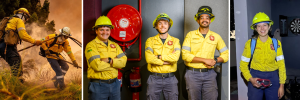
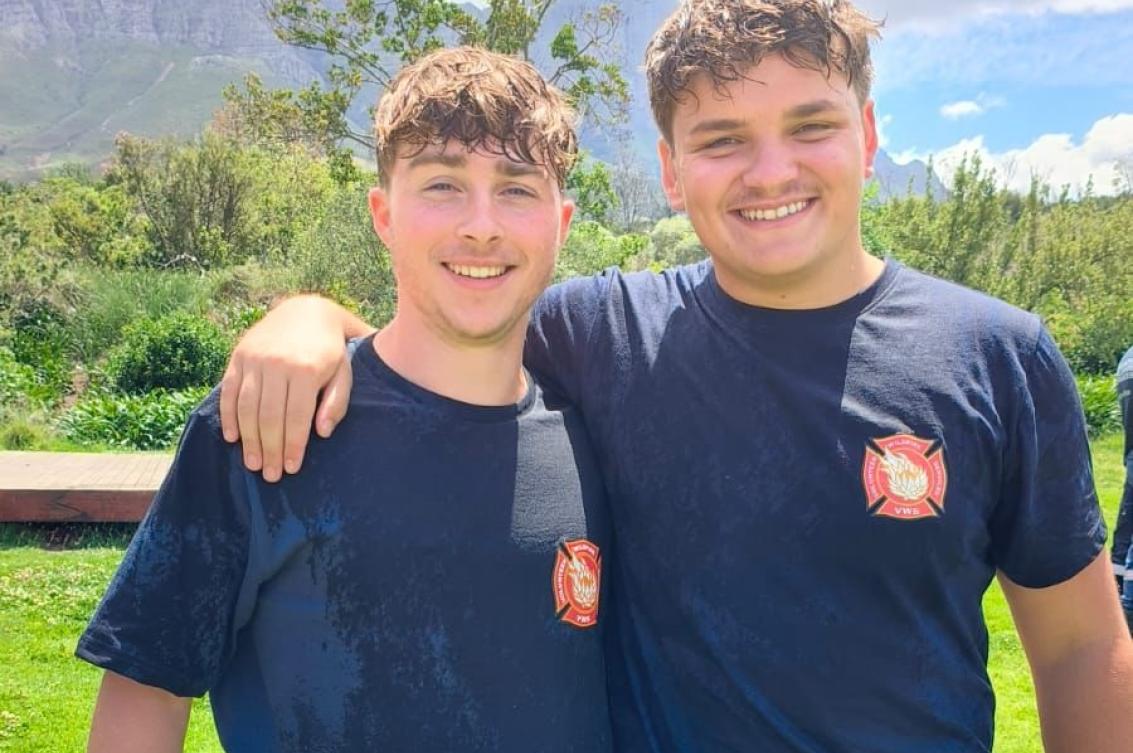
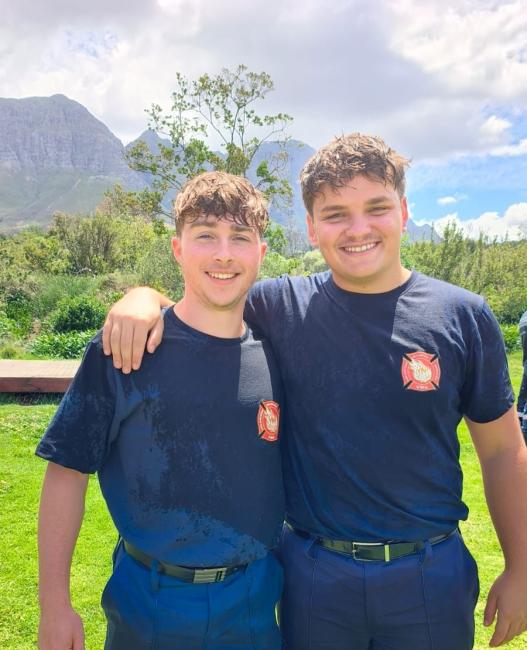
Dario Consani, Liam Proctor, Zach Ambrose and Kate Cotterell are part of a group of dedicated volunteer firefighters at SU.
SU’s ‘mountain goats’ run toward the flames
- A group of 13 SU students balance demanding studies with frontline wildfire response.
- Volunteer Wildfire Services crews hike into the most inaccessible terrain to fight blazes by hand.
- From juggling academic work to facing 10-metre walls of flames, these Maties are redefining service.
While many students glance at their phones during lectures to check messages or social plans, a small group of Stellenbosch University (SU) volunteers monitor theirs for a different reason. When the alert comes through, they have minutes to decide – stay in class or head for a fire line somewhere in the Western Cape.
“When an emergency happens, we run towards it. We follow the sirens,” says Liam Proctor, a BSc Human Life Sciences student who hopes to study medicine.
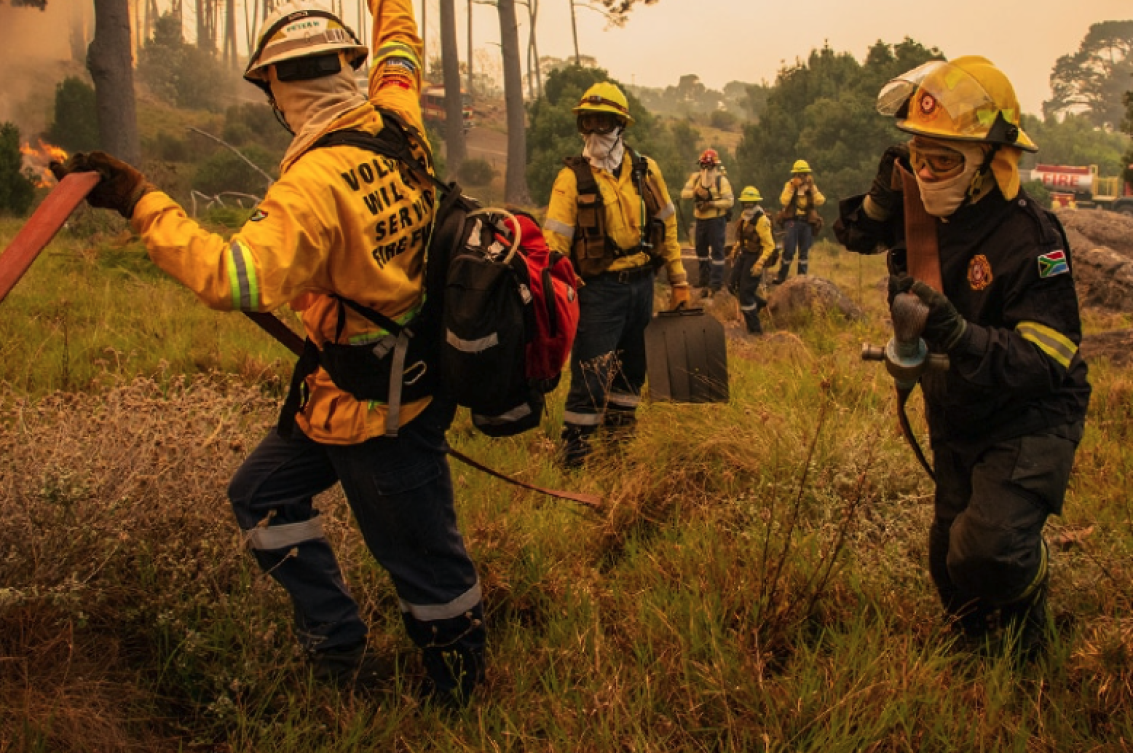
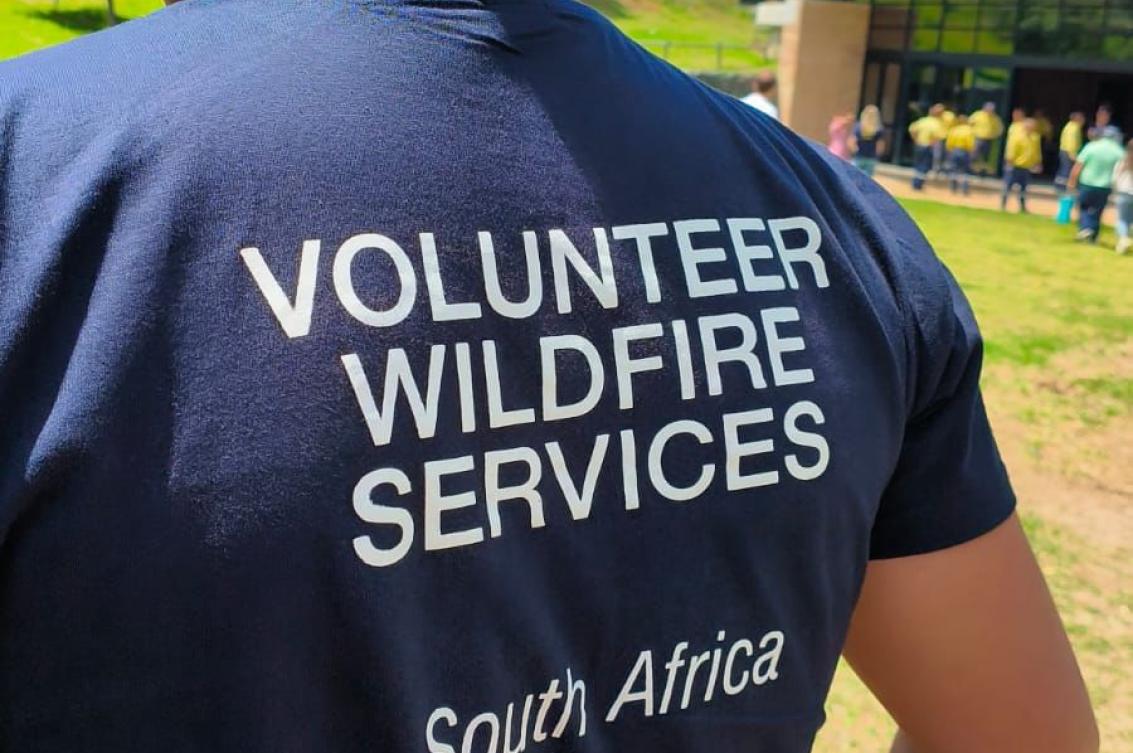
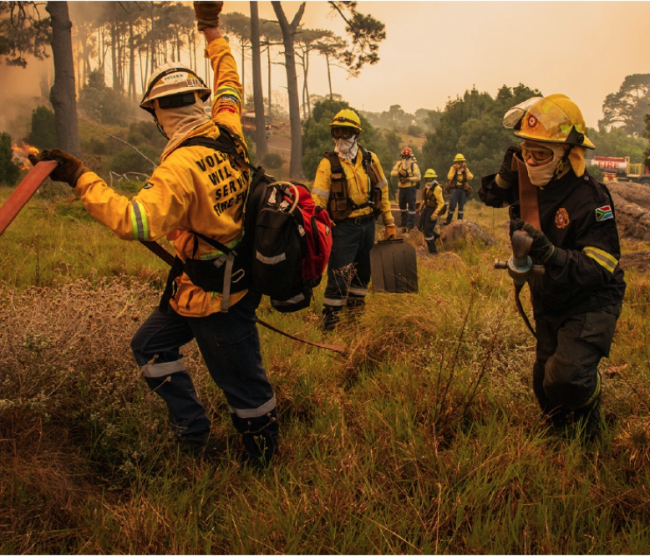
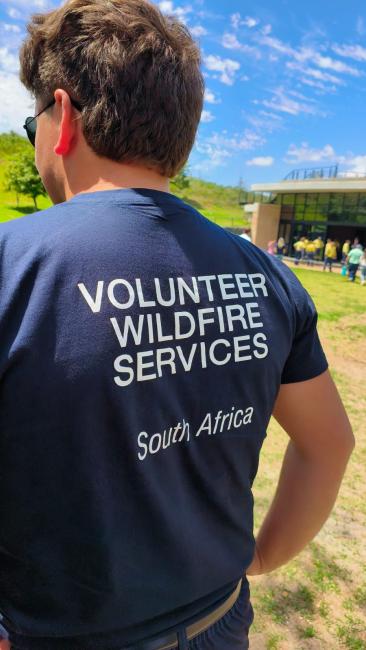
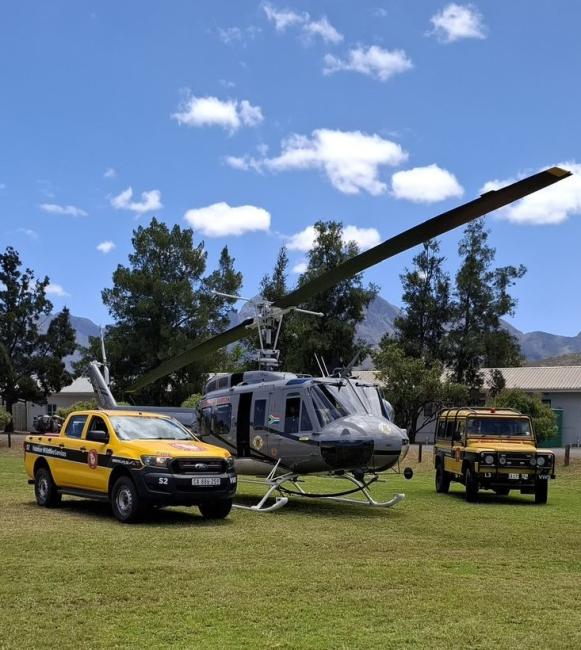
Proctor is one of a remarkable cohort of Maties who serve as firefighters with Volunteer Wildfire Services (VWS), the largest volunteer firefighting organisation in South Africa. With roughly 350 members across four bases – Stellenbosch, Helderberg, Newlands and the Southern Peninsula – VWS deploys crews across the province.
Each winter, volunteers undergo mandatory annual retraining, which includes physical, practical and theoretical assessments. Once qualified, they are expected to participate in regular weekend standbys and remain available for deployment at any time.
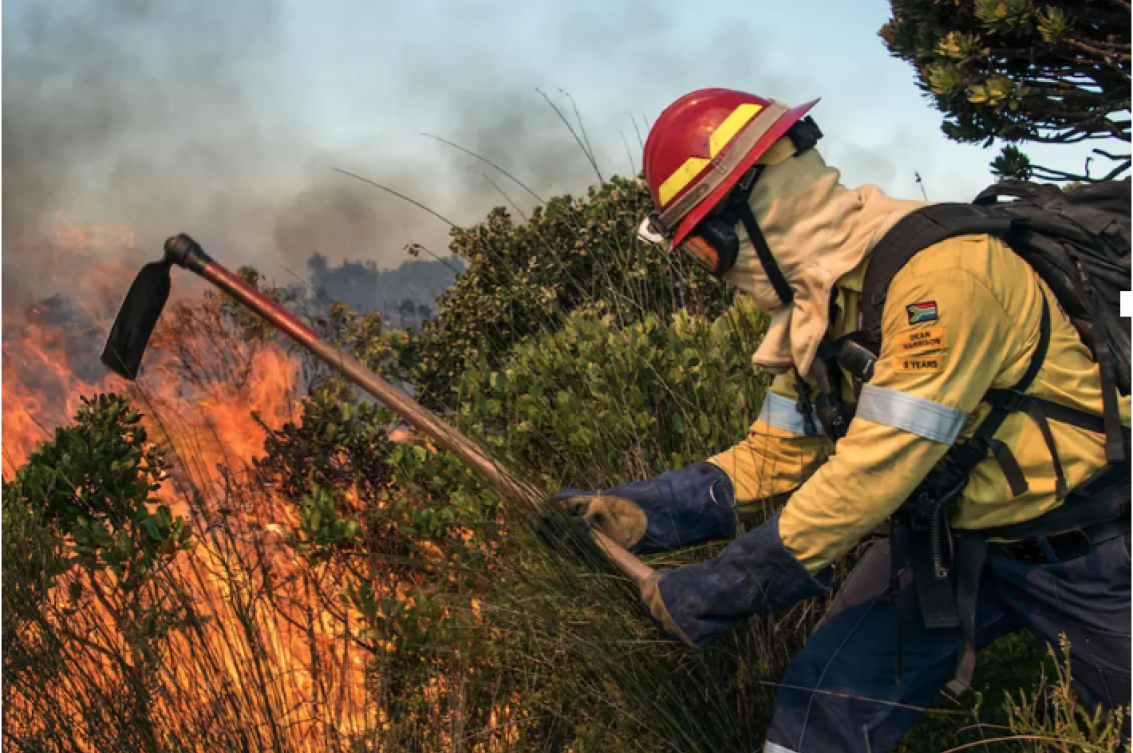
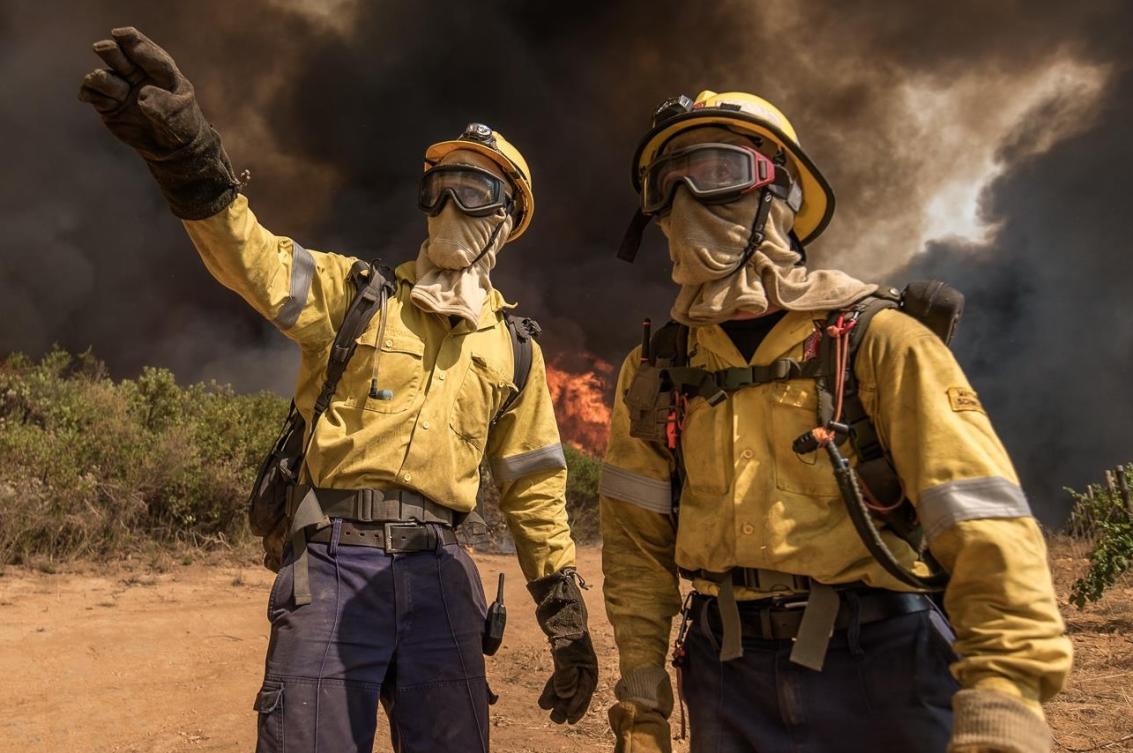
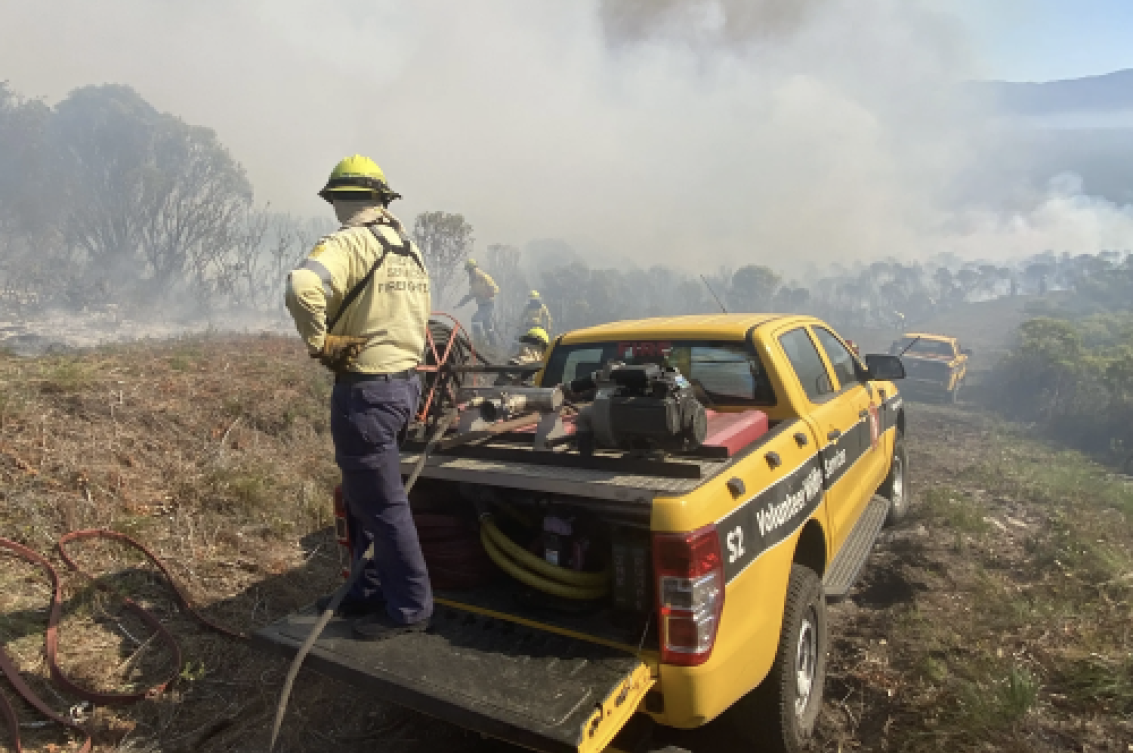
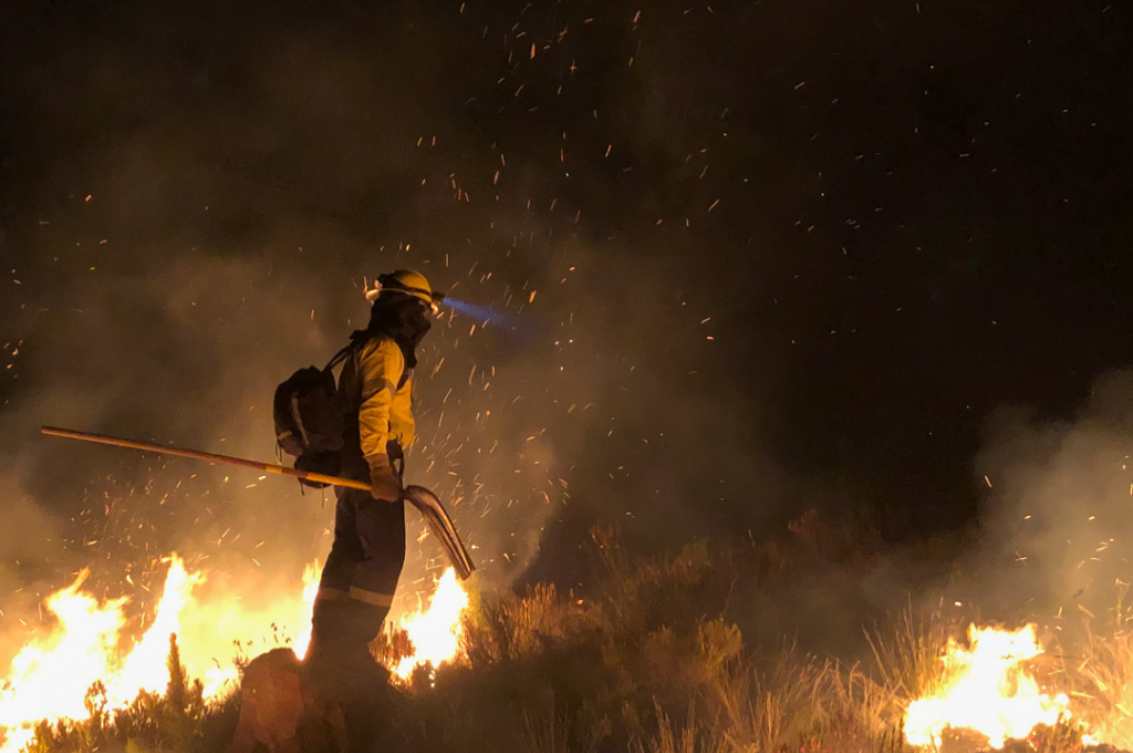
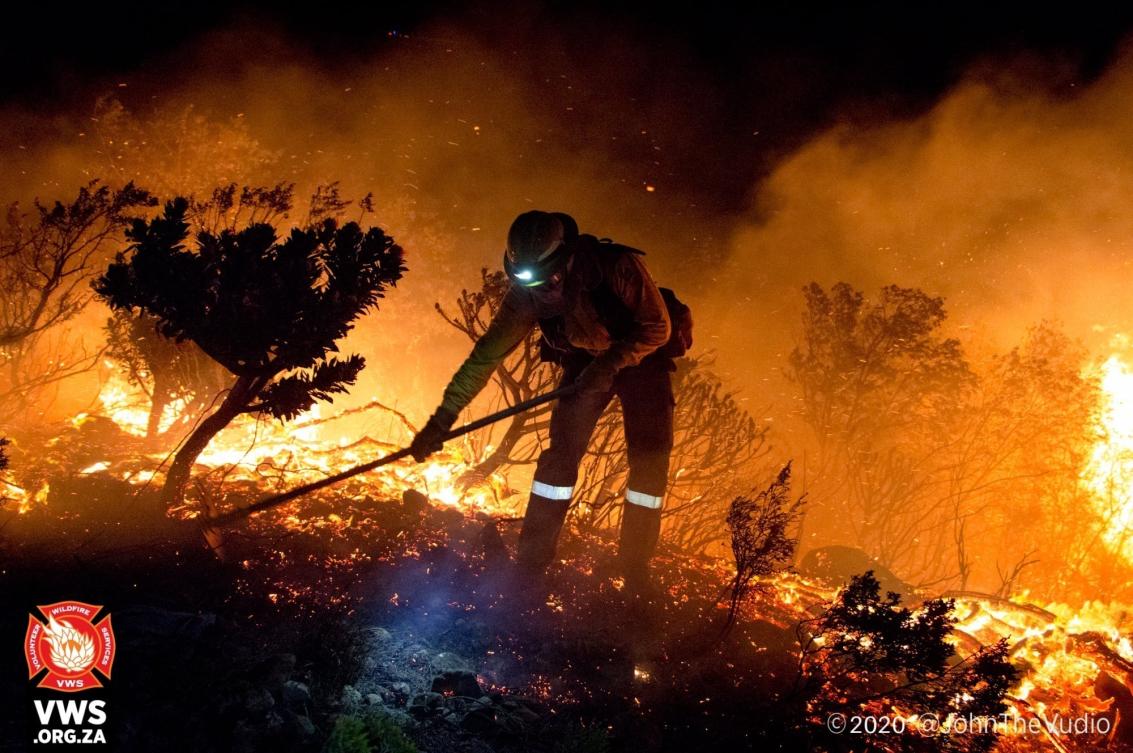
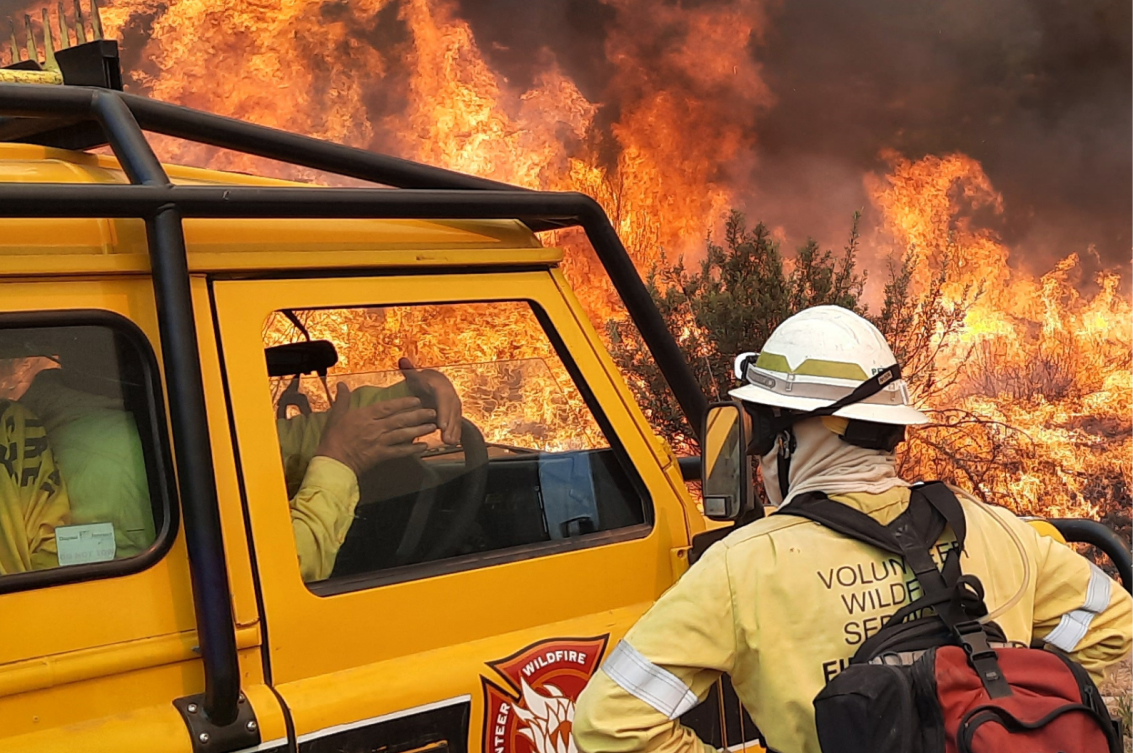
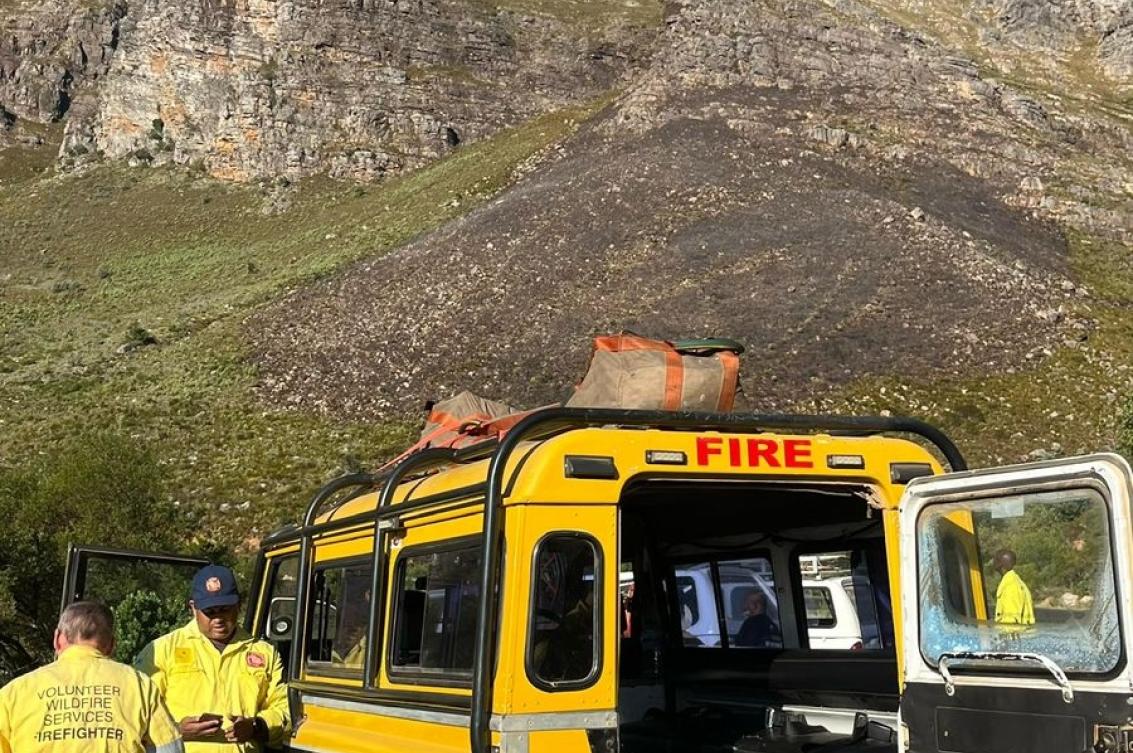
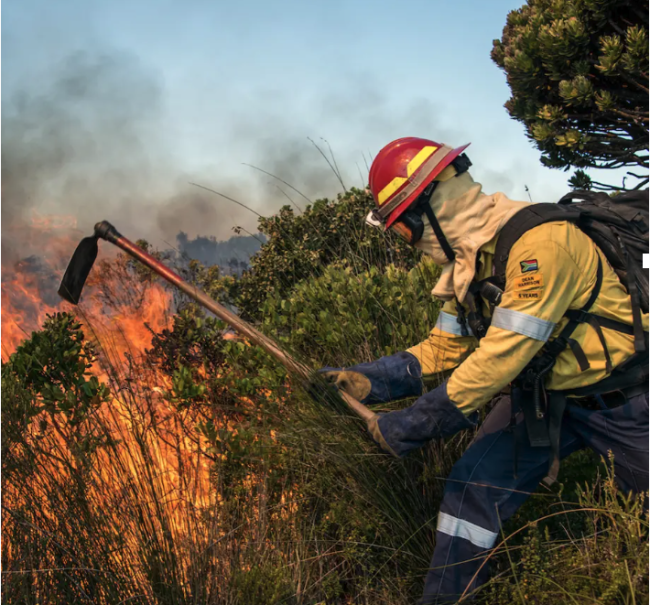
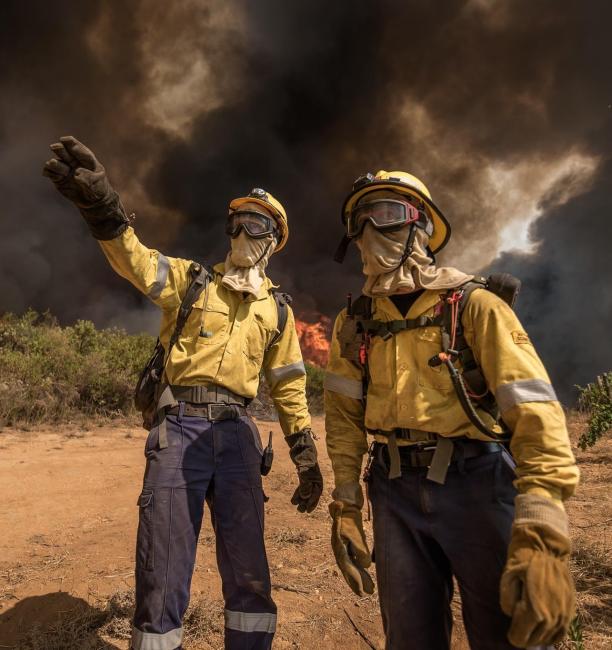
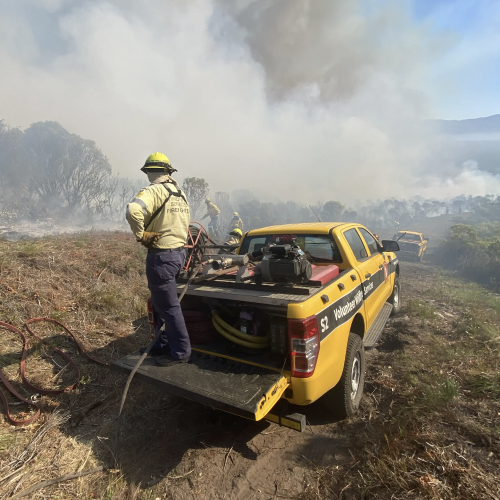
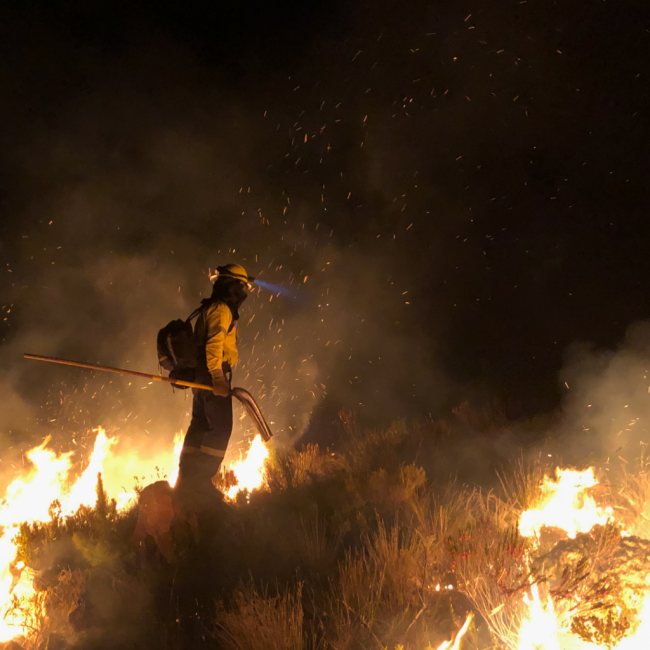
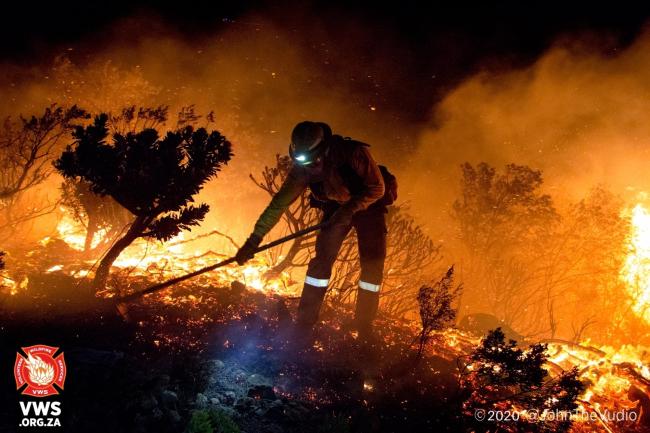
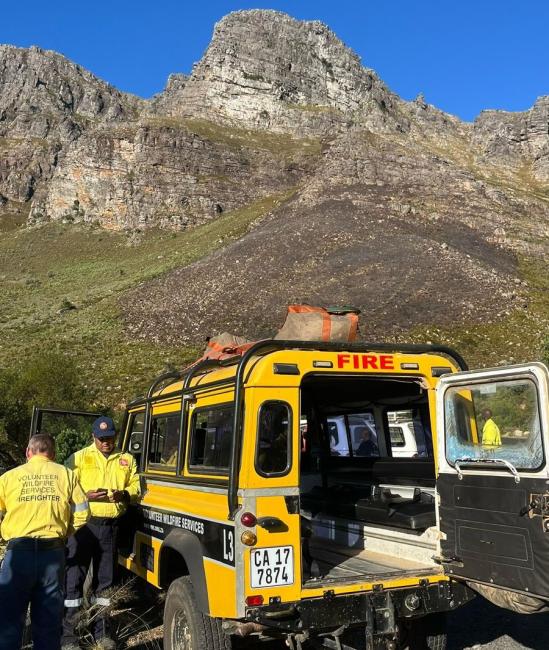
When most people retreat from fire, these 13 students, affectionately known as the “mountain goats,” shoulder 10 kilograms of gear, hike into mountainous terrain and begin the painstaking work of beating back flames with hand tools. In their yellow and blue uniforms and protective gear they sacrifice countless hours to serve on the frontlines of some of the most devastating fires the Western Cape has experienced in recent years.
Walls of flame and split-second decisions
Dario Consani, a third-year BA Sports Science student with a second major in geographic environmental studies, was introduced to VWS when the organisation had a stand on campus during SU’s welcoming week. “I thought it would be something adventurous to get involved in. I’m really glad I joined,” he says with a big grin.
He admits he is “a bit of an adrenaline junkie”, yet the work demands far more than thrill-seeking. VWS specialises in fires where vehicles cannot reach. Crews hike for hours to inaccessible peaks. “You need the physical and mental drive to be able to continue to fight fires for 12 plus hours at a time,” Consani explains. He does cardio and strength training five times a week to stay in shape. Firefighting is relentless work, he says, but quickly adds there’s nothing quite like the rush of going into the unknown. “You never know what awaits you.”
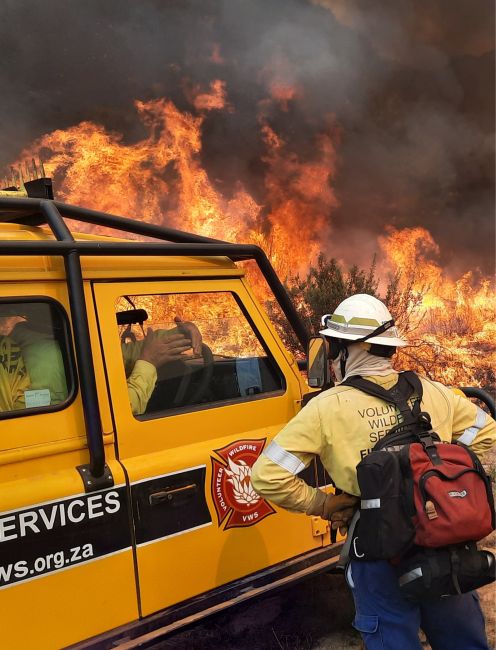
In November last year in Bredasdorp, he encountered what he calls his scariest moment. The town was encircled by fire, and he was part of a team of firefighters who walked along a Jeep track towards it. “It was literally a 10-metre wall of flame for kilometres,” he recalls. The radiant heat was too intense to approach. Some equipment began to melt. In the dark, there were no helicopters around for support. “Standing there watching this wall of fire come towards you was super scary. You feel very vulnerable,” he says.
Zach Ambrose, a third-year mechanical engineering student, describes a similar scene in Elgin last February. A back burn shifted unexpectedly. “Without realising it, we were basically driving into the fire,” he says. Experienced crew leaders saved the day. “If we had stayed there for another 30 seconds, the fire would have just swallowed us whole.”
Ambrose, who hails from Pretoria, had dreamed of becoming a firefighter since he was five. He chose to study at SU partly because he knew he could join VWS. “That was a big part of my motivation,” he says with a laugh. “Just don’t tell my mother!”
Juggling engineering and firefighting
For Kate Cotterell, a third-year electrical and electronic engineering student, the interest began in Grade 7, when her teacher’s husband, a structural firefighter, visited her class. Years later, a friend at the Newlands VWS base shared stories of deployments that sealed her decision. “I was keen to join when I turned 18,” she says. “I decided it would be more convenient to join at Stellenbosch University.”
Convenience proved relative. Fire season does not respect academic timetables. “I did not realise the high time consumption of firefighting,” Cotterell admits. “Many of the wildfire callouts were at very inconvenient times, such as on days when I had assessments.” In her first year, training commitments sometimes collided with university tests and exams. She was also involved in lifesaving. Duty days clashed. “I found it very difficult to balance firefighting, engineering, lifesaving and numerous other activities.”
Still, she has no regrets. “My first fire was an experience I will never forget,” she says. “It’s so rewarding. I now have a much bigger appreciation for all firefighters, and everyone involved, knowing now how strenuous their job is.” After completing her degree, she hopes to qualify as a helicopter pilot and continue firefighting “through the sky instead”.
The mountain goats go high
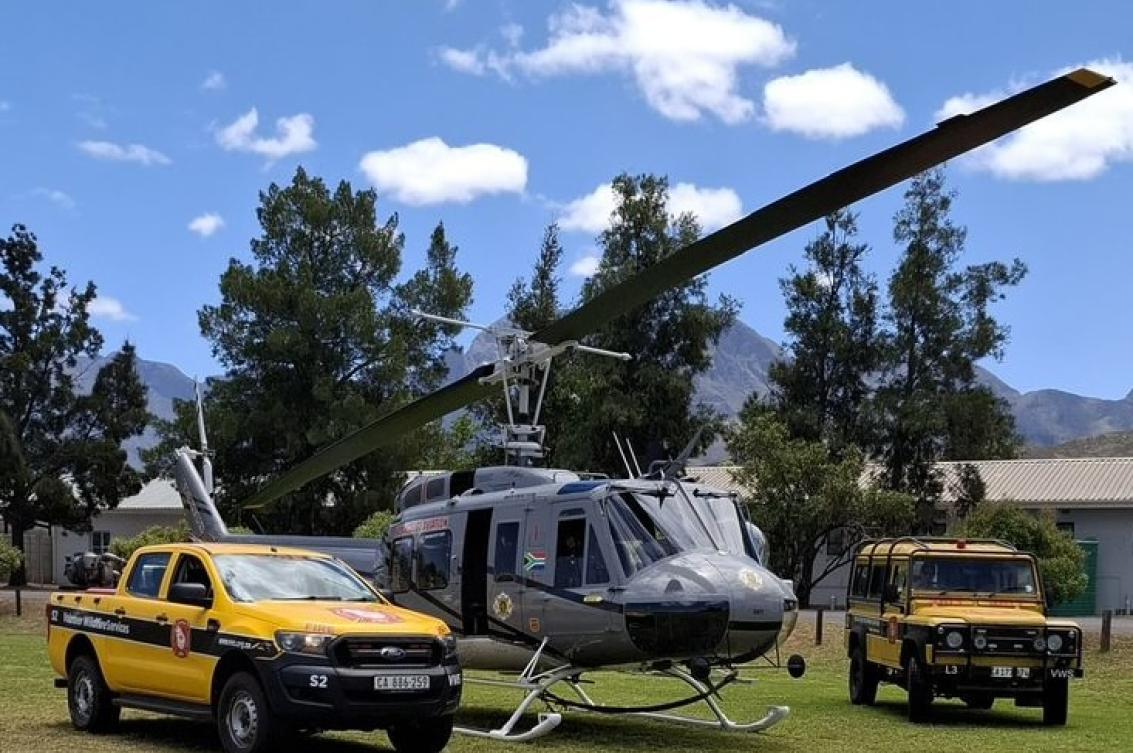
When city firefighters protect homes and farms with vehicles and water tanks, SU’s “mountain goats” with their youthful stamina and swiftness are often directed by crew leaders to the highest, most inaccessible sections of a blaze. “They point at the furthest point, the highest peak, and say, you go fight that,” Proctor says. “Sometimes it’s places even the helicopters can’t reach.”
But he stresses that volunteering does not only mean traversing difficult terrain on foot. VWS relies on a wide network of roles – from logistics and dispatch to drivers and crew leaders – that keep the operation running. Without those behind-the-scenes functions, frontline firefighters would not know where to go or have the tools to do their work. “There is a place for everyone,” Proctor notes as he encourages students to join the VWS.
The decision to respond remains a test of discipline, the dedicated team members acknowledge. “If you miss a lecture, you can catch up later, but sometimes it’s a tough choice because we also priorities our academic work,” Proctor says.
Ambrose has made similar calculations, once catching just two hours of sleep before morning classes. “I don’t regret any of the times I chose to go fight fires,” he says. “It’s led to some of the best memories that I will always treasure.”
Volunteers receive no salary for their hard work. Fuel, equipment and vehicles rely heavily on donations and support. “We cannot get to the fires and help make a contribution without community and business support,” Proctor says.
Despite the risks, VWS last year marked its 25-year anniversary – without serious injury or fatality. “Our safety measures and precautions are to the highest standard,” Consani says. A veteran of 15 fires, he’s only suffered minor cuts and bruises as a volunteer firefighter.
Ambrose says they would love to welcome more Maties to their ranks. “If you see someone in a yellow shirt, don’t hesitate to come say hi,” he smiles. “You’re a student for a very short time of your life. Now is when you’re supposed to make the most of your energy and strength. What better way to make a positive difference than to become a volunteer firefighter?”
- More information on joining the VWS here: https://vws.org.za/join-vws/
- Contact Dario Consani [email protected] 072 801 1290
Related stories
Media release
New internship programme at SU clinics opens doors for aspiring medical receptionists
For many young South Africans, earning a qualification is only the beginning of a difficult journey. The next hurdle is finding the work experience employers...
Media release
Stellenbosch University researchers and international partners develop global ‘Declaration on Multilingual Healthcare’
Patients who do not speak the same language as their healthcare providers are disadvantaged worldwide when it comes to accessing healthcare services and...

Media release
Seven days of gambling could wipe out a year of national student funding
At the current rate at which South Africans gamble, it would take just seven days to spend the equivalent of the country’s entire national student funding...