

Deputy minister praises SU’s readiness for 2026 academic year
- Deputy Minister of Higher Education Dr Mimmy Gondwe confirmed Stellenbosch University’s preparedness for the 2026 academic year during the first stop of a national readiness tour.
- Funding, accommodation and NSFAS-related registration blocks dominated a frank and solution-focused engagement with senior management and student leaders.
- Gondwe praised the University’s student-centred approach and described the visit as “very successful”.
Stellenbosch University (SU) was on Monday the first stop on a national readiness tour by Deputy Minister of Higher Education and Training Dr Mimmy Gondwe, who confirmed that the institution is well prepared for the 2026 academic year, while acknowledging that some challenges around NSFAS funding remain.
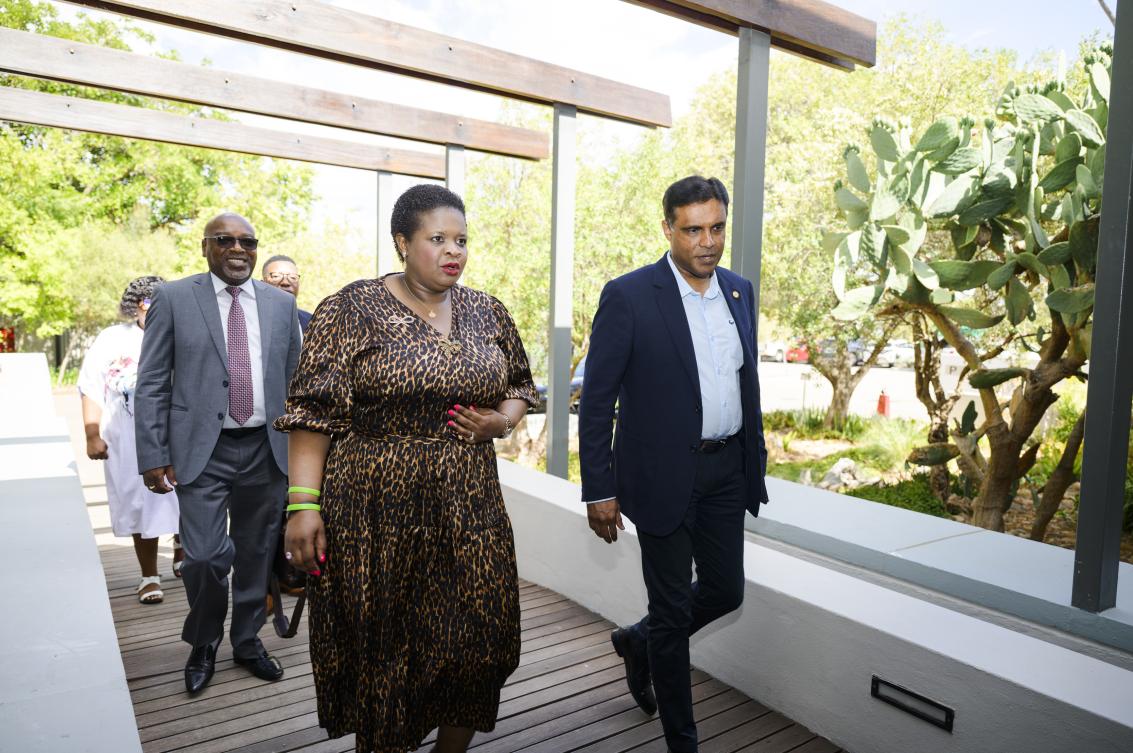
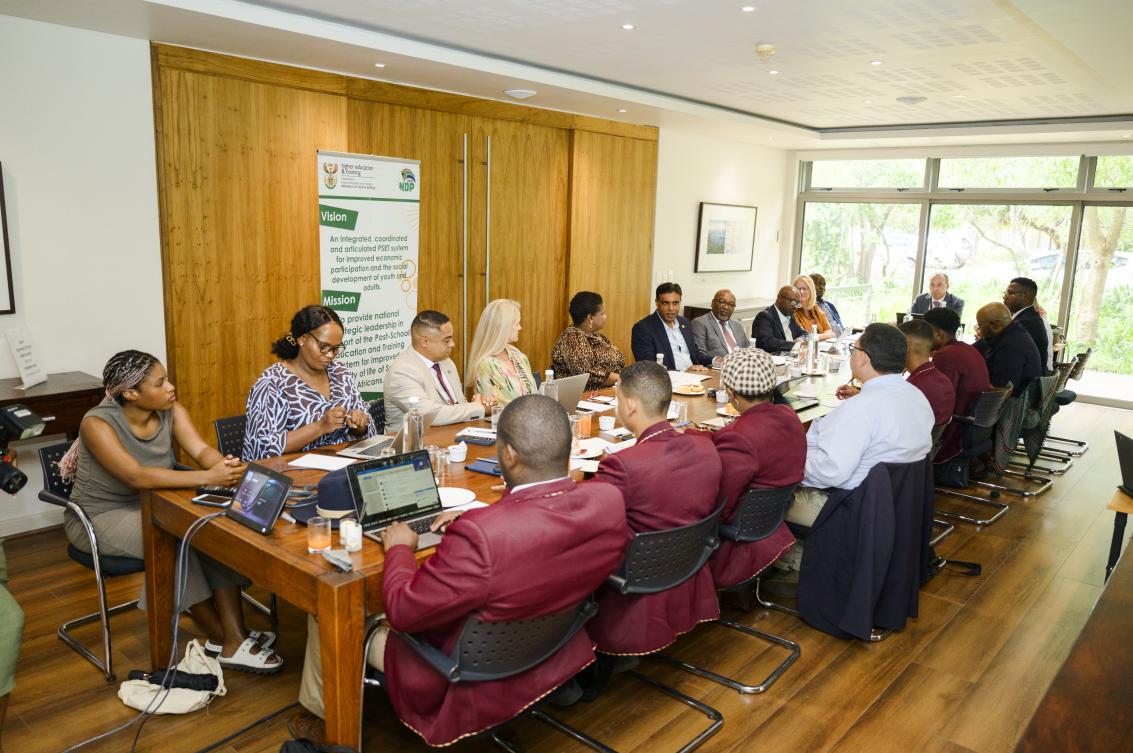
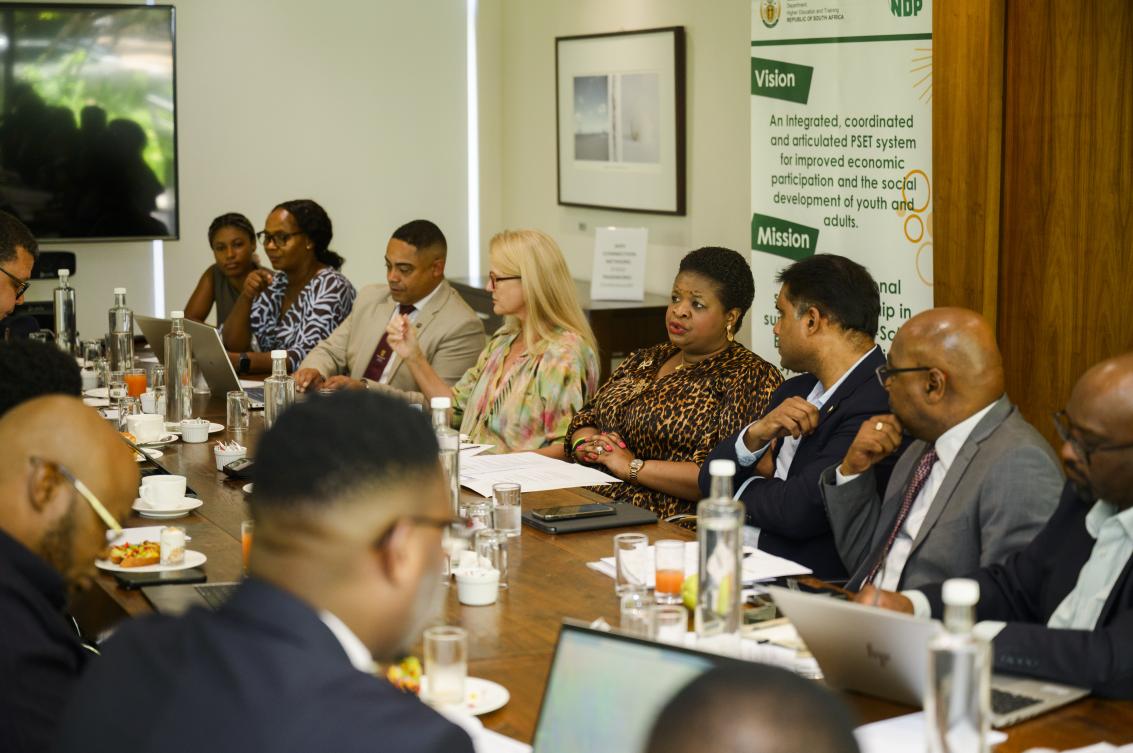
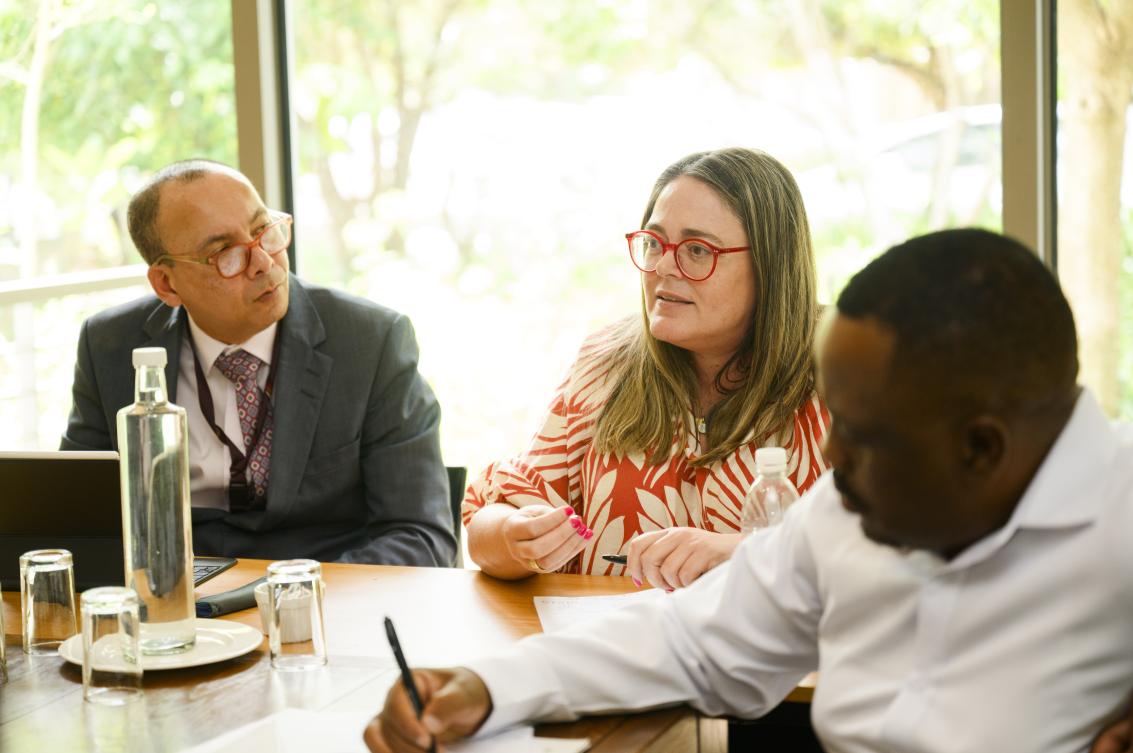
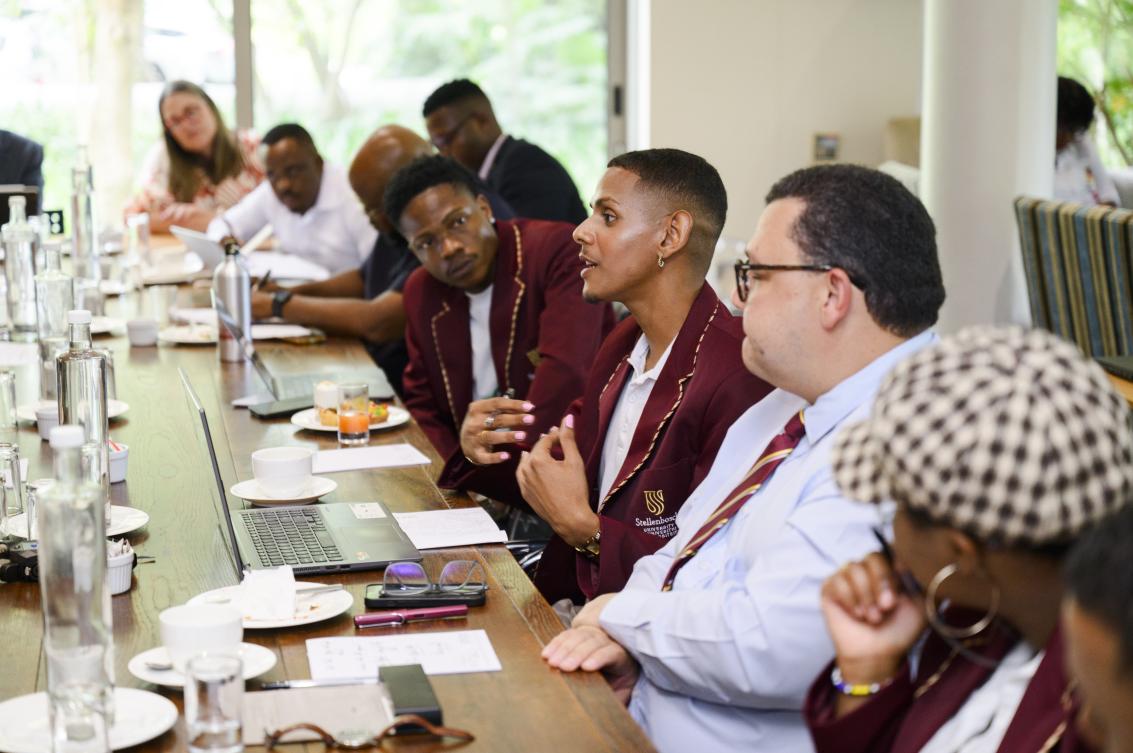
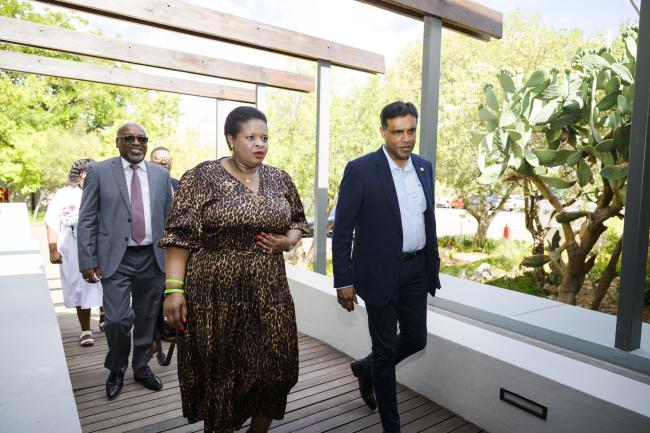
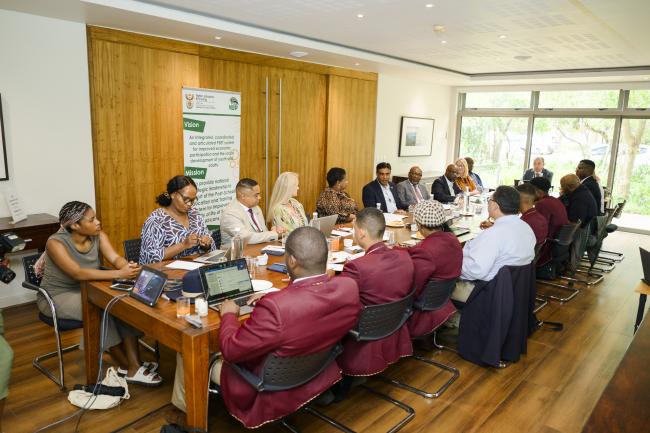
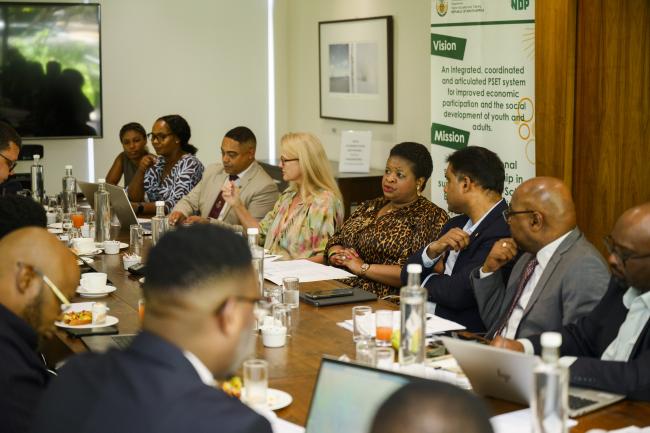
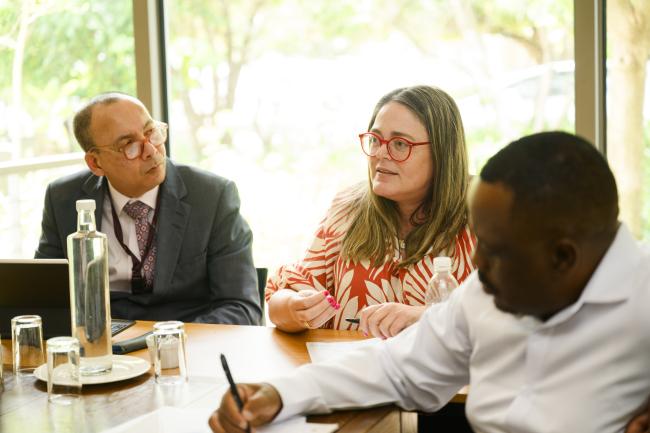
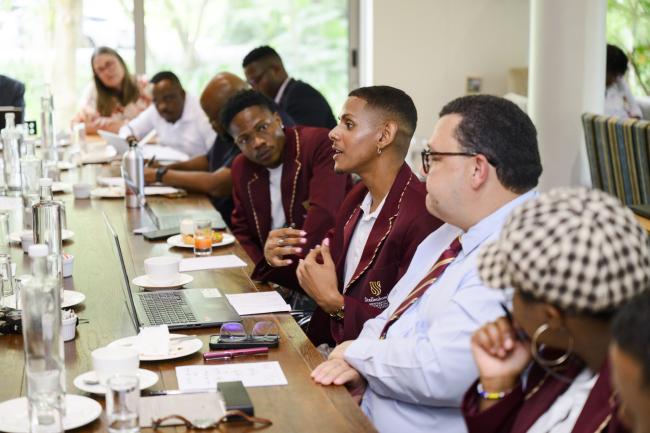
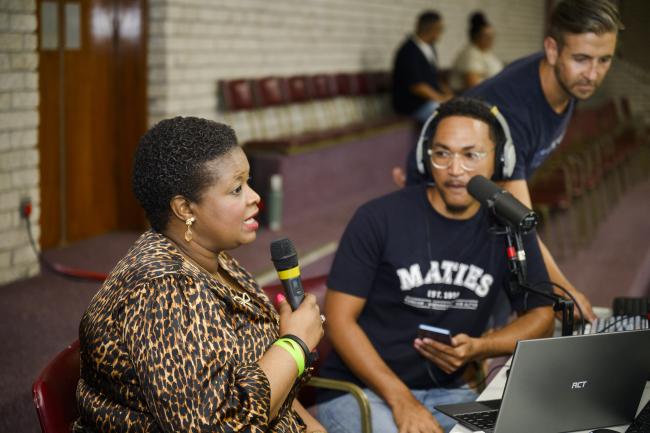
An alumna of SU herself, Gondwe met with the University’s executive management, student leaders and representatives of the National Student Financial Aid Scheme (NSFAS) during a morning-long engagement at the Stellenbosch Institute for Advanced Studies (STIAS), before visiting SU’s temporary registration centre at Coetzenburg.
Welcoming the Deputy Minister, Rector and Vice-Chancellor Prof Deresh Ramjugernath said the University placed a high premium on the start of the academic year and the overall student experience. Research, he noted, showed that students who felt supported during their first six to eight weeks at university were significantly more likely to succeed.
“Our focus is not only on the academic journey, but on the holistic development of students as individuals and citizens,” Ramjugernath said. He highlighted the recent establishment of an executive portfolio for the Dean of Students as a strategic intervention to strengthen student wellbeing, co-curricular learning and support beyond the formal curriculum.
Higher education under strain
Gondwe said the purpose of the national visits was to assess institutional readiness and minimise disruptions at the start of the academic year, particularly in a higher education system under strain from growing demand and limited resources.
“We are experiencing serious pressure in the sector, especially around access to higher education,” she noted. Expanding access, she added, would require a combination of online and blended learning models, stronger partnerships with the private sector and clearer public understanding of admission requirements.
During the meeting, senior University officials provided a detailed overview of registration progress, funding pressures and accommodation arrangements. Registrar Dr Ronel Retief reported that more than 17 800 students had already registered across undergraduate and postgraduate programmes at the time of the visit, with over half of first-year students completing registration within days of the system opening.
Retief said funding and historic student debt remained the most persistent challenges, affecting both NSFAS-funded students and those in the so-called missing middle. To address this, the University had contacted all students with outstanding debt and invited them to apply to a Student Debt Working Group fund, which assesses cases based on financial need, academic standing and household income with the aim of enabling these students to register and continue their academic journey.
“This is a very deliberate and structured process,” Retief said. “Our aim is to enable access without placing the University’s long-term sustainability at risk.”
‘We need the system to work’
Acting Chief Operating Officer Prof Nicola Smith told the meeting that student debt at the University had increased by more than 25% over the past decade, driven in part by NSFAS allowance caps and broader economic pressures on families. She said delayed NSFAS payments placed significant strain on institutional cash flow, with outstanding amounts running into hundreds of millions of rand.
Ramjugernath echoed these concerns, stressing that predictable and timely NSFAS processes were critical for institutional stability. “We go above and beyond to support students through fundraising and partnerships, but we need the system to work,” he said.
Accommodation was another major focus of discussion. Deputy Registrar Dr Celeste Nel said the University currently managed 8 400 residence beds across the Stellenbosch and Tygerberg campuses, which were 99% full, alongside approximately 4 000 private accommodation beds. That number, she said, was expected to grow to about 6 000 by the end of March.
Acting Dean of Students Dr Leslie van Rooi explained that the University also maintained at least 90 emergency accommodation beds for students arriving without housing. These were intended strictly as a short-term measure, with most costs covered by the institution. “No student is turned away because they cannot pay,” Van Rooi said, adding that the focus was on securing permanent accommodation within days.
Gondwe raised concerns about the annual reclassification of SU’s accommodation status by NSFAS, arguing that the high cost of living in Stellenbosch warranted a more stable, metro classification. She said she would engage NSFAS further on the issue.
Student leaders, represented by SU’s interim Student Representative Council (SRC), reported that the most pressing issues on campus remained funding, accommodation and registration blocks linked to historic debt. A NSFAS representative, Mpho Matlala (Senior Manager: Strategic Enablement), urged students to log appeals as soon as possible and not wait until the last day of the deadline.
‘I’m very impressed’
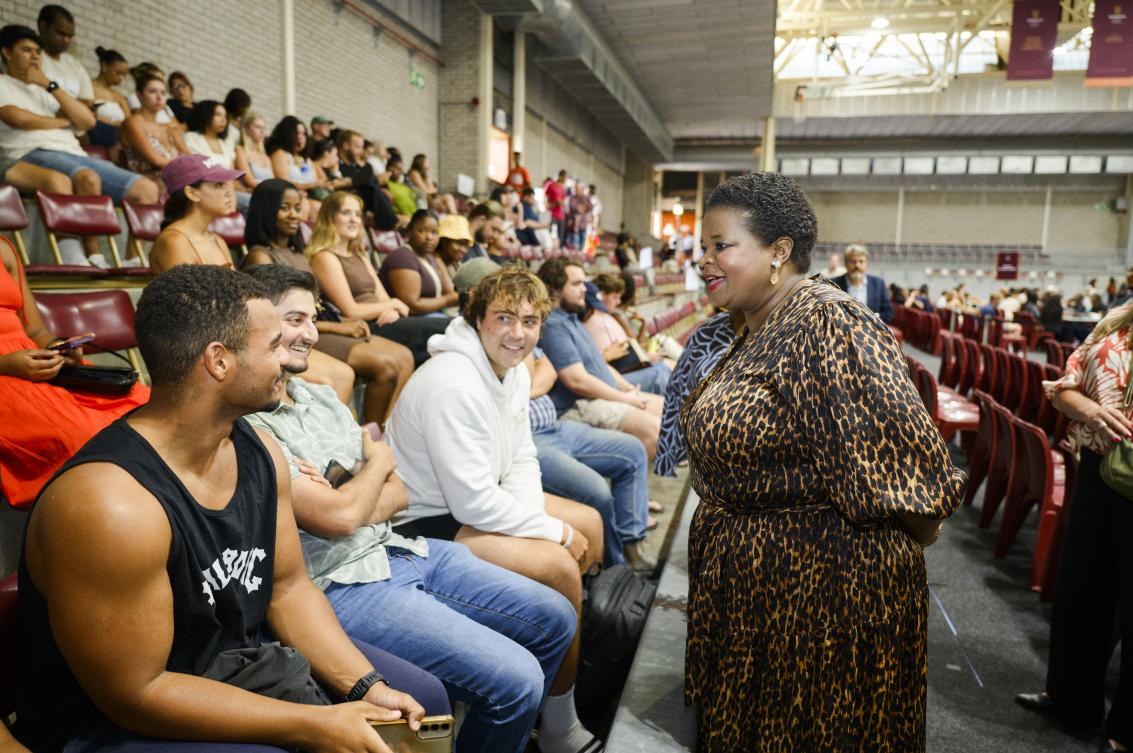
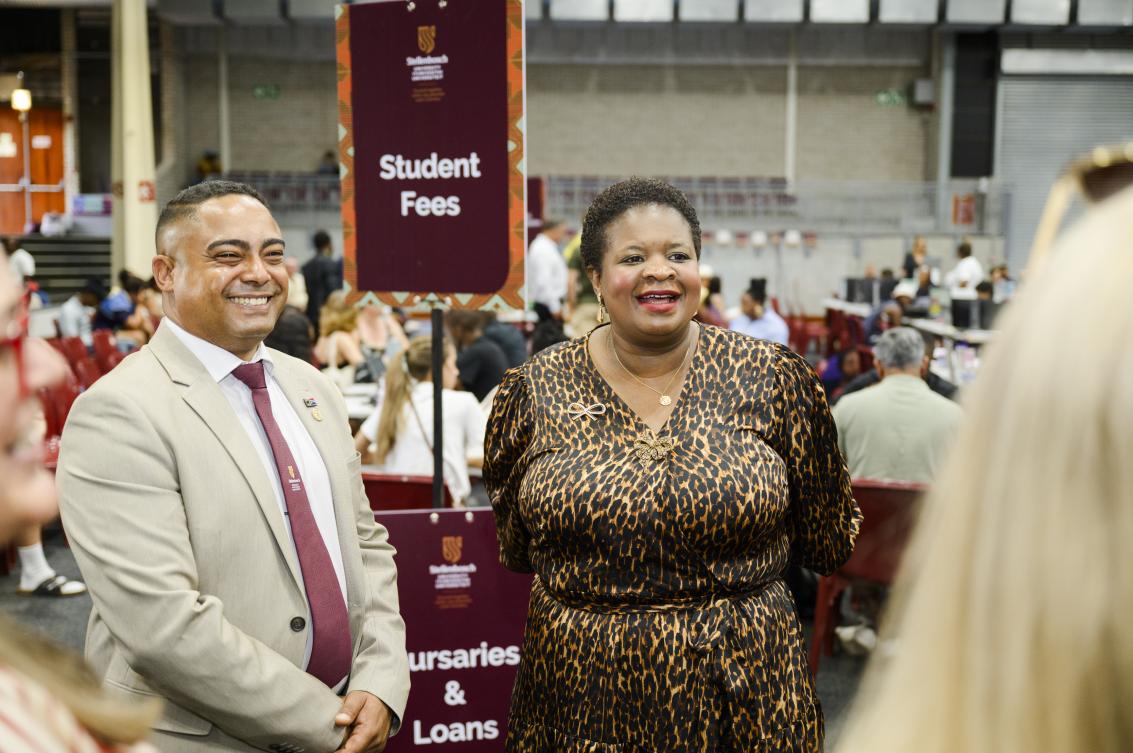
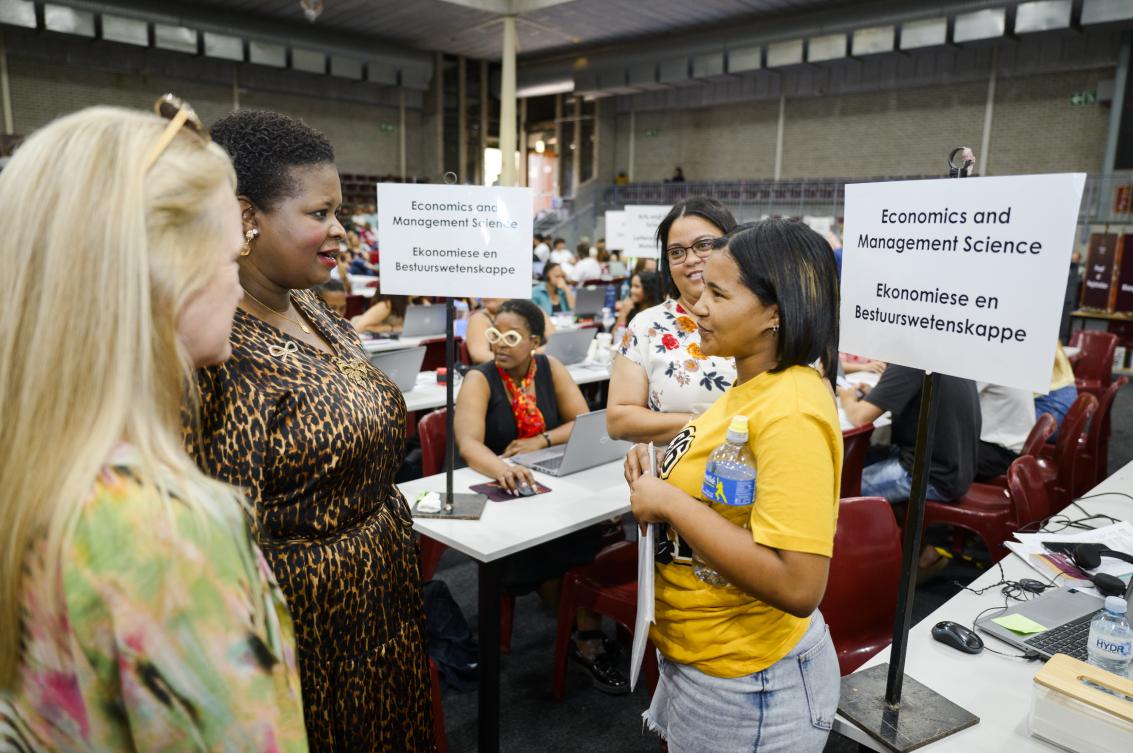
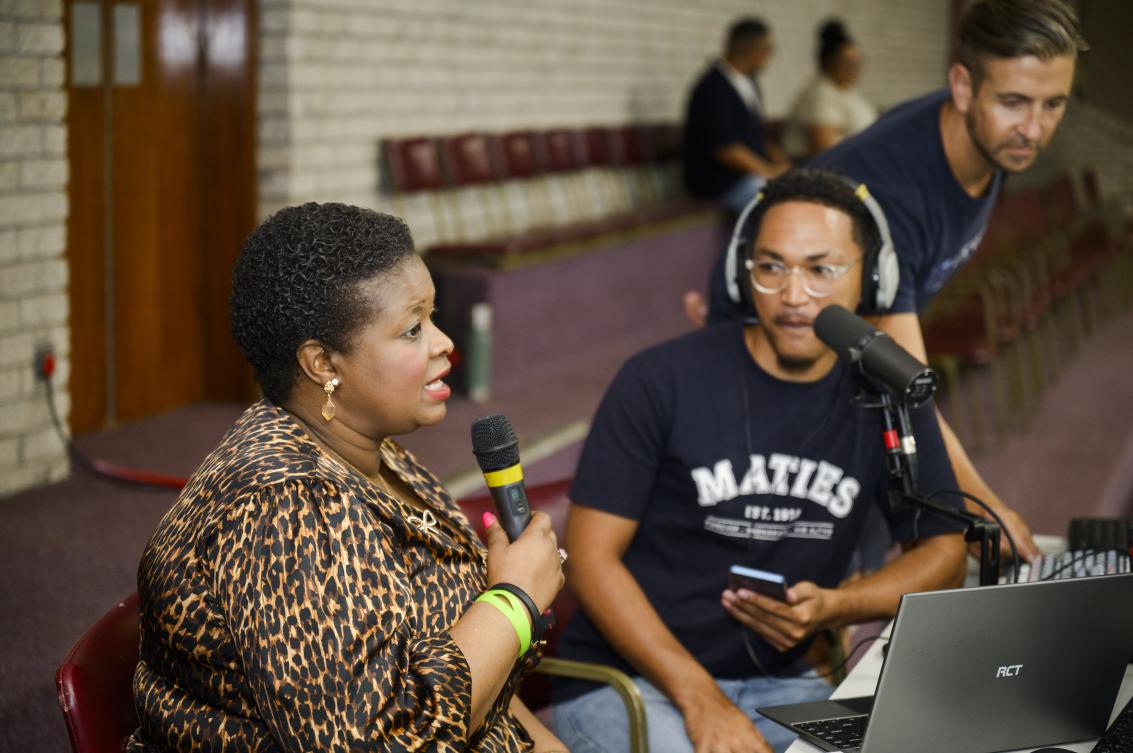
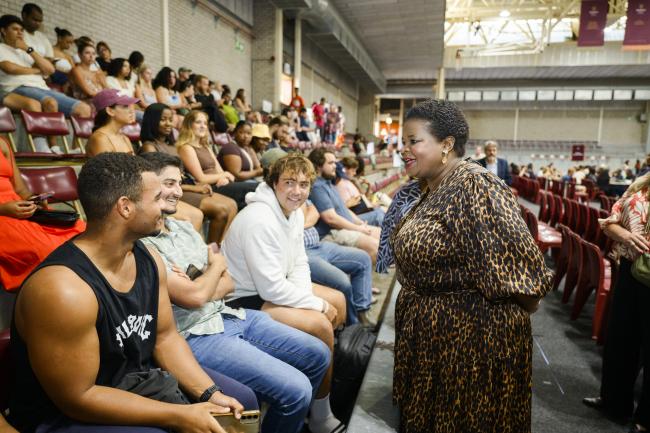
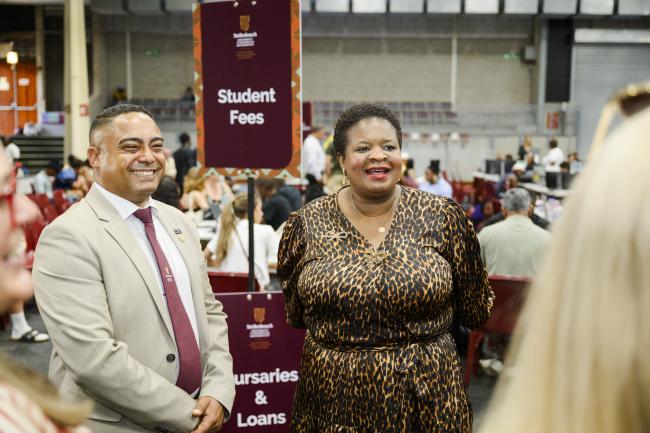
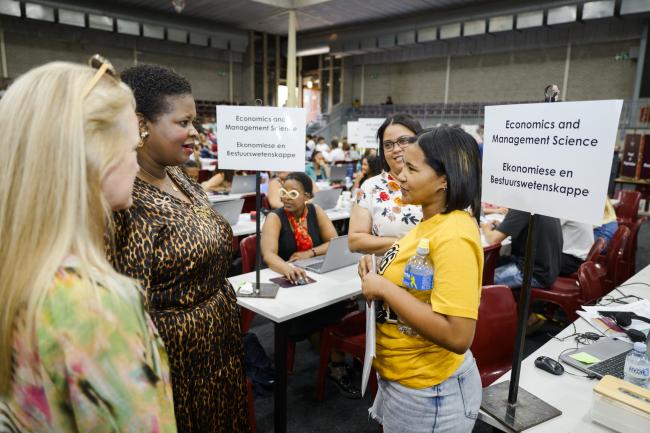
Concluding the visit at the Coetzenburg registration centre, the Deputy Minister was given a tour of the facility by Retief and Deputy Registrar Ashmind Daniels where she interacted with students, parents and staff. Gondwe described the visit as constructive and encouraging.
“I had a great interaction with the University management this morning. There are still some issues around NSFAS and funding to iron out, but overall, I’m very impressed. Stellenbosch University is ready for the academic year,” she declared.
SU holds a very special place in her heart, she added. “The University recognised my potential and who I could become. It is where I discovered who I was meant to be.”
Related stories

Institutional news
Anneline: Using language to open worlds for young learners
For Stellenbosch University (SU) alumna Anneline Arries, language has always been more than a subject. It is a way to connect, to understand different cultures...

Institutional news
Nash: Cast your net wide and stay curious
Whether in his studies, his career or life itself, Nyasha “Nash” Jokomo has never been one to follow the conventional path. Instead, it is through unexpected...

Institutional news
Tiara turns data into practical solutions
From her Data Science studies at Stellenbosch University (SU) to her current role in global markets at the Standard Bank Group, Tiara Pillay’s journey has been...