
ANNS Fellows
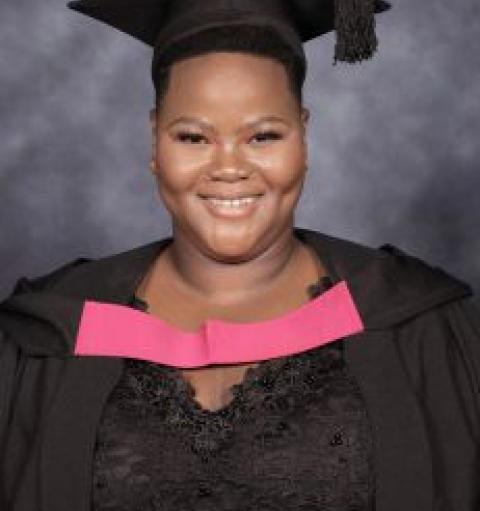
Amogelang Ramatsetse is a Master of Science student in Neuroscience in the Department of Psychiatry at Stellenbosch University, where her research explores the association between extreme weather events and mental health in the Western Cape of South Africa. Her work addresses a critical gap in climate–mental health research in Africa. She holds a Bachelor of Health Sciences in Physiology and Psychology from North-West University and an Honours degree in Physiology from the University of the Witwatersrand. She is a GCP-trained Research Coordinator in the Psychosis Research Programme, contributing to research that advances understanding of psychotic disorders. As a Canon Collins Scholar, she is also part of the Generative Research Practices cohort hosted by Africa Voices Dialogue and the Canon Collins Trust, where she contributes to strengthening communities of care and belonging within academia. She is interested in how neuroethical frameworks can guide climate change and mental health research by addressing issues of social justice, vulnerability, and culture in African contexts. Her interdisciplinary background and demonstrated leadership position her to contribute meaningfully to addressing emerging mental health challenges on the continent.
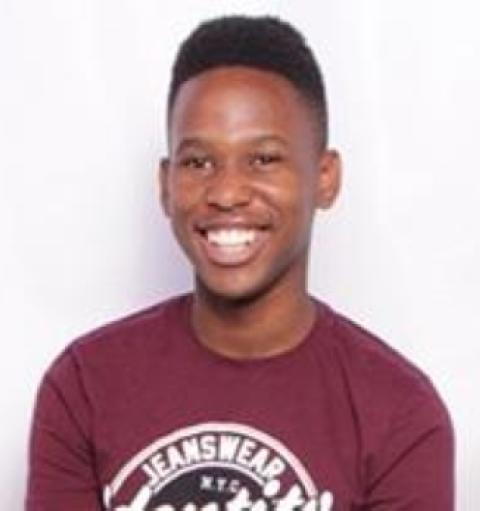
Banele Banda is an MSc Neuroscience Candidate in the Department of Psychiatry at Stellenbosch University. His MSc research focuses on patients who are diagnosed with schizophrenia and schizoaffective disorder and are at risk of a relapse. His work uses Virtual Reality (VR) and applies a cross-sectional methodology comparing people with a diagnosis of schizophrenia / schizoaffective disorder with healthy controls. His current research interests include mental health, psychosis, neuroscience, neuroethics, and the advocacy for human autonomy in neurotechnology research.
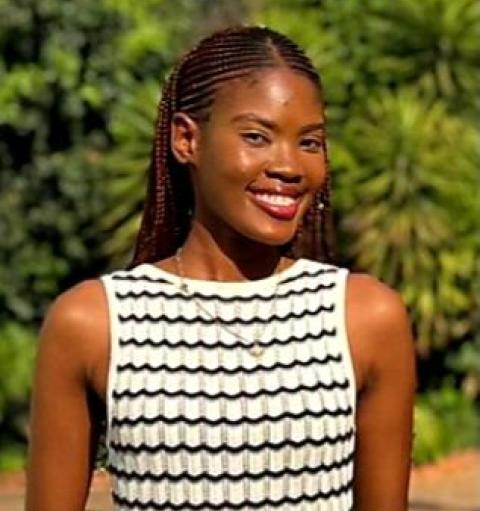
Boikgantsho Unathi Pelle is a master's candidate in Social and Psychological Research at the University of the Witwatersrand and a HPCSA-registered student research psychologist. Her work is grounded in transdisciplinary, human-centred approaches that recognise that complex social problems demand insights from multiple disciplines. Her interests in neuroethics centre on advancing just and equitable applications across the African continent, particularly addressing mental health, menstrual health, criminal justice, and educational disparities. She is particularly interested in how neuroscience intersects with psychological research to inform contextually relevant ethical frameworks for African populations. Central to my research philosophy is the belief that African contexts require African perspectives, which is why she aims to explore how African literature can inform and enrich research methodologies and frameworks in both neuroscience and neuroethics. I advocate for evidence-based, contextually appropriate interventions that centre human dignity and lived experience.
Busisiwe Febana is a dedicated professional nurse specialising in mental health at the Mental Health Unit of Nelson Mandela Academic Hospital. She is deeply committed to advancing mental health care and advocacy within her community and beyond. In addition to her clinical role, she serves as the President of the OR Tambo District Mental Health Forum, where she provides strategic leadership, champions mental health awareness, and strengthens collaboration among stakeholders.
Busisiwe is also a passionate mentor, supporting and guiding emerging healthcare professionals and community advocates in the mental health space. Driven by a strong interest in brain science and evidence-based practice, she is currently completing a short course in Neuroscience at Stellenbosch University, further enhancing her expertise and impact in mental health care.
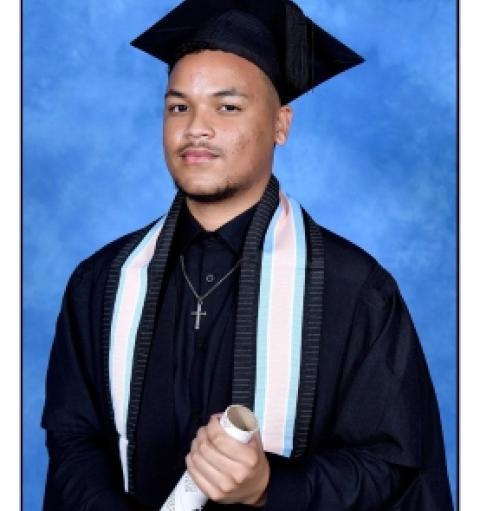
Daron Bosch is a student from Rhodes University in Makhanda, Eastern Cape. He is currently pursuing his Master of Commerce in Management. Daron has maintained an outstanding academic record, graduating with a Bachelor of Business Administration (with distinction) and a Bachelor of Commerce (Honours) Degree in Management. Daron’s master's thesis, “The Influence of Digital Technology on Customer Satisfaction as mediated by the consumer buying process,” aims to utilise quantitative and statistical techniques to examine how the use of online platforms impacts customer satisfaction throughout the consumer buying process among university students in South Africa, with a specific focus on the retail sector. His research seeks to close the gap in understanding students' interactions with digital technology across each phase of the consumer buying journey and how these interactions affect customer satisfaction. Beyond his work in management and digital technology, Daron has a strong interest in neuroscience and neuroethics, particularly in exploring how emerging technologies intersect with cognitive processes and ethical considerations. He is passionate about understanding the implications of neurotechnological advancements on decision-making, privacy, and human autonomy within neuromarketing.
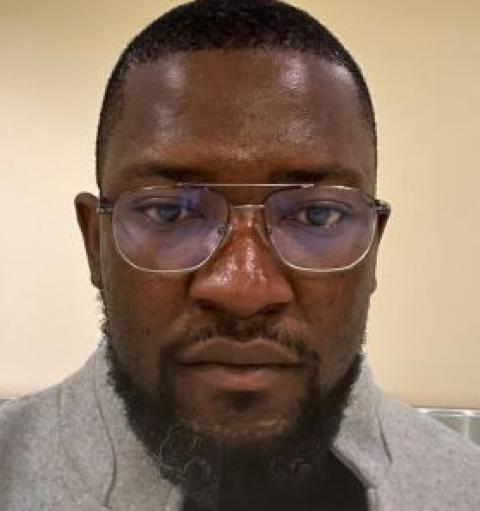
Dr Thokozani Kubheka is a medical doctor and a Master’s candidate in Neuroscience at the University of Cape Town, focusing on the application of artificial intelligence to improve access to neurosurgical care in low-resource settings. He earned his medical degree at the University of the Witwatersrand and completed his internship at Ngwelezana Hospital, followed by community service at Themba Hospital. These experiences shaped his commitment to equitable healthcare and sparked his interest in neuroscience, emerging health technologies and neuroethics. He is currently writing a scholarly book review in Neuroethics. Dr Kubheka aims to grow as a clinician-scientist advancing responsible neurological care across Africa.
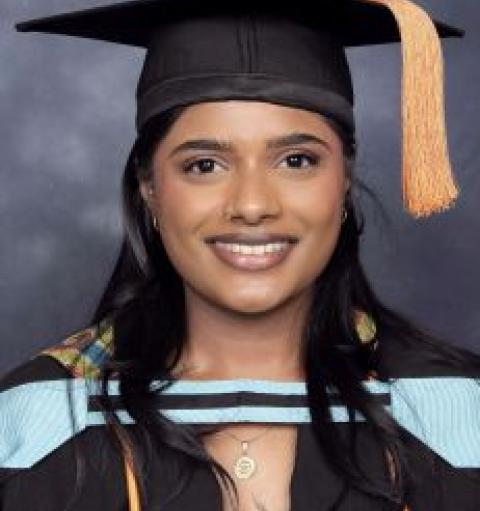
Evashni Reddi is a Master of Neuroscience candidate at the University of Cape Town and an emerging neuroscience researcher. She has previously designed a master’s-level research project at the University of Johannesburg examining the effects of widely prescribed antiseizure medications for focal and generalised epilepsy in South Africa, using neuroimaging and cognitive assessment methods within an interdisciplinary clinical framework. Her research interests include neuropsychopharmacology, advanced neuroimaging methods, and the development of machine learning models to predict treatment outcomes in neurological care. She also has a growing interest in neuroethics, with a particular focus on the responsible use of neuroimaging and machine learning technologies in clinical and research settings, and on how ethical frameworks can guide neuroscience in Global South contexts. In addition, Evashni has extensive experience in university-level teaching, facilitation, mentorship, and research supervision. She is committed to emphasising contextually grounded, ethically engaged neuroscience to strengthen research capacity and improve neurological care in South Africa.
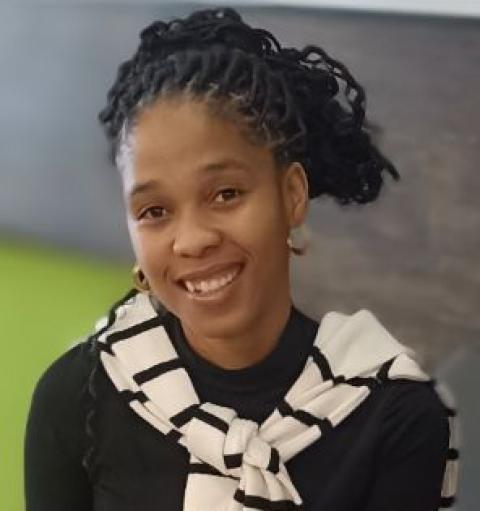
Gladys Komboshi Manamela is an emerging counselling psychologist with a Master’s degree in Counselling Psychology. Driven by her lived experiences and community-rooted values, she is passionate about advancing mental health support for young people. Her Master’s research explored academic resilience and psychological distress among university students to help strengthen and diversify student support systems. She is currently involved in residential student life support and is pursuing a PhD in psychology, focusing on neuroimaging techniques to investigate neurovascular coupling in trauma rehabilitation.
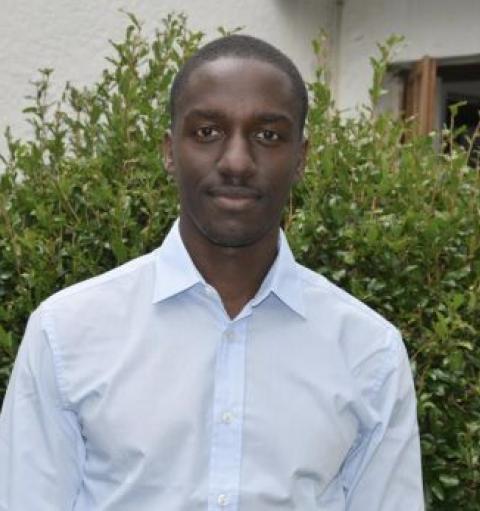
Jeremie Mututu is a Kenyan national who recently completed his Clinical Psychology training in South Africa and plans to initiate a PhD project in late 2026. He has provided psychotherapeutic services across a range of settings, including state hospitals, community clinics, children’s homes, and university counselling centres, working with diverse psychopathologies and psychosocial challenges in both children and adults. He has a particular interest in research that bridges neuroscience and clinical practice, specifically in addiction. While his interests in neuroethics relate to social justice and equity through the lens of neuropsychological assessments, neuroimaging techniques and local communities.

Kirsten Steenkamp is an MPhil (Behavioural Medicine) candidate who is among the inaugural cohort of ANNS fellows. Kirsten’s work gravitates towards the elderly; in particular, the growing global interest in promoting lifestyle interventions to reduce the burden of dementia. In 2025, she established foundational dietary research in a dementia-risk, public clinic sample. As pervasive food security restricts individual agency, contextually-informed health promotion becomes an ethical responsibility. As an aspiring health researcher, Kirsten is driven to unlock research as a vehicle for brain health equity in South Africa. Aligned with the Dana Foundation’s mission for interdisciplinary neuroscience, Kirsten looks forward to advancing neuroethics in a country gripped by chronic disease.
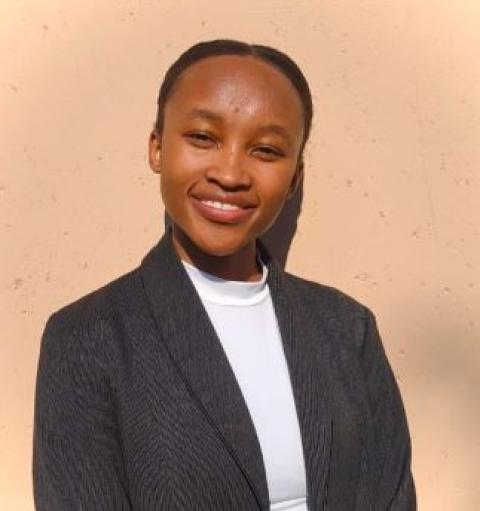
Lesedi Litlhakanyane is currently a Master’s student of Science in Neurogenetics at the University of Witwatersrand. Her research focuses on the neurogenetic and epigenetic mechanisms linking schizophrenia to comorbid type II diabetes through neuroinflammatory pathways. She has also worked on rare congenital disorders, particularly congenital myopathy, with an emphasis on variant detection in South African populations. Lesedi is passionate about ethical, inclusive neuroscience and especially interested in how genetic data is interpreted and communicated within an African context to support responsible, informative community-centred research.

Liesl Strydom is a genetics researcher specialising in neurodevelopmental and psychiatric disorders. Her work focuses on understanding neurodevelopmental genes, DNA methylation, and the accuracy of cellular and animal models in representing human brain biology. She has experience working with neurodevelopmental animal models of schizophrenia, investigating gene regulation and disease mechanisms using molecular, epigenetic, and bioinformatic approaches. Her research interests lie at the intersection of neuroscience and neuroethics, particularly in understanding how early neurodevelopmental disruptions influence cognition, behaviour, and mental health outcomes. She is deeply interested in the ethical implications of psychiatric research, including responsible model design, translational validity, and the societal impact of neuroscientific discoveries. Liesl has presented her findings at national and international research symposiums and is passionate about translating complex science into accessible knowledge. She is currently pursuing a Master’s degree at the University of the Witwatersrand to advance mental health research and empower communities through science-driven awareness.
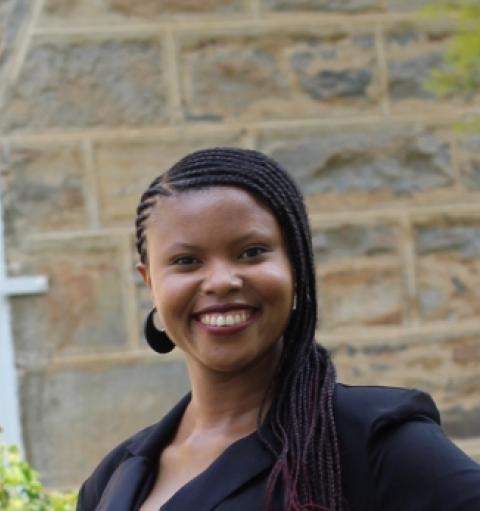
Lisolethu Dlova is a multidisciplinary scholar who holds a Bachelor of Pharmacy, a Master's in Education and a Postgraduate Diploma in Applied Ethics (cum laude). She is currently pursuing a Master of Philosophy in Applied Ethics, specialising in Biomedical Ethics at Stellenbosch University. Her research explores Social Justice, Pharmacy Practice and Public Health Ethics in South Africa. Her fellowship with the African Neuroscience, Neuroethics and Society short course has provided her with a unique opportunity to participate in the global conversation around the ethical, legal and social implications of the advancements in the field of Neuroscience. She is especially interested in advancing African-centred neuroethics frameworks that reflect local values, norms, and practices. She is excited to be a part of a community of scholars who aim to strengthen ethical oversight of neuroscience research in Africa and to make a contribution towards a more inclusive, diverse and just global neuroethics discourse.

Melisa Zulu is a researcher dedicated to social justice and community wellbeing. She earned her undergraduate and Honours degrees in Psychology at the University of the Western Cape before completing a Master of Social Sciences in Psychology at the University of Cape Town. She is commencing her PhD studies this year. Her postgraduate research focused on the experiences and support needs of at-risk adolescents and those who have dropped out of school.
Melisa’s interests in neuroscience and neuroethics centre on the equitable application of brain research within marginalised communities. She is particularly focused on developing neuroethical frameworks that protect vulnerable populations while driving meaningful social impact. An active volunteer and qualitative researcher, Melisa is committed to using reflective practice to foster empowerment and positive change.
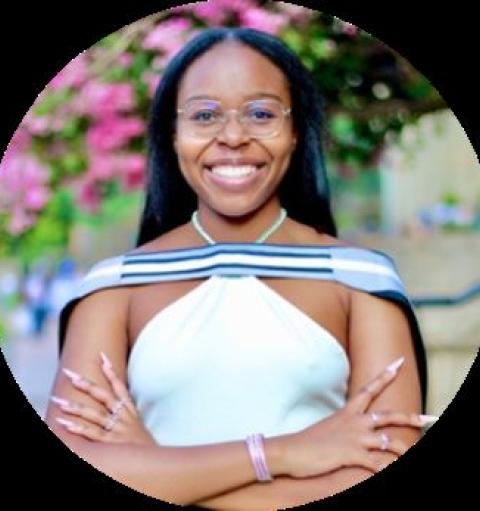
Prisca Rahatji is an MSc (Medicine) candidate specialising in Neuroscience in the Department of Anatomical Sciences, School of Biomedical Sciences. Her research focuses on the effects of diabetes on facial bone structure, integrating neurobiological and anatomical perspectives. Prisca’s interest in neuroethics is shaped by her experience as a researcher, and she aspires to contribute to the centralisation and advancement of ethical frameworks in neuroscience research across Africa.
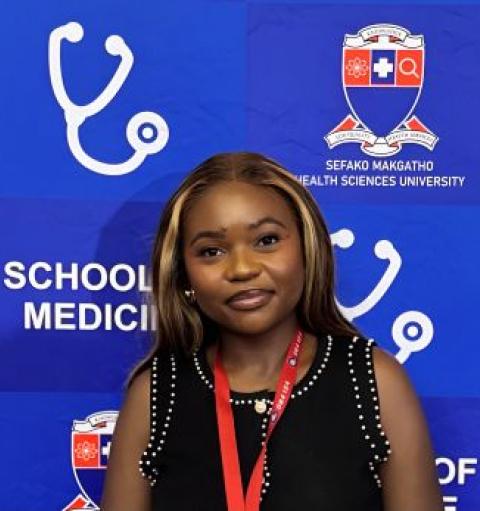
Sandy Hadebe is an MSc (Medicine) Anatomy candidate and experienced Anatomical Sciences Demonstrator committed to advancing student learning through hands-on dissection and practical instruction. With an award-winning background in clinical anatomy research, she works at the intersection of anatomical science, clinical neurology, and medico-legal practice. Her emerging scholarship is driven by a commitment to bridging anatomy with its broader social, ethical, and clinical relevance in Africa.
As a fellow of the African Neuroscience Neuroethics and Society Short Course, she is deepening her engagement with the ethical, legal, social, and cultural dimensions of neuroscience and health research. This training strengthens her goal of becoming a scientist-educator who is not only methodologically rigorous but ethically grounded and community responsive.
Her interests in neuroscience and neuroethics are shaped by direct clinical experience in neurological assessment within medico-legal contexts. Through administering cognitive screening tools and engaging with neurologists and patients, she became acutely aware of how neuroscientific measures of cognition can influence legal outcomes, dignity, and access to justice. Her work now focuses on the ethical use of cognitive assessments, questions of fairness across linguistic and cultural contexts, and the societal implications of applying neuroscience in real-world clinical and legal settings.

Shannon Winnaar is a Master of Neuroscience candidate at UCT. She is an aspiring researcher with growing expertise in neurorehabilitation, paediatric traumatic brain injury, and machine learning applications in neuroimaging. Her research interests include virtual reality as a cognitive rehabilitation tool, mechanisms and impacts of deep brain stimulation, and how emerging neurotechnologies are reshaping both medicine and our understanding of what it means to be human. She is particularly drawn to interdisciplinary frameworks linking neuroethics to questions of justice, governance, and cultural perspectives on mind and personhood. Her engagement with neuroscience is grounded in a commitment to understanding not only how the brain functions, but how neuroscientific knowledge is produced, applied, and governed. This perspective motivates my interest in neuroethics as a framework for critically examining the societal, cultural, and moral implications of neurotechnological innovation.
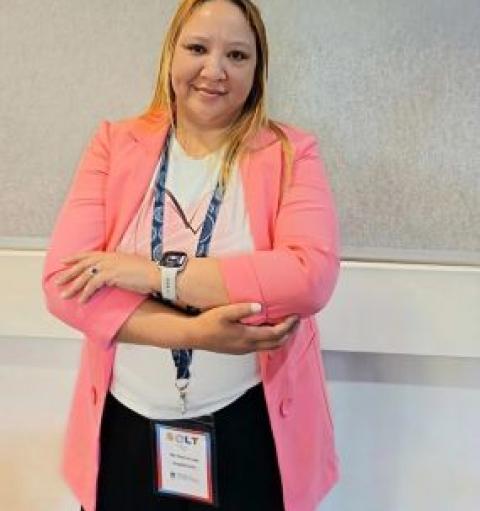
Sharon-Lee Engelbrecht is a Graduate Lecturing Assistant and emerging scholar whose work bridges teaching, research, and community engagement. Rooted in the Cape Flats, she brings lived insight, academic excellence, and a diverse professional background to her work. She spent nine years in the Oil and Gas sector, five years in Higher Education, and dedicated four years to volunteer service, shaping a grounded, people-centred approach to learning and leadership. Sharon-Lee completed her undergraduate degree with distinction, followed by Honours in Psychology, and is currently completing her Master’s thesis at the University of the Western Cape, focusing on resilience processes and post-traumatic growth among survivors of sexual violence. Passionate about reflective practice, mentorship, and inclusive education, she is committed to shaping compassionate future educators and contributing to scholarship that promotes healing, equity, and transformative learning.
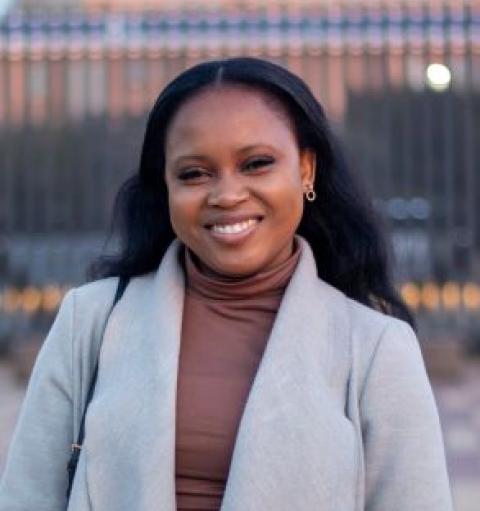
Tlalane Mahase is a post-graduate student at the University of the Witwatersrand, currently completing an MSc in Bioethics and Health Law. Her work is driven by a deep interest in the intersections of neuroscience, ethics, society, and the philosophical questions that arise in these spaces. She has gained practical experience through internships in public health and neurophysiology settings, engaging with research ethics, patient interactions, and questions of accountability in healthcare. Tlalane’s academic focus includes Neuroethics, emerging technologies, and the ethical challenges shaping African health research. As a fellow of the African Neuroscience, Neuroethics and Society Short Course, she aims to deepen her expertise and promote context-aware ethical practices.

Zola Silimfe is a seasoned Population Studies Specialist and Assistant Director with over a decade of experience in research, policy analysis, and programme implementation across South Africa’s public sector, academia, and development institutions. She holds a Bachelor of Social Science, a Master’s degree in Population Studies, and is currently pursuing a Master of Public Health. Her professional background includes leading national HIV, TB and STI surveys at the Human Sciences Research Council and contributing to strategic outputs such as the African Governance Report 2023. A published researcher, she is committed to advancing evidence-based policymaking to strengthen public health and social development systems.
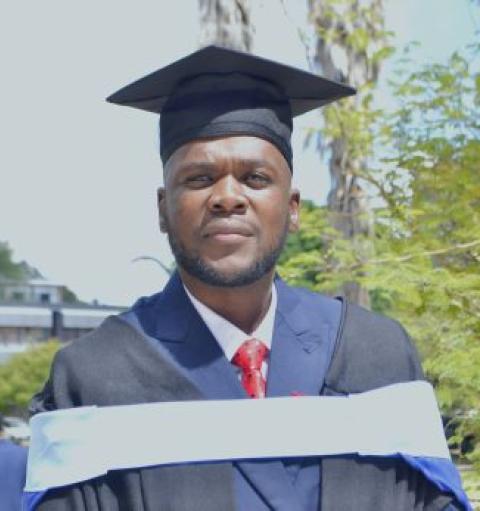
Zukisa Makhangela holds a BSc (Hons) in Medical Science with a specialisation in Advanced Human Genetics. He is currently pursuing an MSc in Neuroscience, where his research focuses on developing and validating a virtual reality-based behavioural assessment tool to measure anger and frustration in adolescents. His work combines cutting-edge technology with behavioural science to better understand emotional regulation and improve mental health interventions for young people