
Student community
A living tapestry
Our students: a community built for purpose
The story of our student community is, in many ways, the story of South Africa itself — a journey from a small, homogeneous intake to a rich and complex community that more genuinely reflects the country it was built to serve.


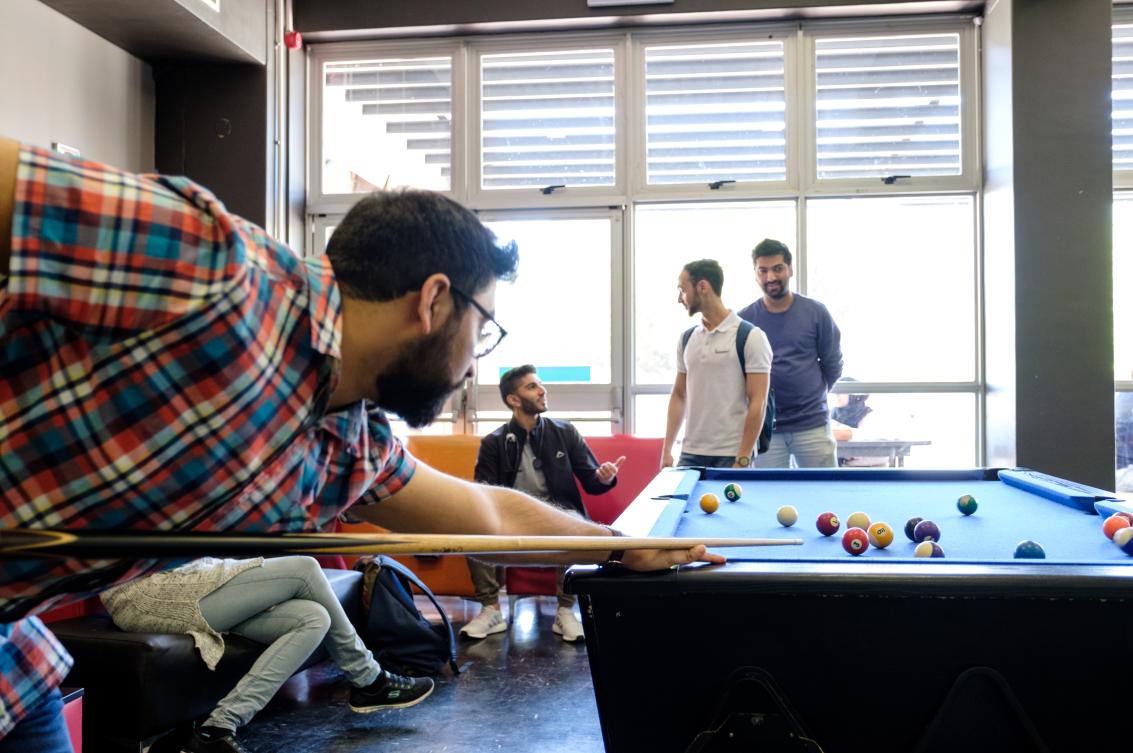
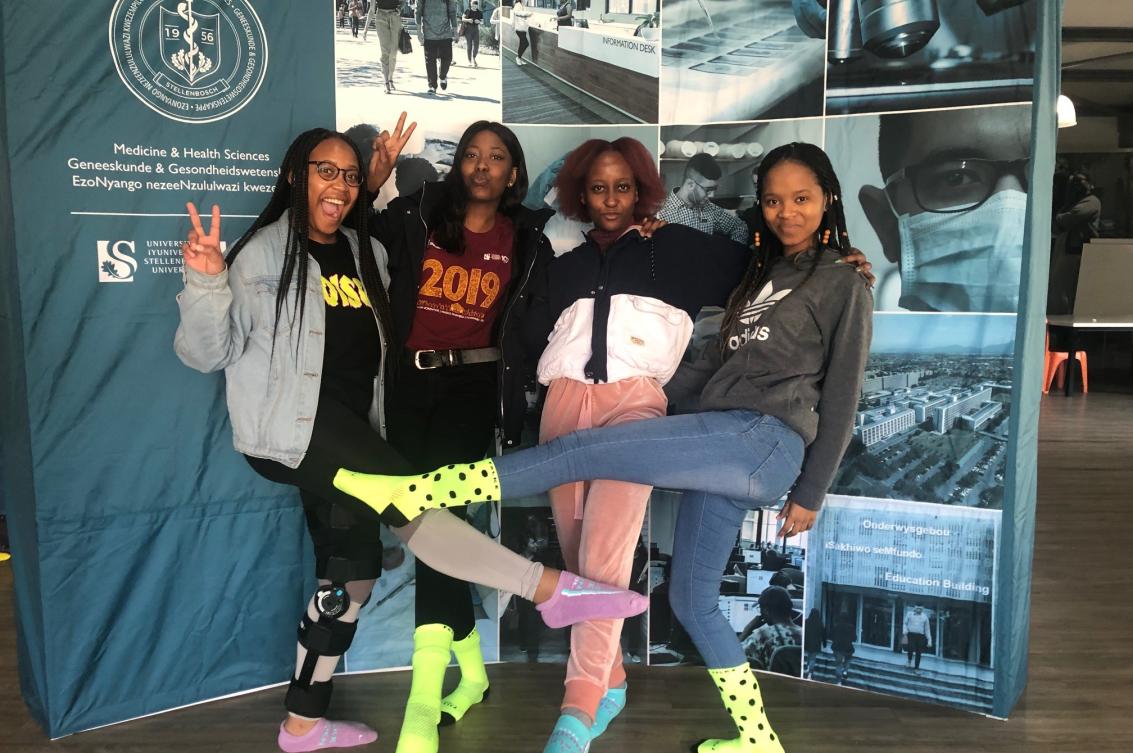
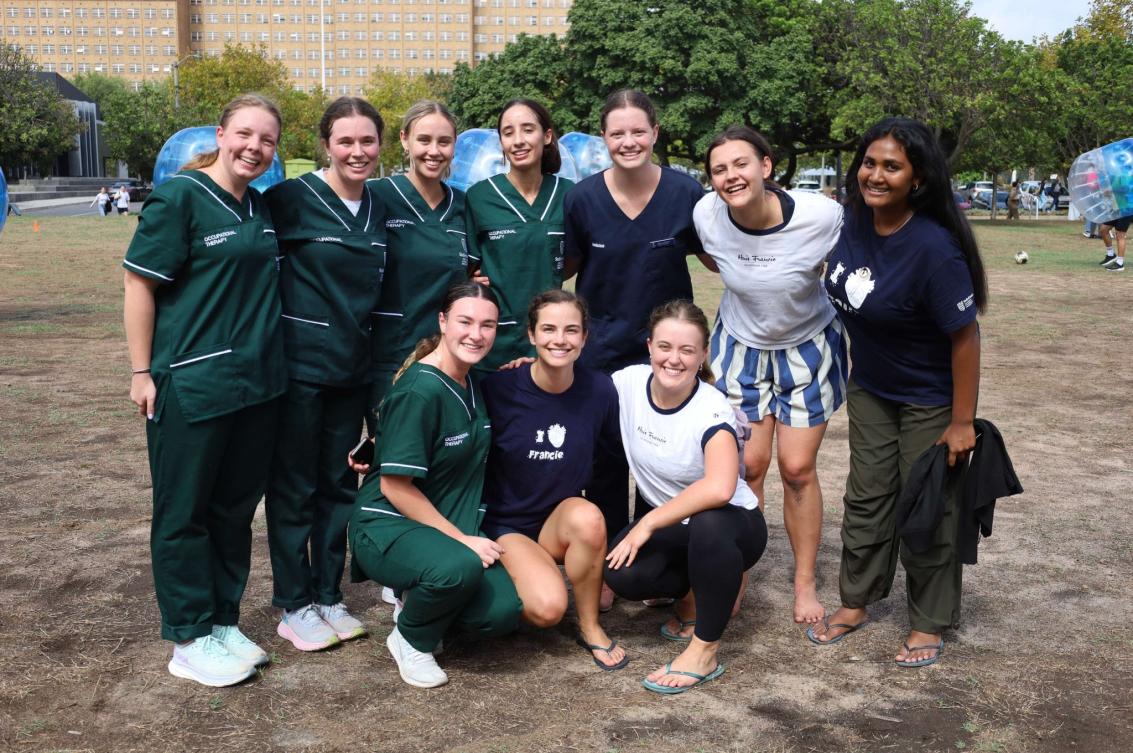


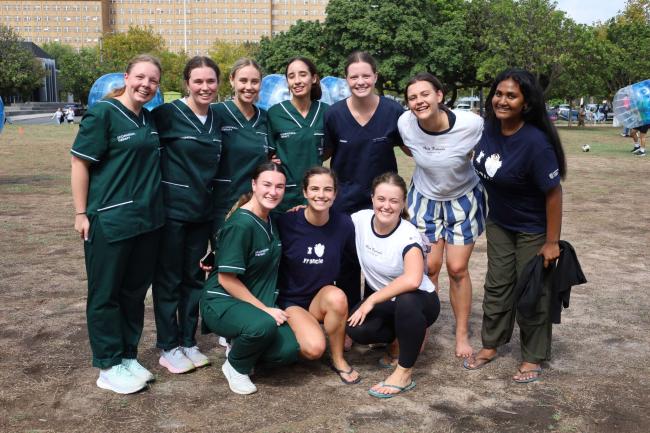
Student life on campus.
Growth that tells a story
When we opened our doors in 1956, our student body was a fraction of its current size. Today, the numbers speak for themselves: from 2 440 students and 603 staff in 1996 to more than 4 500 students and 2 100 staff in 2025. Nearly 5 000 students are now enrolled across six undergraduate programmes and more than 90 postgraduate options — spanning medicine, nursing, physiotherapy, occupational therapy, dietetics, speech-language and hearing therapy, and a wide range of specialist and research disciplines.
That growth has not simply been a matter of scale. The increasing complexity of health professions education and biomedical research has demanded a faculty that constantly evolves — in the programmes it offers, the facilities it builds, and the people it attracts.
Committed to transformation
Our transformation journey runs through the past three decades of its history. The Dean's Advisory Committee on Transformation (DACT), established in 2016, brings together students, staff, and representatives of the Western Cape Department of Health to create more inclusive environments across all teaching, learning, and work platforms.
Equality Champions are trained students and staff who support colleagues experiencing discrimination or harassment across the campus. A Faculty Charter sets out shared values for how the community treats one another. Visual Redress initiatives have worked to ensure that campus imagery reflects the full diversity of the community, not just its past.

Celebrating 70 Years of Impact: Transformation
Support for the full person



A growing community, reflecting a growing need

Key transformation milestones - 1956 to 2025
A community that reflects South Africa
Students now arrive from every province in South Africa, from across the African continent, and from countries around the world. They bring different languages, different lived experiences, and different reasons for choosing a career in the health professions.
That diversity is actively pursued. Health professionals who reflect the communities they serve are better equipped to understand those communities, communicate with them, and earn their trust.

Life beyond the lecture hall
There is a particular risk in professional training: the pressure of the curriculum can crowd out everything else. We take a different view. Campus life at Tygerberg, including the societies, sports, events, and informal connections forged in residence corridors, is part of what develops the empathy, resilience, and collegial spirit that make a truly excellent health professional.
Students who learn to look after themselves and each other are better prepared to look after patients. Seventy years in, that remains one of the faculty's most important commitments.
Next: Facilities
Cutting-edge facilities support world-class education