
CINIA convenes IDRC partner’s summit to strengthen information integrity in the Global South
- CINIA and the IDRC launched a three-year research partnership across Africa, Asia, Latin America, and the MENA region to strengthen global information integrity.
- The collaboration targets critical digital challenges including disinformation, media literacy, technology-facilitated gender-based violence, and the responsible use of generative AI.
- The initiative will fund and amplify multidisciplinary research designed to drive concrete policy changes and advocacy efforts throughout the Global South.
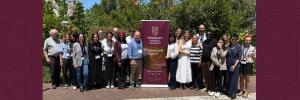
The challenge of building an inclusive, just, equitable, enabling and safe information ecosystem was the focus of a recent week-long planning workshop in Stellenbosch, hosted by the Centre for Information Integrity in Africa (CINIA). The workshop marked the start of a three-year research collaboration to strengthen information integrity in the Global South, funded by the Canadian International Development Research Centre (IDRC).
Representatives from IDRC partner organisations across Africa, the Middle East and North Africa (MENA), Latin America, and Asia convened to chart the project’s course and collaboratively design a research agenda.
Over the next three years, research organisations, practitioners, and activists will collaborate on projects addressing issues such as disinformation, media literacy, technology-facilitated gender-based violence (TGBV), investigative journalism and the responsible use of generative AI.
The Principal Investigator for the collaboration is Professor Herman Wasserman, CINIA Director and Professor of Journalism at Stellenbosch University, who will lead a core CINIA team overseeing the initiative. The goal of the project is to promote multidisciplinary and innovative research, stakeholder collaboration, policy advocacy, and capacity building across the Global South.
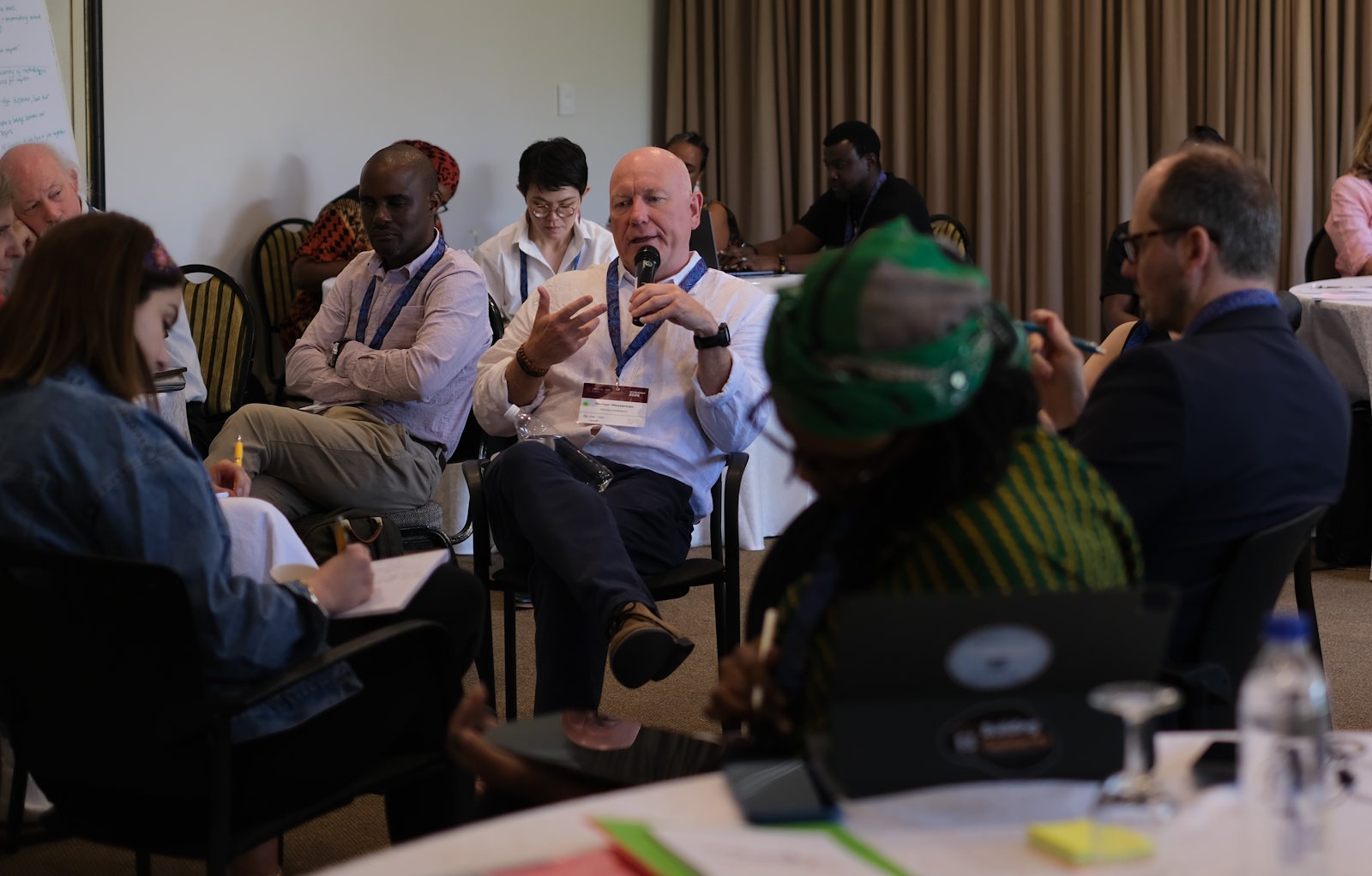
Prof Wasserman explains the purpose of the gathering. “The meeting brought together a wide range of stakeholders, such as civil society activists, researchers and academics from around the Global South. The idea was to hear what different organisations are doing and for CINIA to think about how we can bring this project forward with the ultimate aims of deepening knowledge and making an impact on policy.”
Participants engaged in discussions on issues such as defining information integrity, producing impactful research, and communicating research outcomes. They also presented their current work and identified gaps that future research could address.
Participants saw the benefits of the gathering in strengthening networks and finding collaborative opportunities. ‘Gbenga Sesan, Executive Director of Paradigm Initiative, an African digital rights non-profit organisation headquartered in Lagos, Nigeria, highlighted the benefits of the gathering: “I had the privilege of listening to other organisations that work on both similar and different projects. It is interesting to see how we can collaborate and work together to advance the field of information integrity and get outcomes we can use on our advocacy work in this area.” (do we have another quote from another delegate we can add here?)
Following the conference, the CINIA team will synthesise the learnings from the five-day event, providing the foundation for partner organisations to submit research proposals under the broader umbrella of strengthening information integrity in the Global South.
Prof Wasserman explains, “CINIA will develop key research themes and then go back to these partners in the network and ask them to come up with concrete proposals they can work on. We will then help facilitate, fund and amplify these collaborative projects throughout the next three years.”
- Follow the work of CINIA at https://cinia.africa
Related stories
Arts, languages and social sciences
From podcast policy to African perspectives: honours students engage with media spaces
The 2026 BAHons Journalism students engaged with South Africa’s evolving media landscape by attending the Portfolio Committee Meeting on Communication and...
Arts, languages and social sciences
Dr Meli M Ncube Presents at Countering Foreign Interference (CFI) Africa Forum in Senegal
Dr Meli M Ncube of Stellenbosch University’s Department of Journalism was among the researchers, policymakers, journalists and civil society organisations from...
Arts, languages and social sciences
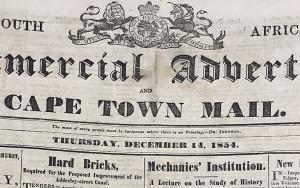
Collaboration with Stanford to digitise colonial newspaper
Prof Gawie Botma from the Journalism Department of Stellenbosch University (SU) is collaborating with two academics from Stanford University in the United...