
Research Fields
Postharvest Biosystems and Agroprocessing
Focuses on understanding the physiological and underpinning molecular responses of fruit and vegetables from farmgate to the consumer table.
Explores sustainable food preservation strategies, including refrigeration, packaging systems, irradiation, and other non-thermal technologies to minimise postharvest losses.
Applies conventional and advanced tools to transform agricultural produce into convenient, value- added products and enable the development of new products.



Cereal Science and Brewing Technology
Explores the complex biochemical reactions in cereals using physicochemical, rheological, and advanced analytical techniques.
Investigates ancient grains and alternative raw materials for brewing and distilling.
Applies near-infrared (NIR) spectroscopy and hyperspectral imaging to characterise wheat, barley, and other commodities such as hops.
Advances on non-destructive analytical approaches for cereal quality assurance and innovation in food and beverage applications.
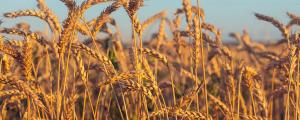


Near-infrared (NIR) Spectroscopy and Hyperspectral Imaging
Applies near-infrared spectroscopy and hyperspectral imaging for non-destructive assessment of food quality, product authentication,and food fraud detection.
Uses multivariate data analysis and chemometrics methods to interpret complex spectral data.
Visualises the chemical composition of food matrices using spatially resolved hyperspectral image analysis.
Utilises both benchtop and portable instruments for real-time quality monitoring in laboratory and field settings.
Advances spectroscopic approaches to transform food quality control and product authentication.


Sensory Science and Sensometrics
Focuses on understanding consumer perception and product experience using advanced sensory evaluation and statistical modelling.
Conducts descriptive and affective tests, consumer behaviour studies, and sensometric analyses.
Supports product development, quality optimisation, and innovation in the food and beverage sectors.
Provides facilities for academic and industry collaboration, including contract testing and customised sensory solutions.
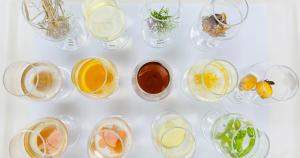

Sensory for the Food Industry
Applies descriptive analysis, sensometrics, and advanced statistical tools to link sensory attributes with ingredients, processing conditions, and physicochemical properties of foods and beverages.
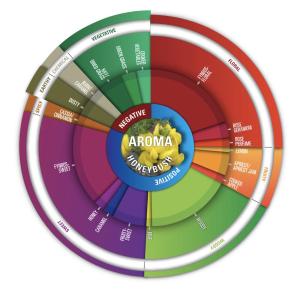
Explores diverse food matrices, with particular expertise in profiling indigenous South African products and developing sensory communication tools such as aroma and flavour wheels.
Supports industry through product benchmarking, consistencymonitoring, product profiling, consumer studies, and the identification of drivers of liking.
Offers training workshops, conducts independent sensory research, and builds national and international collaborations to advance sensory science.

New Product Development and Functional Foods
Explores the role of nutrition as a tool to help address and prevent emerging health challenges in the general population.
Advances innovation in the new product development process, including the application of novel sensory methods, data analytics, and artificial intelligence.
Investigates the potential of functional foods to contribute to preventative health and improved wellbeing.


Food and Water Quality and Safety
Conducts multidisciplinary, One Health–focused research addressing food and water quality and safety across the agricultural-food system, linking pathogens to public health outcomes, and incorporating food safety communication and stakeholder engagement.
Identifies, tracks, and investigate the survival of microbial populations in food and water using phenotypic and molecular approaches such as whole-genome sequencing and metagenomics.
Investigates antimicrobial resistance, sanitiser tolerance, and evaluation of disinfection technologies including UV.
Examines microbial safety in diverse food commodities, including ready-to eat foods, fresh produce, dairy, meat, protein powders, and fermented foods.
Studies microbial populations such as Listeria monocytogenes, Salmonella, Clostridioides difficile and Enterobacteriaceae.
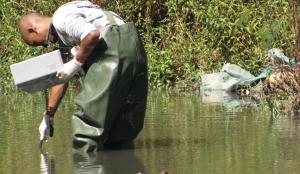


Centre for Food Safety (CFS)
Conducts multidisciplinary research addressing food safety across the agri-food system, from farm to fork, in collaboration with industry, veterinarians, academia, government, and healthcare sectors.
Advances internationally relevant food safety research, training, and capacity building through strong national and global collaborations.
Provides fully equipped BSL-2 food microbiology laboratories that enable high-quality research and rapid response to emerging risks.
Applies a One-Health approach that emphasises the interconnectedness of human, animal and environmental health to strengthen food safety and address global challenges.
Uses whole-genome sequencing technologies to strengthen foodborne disease surveillance and response and support precision food safety.

Food Biochemistry
Investigate the complex biochemical interactions between food ingredients that influence product quality and stability.
Develop novel, rapid and sensitive analytical methods to evaluate ingredient stability in response to processing conditions.
Apply advanced analytical techniques to overcome matrix-related limitations of conventional analytical approaches.
Support new product development and advance innovation in the food industry through improved biochemical insight.
