
Visual Arts Staff
Academic Staff
Fine Art
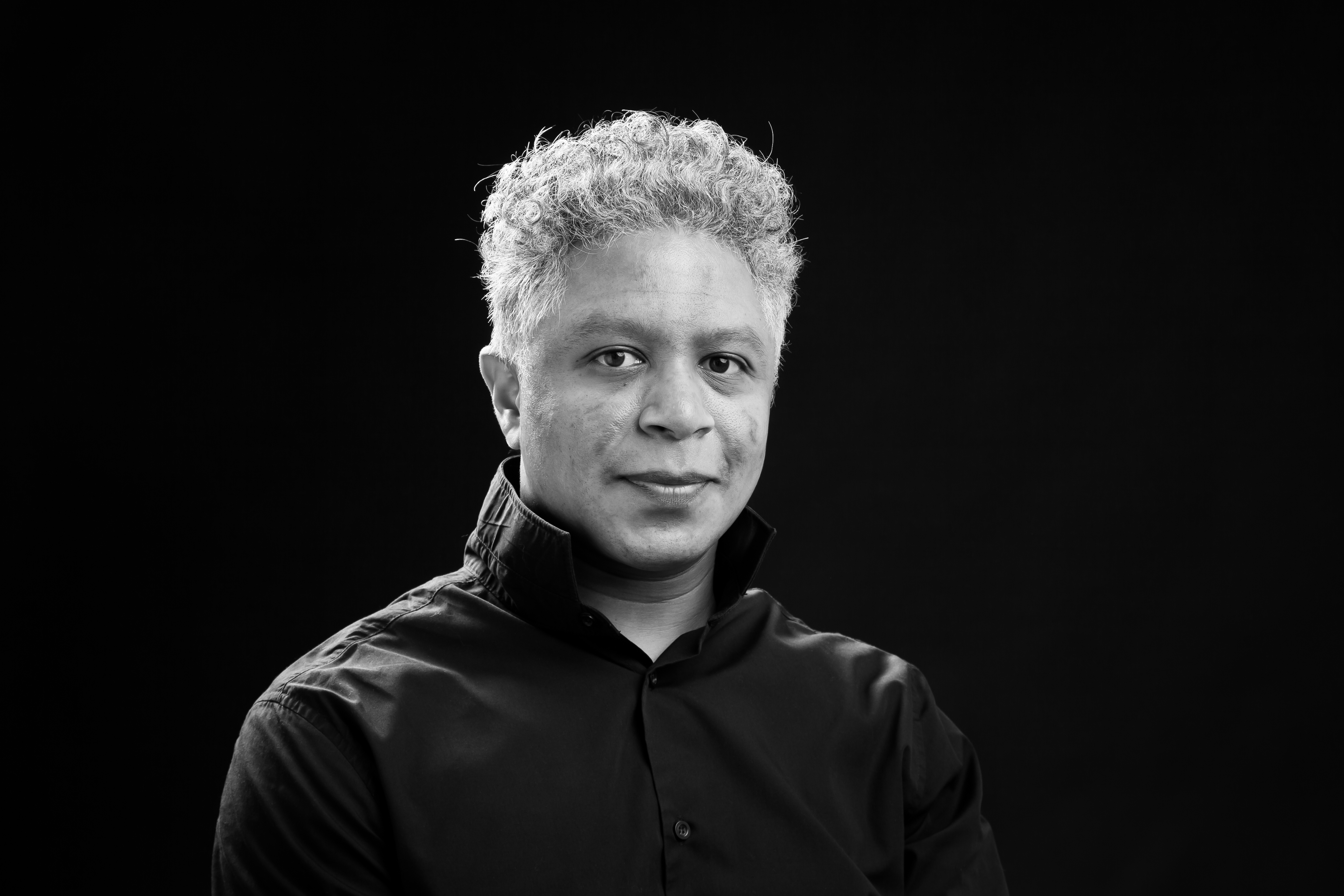
Ashley Walters
Ashley Walters is a photographer, visual artist, and educator whose work focuses on urban experience, identity, memory, and the long-term effects of historical trauma. His practice includes photography, moving image, installation, and collaborative research, with a sustained interest in communities, land, and spatial transformation in South Africa.
Walters teaches Photography and New Media in the Visual Arts Department at Stellenbosch University, where he is the Fine Arts Coordinator. He also serves as acting Vice Chair of the Marketing and Recruitment Committee in the Faculty of Arts and Social Sciences, and contributes to several initiatives that support student recruitment, well-being, and leadership development.
He completed his BAFA (2011) and his MFA (2013) at the Michaelis School of Fine Art, University of Cape Town, where he received several awards, including the Michaelis Prize (2011) and the Tierney Fellowship Award (2013). Subsequently, he took part in a creative exchange at the Hochschule für Bildende Künste Braunschweig (2013). He was awarded an Apexart Fellowship (2015) in New York, followed by an artist residency in Amersfoort, Netherlands (2017).
Commissioned by Magnum Foundation in collaboration with The Atlantic Philanthropies and other organisations his work has been featured widely in publications such as Laying Foundations for Change; Rogue Urbanism: Emergent African Cities; Aperture magazine: Platform Africa, Summer 2017 edition (#227): Recontres de Bamako: Biennale Africaine de la Photographie; Strange Cargo: Essays on Art; Acts of Transgression: Contemporary Live Art in South Africa; and Landscapes of Dispossession: Stories of the Hardekraaltjie Cemetery.
Walters is a participating artist and researcher in An Urban Interregnum, led by the Centre de Cultura Contemporània de Barcelona. The project brings together artists, researchers, and community partners from South Africa, Brazil, and India to examine emerging forms of collective life and urban transformation in cities of the Global South.
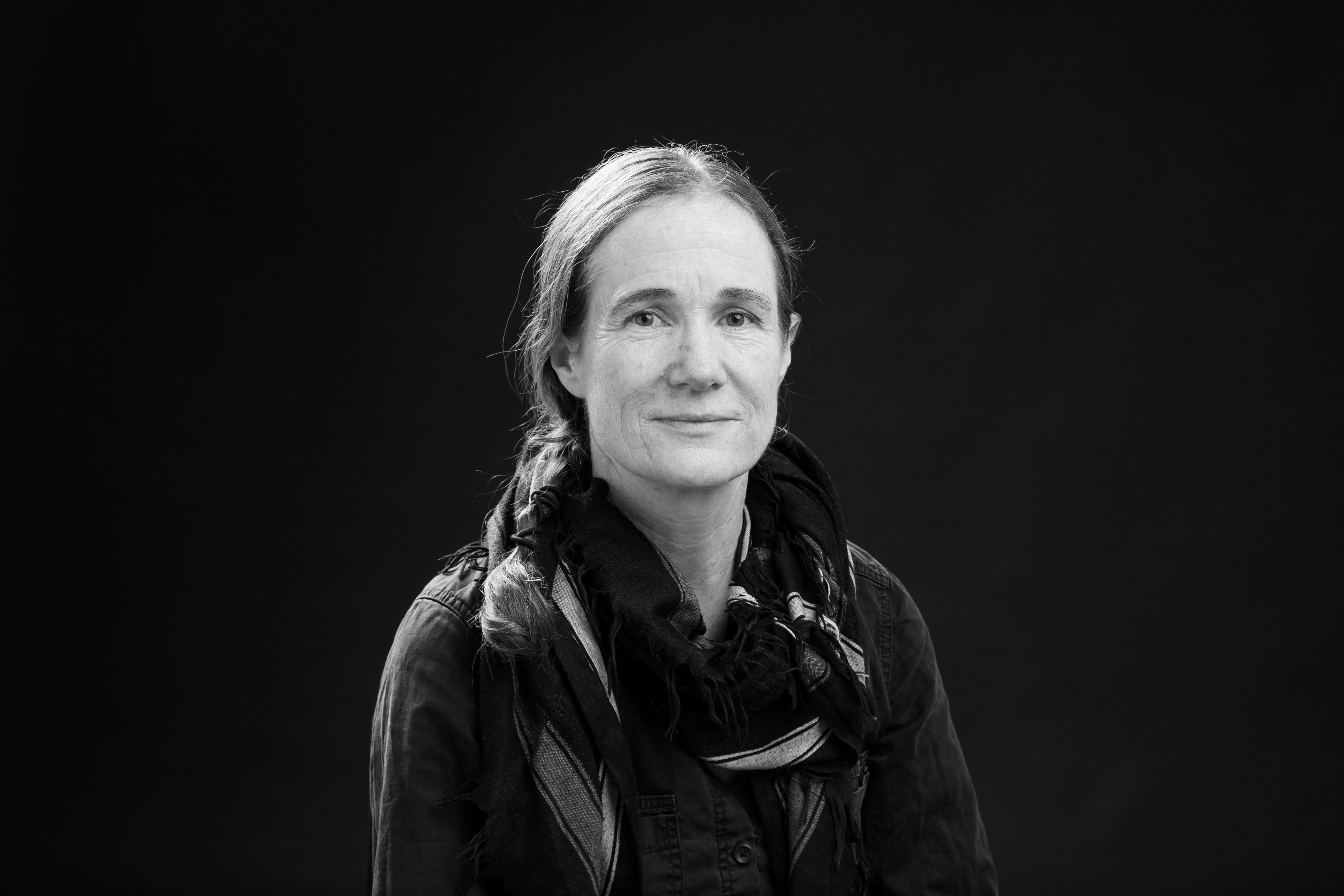
Ledelle Moe
Ledelle Moe was born in Durban, South Africa in 1971. She studied sculpture there at Technikon Natal and graduated in 1993. Active in the local art community, Moe was one of the founding members of the FLAT Gallery, an artist initiative and alternative space in Durban. A travel grant in 1994 took her to the United States where she embarked on a period of study at the Virginia Commonwealth University (VCU) Sculpture Department Master’s program. She completed her Master’s Degree there in 1996 and soon after accepted an adjunct position in the Sculpture Department at the Maryland Institute College of Art (MICA) in Baltimore, Maryland. Later she taught at the Corcoran College of Art in Washington, DC, Virginia Commonwealth University and St.Mary’s College of Maryland. Moe has exhibited in a number of venues including the Kulturhuset (Stockholm, Sweden) the NSA Gallery (Durban, South Africa), the International Sculpture Center (Washington, DC), The Washington Project for the Arts (Washington, DC) and American Academy of Arts and Letters, NY. In 2002 Moe was the recipient of a Joan Mitchell Award and in 2008 Kreeger Museum Artist Award. Throughout this time Moe remained strongly connected to South Africa, returning to visit annually. In 2013 she has returned to live and work in South Africa and teach at Stellenbosch University. Projects include large-scale concrete installations at Socrates Park in New York City, African Museum of Art in Washington DC, Biennale Internationale D’Art, Martinique, Perez Museum, Miami, Semaphore Gallery in Neuchatel, Switzerland, Biennale De Dakar, Dakar, Senegal and MASS MoCA, Massachusetts, USA.
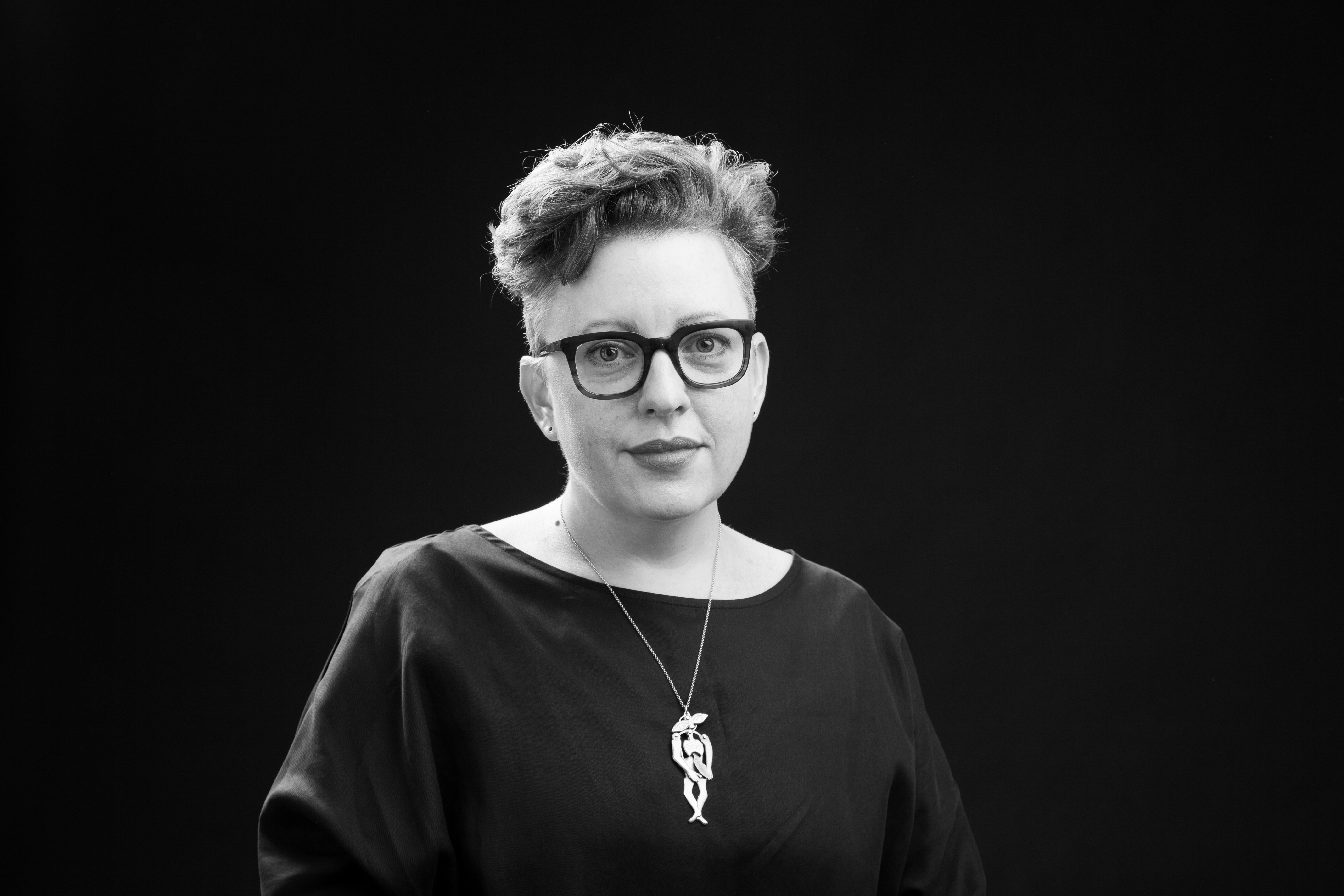
Prof Kathryn Smith
Kathryn Smith identifies as a pracademic with extensive experience as a visual artist, curator and educator interested in visual art, social history and art/science interactions, and over a decade of specialising in forensic facial imaging. Her practice is broadly concerned with the nature of visual and written evidence, and prioritizes collaborative, transdisciplinary pracademic research and pedagogies at the interface of art, science and technology. She is interested in the notion of the ‘experimental’ and the work that images and objects can do as material and cultural agents.
She is widely published, and has curated a number of major exhibitions including Two Icons: The Atom, The Body (MuseumAfrica, JHB, 2000); Between Subject and Object: human remains at the interface of art and science (Michaelis Galleries UCT, 2014); Dada South? Legacies of Dada in South African art post-1960 (Iziko South African National Gallery, 2009-2010); and Poisoned Pasts: Legacies of South Africa's chemical and biological warfare programme (2016, Nelson Mandela Foundation and touring).
She has been a recipient of a National Geographic Explorer award (2019), a Chevening fellowship (2012) and an Ampersand Foundation fellowship (2005) and won the Standard Bank Young Artist of the Year for Visual Art (2004), and the Sasol New Signatures competition in 1999. Her work with VIZ.Lab was selected as a Universities South Africa Societal Impact case study 2025.
Internationally she is a faculty member for the University of Groningen’s Things that Matter summer school and is a Visiting Research Fellow at Face Lab and FORRI (Forensic Research Institute) at Liverpool John Moores University.
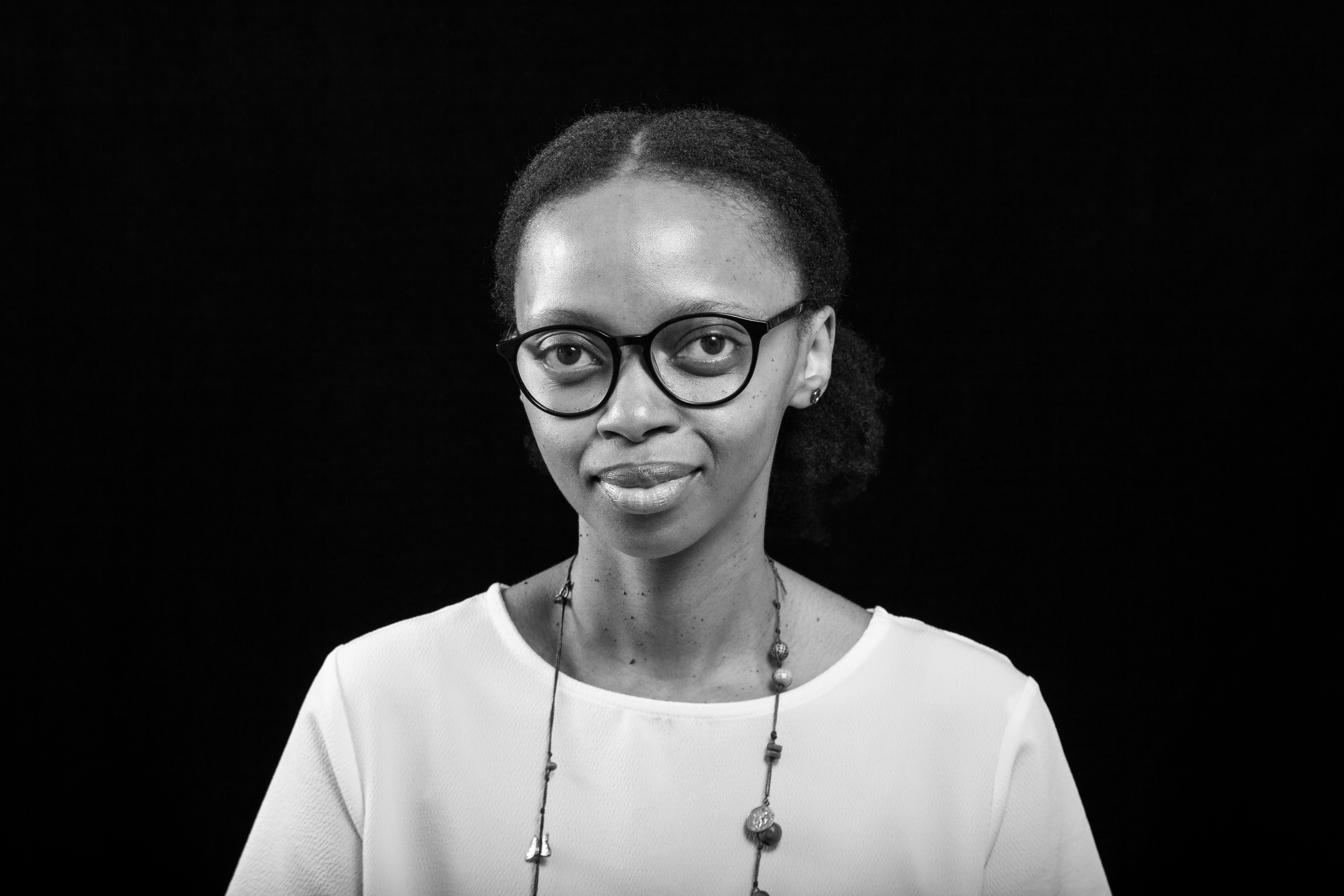
Pearl Mamathuba
Pearl Mamathuba (MSc) is a forensic artist, print media lecturer, and researcher affiliated with VIZ.Lab in the Department of Visual Arts at Stellenbosch University. Her interdisciplinary practice and research operate at the intersection of art, forensic science, and identity studies, examining how visual representation mediates recognition, remembrance, and justice in postcolonial and humanitarian contexts.
Before joining academia, she served as a Forensic Artist with the South African Police Service (SAPS), where she worked within the Facial Identification Unit of the Local Criminal Record Centre in Makhado. During her tenure, she contributed to criminal investigations, producing composite sketches that supported investigative outcomes. Her experience within law enforcement informs her current research into the ethical, procedural, and aesthetic dimensions of forensic imaging practices.
She holds an MSc in Forensic Art and Facial Identification from the University of Dundee (Scotland), where her work explored the integration of scientific, artistic methodologies and the efficacy of face composite systems compared to traditional sketch composites, with a specific emphasis on the representation of African (Black) faces.
Her creative and curatorial practice extends beyond the forensic field, having co-curated exhibitions at the Bag Factory Studios and participated in group exhibitions such as Zoo City at the Constitution Hill Gallery in Johannesburg. Across these diverse contexts, her work continues to explore questions of representation, visibility, and the social responsibility of image-making within contemporary art and forensic practice.
Visual Communication Design
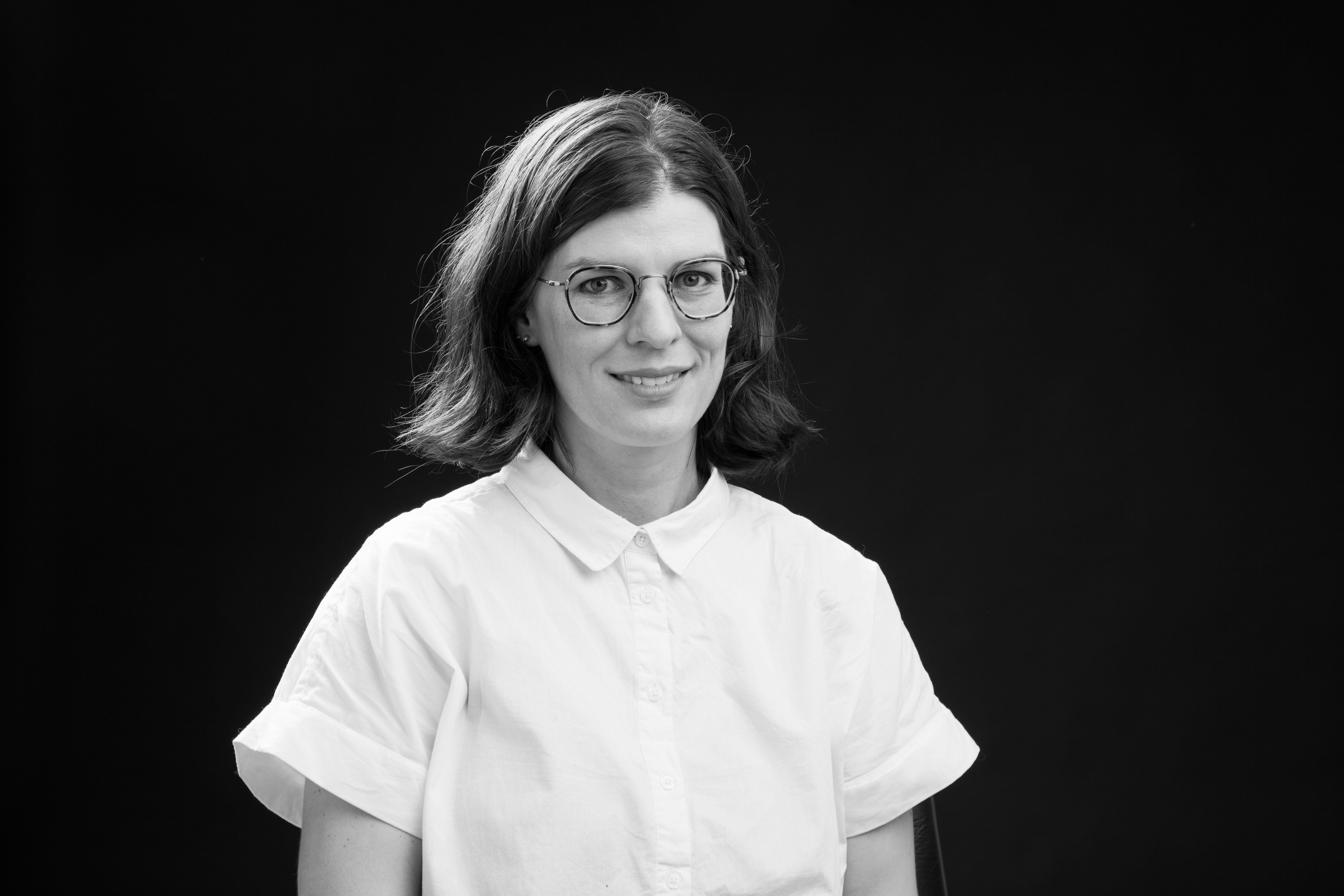
Dr Karolien Perold
Karolien is a designer/researcher/teacher. She is currently the chair of the Visual Arts Department and coordinates and teaches in the Visual Communication Design division. Here her focus lies in design thinking, typographic design, information design, experience design, and especially navigating the dynamic relationships between these fields and relevant design philosophy and theory. She is intrigued by the processes of translation between static and dynamic platforms of communication and the interplay of the different technologies involved, particularly within the digitally-mediated context of contemporary society.
In her own research, she approaches design from posthuman, new materialist perspectives while exploring the transformative potential of design in society. Her work focuses on public engagement, and she has a particular interest in the use of post-qualitative, art and design-based methodologies in the context of public health.
Recent publications can be found here: https://orcid.org/0000-0001-7306-3828
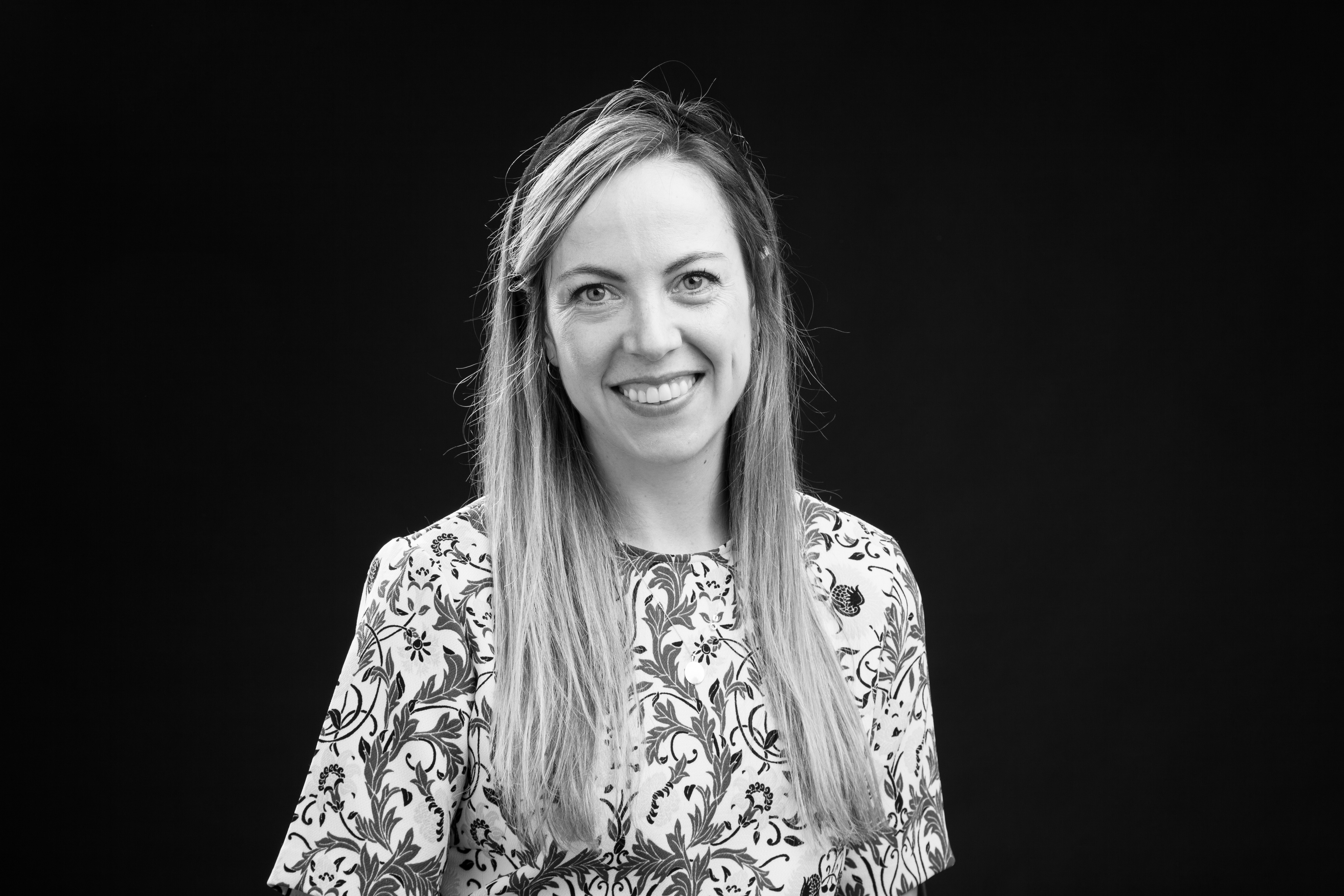
Mieke Hall
Mieke Hall is a lecturer in the Visual Communication Design division. She has a strong passion for social impact, where embodied design interventions can lead to real-world change. She teaches across different specialities, including illustration, graphic design, animation, drawing, and campaign design.
She completed her BA in Visual Communication Design (2010) and MA in Visual Arts (2015) at Stellenbosch University and is currently completing her PhD, From Semiotic Landscape to Material Terrain: Co-creating an Inclusive Primary School Classroom through Art and Design Practices in a South African Context. Her research is situated within postqualitative and new materialist frameworks and explores how material, spatial, and relational forces together shape diversity and inclusivity in primary school classrooms. Her work is driven by a commitment to inclusive education, creative research methodologies, and the ongoing entanglement between theory, practice, and pedagogy.
Alongside her academic work, Mieke is a practising artist and freelance illustrator and designer. She has illustrated numerous published children’s books and has collaborated with a range of corporate clients, including United Airlines, Checkers, Durbanville Hills, Blaauwklippen Wine Estate, Exclusive Books, Ideas Magazine, Taalgenoot, and Huisgenoot Magazine, among others. She has also participated in both local and international solo and group exhibitions.
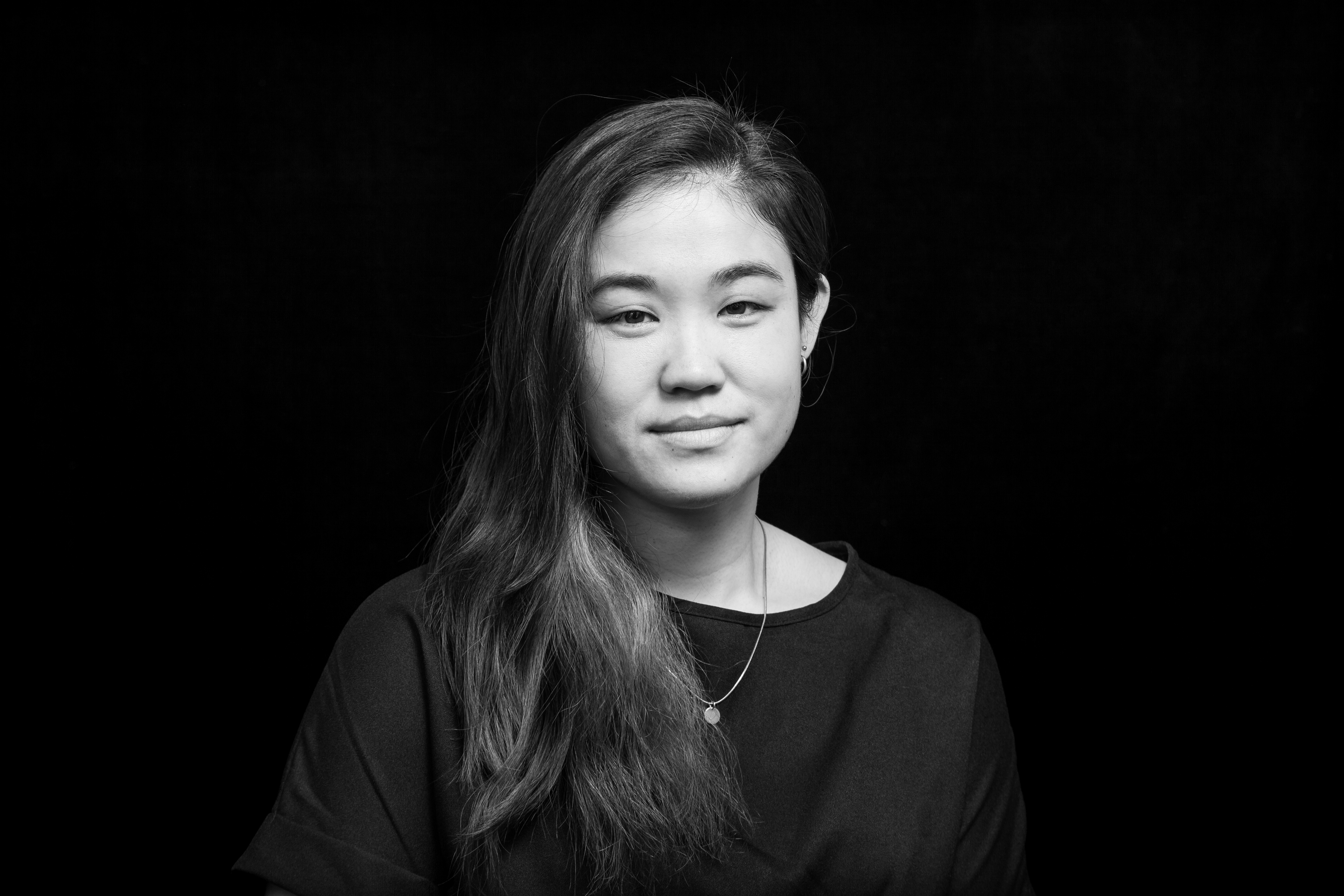
Jo-Ann Chan
Jo-Ann Chan is an educator, researcher and creative practitioner. She holds an MA in Graphic Design from North-West University, and has participated in exhibitions as an illustrator, book artist and printmaker since 2017. Her research interests lie in the connections between memory, history and identity. Her current research explores the complexities of Chinese South African identity and the ways in which this can be re-storied through visual arts practices.
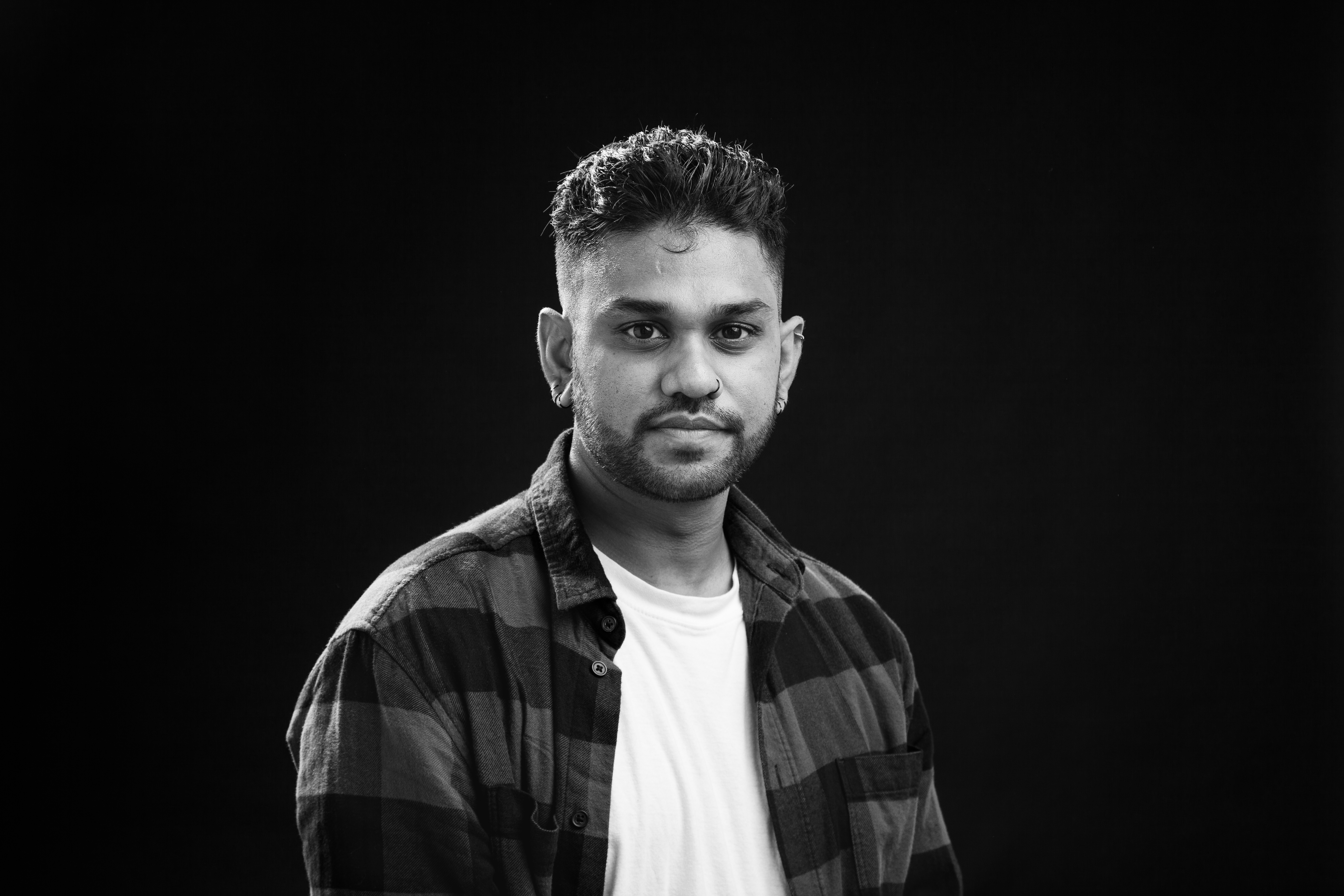
Kiveshan Thumbiran
Kiveshan Thumbiran is a lecturer and practicing artist. As an educator at the department, he teaches across the fields of art and design, looking at overlaps between the streams of practice.
His work and research look at the placement of the Indian body in South Africa post democracy as a “mythological” figure using his Hindu heritage as a lens for artmaking. He moves between digital and physical modes of working and seeks integration of the fields in a world where the digital is becoming ever more pervasive.
He received his National Diploma (N-Dip), Baccalaureus Technologiae (B-Tech) and M-Tech in Visual Art at the University of Johannesburg, where he was also the coordinator of the New Media Studies course. For this course, he received the first-place prize for Innovation in Higher Education using Technology from the Excellence in Education Awards (2017)
Jewellery Design
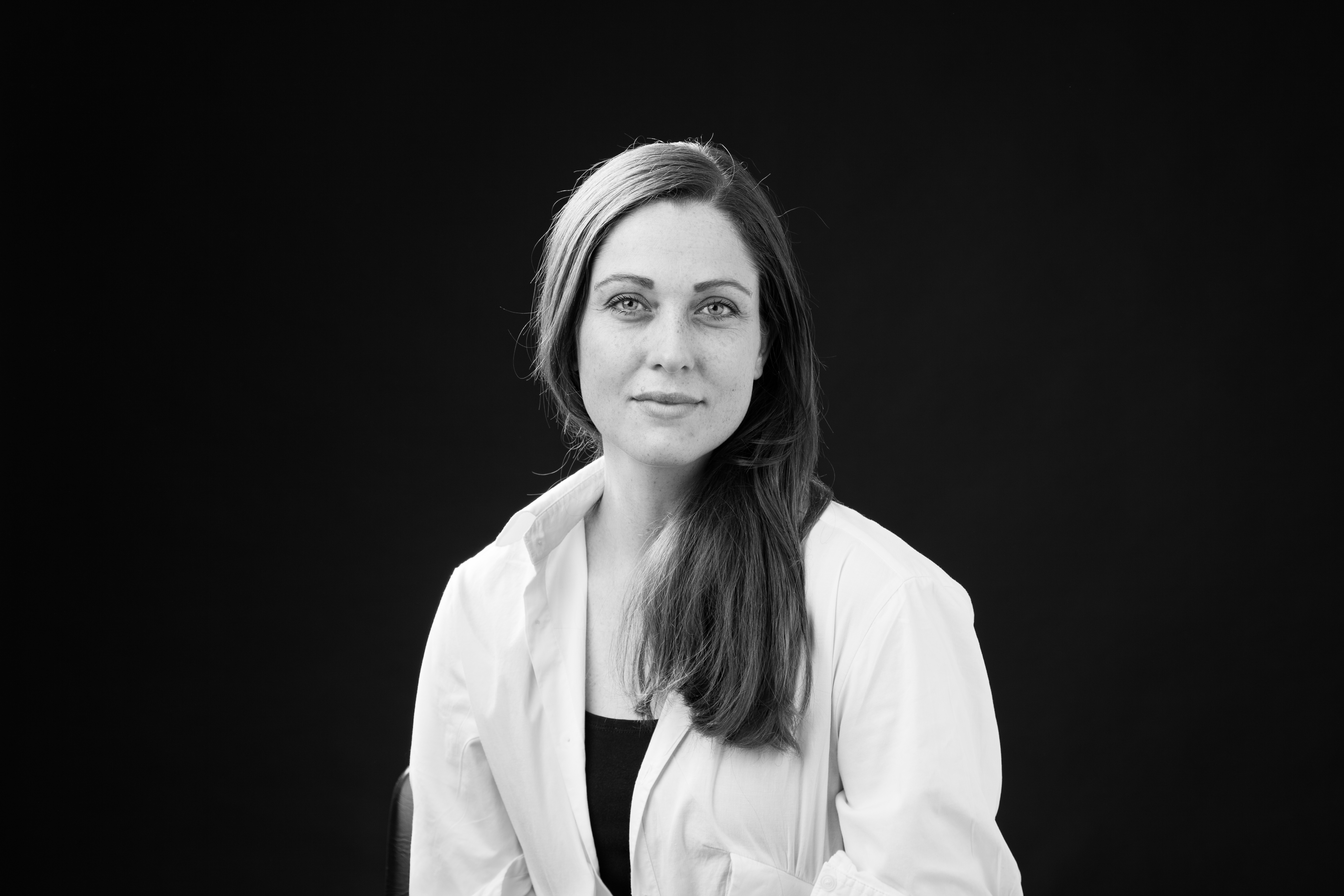
Dr Joani Groenewald
Joani Groenewald is a lecturer in the Visual Arts Department at Stellenbosch University, where she has taught for over twelve years. She is a jewellery designer, goldsmith, and artist, holding a Bachelor of Visual Art (2009), a Master of Visual Arts (cum laude, 2015), and a joint doctoral degree from Stellenbosch University and Hasselt University (2025).
Her practice operates between contemporary jewellery and sculpture, moving between wearable objects and expanded sculptural forms. Grounded in traditional jewellery-making, her work engages scale, material agency, and spatial relations, challenging conventional understandings of jewellery’s relationship to the body and environment.
Her research develops the concept of “translation-through-making,” positioning art practice as a form of translation in which meaning emerges through material transformation and embodied engagement. Informed by post-translation studies and new materialist thought, her work focuses on the South African landscape, examining how material processes shape perceptions of place. She explores how sensory, site-responsive, and material approaches can extend translation beyond linguistic and anthropocentric frameworks.
Groenewald has exhibited widely, with over 40 national and international exhibitions, including three solo shows, and has received several awards, including the South African Contemporary Jewellery Award (2018) and international recognition for her work Talisman (2024).
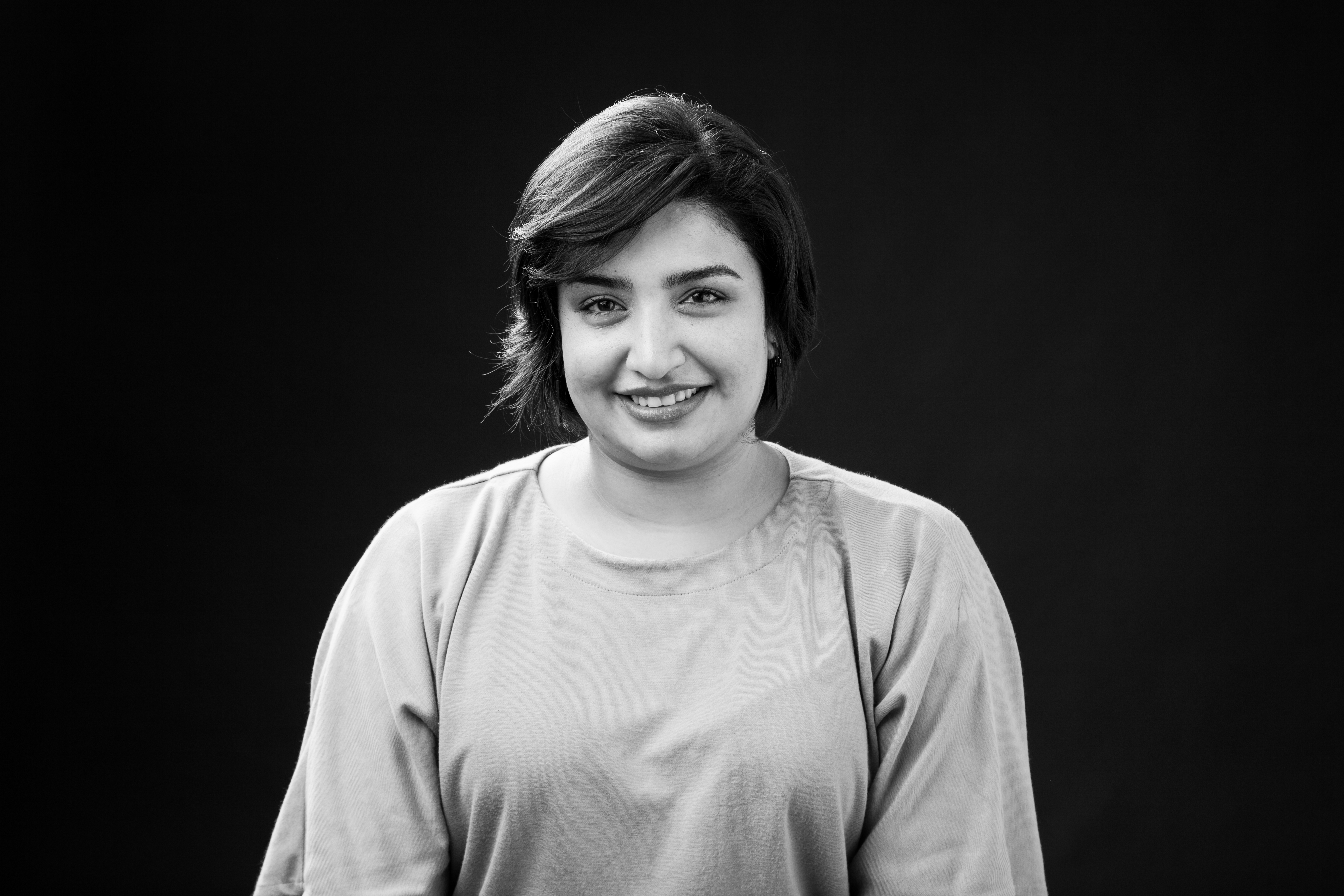
Mariambibi Khan
Mariambibi Khan is a contemporary jeweller, maker, and lecturer whose work brings together craft, creativity, and critical reflection. She is a full-time lecturer in the Creative Jewellery and Metal Design Division at Stellenbosch University, where she has taught since 2018, and holds a Master of Visual Arts in Jewellery Design (cum laude) from the same institution.
In 2024, she was featured in The Nature of Imperfection, a publication produced with the Society of Arts and Crafts, Boston, for the Jewellery and Adornment celebration. Since then, she has participated in multiple national and international exhibitions. Her research positions contemporary jewellery as a space for the reinterpretation and affirmation of Islamic feminine identity, faith, and spirituality within a multicultural South African context.
Working within contemporary jewellery as both a material and conceptual practice, Mariambibi challenges conventional notions of adornment by foregrounding narrative, identity, and process. Rooted in hand-based techniques, including jewellery-making, knitting, and embroidery, her work values slowness and intentional engagement with materials such as textiles, cotton, and metal.
She approaches her practice holistically, connecting making, teaching, and research to foster personal growth and contribute to thoughtful, supportive creative communities.
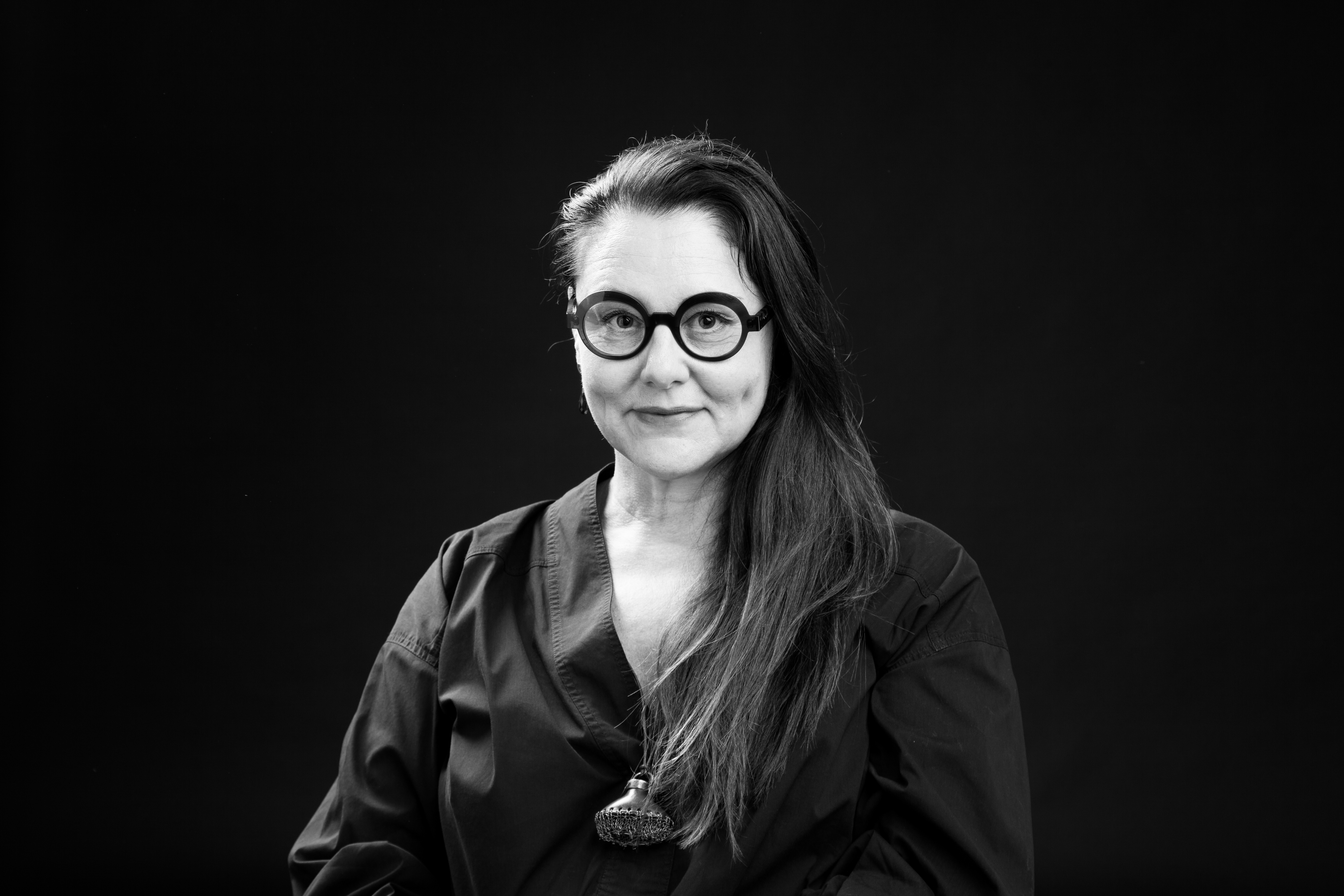
Carine Terrablanche
Carine Terreblanche is a senior lecturer who has served as Coordinator and Head of the Creative Jewellery and Metal Design Division in the Department of Visual Arts from January 2007 – March 2026.
Carine is a designer, artist, and educator whose work draws on jewellery design and sculptural practices to create a fusion or amalgamation of knowledge, handcraft, technical skill, and material exploration. Her practice engages jewellery as a critical discipline, enabling her to respond to her surroundings and translate ideas into three-dimensional wearable objects and sculptural forms that invite reflection and critical engagement. Her research frequently explores the boundaries between jewellery and sculpture, with particular emphasis on the relationship between the body and the object.
Over the past decade, her work has become increasingly narrative, combining abstract and figurative elements to engage with a complex and evolving social landscape. A central thread in her practice is examining how socio-economic forces shape perceptions of beauty, desirability, and value in jewellery and wearable sculpture.
More recently, Carine has explored scale, examining how size shapes meaning, value, and emotional resonance. Her latest series examines the interplay between material, scale, and memory, revealing the cultural and personal significance that objects can embody.
Visual Studies
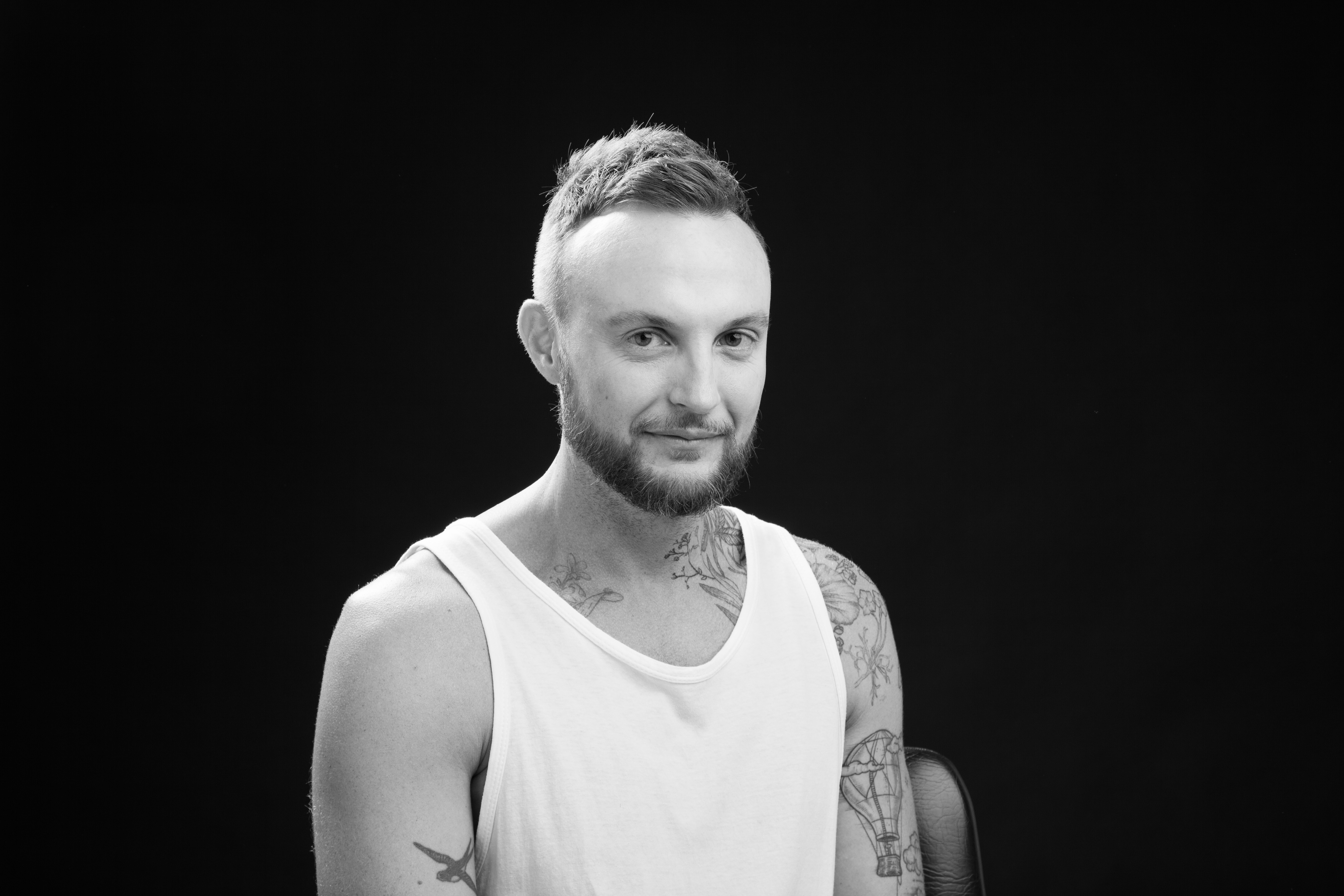
Prof Ernst van der Wal
Ernst van der Wal is an Associate Professor in Visual Studies at Stellenbosch University, where his work operates at the interdisciplinary nexus of visual culture, curatorial practice, and critical theory. An active visual artist specialising in stone sculpture and drawing media, Van der Wal also serves as a curator, most recently for the exhibition Followed by Nine Zeros: Experiments in Deep Time.
His research expertise focuses on queer visual histories and forms of visual resistance. This work addresses the radical erasure of local queer histories, conceptualising how subjects negotiate a sense of self outside of hetero- and cisnormative conventions. A related focus is the critical’ activation of the ‘small' in visual culture, which he investigates as a tactical site of resistance that directly counters the monumentalising forces of colonial and apartheid discourses.
Van der Wal’s studio work and curatorial practice directly inform his theoretical approach, providing a material understanding of form, scale, and resistance that underpins his academic scholarship. He is a recipient of the Centre for Area Studies Research Fellowship at Leipzig University (2016) and the Georg Forster Research Fellowship from the Alexander von Humboldt Foundation (2017–2018), and he was selected as a member of the South African Young Academy of Science (SAYAS) in 2013.
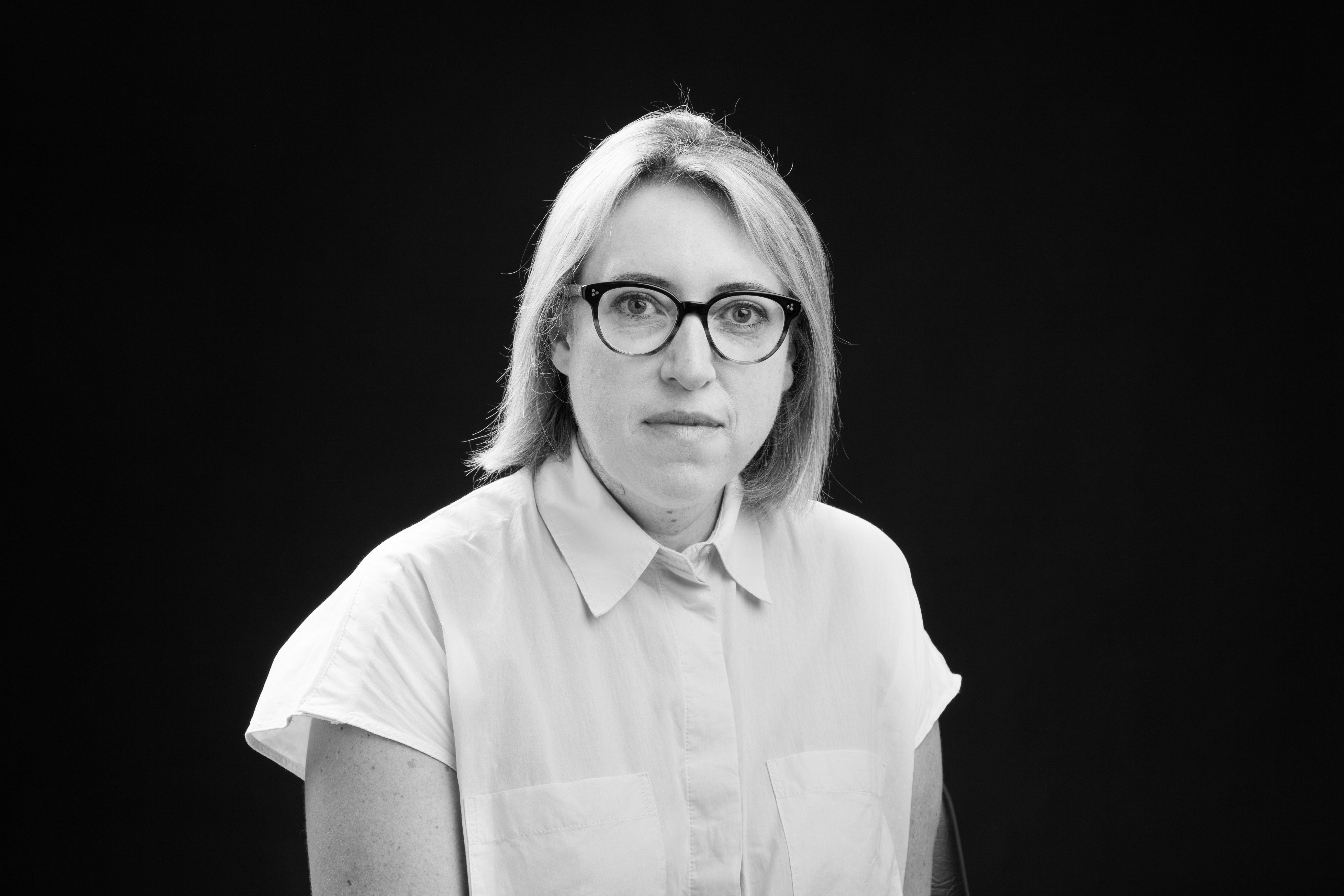
Prof Stella Viljoen
Stella Viljoen is Vice-Dean of Research in the Faculty of Arts and Social Sciences. She is an associate professor in Visual Studies. She has degrees in History of Art and Media Studies. Prof Viljoen has written widely on representational cultures and how these index gender norms and political aspirations. In particular she has documented the history of the men’s press in South Africa, starting from the early twentieth century to the present. Her research has covered early South African soft-porn as well as men’s magazines from the Global North like GQ and Playboy. She has a perverse interest in the capitalist imagination and the interrogation of art, design and media as conduits of social conformity but also mechanisms for radical resistance. She is currently researching the ways in which feminism is still useful as a theoretical lens, both in the creation and interpretation of art and media. Her research maps the ways feminism might be evolving.
Her teaching and research are constantly in conversation. She teaches undergraduate courses on art historical movements like a course on the Cult of the Romantic Sublime. She also offers an undergraduate course on the rise of modernity in Euro-America-and-Africa and a course on the representation of masculine subjectivities in the media called ‘Spunk’. Her current Honours course is focused on Afropresentism, a phenomenon that asks how Africa-centred identity and embodiment is articulated in an age of Big Data and digital disembodiment. It aims to name and understand the politics of the present as a step towards reparation. Through critical engagement with cultural production the course explores Africa Now as a means of anticipating and preparing for what is to come.
She works with students from a wide array of fields whether Sociology, Literary Studies, Cultural Studies, Art History, Gender Studies, Media Studies or an interdisciplinary combination of these. She coordinates the PhD programme in Visual Art.
She is a fellow of the Stellenbosch Institute for Advanced Study.
Contract Staff
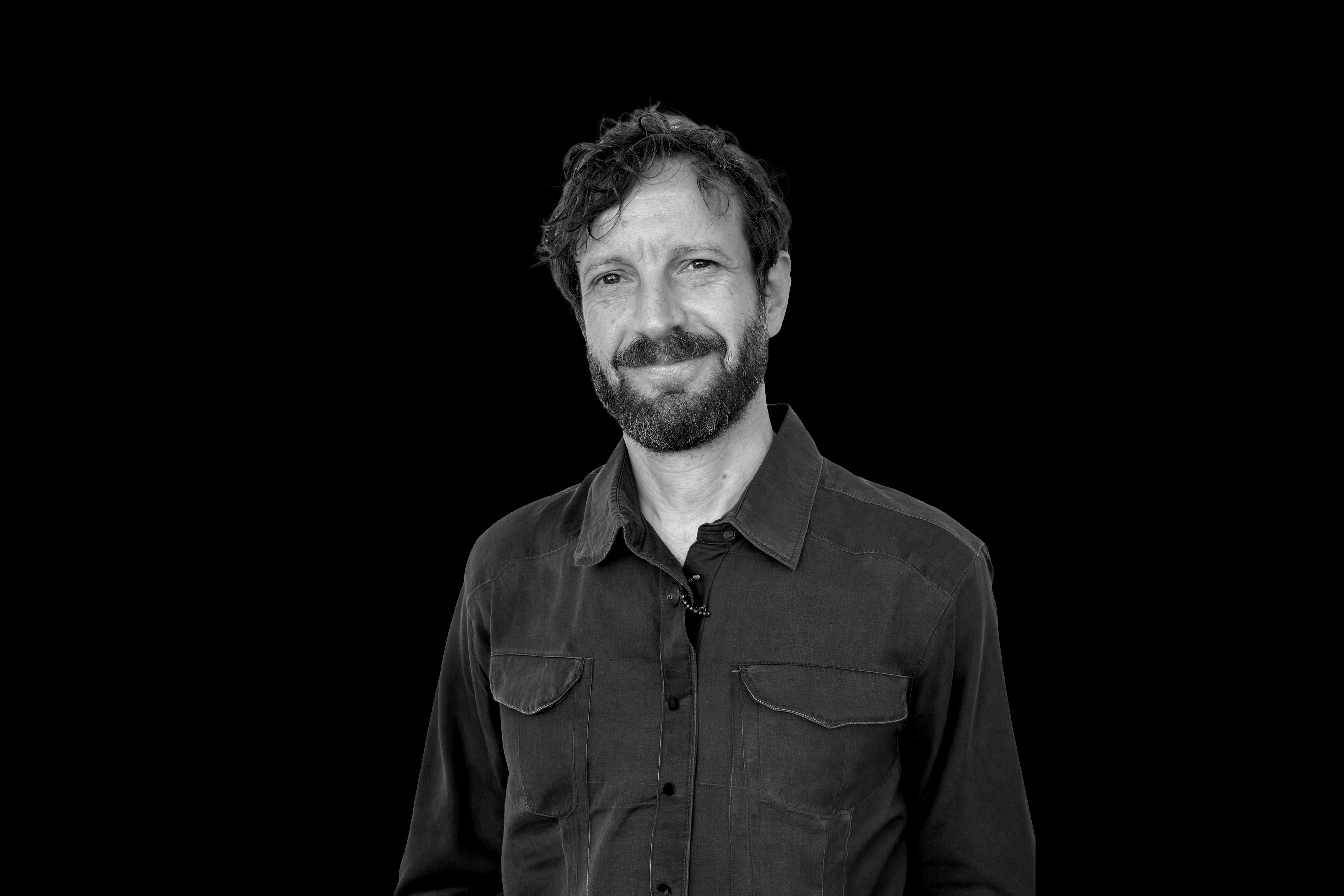
Jonah Sack
Jonah Sack teaches drawing, which he understands to extend beyond making marks on paper to encompass a range of practices that use line, gesture, and improvisation to think through materials. He also teaches projects in artist’s books and publications.
In his own artistic practice he is interested in the gaps that open up in the translation between various types of visual representation of information: from data to diagrams, from dreams to words, from complex reality to simplified models.
He studied at the University of the Witwatersrand, Johannesburg, and received his MFA from the Glasgow School of Art, including a semester studying in the Manga Department at Kyoto Seika University. He has been a fellow of the Skye Foundation, the Gordon Institute for Performing and Creative Arts at the University of Cape Town, and a resident artist at the Serieframjandet in Malmö, Sweden.
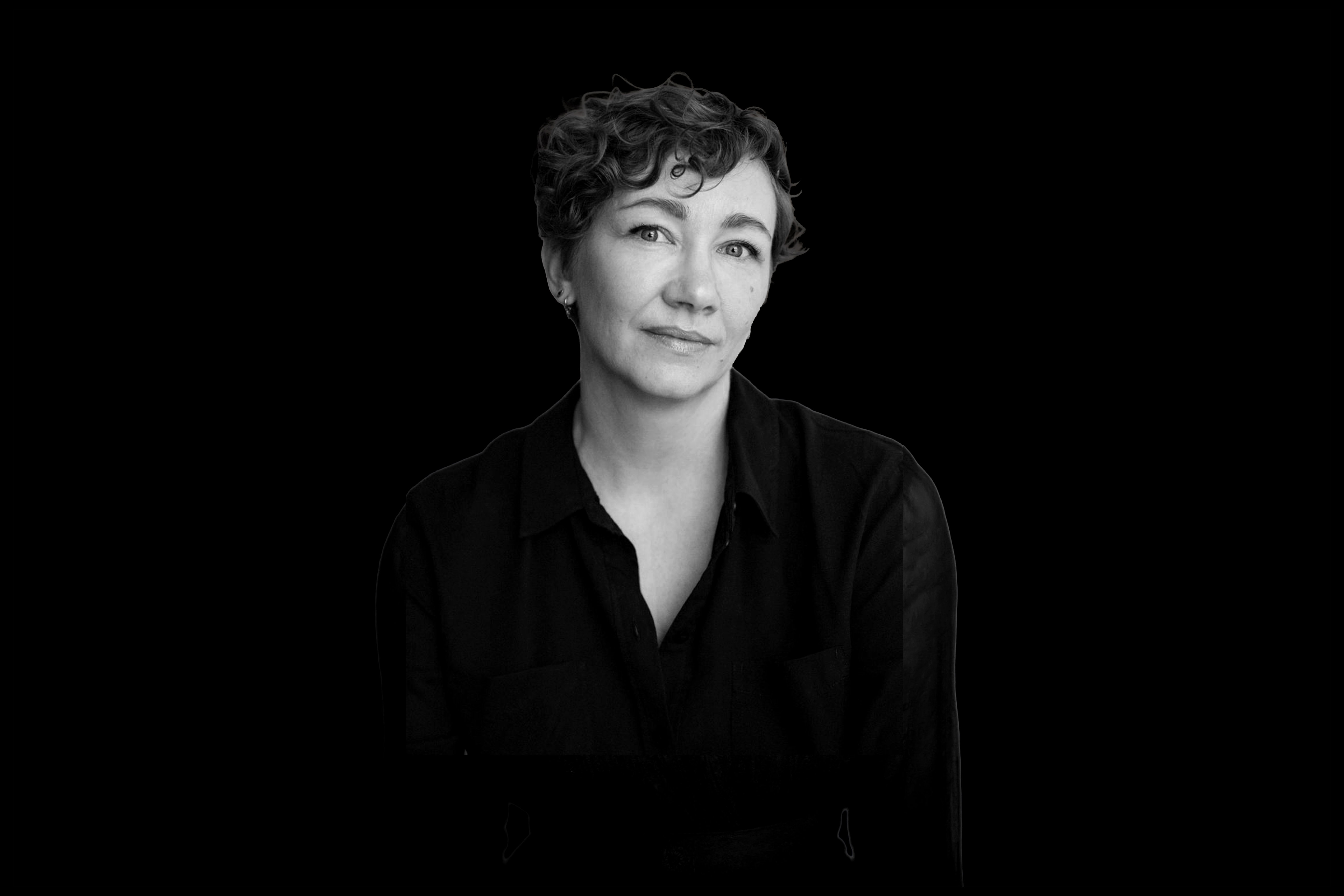
Dr Maria Van Os
Maria is an educator and illustrator with a passion for picturebooks and visual storytelling. She is a lecturer within the Visual Communication Design division at Stellenbosch University, primarily focusing on illustration, drawing and narrative-driven projects.
Maria completed her BA in Information Design at the University of Pretoria in 2008, followed by an Mphil in Visual Arts specialising in Illustration at the University of Stellenbosch, graduating Cum Laude in 2013. Most recently, she has completed her PhD in Art and Design at the University of Johannesburg, with a thesis focused on a practice-based investigation of wordless narratives. Maria is passionate about picturebook research within the broader streams of education, cultural and media studies. She has an avid interest in illustration as a form of practice-based research, as well as the interdisciplinary intersection of illustration with fields such as ethnography and reportage.
Alongside her academic work, Maria is a practicing freelance illustrator, working under the name Maria Lebedeva. She has illustrated multiple picturebooks for local and international publishers and has worked on diverse projects creating illustrations for editorials, branding, packaging and stationery. She has exhibited her work widely, participating in both solo and group exhibitions.
Dr Maria Van Os
Maria is an educator and illustrator with a passion for picturebooks and visual storytelling. She is a lecturer within the Visual Communication Design division at Stellenbosch University, primarily focusing on illustration, drawing and narrative-driven projects.
Maria completed her BA in Information Design at the University of Pretoria in 2008, followed by an Mphil in Visual Arts specialising in Illustration at the University of Stellenbosch, graduating Cum Laude in 2013. Most recently, she has completed her PhD in Art and Design at the University of Johannesburg, with a thesis focused on a practice-based investigation of wordless narratives. Maria is passionate about picturebook research within the broader streams of education, cultural and media studies. She has an avid interest in illustration as a form of practice-based research, as well as the interdisciplinary intersection of illustration with fields such as ethnography and reportage.
Alongside her academic work, Maria is a practicing freelance illustrator, working under the name Maria Lebedeva. She has illustrated multiple picturebooks for local and international publishers and has worked on diverse projects creating illustrations for editorials, branding, packaging and stationery. She has exhibited her work widely, participating in both solo and group exhibitions.
Administrative Staff
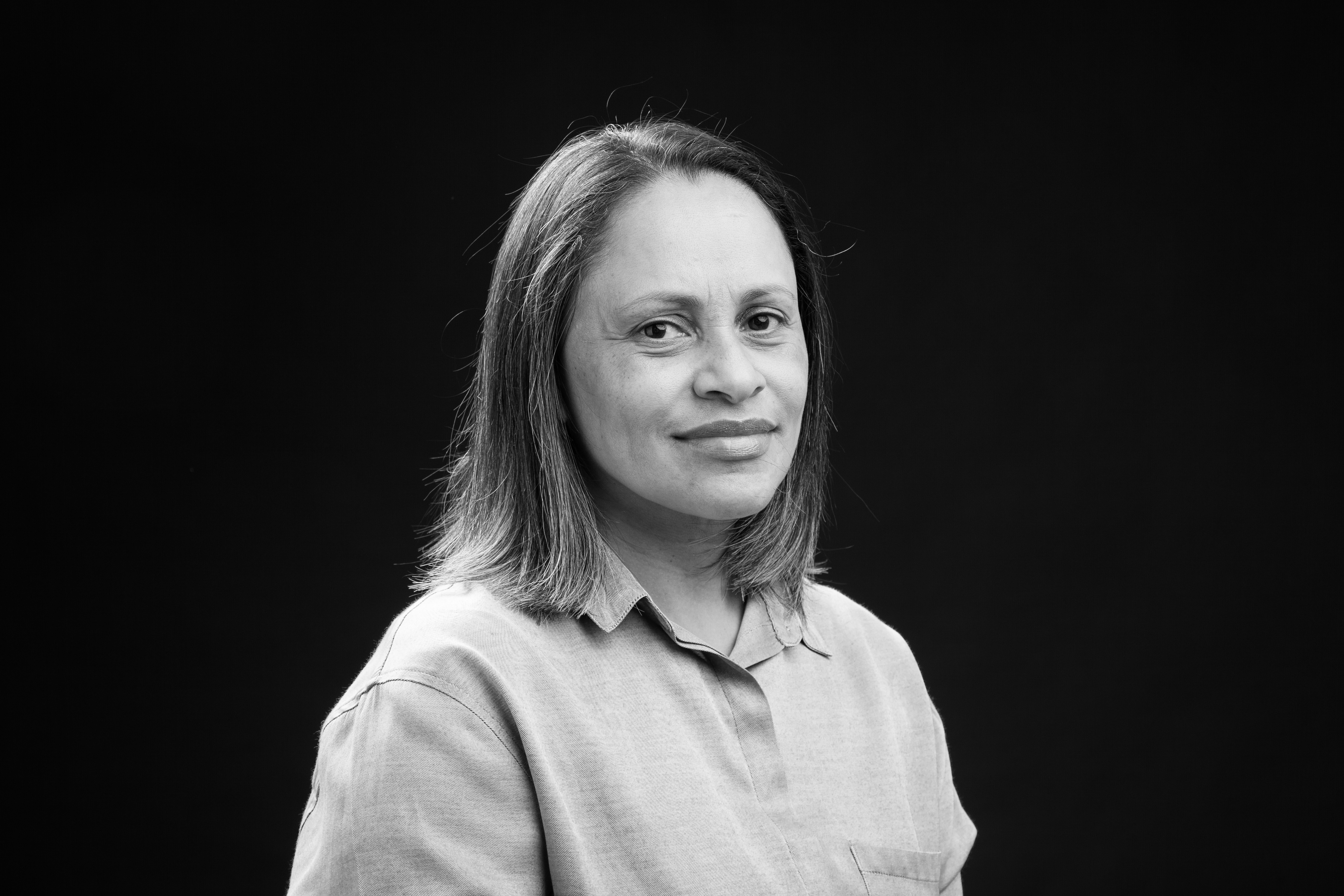
Yumna Williams
Yumna Williams
Asiphe Nyoto
Asiphe Nyoto
Support Staff
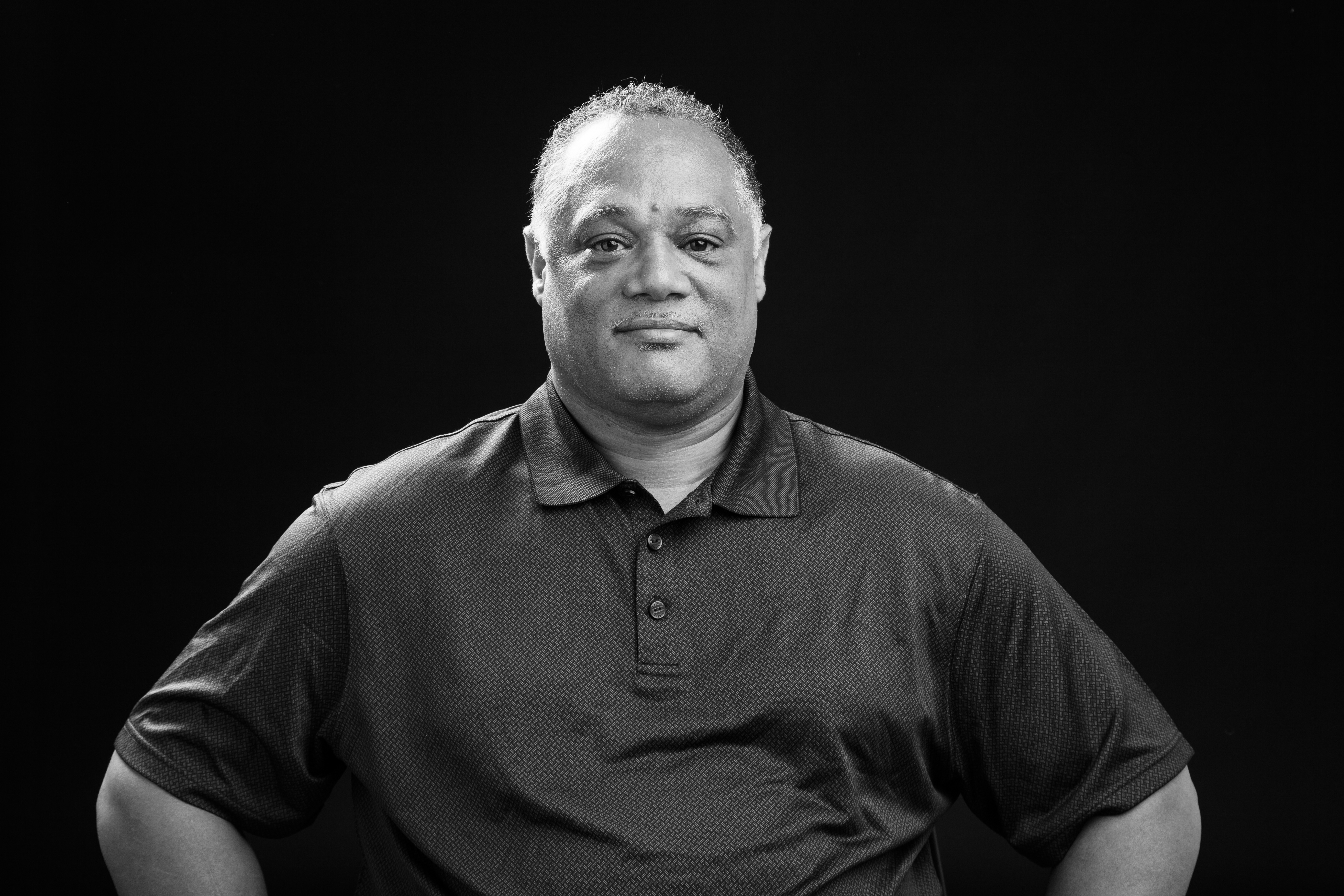
Andre Williams
Technical Office & Line Manager: Assistants
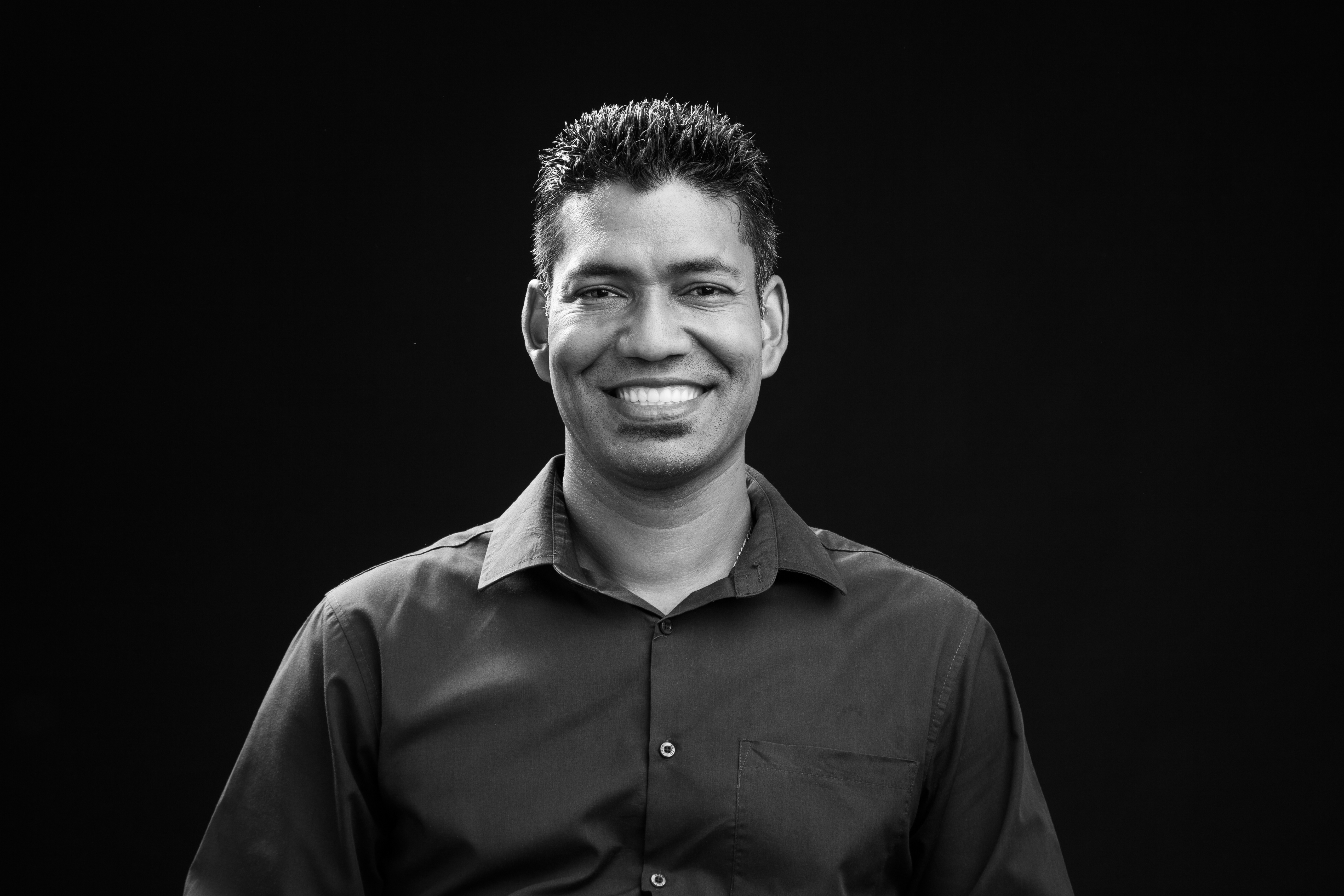
Marwaan Crombie
Assistant
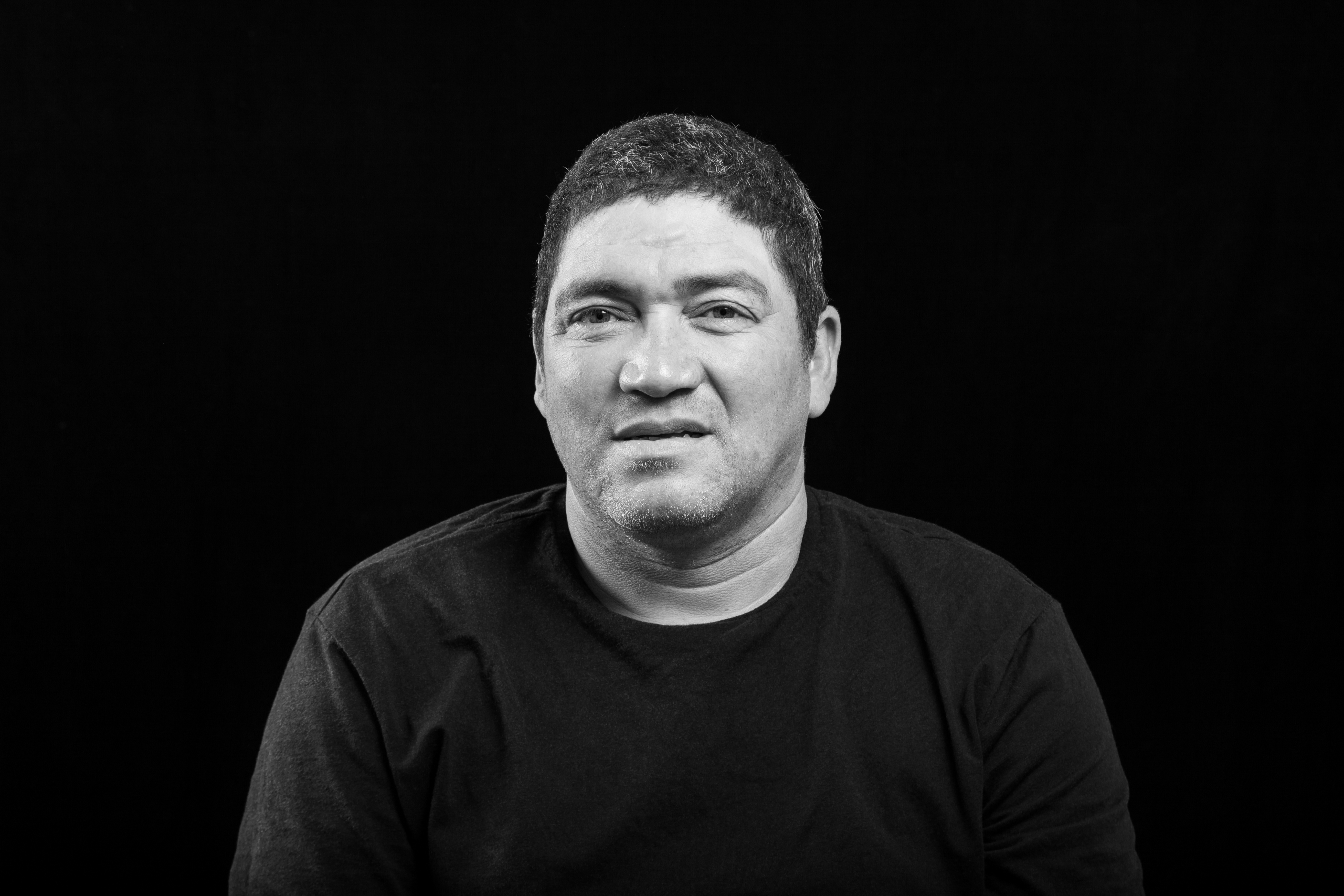
Jeano Hendricks
Assistant
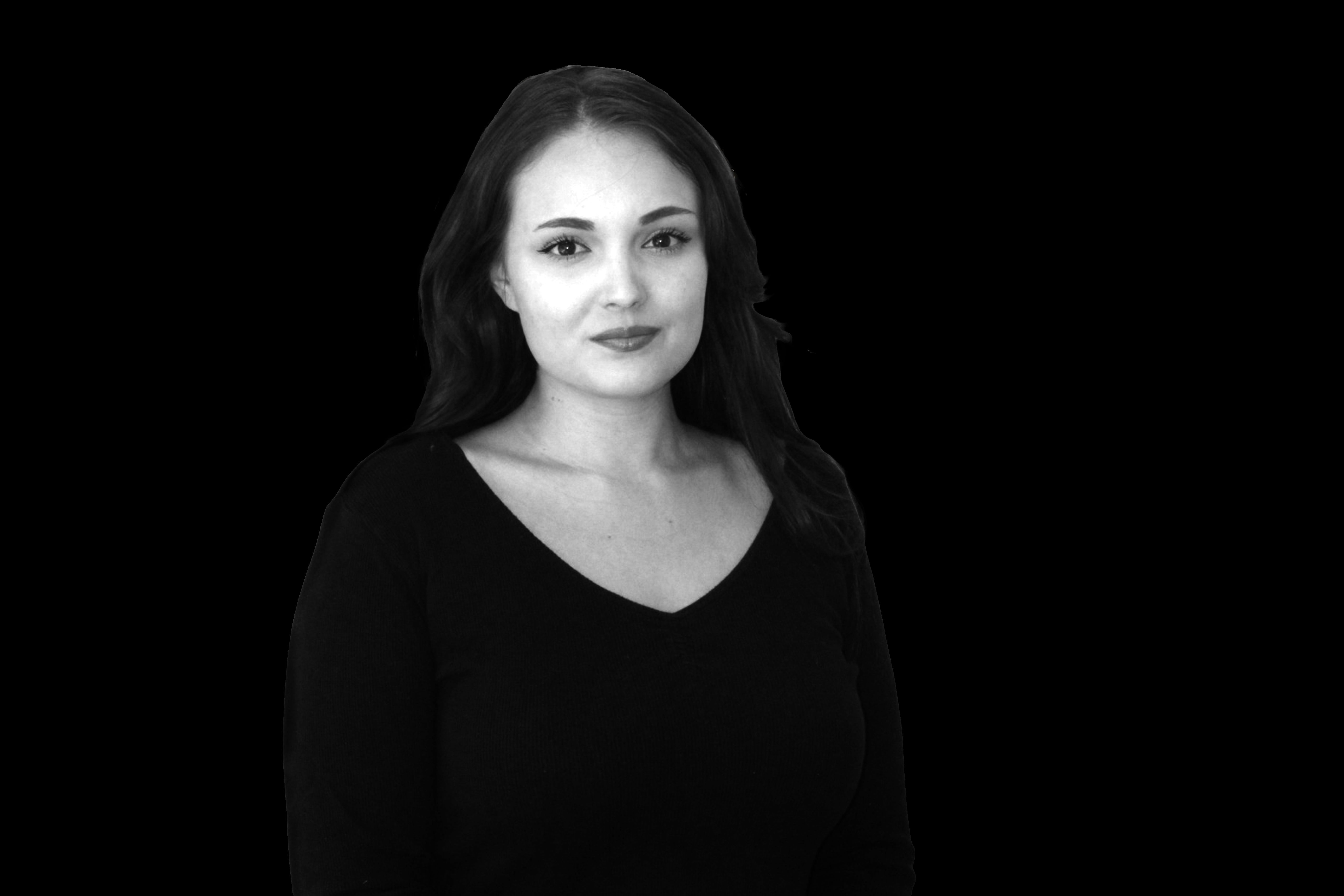
Ankia Lloyd
Technical assistant: 3D spaces
Marcus Van Tonder
Technical assistant: Photography and digital spaces
Vincent Engelbrecht
Technical assistant: Printmaking