Postgraduate Programmes
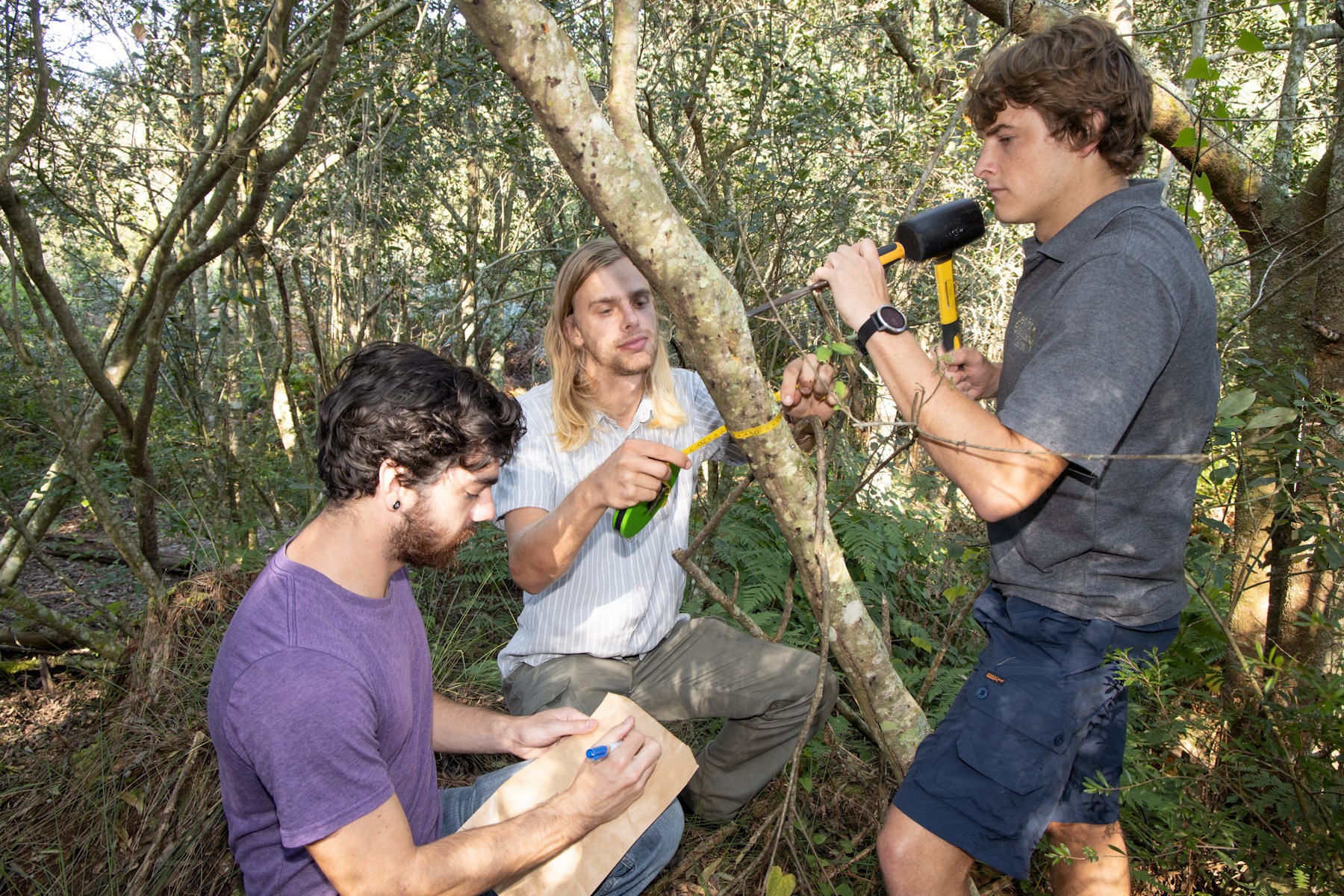
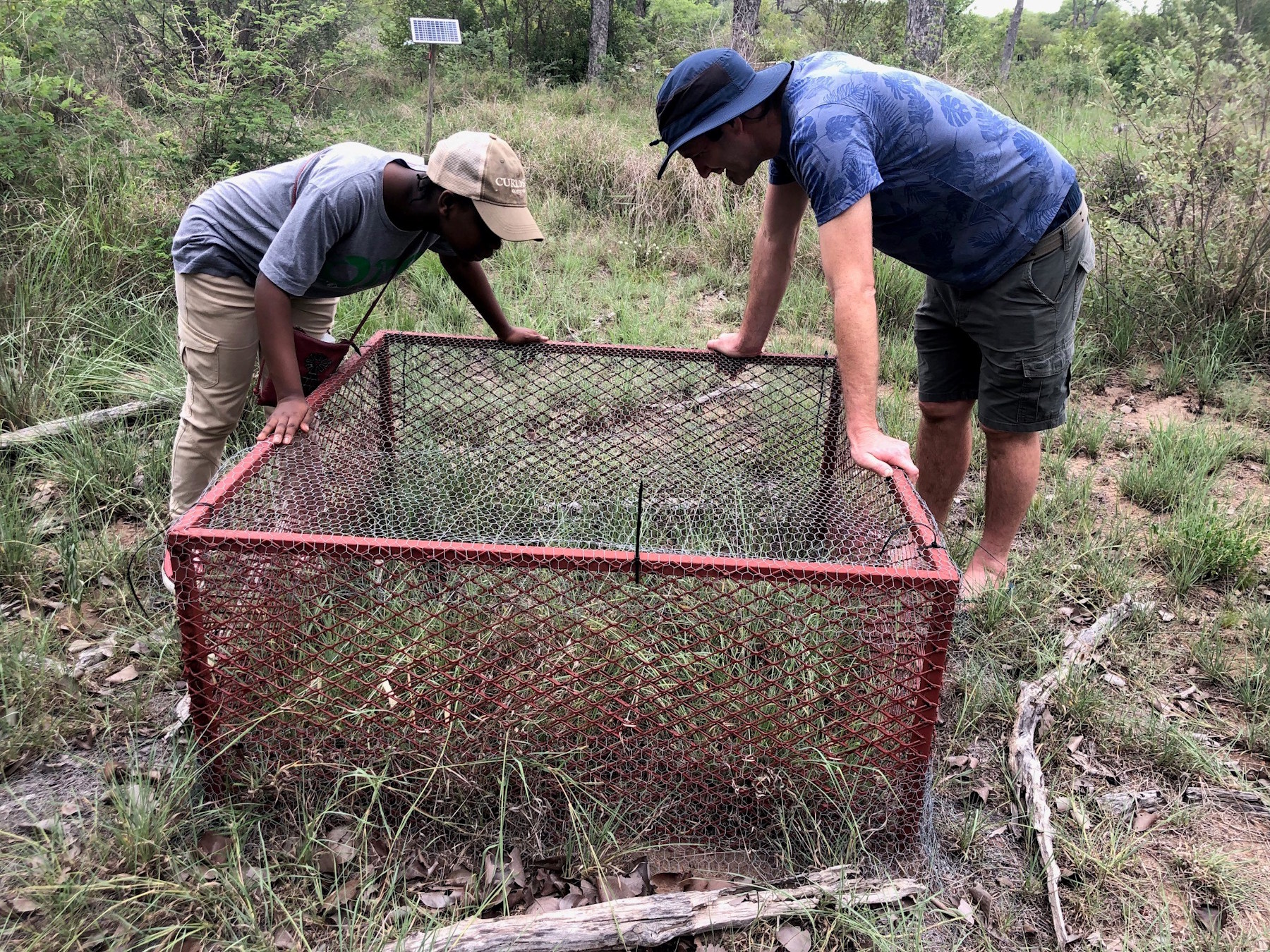
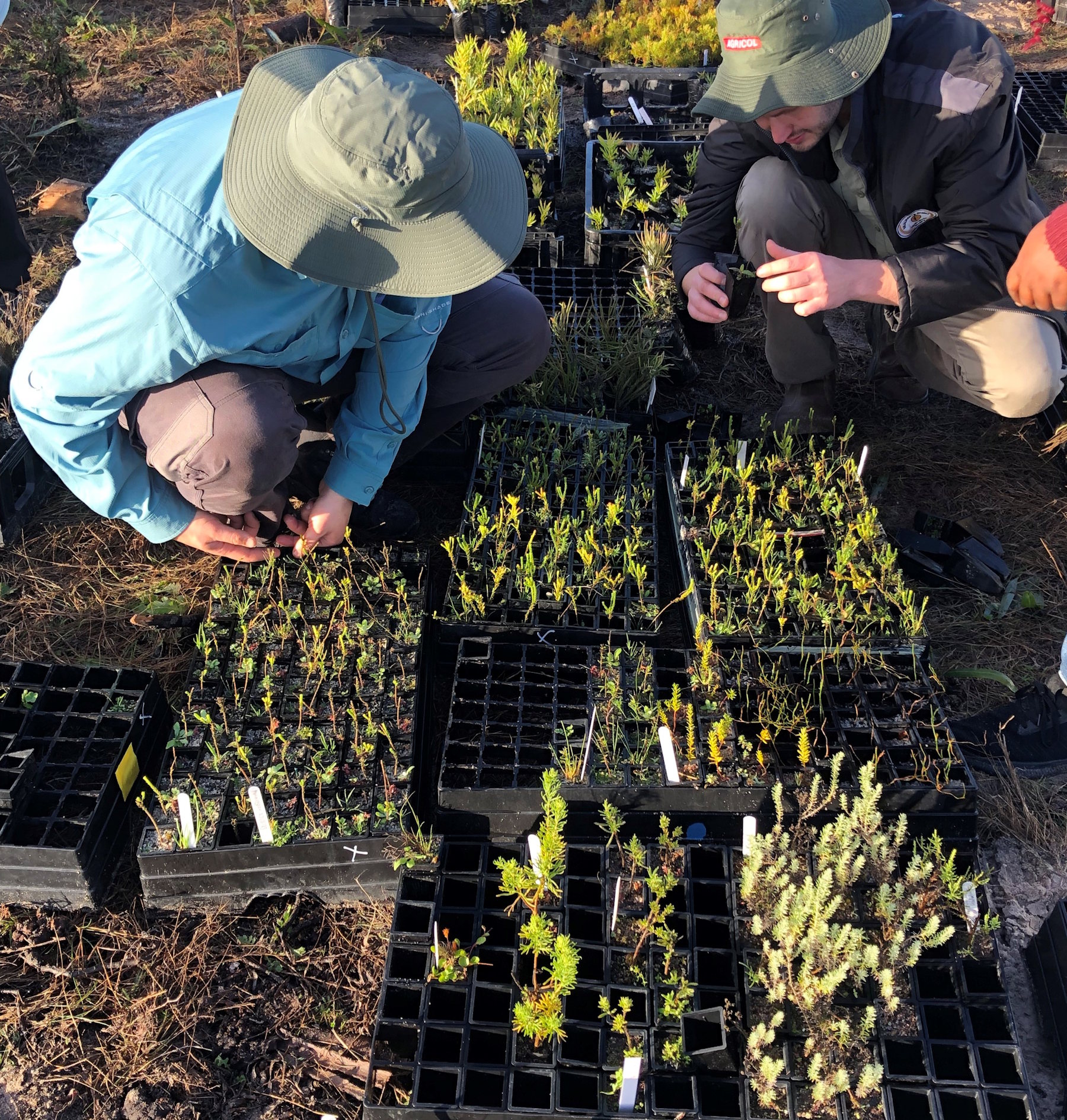
Master’s programme in Conservation Ecology (MScConsEcol)
The master’s programme in Conservation Ecology leads to the MScConsEcol degree. The research component (minimum time span six months, 180 credits at NQF level 8a) entails independent research on an approved topic in conservation ecology, conducted by the student under the supervision of their supervisor. As part of the process, students are expected to present a seminar to the Department of Conservation Ecology and Entomology on their proposed thesis and, on completion of the thesis, to present a seminar in which they defend their thesis. The results must be written up and submitted in the format of a thesis, which must meet the requirements for a master’s thesis as prescribed by the Department of Conservation Ecology and Entomology and Stellenbosch University.
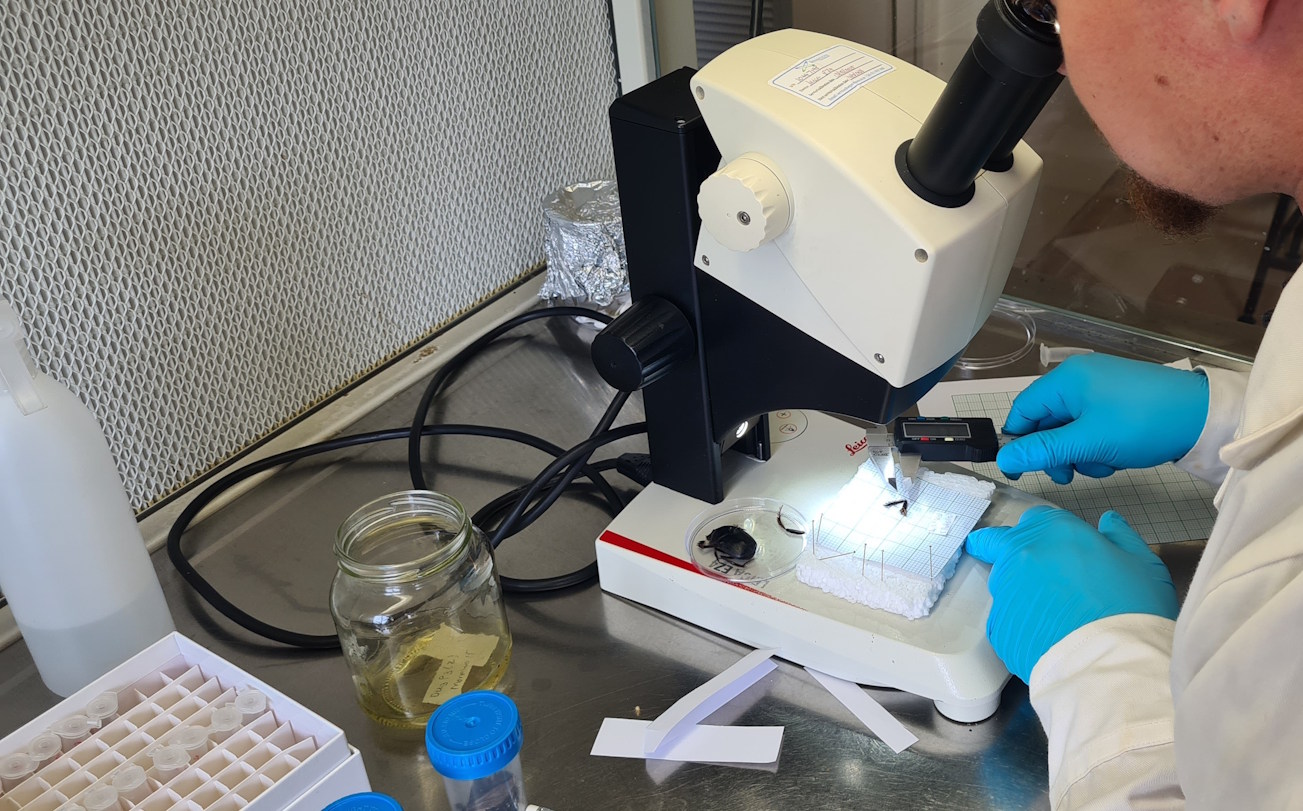
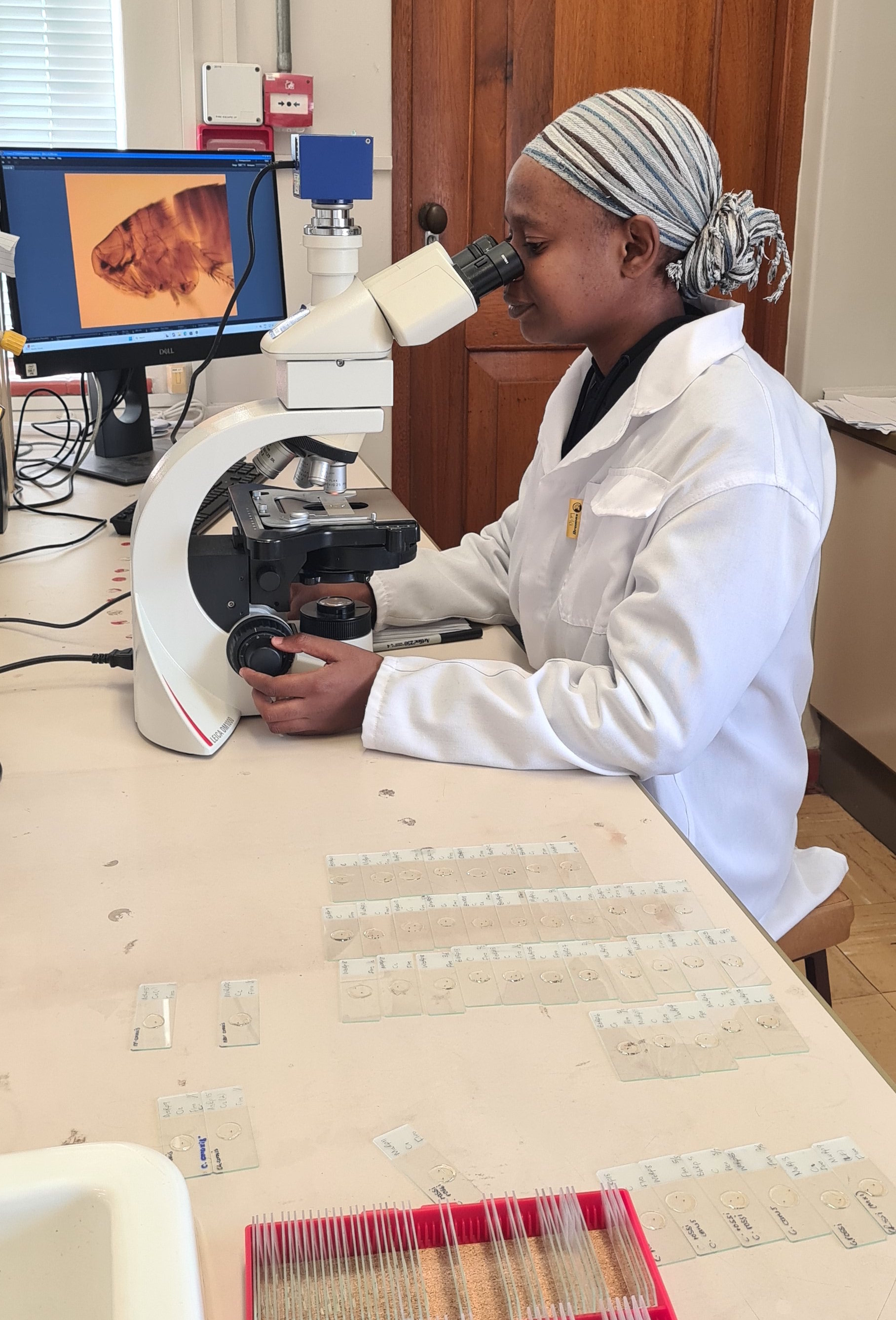
Master’s programme in Entomology (MSc or MScAgric)
Topics for the master’s degree are determined in consultation between the prospective student and the lecturer concerned. Fields from which topics can be selected include morphology and systematics, insect conservation ecology and integrated pest management of insects.
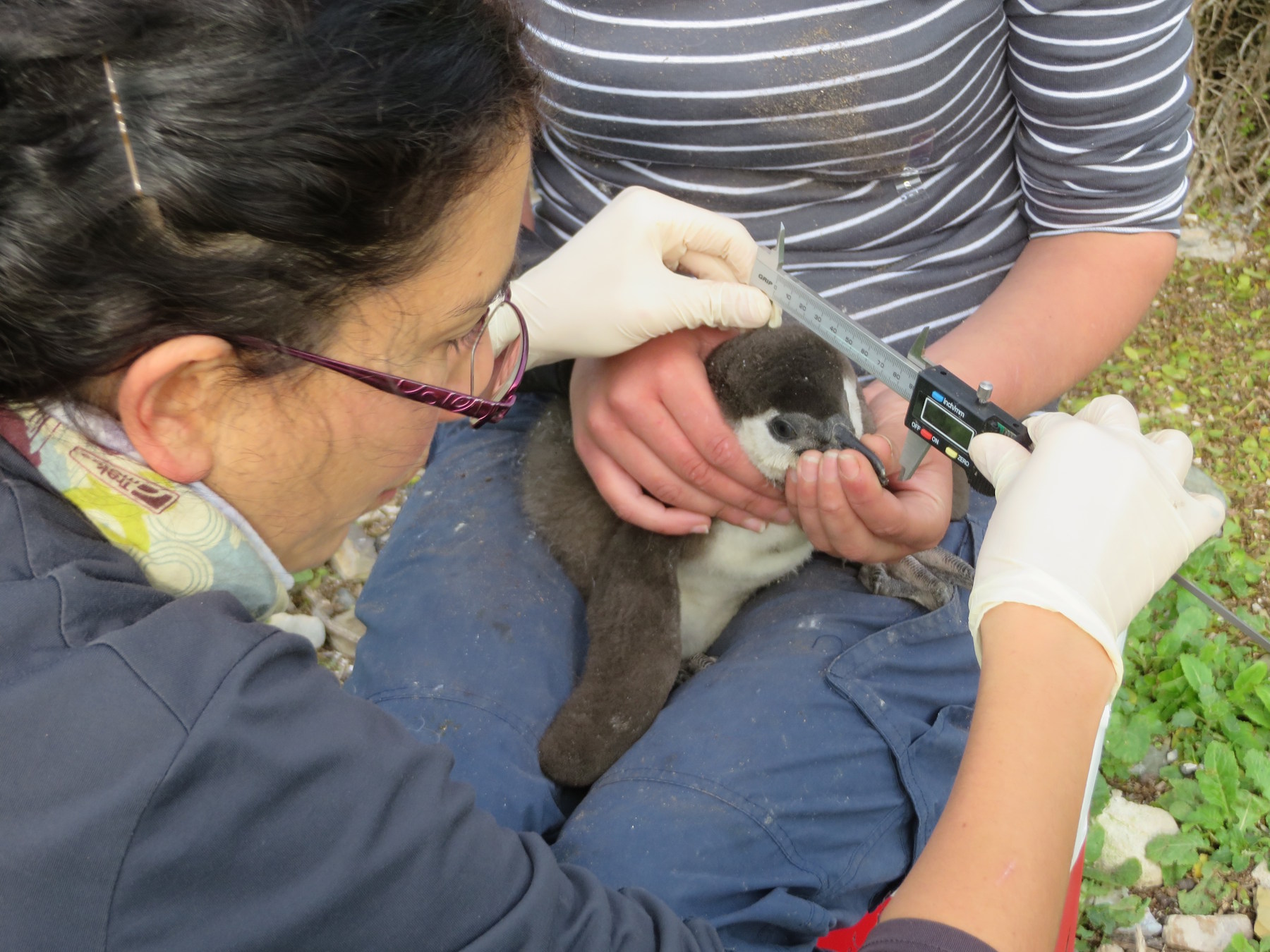
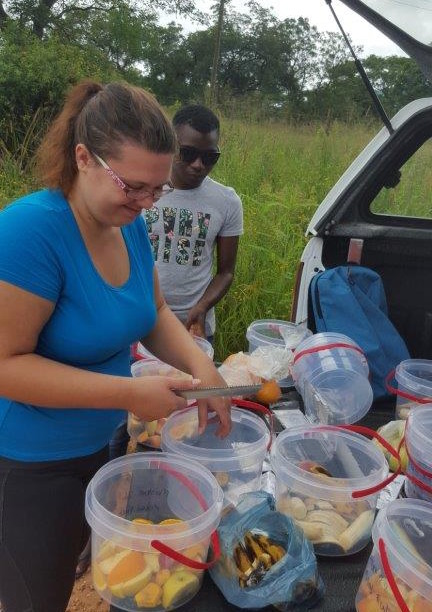
PhD programme in Conservation Ecology (PhD) or PhD (Agric)
This programme leads to the qualification PhD (field Conservation Ecology). The programme focuses on research in various areas of specialisation of Conservation Ecology and delivers specialists in these fields. A relevant and practice-oriented research project leading to innovation or to the solution of a problem by high-level research in this field of study and in the industry concerned is undertaken. This equips the student at the highest academic level to enter the research or professional market. Professional people who, at national and international levels, individually or as member of a team, will play a meaningful research, teaching and/or policy-making role are delivered.
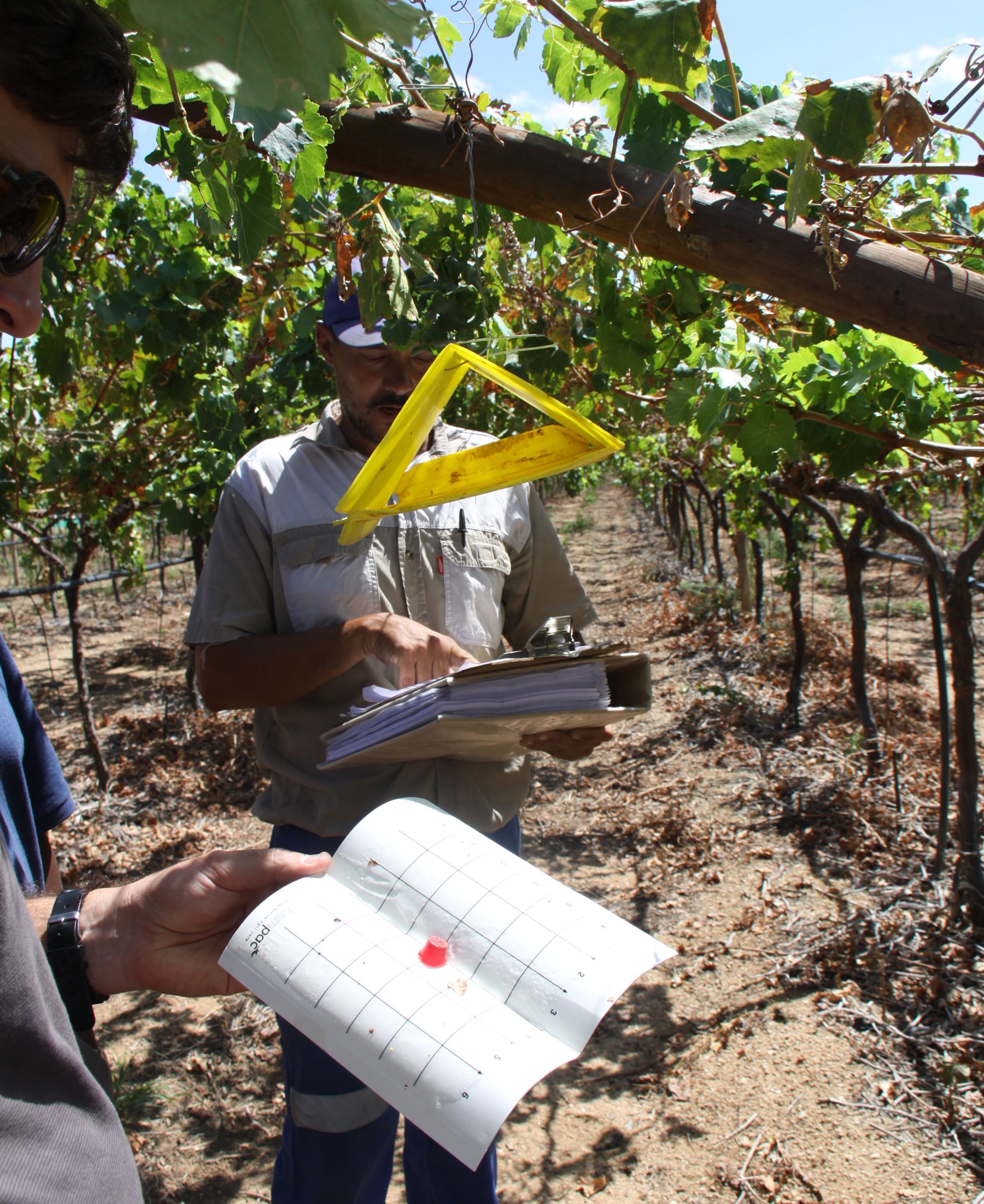
PhD programme in Entomology (PhD) or PhD (Agric)
This programme focuses on research in various fields of entomology. A relevant and practically oriented research project must be carried out, leading to innovation or problem-solving through high-level research in the discipline and in the industry concerned. This equips the student at the highest academic level with the knowledge and expertise they need for entering the research industry or some other professional field. Students thus become professionals who can, either as a team member or individually, play a meaningful role, nationally or internationally, in research, teaching and policy-making in specialist fields concerned with sustainable and environmentally friendly food production and food safety.
Master’s programme in Nematology (MSc or MScAgric)
Topics for the master’s degree are determined in consultation between the prospective student and the lecturer concerned. You can select a topic from fields which include morphology and systematics, biological control and integrated pest management of insects.
PhD programme in Nematology (PhD) or PhD (Agric)
You must carry out a relevant and practically oriented research project in Nematology, leading to innovation or problem-solving through high-level research in Nematology and in the industry concerned. This will equip you at the highest academic level with the knowledge and expertise you need for entering the research industry or professional field.