Undergraduate Programme
4-year BSc (Conservation Ecology)
The 1 st year is a generic first-year BSc that is presented in the Faculty of Science. During this year our students form part of a large pool of first-year students that are registered in various programmes such as Animal Science, Food Science and other programmes offered in the Faculty of Science. From the 2 nd year onwards, the curriculum becomes progressively more focused to include more Conservation Ecology-related modules.
The final year is usually the most interesting and fun. Students start to specialize by selecting modules that align more with their interests. This is also an academically challenging year and students have to work hard to pass the modules and complete a mini research project. The 4 th year is a professional year that has the same credit level as a BSc Honours degree, which is offered in the Faculty of Science. This means that after graduating with a BSc in Conservation Ecology, our students can directly register for a MSc degree. There is therefore no need to first apply and qualify for a separate BSc Honours degree.
Some of our graduates enter the workplace soon after completing their undergraduate degree, but others prefer to specialize further and register for a MSc degree in the Department of Conservation Ecology or with other related departments at Stellenbosch University or elsewhere. Our graduates are readily accepted for MSc degree programmes at other tertiary institutions such as the University of Cape Town and Pretoria University.
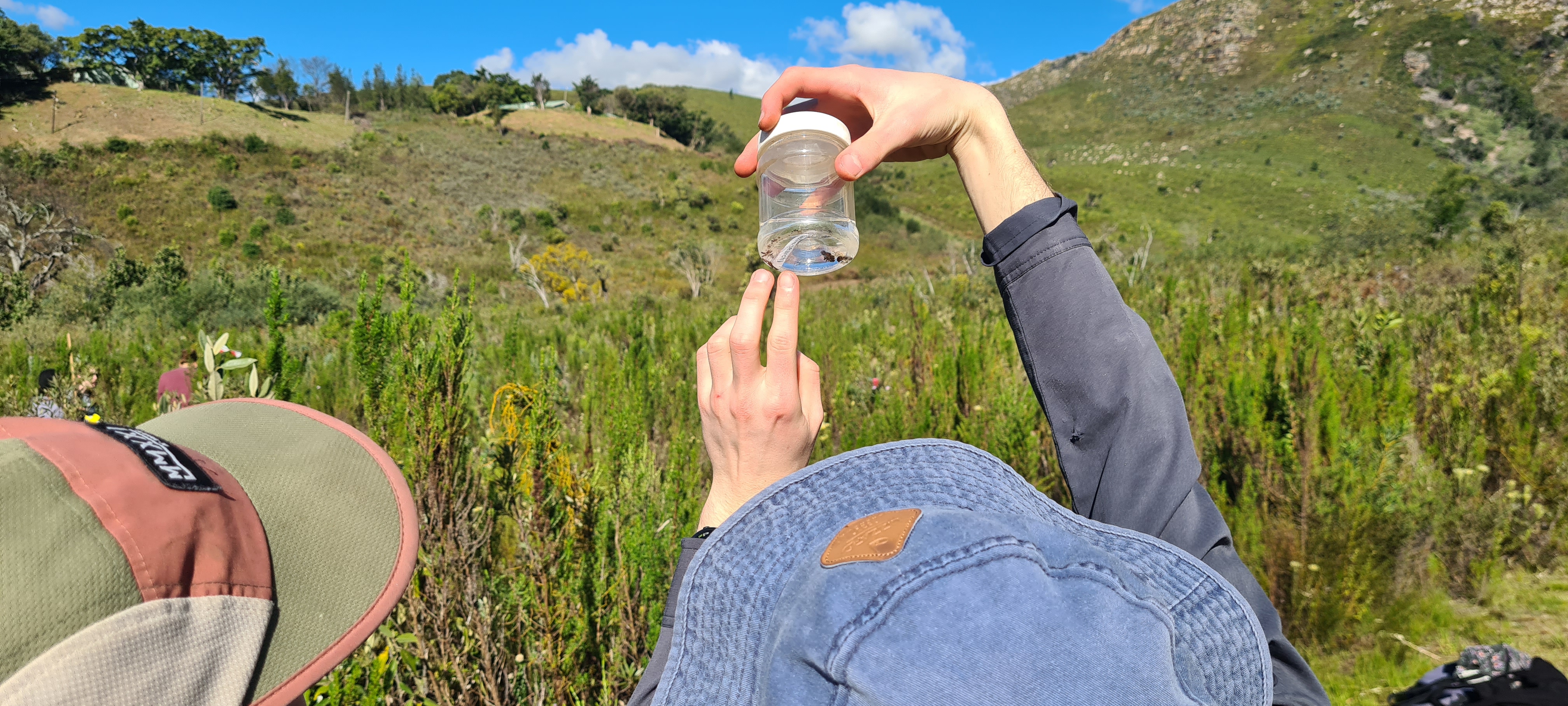
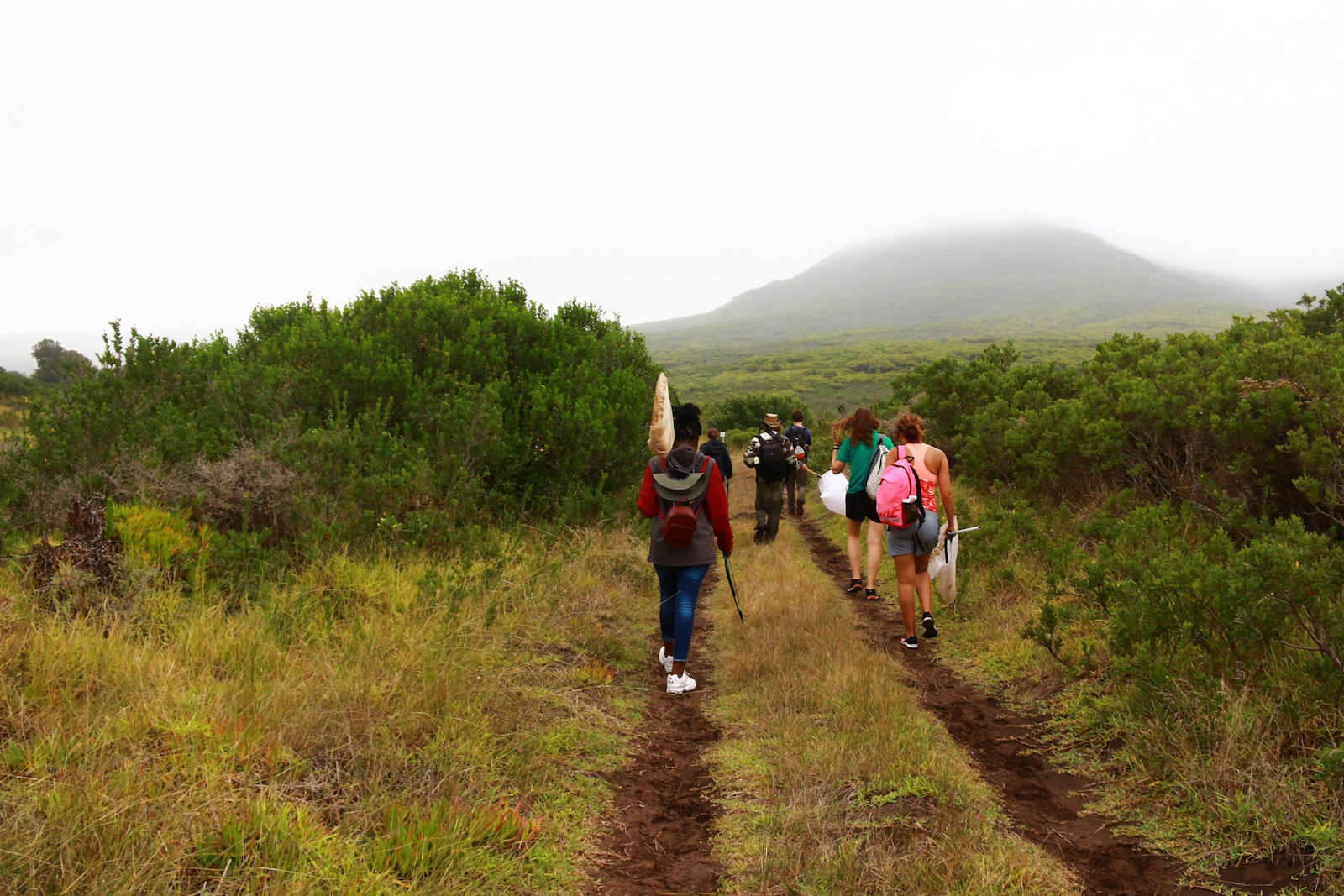
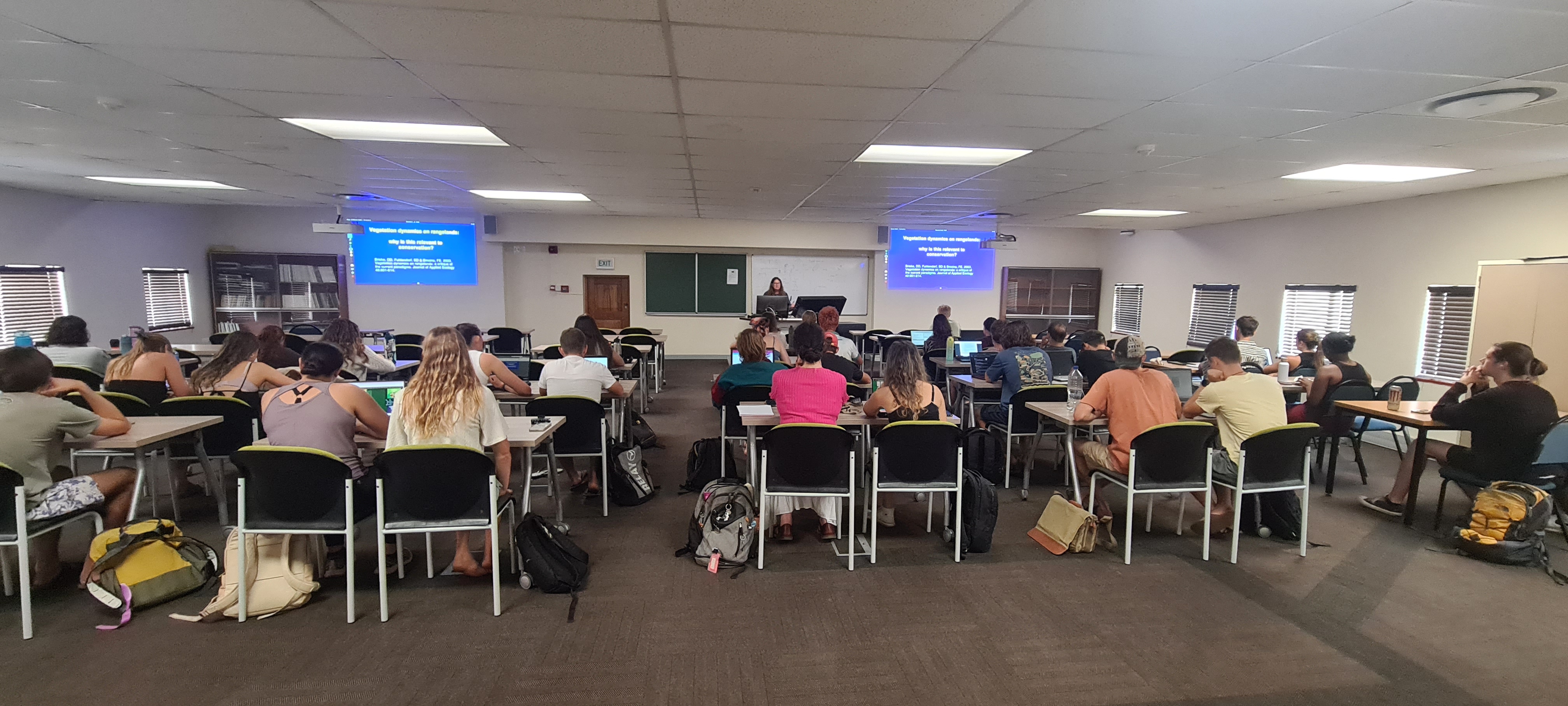
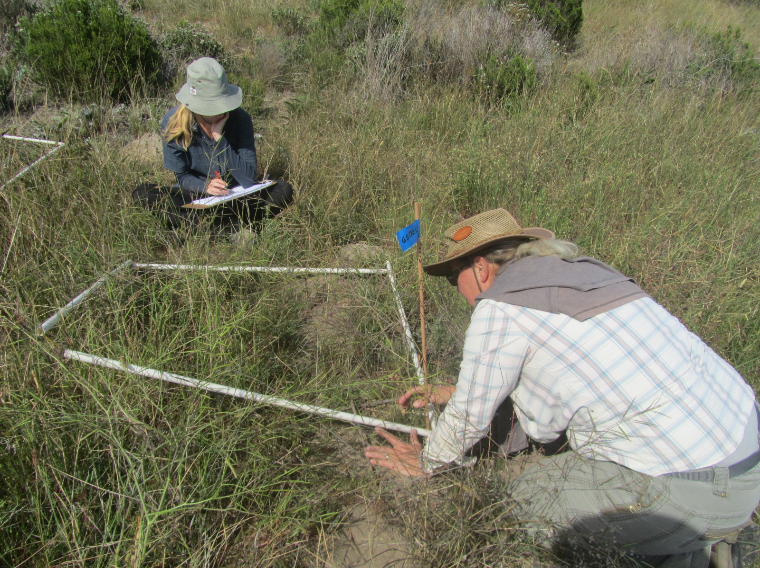
A smaller lecturer to student ratio facilitates a better learning experience in the lecture room and during the many field trips.
Minimum admission requirements (please also consult the Faculty Yearbook):
National Senior Certificate or the IEB’s school-leaving certificate or other school qualification - With an aggregate of at least 60% (excluding Life Orientation)
English or Afrikaans 4 (50%) - Home Language or First Additional Language
Mathematics 5 (60%) - Pure/Core Mathematics
Physical Sciences 4 (50%) - Physics and Chemistry
Career opportunities (some in combination with additional studies in relevant fields):
Consulting: Environmental impact assessment, monitoring and restoration of transformed habitats
Tourist: Ecotourism
Conservation: Private, Provincial and National nature reserves
Social: Community-based natural resource management
Production: Organic plant production, wine farms, forestry, etc.
Academia: Teaching and research
Government or Non-government organizations
Management: Game farms, Agricultural farms, forestry, etc.
Media: Environmental journalism
Law: Environmental law
Departmental awards
1. Conservation Ecology and Entomology Award winners:
In recognition of their outstanding academic achievements, the department awards two merit certificates each year: one for the best student in the field of Conservation Ecology and another for the best Entomology student. Since 2013, 25 awards have been made.
2. Daniel Booysen (1988 – 2010) Memorial Award
In 2010, the Conservation Ecology programme, and indeed the world, tragically lost a very promising young conservationist. Daniel Booysen, in his 4th year of his Conservation Ecology BSc, held great promise for a bright future – he was academically gifted, passionate, and committed to African conservation. To honour his memory and to promote conservation in Africa, the Booysen family has generously committed funding towards the “Daniel Booysen Memorial Award” for the best Conservation Ecology 478 research project. Every year, the top three projects are selected, and since the inception of the award in 2011, 46 awards have been made.