

Belonging in the Small Moments: A Journey from Kenya to Stellenbosch
- For Celestine Kemunto Nyamari, moving from Kenya to Stellenbosch meant navigating the heavy and unfamiliar weight of leaving family behind to pursue professional growth.
- As both a mother and a scientist, the integration process required balancing personal responsibilities with the challenge of settling into a new country.
- Belonging was ultimately discovered through the kindness of people and simple daily rhythms — like shared meals and runs — that transformed a geographic move into a genuine sense of community.
The Scientist & The Search
Kenya is home for me. It is where my family is, where I first discovered my passion for science, and where many of the questions that continue to shape my research began. My background is in Molecular Biology and Biotechnology, and over the years I have been involved in research addressing some of Africa’s most pressing health challenges, particularly infectious diseases and cancer.
What motivates me most is the belief that science should improve lives in practical and accessible ways. In Kenya, I was involved in supporting the establishment of molecular diagnostic laboratories helping strengthen local diagnostic capacity. This experience showed me how transformative locally built scientific infrastructure can be for African healthcare systems. Today, my research focuses on cervical cancer and Human Papillomavirus (HPV), the virus responsible for nearly all cervical cancer cases.
For me, the challenge is not only scientific but also structural. African populations remain underrepresented in genomics and precision medicine research, despite carrying a significant burden of disease. I believe African health challenges require solutions informed by African data, African realities, and African-led research.
Choosing Stellenbosch
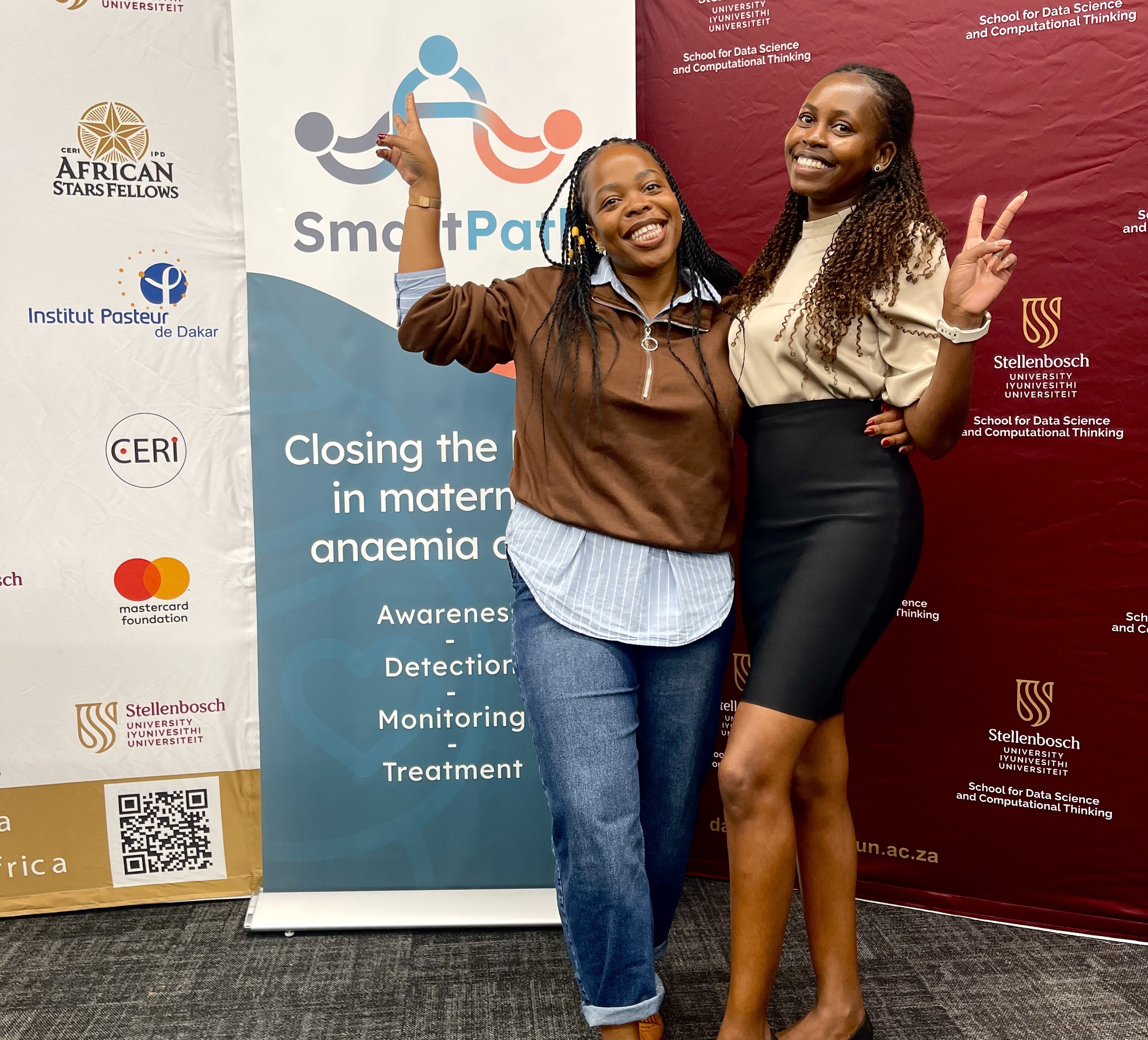
I came to Stellenbosch University through the Africa STARS programme, and what immediately stood out to me was the strong culture of innovation and collaboration. I was inspired by the way researchers are encouraged to think beyond publications and toward creating meaningful impact and solving local challenges.
I was particularly drawn to the university’s biotechnology innovation ecosystem within and the emphasis on translating research into solutions that can benefit society
Through the fellowship, I have had the opportunity to explore biotechnology innovation beyond my core research area, including projects focused on enzyme production and entrepreneurship. These experiences have expanded the way I think about science as a pathway toward developing locally driven diagnostic and therapeutic solutions for Africa.
The Moment I felt I Belonged
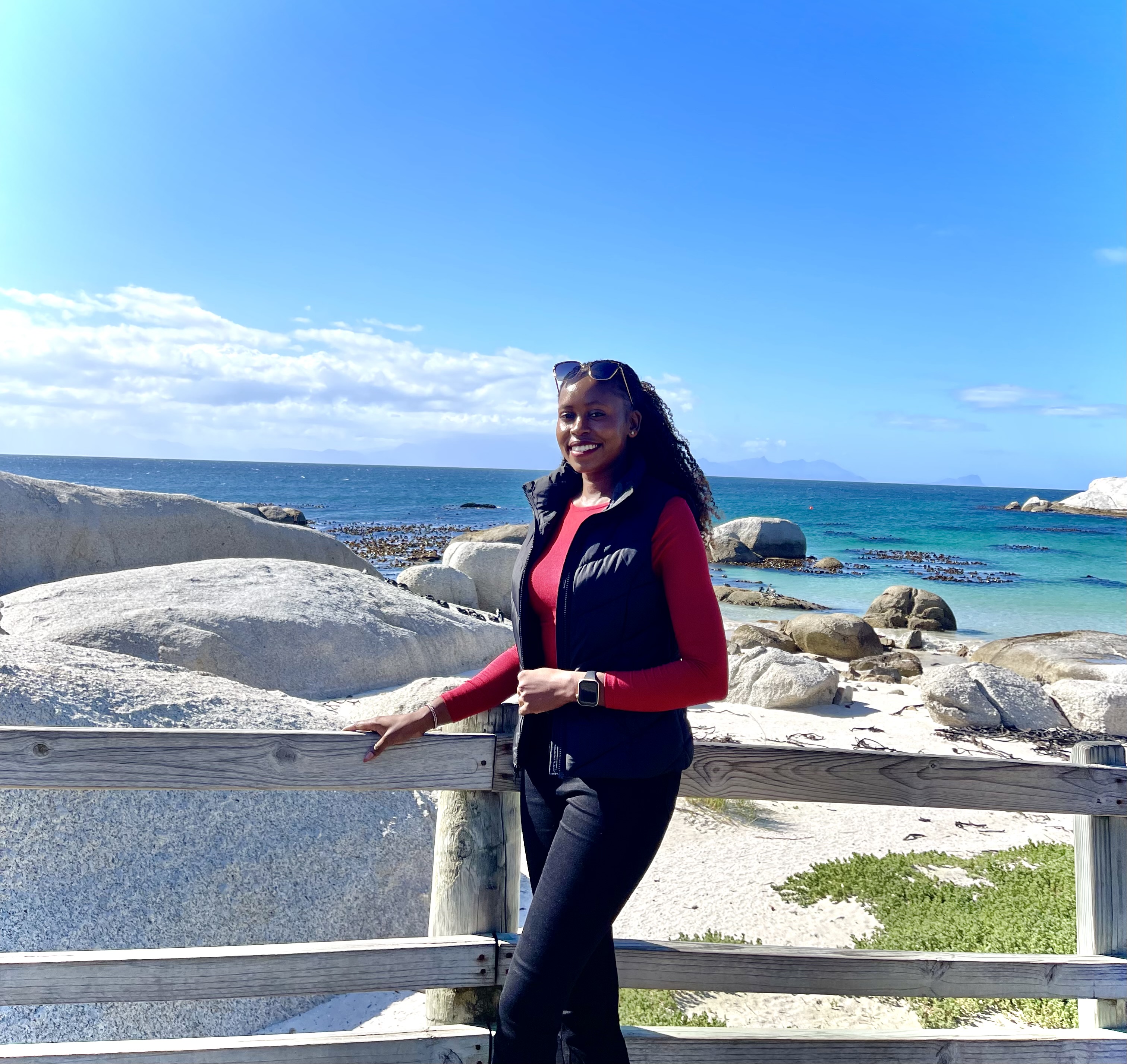
Beyond the academic environment, settling into Stellenbosch was initially difficult because it meant leaving my family behind in Kenya. As a mother and a scientist, balancing personal responsibility with professional growth has not always been easy. There were moments when the distance felt heavy and unfamiliar.
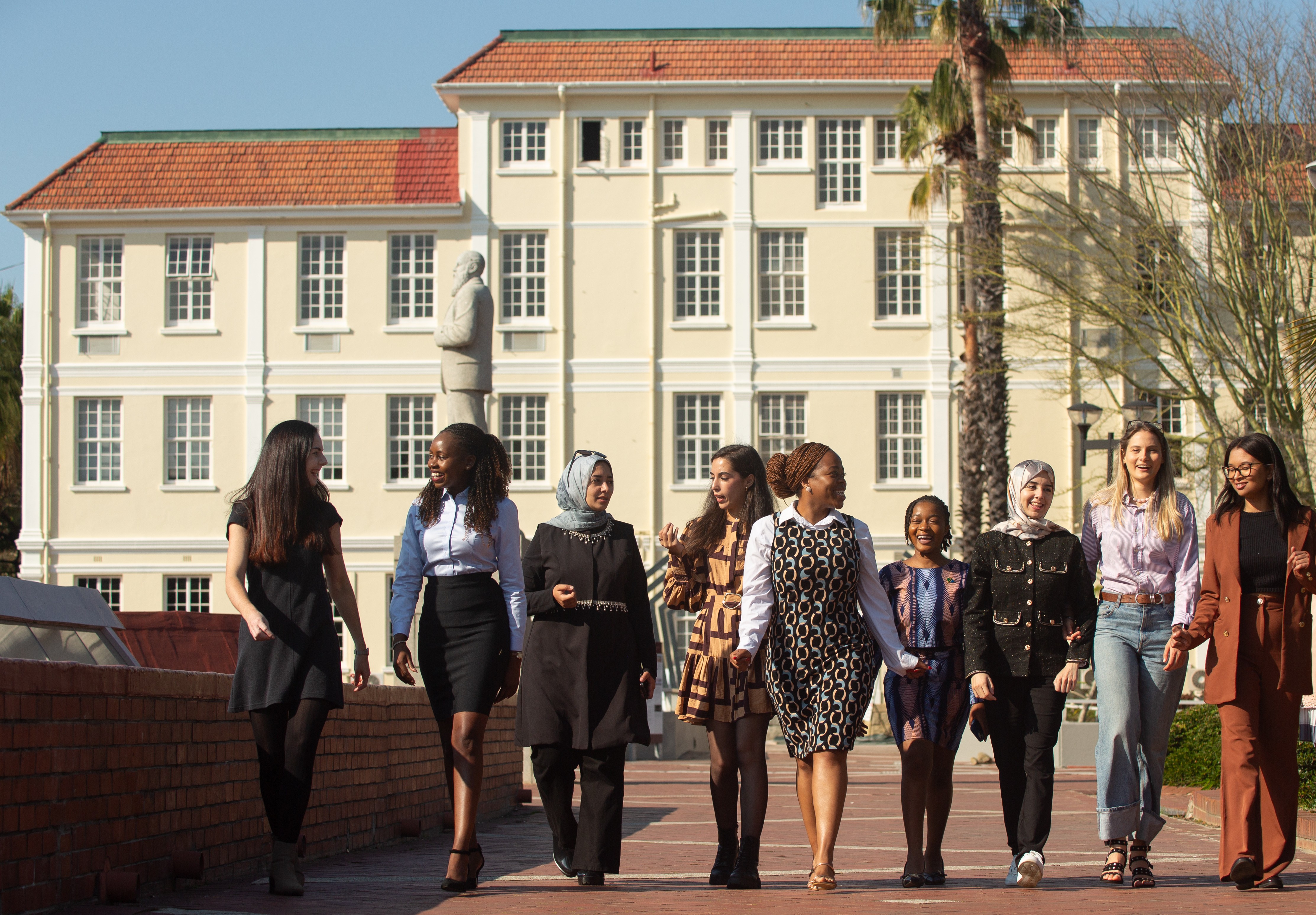
What made the transition easier, and created a sense of belonging were the people. The Africa STARS fellows were welcoming and approachable from the beginning. Over time, shared experiences created genuine friendships and a sense of community. Sometimes belonging was found in the simplest moments — conversations after work, shared meals, or going for runs together. The staff at CERI and the International Office also made a huge difference in helping me settle in. Everyone I interacted with were supportive, kind, and willing to help. Through these experiences, I realised that belonging is not always about geography. Sometimes it is created through shared purpose, openness, and human connection.
The “Africa” Vision
For me, this is what “In Africa, With Africa, For Africa” truly represents. It represents ownership, collaboration, and possibility. It means African scientists leading research that directly addresses the needs of African communities. It means building sustainable scientific systems within the continent rather than depending entirely on external structures or solutions.
It also means working together across borders. My journey from Kenya to Stellenbosch has shown me the power of pan-African collaboration and what becomes possible when scientists from different countries share knowledge, ideas, and expertise toward common goals.
I see my research contributing to a future where African women benefit from more context-specific approaches to disease prevention, diagnosis, and precision medicine. I also hope to contribute to strengthening scientific capacity, biotechnology innovation, and research ecosystems that will support future generations of African scientists.
Related stories
Opinion and features
Ending hunger in Africa needs Africa-led science — and the governance to match
World Hunger Day was observed on 28 May. In an opinion piece for the Mail & Guardian, Prof Scott Drimie of the Division of Human Nutrition explained why it is...
Opinion and features
Key continental issues highlighted on Africa Day
Building Africa’s future, Ubuntu and liberal democracy, the lives of migrant African women in South Africa, and the internationalisation of African higher...
Opinion and features
International Biodiversity Day: Wild harvesting across Africa for the global cosmetics industry
International Biodiversity Day was celebrated on 22 May. In an opinion piece for the Cape Argus, Dr Francis Vorhies of the African Wildlife Economy Institute...