

Press Freedom celebration calls for moment of reflection
- Core Values: Resilient journalism relies on maintaining audience trust and ethical standards to distinguish professional news from "noise."
- Strategic Technology: Tools like AI should be used to innovate and expand reach, but they must assist journalists rather than replace human accountability.
- Public Interest: True impact comes from reporting that serves the public interest and fosters a well-informed citizenry, moving beyond mere "clicks."
Maintaining audience trust and building relationships are key to the continued resilience of journalism in the face of sustained threats.
This was one of the take-away messages of the Department of Journalism’s annual World Press Freedom Day celebration, with the theme: “Resilient Journalism: Bridging Technological Promise and Democratic Threat”.
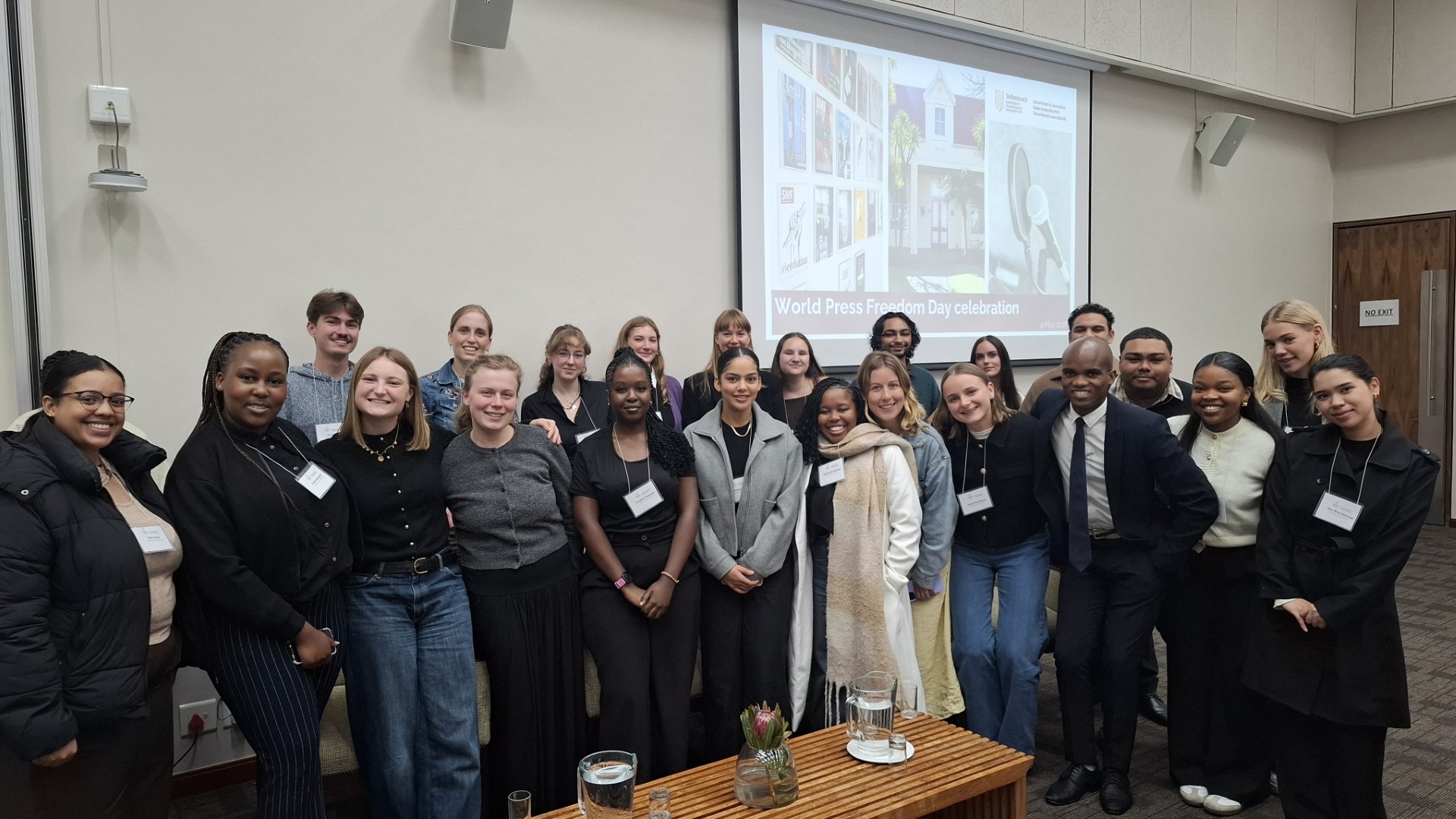
The event, which took place on Monday 4 May at STIAS, featured a stellar line-up of industry professionals and academic thought-leaders. Prof Vasti Roodt (Dean: Faculty of Arts and Social Sciences) welcomed attendees by encouraging them to become “reflective citizens” that can distinguish noise from useful information.
Students from the BAHons Journalism Class of 2026 also presented case studies on resilient media outlets in countries like Kenya, El Salvador and the Philippines.
Keynote speaker Paula Fray (Founder and owner: frayintermedia), said resilient journalism is not just “journalism that survives”; it is journalism that innovates “without abandoning its values”. She also affirmed the need for all of us to reflect on the type of information environment we want to build, because this is not just a task for the media.
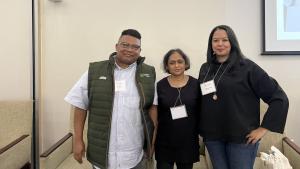
In a series of quickfire presentations on the “promise and perils” of technology, Ivor Price (Founder: Food for Mzansi), Charlene Rolls (Head: Accelerated AI Adoption, Media24) and Aasra Bramdeo (Digital Editor, SABC) shared insights from their own newsrooms. Price explained that his news outlet’s on-the-ground reporting in remote rural areas, where access to technology is limited, brings unheard stories into the spotlight. Rolls explained that technology, such as AI tools, can help journalism to flourish. According to her, however, journalists are not “cowboys” that do the same thing as an influencer in some bedroom; ethical judgment is key.
A panel focused on AI and ethics, featured Prof Kanshukan Rajaratnam (Director: SU’s School for Data Science and Computational Thinking), Dr Tanya de Villiers-Botha (Chair, Department of Philosophy, SU) and Neesa Moodley (Associate Editor, Business Maverick). According to Rajaratnam, technology enables the media to reach more diverse audiences. Moodley cautioned, however, that tools such as AI should assist journalism, not impersonate it.
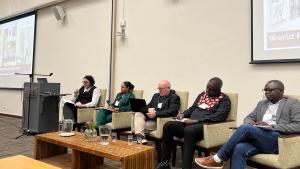
During the final panel of the day, Prof Herman Wasserman (Director: Centre for Information Integrity in Africa), Prof Wallace Chuma (Centre for Film and Media Studies, University of Cape Town), Barbara October (Editor: GroundUp) and Reggy Moalusi (Executive Director: Sanef) spoke about the accountability needed on the part of journalists, who often face not only a crisis of sustainability, but also of identity.
Dr Marenet Jordaan (Chair: Department of Journalism) said that the celebration “provided an opportunity to pause and reflect on where journalism fits into the larger media ecosystem”. According to her, the day’s presentations and discussions confirmed the need for journalism that transcends “clicks and AI” to report in the public interest and thus contribute to a well-informed citizenry.
Related stories

Media release
People with Down syndrome must be included in conversations about their healthcare
People with Down syndrome and their families consistently value healthcare that is relational, respectful, and person-centred, rather than focused solely on...

Media release
SU scientist receives R14 million grant to tackle West Nile virus
As climate and environmental change continue to reshape ecosystems across the world, scientists are warning that mosquito-borne diseases may spread into new...
Media release
Many factors drive changes in human-wildlife relationships
Human populations are expanding and encroaching further into wildlife habitats, leading to dynamic and evolving relationships between humans and wildlife. As...