
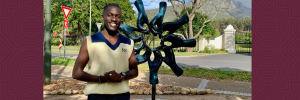
From a Greeting in Nyanja to a Place Called Home
- Before leaving Zambia, Kondwani Ngulube's sense of belonging was sparked by the practical warmth and responsiveness of SU International, which eased the massive anxiety of moving to a new country.
- His true moment of belonging occurred on day one at Helderberg Men’s Residence, when the student leadership went out of their way to greet him in his home language, Nyanja, signaling that his culture was celebrated rather than just tolerated.
- Moving from his undergraduate degree into an MSc in Horticultural Sciences, he transitioned from receiving hospitality to building it — co-founding a Zambian student community, joining residence leadership, and serving on the AMANI board to actively enrich the pan-African campus experience.
Choosing a university is never just about rankings. When I was deciding where to pursue my BSc in Agriculture, Stellenbosch University (SU) stood out not only for its academic reputation as one of the continent’s leading institutions, but for something less tangible, the way it reached out to me before I had even set foot in South Africa.
I remember having questions as a first-time student preparing to leave Zambia, and the International Office at SU responded promptly, warmly, and practically. They offered transport from the airport to Stellenbosch for my family and me. They provided guidance on which bank accounts to open. These may seem like small things, but to a young person preparing to live in a country they have never called home, they were everything. SU was already showing me, before I arrived, that I would not be navigating this alone.
But the moment I truly felt I belonged came on my very first day at Helderberg Mens Residence before a single lecture had begun.
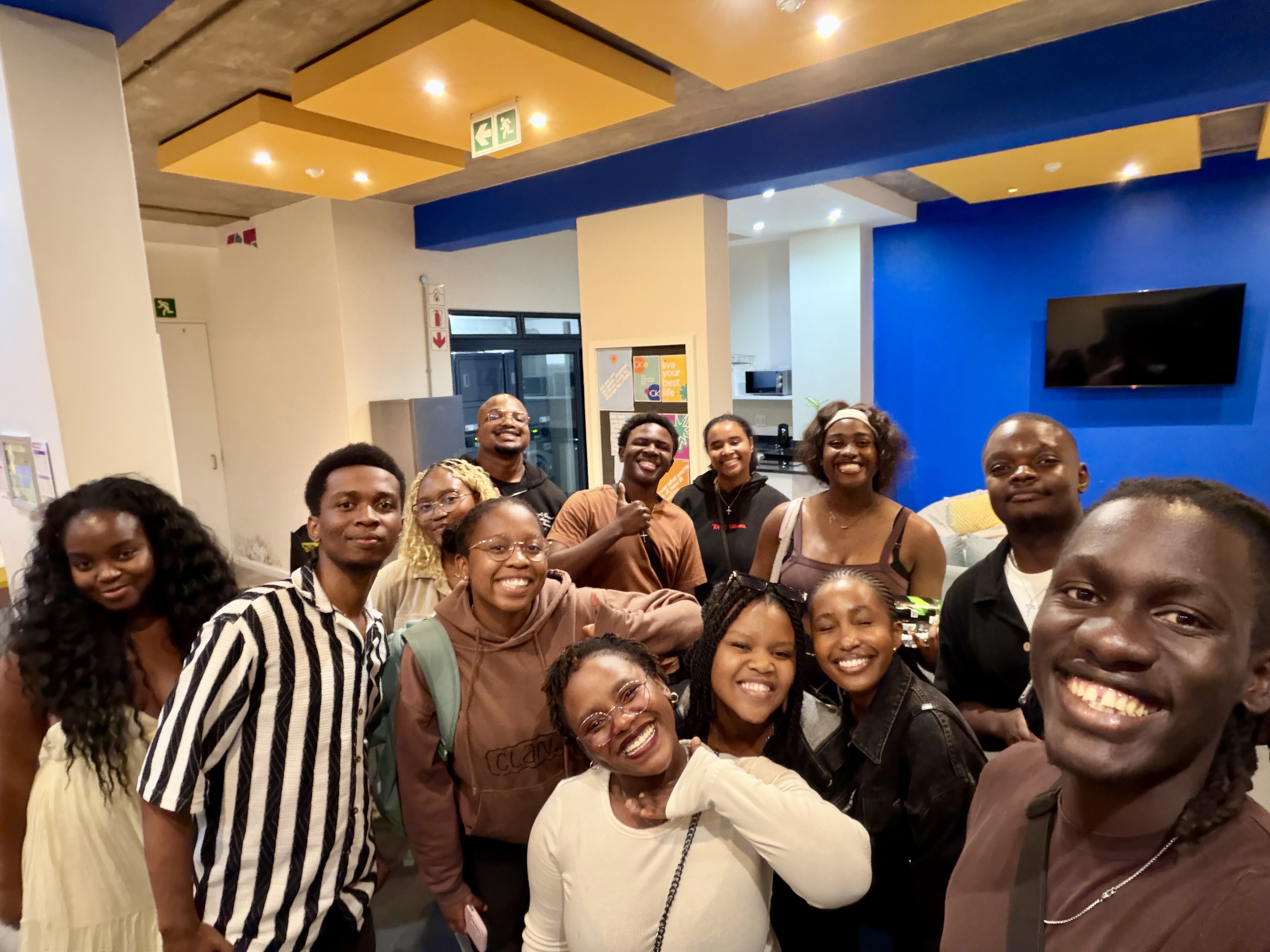
During the welcoming programme, the house committee and mentors of my residence leadership greeted me in Nyanja, which is my home language. It was not perfect, and I think they knew that. But that is exactly what made it so meaningful. They had gone out of their way to learn how to greet me in my own tongue, in a residence where I was the only Zambian in my newcomer’s cohort. There were a few other international students in our group from Malawi, Botswana, and Namibia, and the leadership had done the same for them, too. In that moment, I understood something important: this was a place that would not simply tolerate difference. It would celebrate it.
My fellow newcomers followed the lead of that welcoming culture, too. Even though they made the effort, it was the thought that counted. It set the tone for everything that followed.
Over the years at SU, through my undergraduate degree and now into my MSc in Horticultural Sciences, my understanding of community has grown beyond what I initially thought it was. Community, I have come to believe, is not a specific place or group. It is a feeling that builds consistently through shared experiences in the classroom, across campus, in the societies you join, and in the friendships you keep.
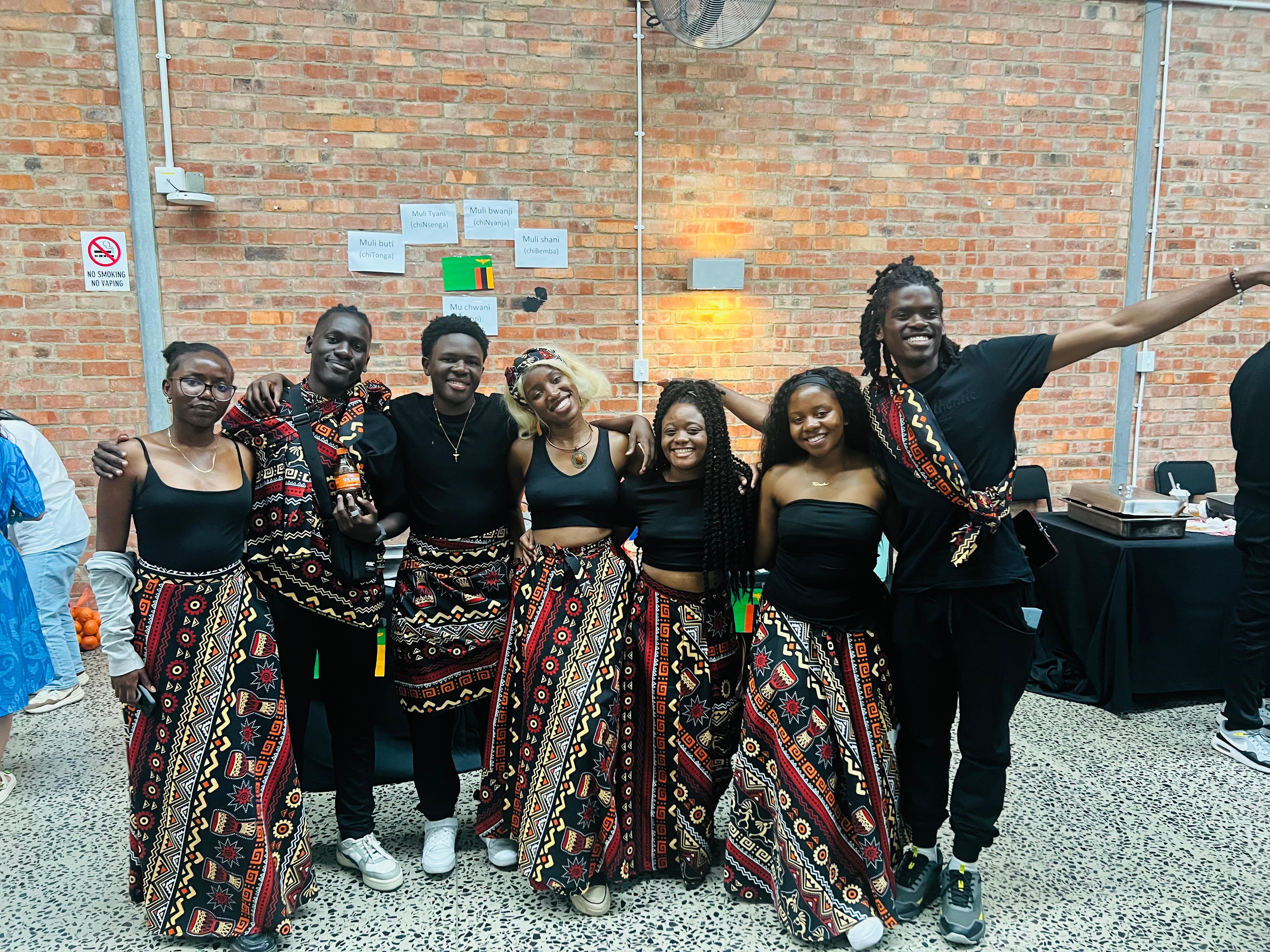
But I have also come to understand that belonging is not something you simply receive. It is something you choose to build for others. That is why I became involved in residence leadership, because I wanted the next newcomers to feel what I felt on that first day. It is why we created a Zambian student community on campus, a gathering point for those who needed a familiar voice or shared a meal to get through a tough week. It is why I serve on the Amani board at SU International, working to improve the international student experience for everyone at SU. A community grows when people decide to leave it better than they found it.
Stellenbosch University speaks of a vision: “In Africa, With Africa, For Africa.” When I first heard those words, they sounded like an aspiration. Now, having lived them, they feel like a description of what I have experienced.
I am a student from Zambia, studying agriculture, in a country not my own and yet I have never felt like an outsider. I have been welcomed, supported, and challenged to grow. And in turn, I have tried to offer that same welcome to others. That, to me, is what it means to be “with Africa”, not just benefiting from a world-class institution on the continent, but contributing to the communities that make that institution what it is.

Related stories
Opinion and features
Ending hunger in Africa needs Africa-led science — and the governance to match
World Hunger Day was observed on 28 May. In an opinion piece for the Mail & Guardian, Prof Scott Drimie of the Division of Human Nutrition explained why it is...

Opinion and features
Key continental issues highlighted on Africa Day
Building Africa’s future, Ubuntu and liberal democracy, the lives of migrant African women in South Africa, and the internationalisation of African higher...

Opinion and features
International Biodiversity Day: Wild harvesting across Africa for the global cosmetics industry
International Biodiversity Day was celebrated on 22 May. In an opinion piece for the Cape Argus, Dr Francis Vorhies of the African Wildlife Economy Institute...