
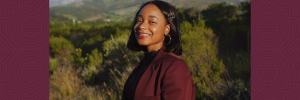
Blooming Where You Are Planted: Redefining Leadership Across Borders
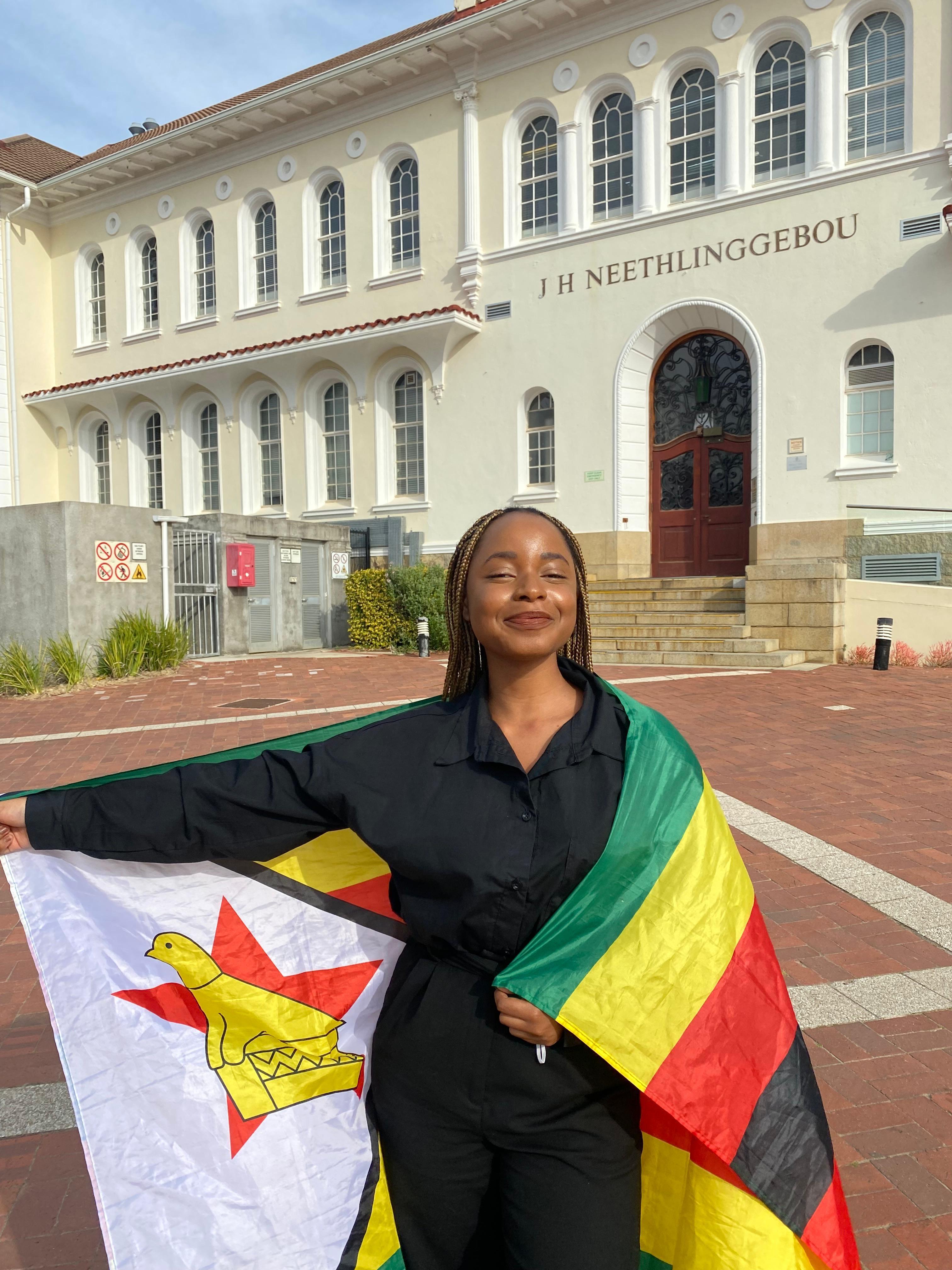
- Coming from Zimbabwe, where leadership is culturally reserved for the elderly, international student Shanice Kantuchitani was empowered by the abundance of accessible, student-led opportunities at Stellenbosch University.
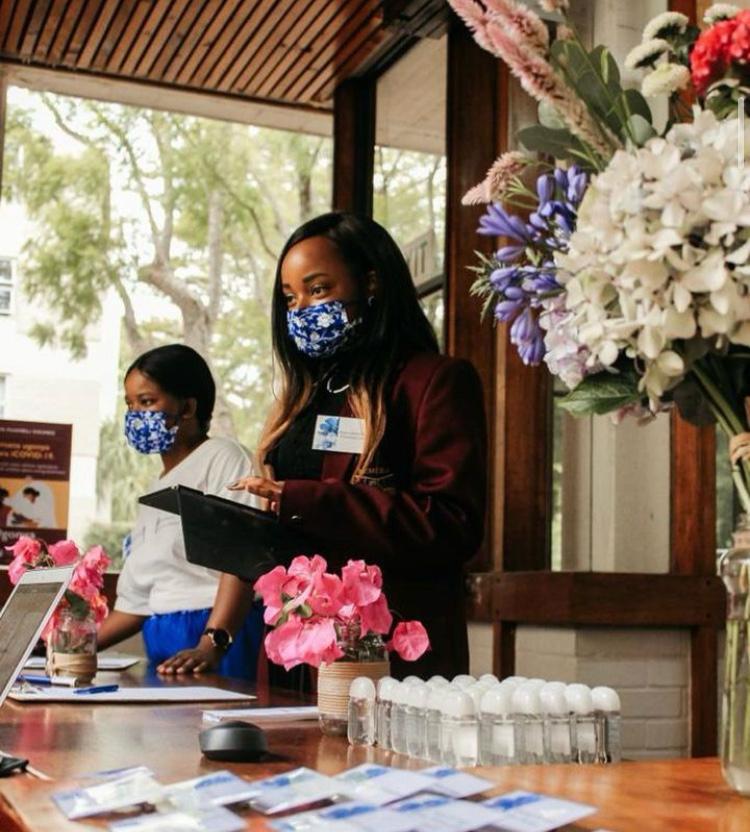
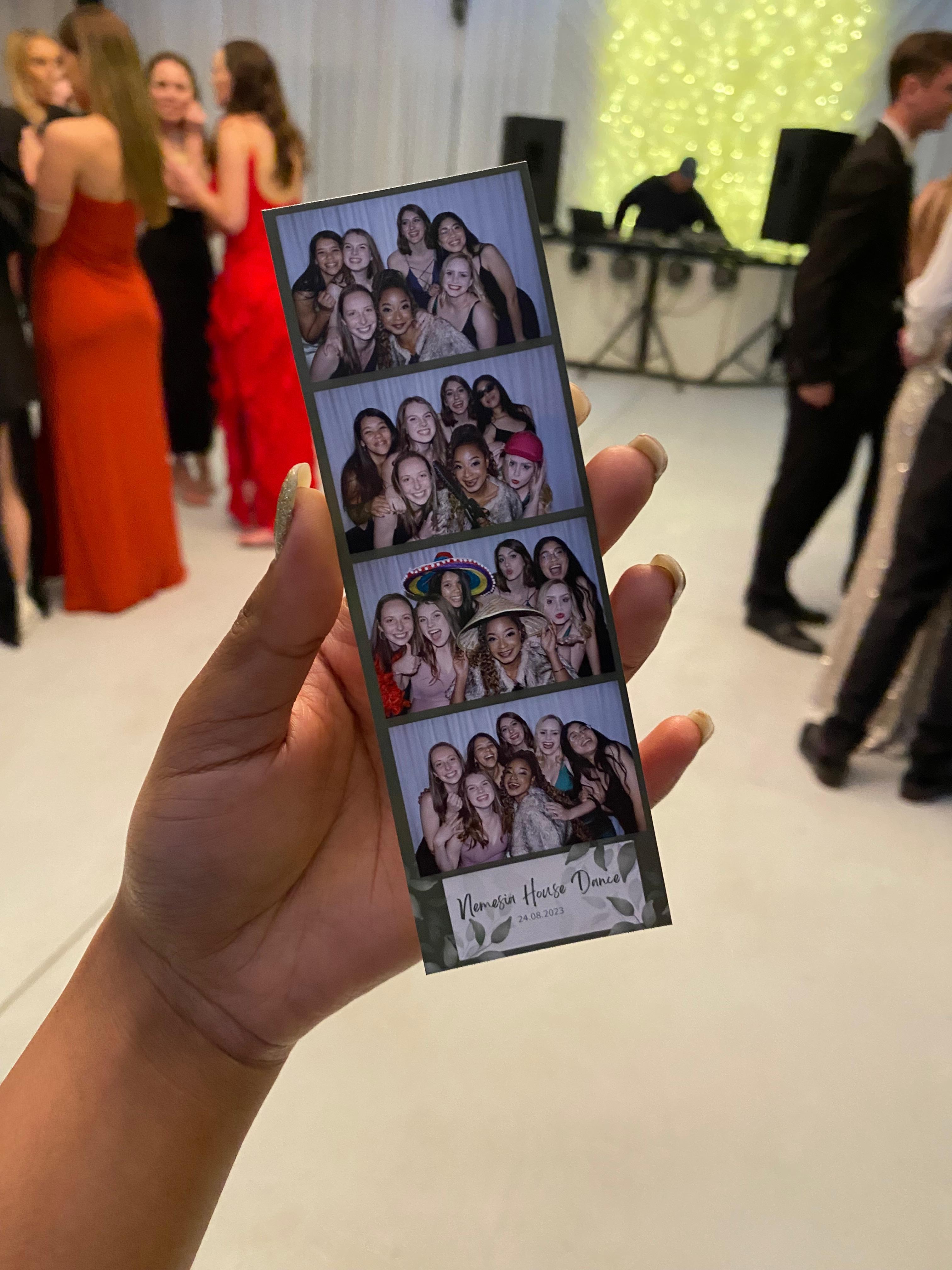
- After pandemic isolation, she became a house committee member at Nemesia Residence, finding her purpose in mentoring incoming international students and championing representation.
- She expanded her impact across campus by easing student isolation through the Matie Buddy Programme, leading ZIMSOC to honor Zimbabwean culture, and joining the AMANI board to build a united, inclusive pan-African campus.
In my home country, Zimbabwe, leadership is an asset of time. It is a crown reserved strictly for the elderly, for the grey hairs who have survived decades of history. Young people listen; we do not lead. So, when I arrived here as an international student, the abundance of leadership opportunities for the taking felt almost sacrilegious. I was astounded by the sheer volume of committees, boards, and societies led entirely by students.
When you come from a place where people often feel powerless to the economic and political circumstances around them, you don't take an open door for granted. Looking back, what stood out to me most at Stellenbosch University was how seamlessly these opportunities were offered equally to each student—the platform was as much mine as any other student's.
In 2020, my undergraduate journey began in total isolation. The pandemic stole eight months of my university experience before it even truly started, forcing me to watch the world stall from behind closed borders. That prolonged waiting changed everything. Typically, as a foreign student, your natural instinct is to keep your head down, do your work perfectly, and avoid conflict so you don’t rock a boat that isn't yours. But when campus finally reopened, the passive observer in me was gone. I didn't just return to class; I came back hungry to maximize every single resource, committee, and platform available to me.
My own journey started small, within the four walls of Nemesia Ladies Residence as a seniors committee member and eventually a house committee member. Residence life naturally builds a deep, lifelong sisterhood, but I appreciated that experience on a completely different level. Nemesia became the space where I connected with other international students, finding pieces of home in our shared displacement—specifically with my best friend, Angela from Malawi. It provided me with the opportunity to become a big sister to the international newcomers walking through our doors. Guiding them through the cultural shocks, the administrative hurdles, and the vulnerability of being far from home transformed my understanding of leadership. Being able to look into their anxious eyes and welcome them in didn't just comfort them; it healed something in me, too. It made me realize for the very first time that being foreign wasn't a deficit to hide—it had immense value. Seeing the sheer relief in the eyes of both the students and their parents when they looked at me taught me the importance of representation firsthand. But more than just being a visible face, I wanted to inspire them on what is truly possible when you step out of your comfort zone. I wanted to build a culture of taking risks, showing them that the fear of not fitting in, or the reluctance to 'rock the boat that isn’t yours', shouldn’t keep them small. I wanted every international student who came after me to understand what took me years to learn: you are not just allowed here out of charity; you are actively welcomed, valued, and celebrated in this space.
Leaving the residence space was when I got to test that conviction and see if the empathy and confidence I had gathered within Nemesia could survive the wider, more complex spaces of Stellenbosch University. I chose to put myself exactly where the gaps were widest. Through the Matie Buddy Programme, I stripped away the initial isolation for international exchange students, guiding them through the experience of a new country before loneliness could settle in.
My deepest pride lay in leading my own community. Serving as the chairperson of ZIMSOC (the Zimbabwean Society at Stellenbosch University) was where my urge to redefine the international student experience truly found its rhythm. I was a custodian of my people's dignity on this campus. I was representing a community of brilliant, hardworking minds, ensuring our culture wasn't just a performance for international food evenings, but an active, respected presence at the university. From there, stepping onto the AMANI leadership board alongside other national society leaders felt like the natural culmination of the journey. In AMANI, we addressed the challenges that often isolate foreign students (specifically African international students) from the inside out, collaborating as equals to shape a truly inclusive campus.
Moving through these spaces taught me that leadership isn't defined by the passport you hold or the soil under your feet. It is about having the courage to plant your roots right where you are and bloom fiercely

Related stories
Opinion and features
Ending hunger in Africa needs Africa-led science — and the governance to match
World Hunger Day was observed on 28 May. In an opinion piece for the Mail & Guardian, Prof Scott Drimie of the Division of Human Nutrition explained why it is...

Opinion and features
Key continental issues highlighted on Africa Day
Building Africa’s future, Ubuntu and liberal democracy, the lives of migrant African women in South Africa, and the internationalisation of African higher...

Opinion and features
International Biodiversity Day: Wild harvesting across Africa for the global cosmetics industry
International Biodiversity Day was celebrated on 22 May. In an opinion piece for the Cape Argus, Dr Francis Vorhies of the African Wildlife Economy Institute...