
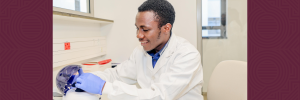
In Africa, For Africa: Building Community through Continental Collaboration
- As a Ugandan clinical microbiologist, Joel Kabugo's work focuses on expanding diagnostic access and addressing continental health challenges, having led a pediatric tuberculosis diagnostic rollout in Uganda and now conducting childhood HIV genomic research at Stellenbosch.
- He joined the African STARS Fellowship at the Centre for Epidemic Response and Innovation (CERI) because the program intentionally targets resource and training gaps found within national laboratory systems.
- Joel experienced a true sense of connection and belonging through open, multicultural collaboration and interactive seminars on scaling healthcare , which solidified his vision of empowering African researchers to solve African problems.
Identity and Roots
Uganda is home for me. It is where my work is rooted — in the realities of clinical care and public health systems, with a clear focus on implementation. As a clinical microbiologist and infectious diseases research scientist, my main goal has always been to expand access to laboratory diagnostics through operational research and health system strengthening. Over the past decade, I have contributed to how Uganda diagnoses and responds to diseases such as tuberculosis, HIV, and SARS-CoV-2, playing a direct role in national disease response strategies.
The Continental Challenge
At the centre of my work are three core public health challenges in Africa: increasing antimicrobial resistance, inequitable access to diagnostics, and limited global representation in genomics research. That imbalance is significant. Africa carries a large share of the global disease burden yet contributes less than two percent of genomic data. For me, this imbalance shapes how diseases are understood, how outbreaks are tracked, and how responses are designed. This is why African-led research matters. African challenges require African data, African perspectives, and African collaboration.
Practical Impact
My work focuses on practical shifts within healthcare systems. Between 2024 and 2025, I led the rollout of stool testing as an alternative method for diagnosing tuberculosis in children, an approach that helped identify cases that would otherwise have gone undetected. For me, this represented more than a scientific milestone. While rooted in Uganda, my work is ultimately about ensuring that fewer children are missed, and that diagnosis reaches those who need it most.
Bringing this same focus to my fellowship at Stellenbosch, my current work focuses on contributing baseline genomic and immunological data on HIV reservoir size, particularly in children, with the aim of supporting future HIV cure research built on African data.
The Journey to Stellenbosch
My journey to Stellenbosch University through the African STARS Fellowship at the Centre for Epidemic Response and Innovation (CERI) was shaped by this same commitment to impact-driven African research. What drew me to the fellowship was how intentionally it addressed the exact gaps in our national laboratory systems back home. Supported by the Mastercard Foundation, the programme brings together mentorship, research management, biotechnology entrepreneurship, and exposure to advanced infectious disease research — areas that are often not addressed together in resource-limited settings.
The moment I felt I belonged
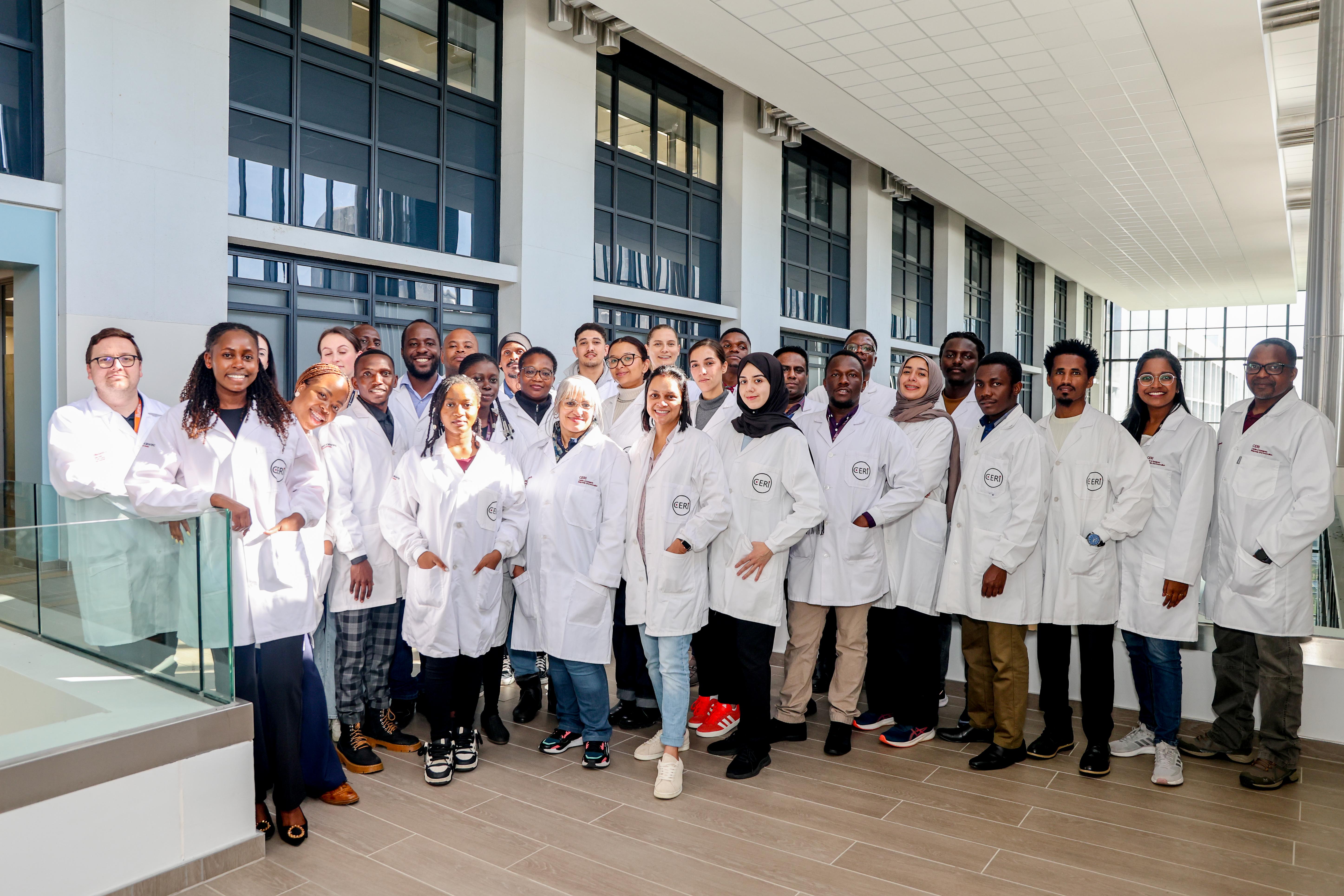
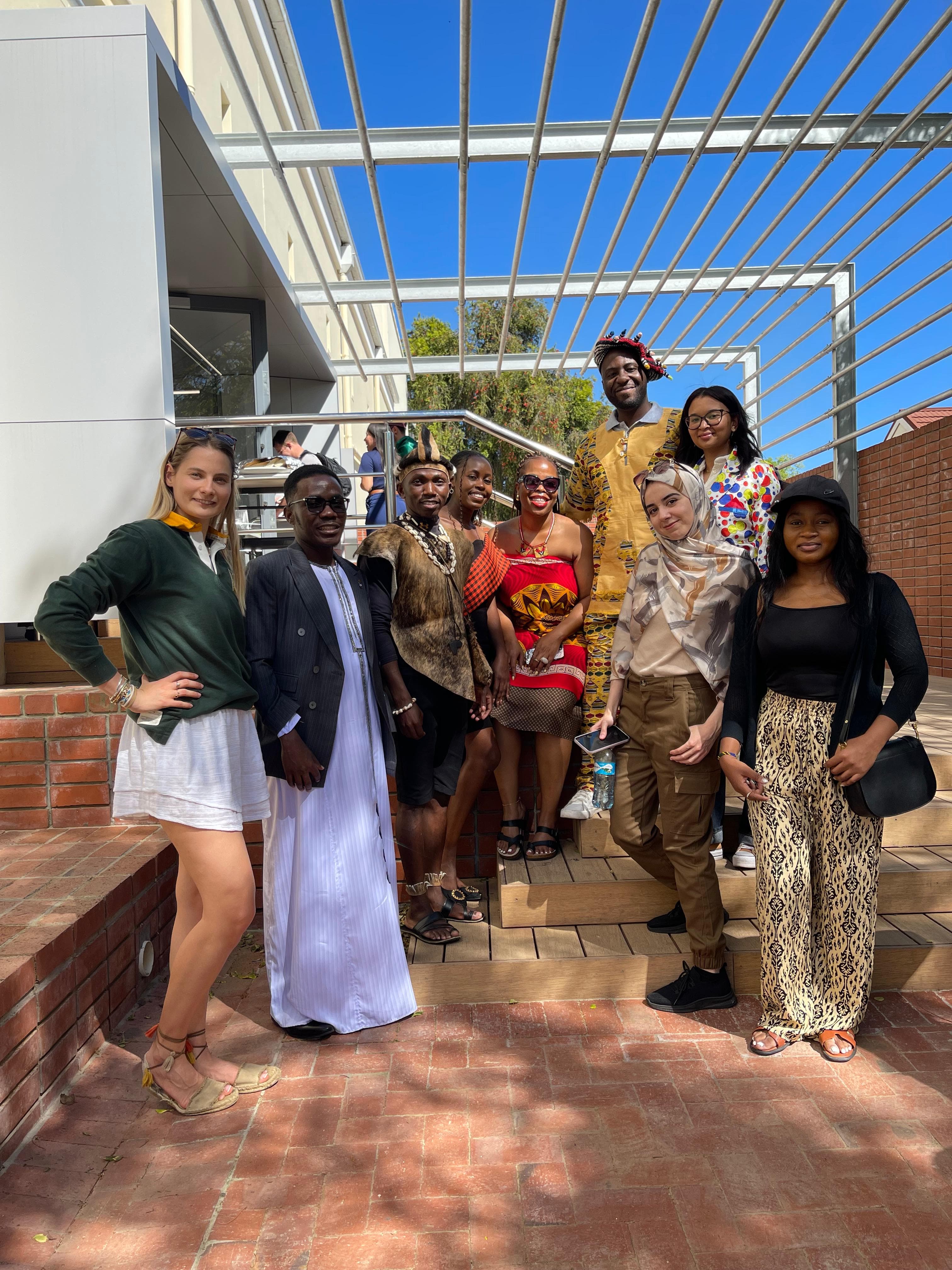
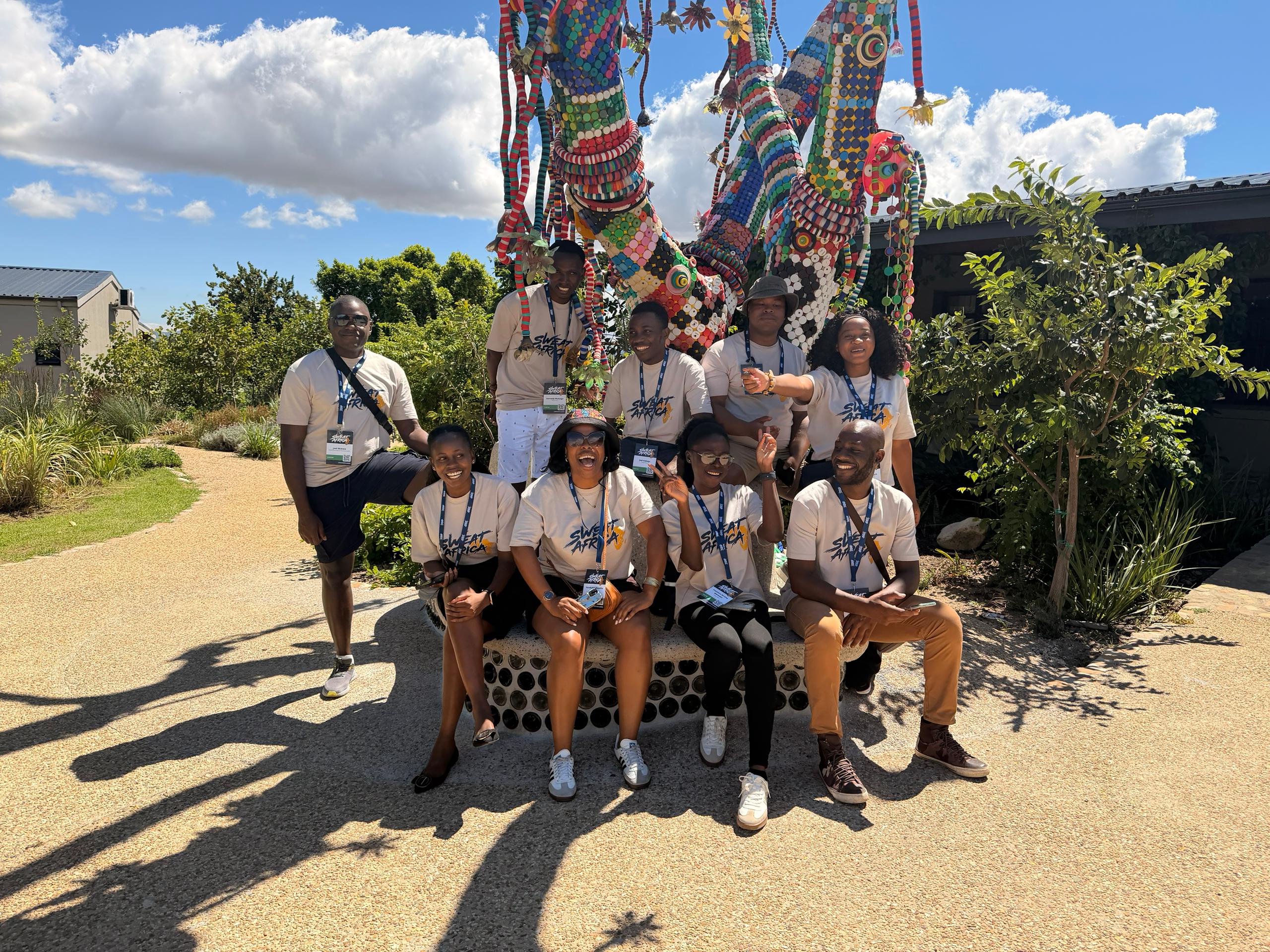
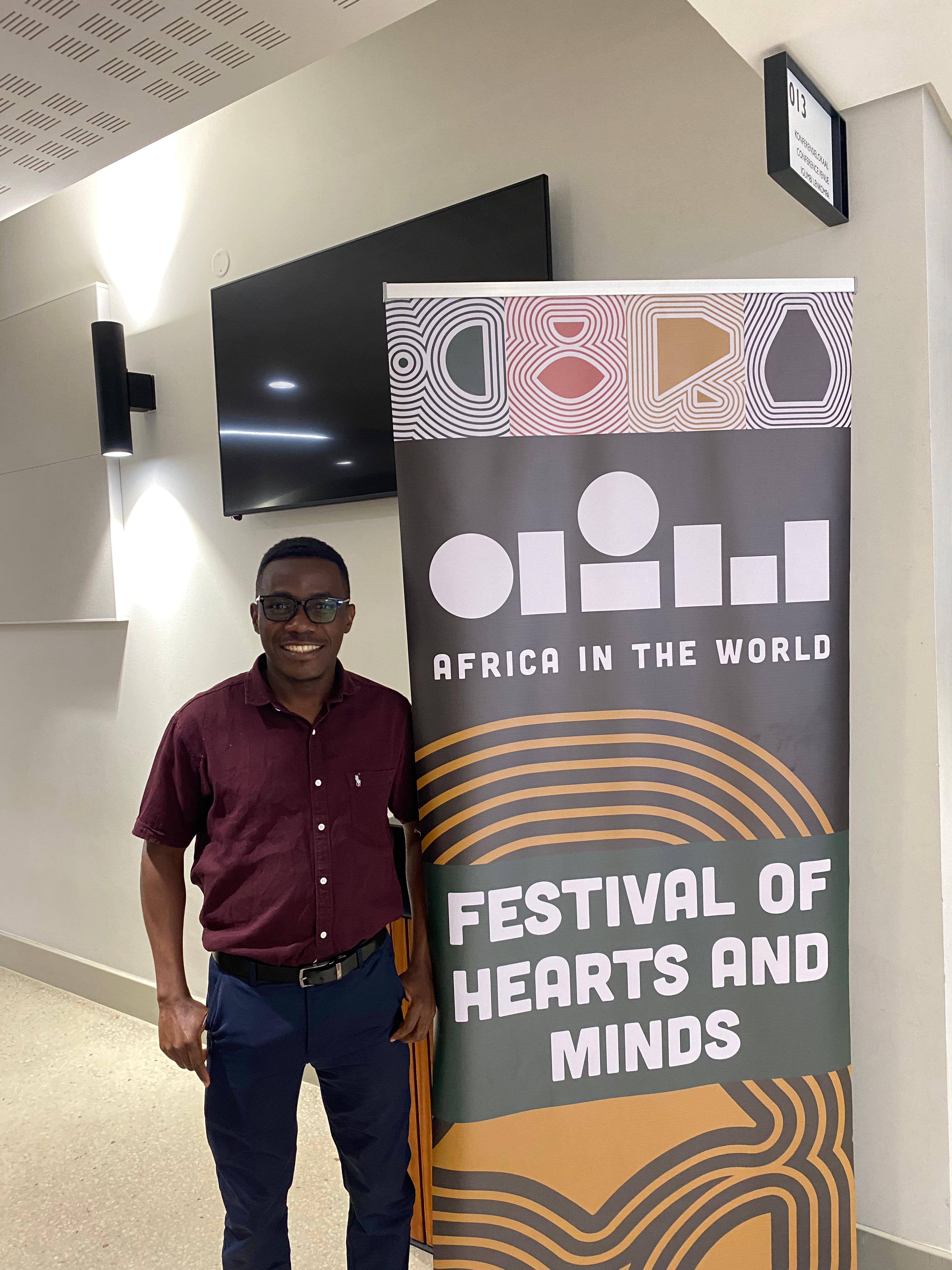
One of the most meaningful parts of my experience in South Africa has been the sense of connection shaped by multidisciplinary and multicultural collaboration. Working alongside research teams from different African countries has reinforced how much we can learn from one another when knowledge, expertise, and experiences are shared openly. Their openness creates an environment where I too feel I can contribute and share my ideas. What stood out most for me were seminars focused on scaling healthcare in Africa. They addressed the actual problems we face from Uganda to other African countries and laid out applicable solutions that have worked in one setting and can be translated to where I come from.
For me, this is what being "In Africa, for Africa" looks like in practice. It’s about empowering the African child to lead research and innovation that is translatable to African problems.
Related stories
Opinion and features
Ending hunger in Africa needs Africa-led science — and the governance to match
World Hunger Day was observed on 28 May. In an opinion piece for the Mail & Guardian, Prof Scott Drimie of the Division of Human Nutrition explained why it is...
Opinion and features
Key continental issues highlighted on Africa Day
Building Africa’s future, Ubuntu and liberal democracy, the lives of migrant African women in South Africa, and the internationalisation of African higher...

Opinion and features
International Biodiversity Day: Wild harvesting across Africa for the global cosmetics industry
International Biodiversity Day was celebrated on 22 May. In an opinion piece for the Cape Argus, Dr Francis Vorhies of the African Wildlife Economy Institute...