
African Microbiome research group
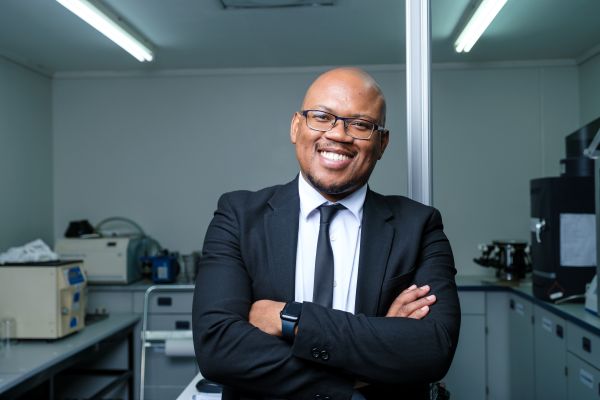
Prof. Thulani Makhalanyane
South African Research Chair (SARChi) in African Microbiome Innovation
Research overview
Recent studies have provided irrefutable evidence regarding the importance of microbial communities. For example, studies on soils have shown that microbial communities drive nutrient recycling and organic matter decomposition. In the oceans, microbial communities are known to mediate carbon sequestration and are the base of marine food webs. The microbiome has been shown to digest complex nutrients and there is some evidence that microbes may play roles in controlling food cravings and behaviour. Despite the strong evidence on the importance of the microbiome, comparatively little is known regarding African microbiomes. ARM at SU aims to use high-throughput sequencing to study geographically strategic terrestrial, marine, and freshwater microbiomes decreasing the current knowledge deficit.
Main projects
- The African Microbiome Project: A multidisciplinary initiative to sequence environmental and host-associated samples from the African continent.
- Establishing genetic, phylogenetic and functional mechanisms that shape microbiome diversity of polar and alpine soils.
- Microbiomes as sentinels of change in coastal and marine environments.
- Investigating the effects of emerging contaminants in wastewater treatment plants on African rivers.
- Characterizing environmental resistomes from diverse microbiomes.
Current research group members
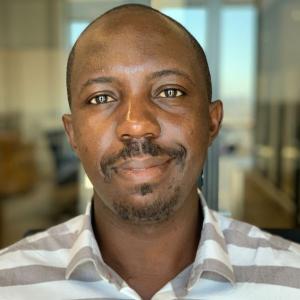
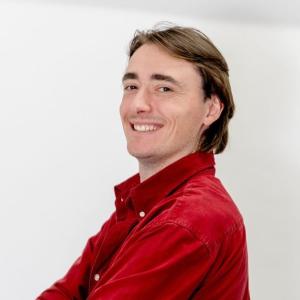
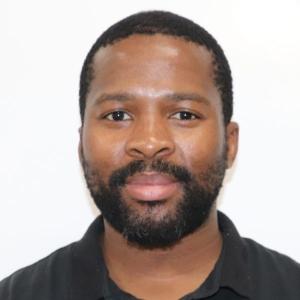
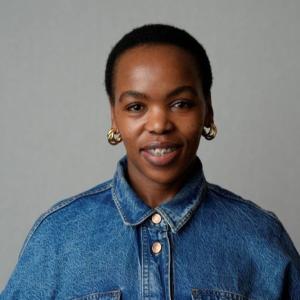
Postdoctoral fellows and associates
PhD students
MSc students
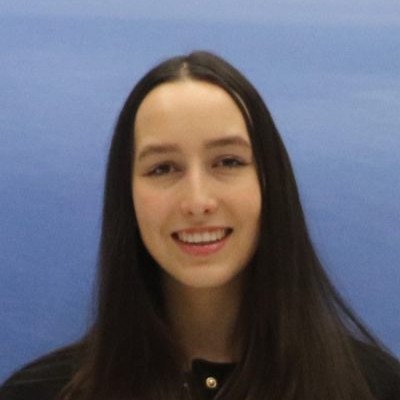
Isabella Blumeris
Isabella is a microbiologist with a background in molecular biology and biotechnology. She has a keen interest in the intersection between human health, microbial ecology and virology. Her BSc Honours in Microbiology focused on disentangling the gut microbiomes of HIV-exposed and uninfected infants in South Africa. This research contributes towards the African Microbiome Group’s efforts which aims to fill the knowledge gaps surrounding African microbiomes. Building on this foundation, her MSc research explores virus-host interactions in the Southern Ocean with a focus on giant viruses and their auxiliary metabolic genes. Isabella’s broader interests include all things astrobiology and the resilience of extremophiles in these environments.
Isabella possesses strong molecular and research skills and is actively developing her bioinformatic expertise.
Natalie Bezerra
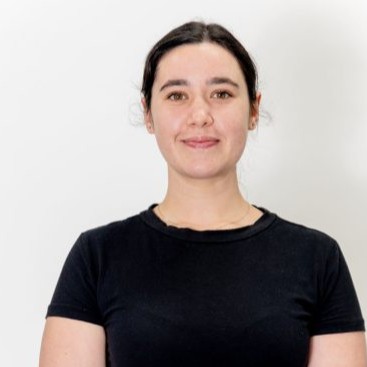
Natalie is currently pursuing an MSc focused on investigating antibiotic resistance gene expression across wastewater and freshwater systems in South Africa. Her research integrates molecular and computational approaches to assess the impact of antimicrobial resistance in the environment. She previously completed an Honours degree in Bioinformatics and Computational Biology, where her project involved a comparative analysis of computational tools for Dengue virus classification.
Louis Burger
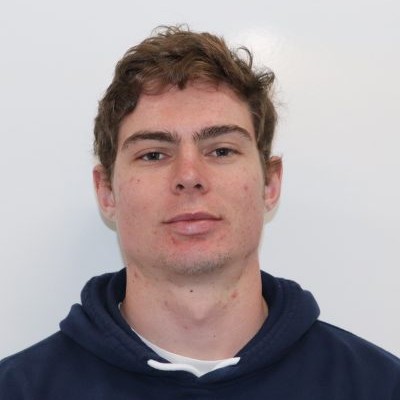
Louis is a Molecular Biologist with a background in microbiology and biochemistry, currently pursuing his MSc in Microbiology. His Honour’s research centered on the gut microbiome in long COVID patients, particularly focusing on individuals from South Africa. This study aimed to investigate the composition of the gut bacteriome and virome, thereby contributing to a deeper understanding of the African gut microbiome and its relationship to disease.
Currently, his MSc research aims to understand the relationship between diet, gut health, and skin health, with a specific focus on bacteriophages and their role in the gut-skin axis. Louis is particularly interested in Medical Microbiology, with a focus on the gut microbiome’s role in human health, and he also has an interest in bioinformatics.
Daisy Chebet
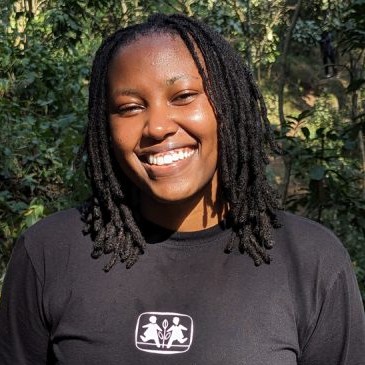
Daisy Chebet is an MSc student in Microbiology at Stellenbosch University whose research centres on wastewater-based genomic surveillance of antimicrobial resistance (AMR) across multiple African countries. Her work involves collecting wastewater from diverse sites, then applying metagenomics and bioinformatics to characterize resistome diversity, identify resistance genes and their microbial hosts, and investigate environmental drivers of AMR spread.
With a BSc in Microbiology, she has extensive experience culturing bacteria from human, animal, and environmental sources using a One Health framework, generating phenotypic AMR data to inform public health antibiotic use. This background provides a strong foundation for her current research, which aims to expand her expertise into the genetic underpinnings of AMR, contributing to relevant data that informs public health and environmental management strategies in Africa.
Alistair Christmas
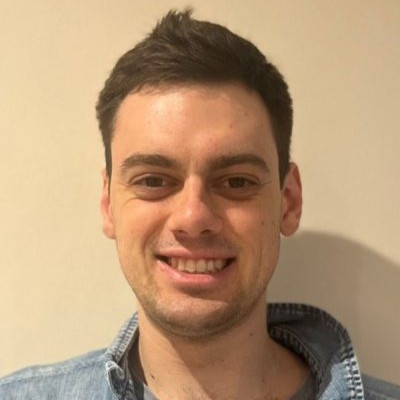
Alistair is currently pursuing a BSc Master’s in Microbiology at Stellenbosch University, having completed a BSc Honours in Microbiology and a BSc Molecular Biology and Biotechnology undergraduate degree, he has a strong foundation in Microbiology and Genetics. His research focuses on the epidemiology and mechanistic impact Giardia lamblia has on the gut microbiome of infants residing within South Africa in both formal and informal settlements.
As a researcher with a keen interest in parasitology, microbiome interactions, and public health, Alistair is passionate about understanding how gastrointestinal parasites affect human and animal health, particularly in resource-limited environments. His work integrates molecular biology and bioinformatics to explore the complex relationships between parasites, hosts, and the microbiome. He plans to conduct a mouse study to investigate the impact Giardia lamblia strains found within the South African infant population affect the gut microbiome.
Feel free to connect if you’re interested in microbiome research, parasitology, or collaborative public health initiatives!
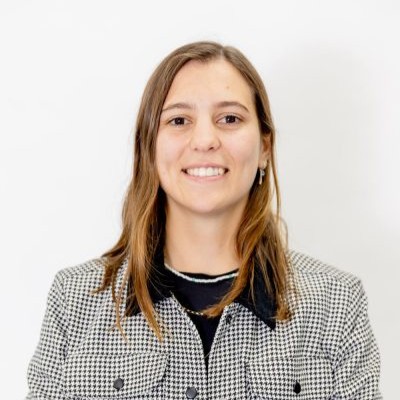
Jessie Dixon
Jessie Dixon is a Master’s student in Microbiology at Stellenbosch University, with an Honour’s in Plant Biotechnology. She is passionate about the intersection of microbial ecology, child health, and environmental change, with a particular focus on how living conditions shape the gut microbiome.
Her research is investigates how moving from informal to formal housing affects health outcomes in children under five years old in South Africa. Jessie’s work specifically aims to develop a predictive model for Environmental Enteric Dysfunction (EED) and stunting risk, using a combination of gut microbiome composition and function, faecal inflammatory biomarkers, and socioeconomic and environmental data. Jessie seeks to understand how microbial composition and function are associated with stunting and gut inflammation in early life.
Her goal is to identify microbial signatures that could serve as early, non-invasive indicators of stunting and EED which could inform targeted interventions and public health strategies tailored to low-resource, high-risk communities.
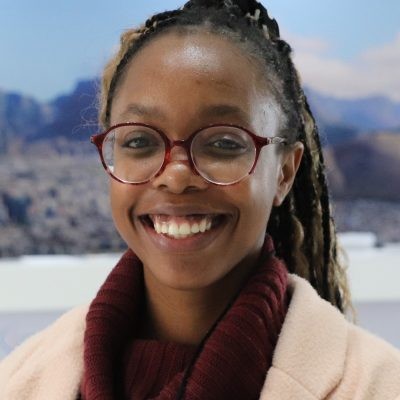
Nobuhle Kaylee Kambunga
Nobuhle is currently a master’s student in microbiology with a strong academic background in both genetics and microbiology. She holds a BSc degree in genetics and microbiology and completed her BSc Honours in microbiology, where she developed an interest in molecular biology and bioinformatics. Her current research examines the relationships between microbial communities and altered metabolic pathways that contribute to stunting in informal settlements.
Nobuhle is passionate about using integrative approaches, such as molecular techniques and bioinformatics, to understand complex biological data. She is driven by a belief in the power of science to inform public health, shape policy, and improve the lives of people. With a commitment to interdisciplinary science and translational research, Nobuhle hopes to contribute to a better understanding of how microbial and environmental factors intersect with human development and well-being.
BScHons students
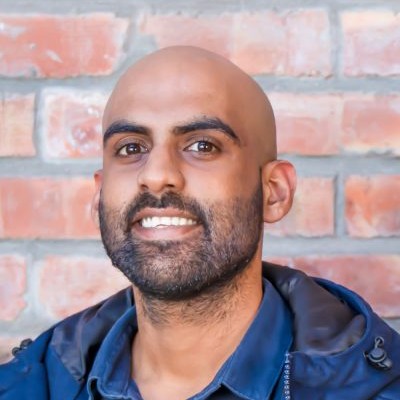
Sahil Dowra
Sahil has a BSc in Molecular Biology and Biotechnology; as well as experience as an agricultural transformation consultant, laboratory sales and data administrator, and as a laboratory technician and high school biology teacher. He is currently completing his BSc Honours in Microbiology, within the African Microbiome group.
His project utilises shotgun metagenomics to analyse the gut microbiome of southern right and humpback whales, with a focus on the potential effect of the whales’ microbiomes on the nutritional composition of their faeces. His research contributes to the limited understanding of humpback and southern right whales’ gut microbiomes, as well as expands on the role of whale faeces in marine biogeochemical cycling.
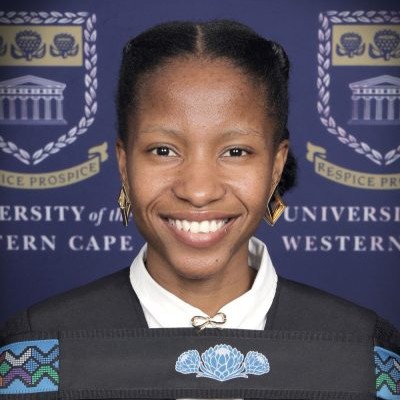
Rapelang Mookisi
Rapelang is a BSc Biotechnology graduate currently pursuing an Honours degree in Microbiology at Stellenbosch University.
Her research focuses on detecting and identifying Entamoeba histolytica and related species in children under five living in informal settlements in the Western Cape, South Africa. Through the use of diagnostic methods such as PCR and microscopy, the project aims to accurately determine parasite prevalence and overcome the challenge of misidentifying non-pathogenic species that are morphologically similar.
The study highlights the role of poor sanitation in transmission and contributes to a better understanding of the health risks posed by intestinal parasites in vulnerable child populations.
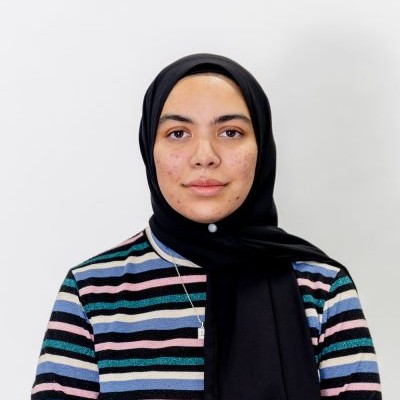
Laa'iqah Moolla
Laa’iqah is currently pursuing her honours in Microbiology at Stellenbosch University, and doing her research project within the African Microbiome Group. She holds a BSc in Molecular biology and biotechnology, with a particular focus on genetics and microbiology.
Her research focuses on the molecular characterisation and zoonotic potential of Cryptosporidium spp. in children living in informal settlements of the Western Cape. Using PCR, qPCR, and 18S rRNA sequencing, her project aims to uncover species diversity, transmission patterns, and public health risks associated with cryptosporidiosis.
This work addresses critical gaps in disease surveillance and contributes to One Health research in vulnerable, under-resourced communities.
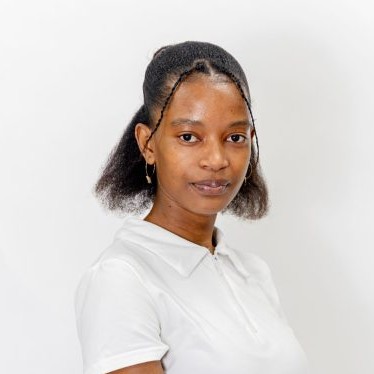
Nephiphidi Vhulenda
Vhulenda is currently an Honours student in Microbiology, with a background in Biochemistry and Microbiology. Her research focuses on assessing the impact of wastewater inputs on South African freshwater microbiomes, particularly looking at nitrogen and phosphorus cycling microbes.
Her study applies 16S rRNA amplicon sequencing to analyse changes in microbial community composition along the freshwater systems, influenced by effluents from multiple WWTPs.
Chief Happiness Officer
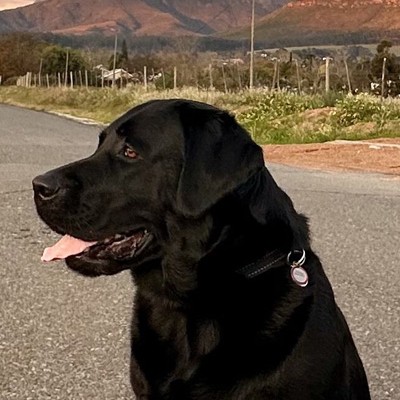
Thandiwe
Thandiwe the Dog is a cherished and integral member of the African Microbiome Research Group in the Department of Microbiology and The School for Data Science and Computational Thinking at Stellenbosch University. While her academic credentials may not include formal publications (yet), her contributions to the lab’s morale and productivity are unparalleled. Thandiwe specializes in fostering a positive and collaborative environment, ensuring that the Principal Investigator, Prof. Thulani Makhalanyane, remains motivated and inspired.
Her research interests, though unconventional, include the microbial diversity of soil samples collected during her daily walks, as well as the impact of canine companionship on human stress levels in high-pressure academic settings. Thandiwe’s work is highly collaborative, and she is often found providing emotional support during long lab hours, offering a paw to hold during manuscript revisions, and ensuring that no snack goes uneaten.
Thandiwe holds a prestigious role as the Lab’s Chief Happiness Officer, a position she has excelled in since her adoption in 2020. Her social responsibilities include greeting all lab members with enthusiasm, mediating disputes over lab equipment, and ensuring that the PI’s coffee breaks are accompanied by a wagging tail. She is also known for her outreach efforts, particularly in welcoming new students and visitors to the lab, making them feel at ease with her friendly demeanor.
Thandiwe’s work is a testament to the importance of interdisciplinary collaboration and the profound impact of non-human members in scientific research. Her dedication to keeping the PI happy and the lab running smoothly makes her an irreplaceable asset to the team.