
Muscle research group
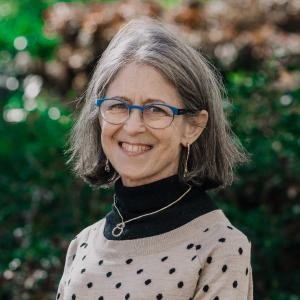
Prof Kathy Myburgh
South African Research Chair in Integrative Skeletal, Muscle Physiology, Biology and Biotechnology
About us
Our research on the cellular and molecular aspects of muscle regeneration after injury is focused on human muscle satellite cells, small laboratory animal models and cell culture, including primary muscle-specific stem cells. We study mechanisms of influencing satellite cells, including the small extracellular vesicles and microRNA.
Research focus areas
- Acute and long-term adaptations in humans to delayed onset of muscle soreness, with or without training interventions.
- The immune system and connective tissue during the resolution of muscle injury, with the current focus on neutrophils and fibroblasts in an attempt to understand both their positive and negative influences.
- We probe extracellular vesicles dynamics in response to muscle damaging exercise in human volunteers, rats and in cell culture.
- Primary human myoblasts isolated from muscle biopsies are probed for activation and fusion, with a current interest in the pre-fusion protein, Kirrel.
- Cell culture models include co-culture of myoblasts and fibroblasts or neutrophils.
Our mission
- Develop an international standard research platform, including up to date equipment and techniques.
- Deliver research that is internationally competitive and relevant; locally relevant and of potential benefit to athletes or persons suffering from muscle diseases.
Opportunities
For more information about available postdoctoral positions or postgraduate studies please contact Prof Myburgh at [email protected].
Current senior group members
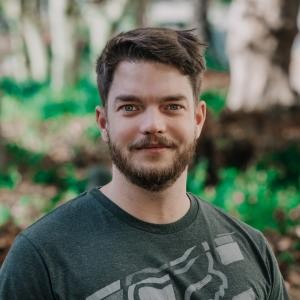
Dr Rhys McColl
Postdoctoral fellow
Extra-cellular vesicles characterisation; Skeletal muscle pre-fusion protein; and Kirrel: in vitro experiments using different genetic engineering models.
Connect on LinkedIn and ResearchGate
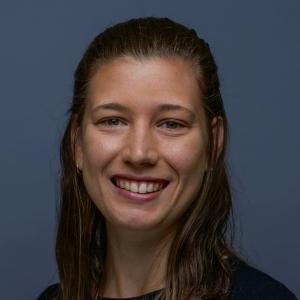
Lisha van Onselen
PhD candidate
My research involves elite runners who will participate in multiple days of high intensity treadmill exercise, with a focus on neutrophil activation, subsequent culture and extracellular vesicle release.
Connect on LinkedIn
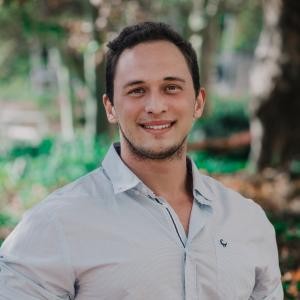
Michael Cowley
PhD candidate
Michael's project involves different grades of unilateral eccentric exercise inducing delayed onset muscle soreness. Satellite cell activation status forms the focus of the biopsy analysis
Connect on LinkedIn
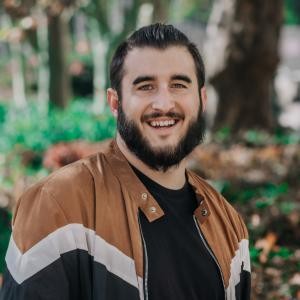
John Hingle
PhD candidate
John's project involves determining the effect of small EVs released from paced C2C12 myotubes on myogenesis and repair in vitro.
Connect on LinkedIn
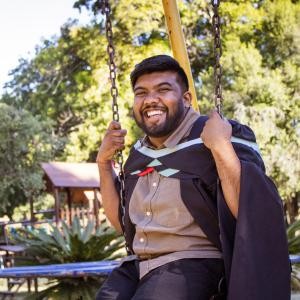
Keenen Gilbert
Phd candidate
Keenen's research focuses on characterising primary human myoblasts taken from biopsy samples to explain the key components and mechanisms involved in satellite cell biology to better evaluate the effects of potential experimental and therapeutic strategies.
Connect on LinkedIn
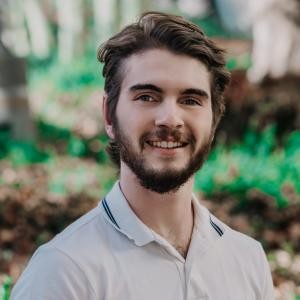
Kyle Hagemann
PhD candidate
Kyle is investigating the preferential uptake of EV's in myoblasts, specifically comparing the uptake of EV's derived from myoblasts versus EV's derived from fibroblasts
Connect on LinkedIn
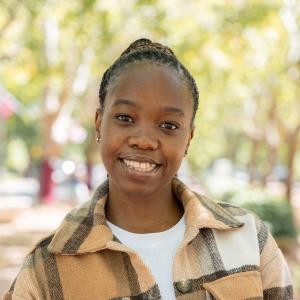
Nonhle Dlamini
Research area
Nonhle is studying the uptake of miRNA-cargo-loaded small EVs by skeletal muscle myoblasts, the delivery of miRNA, and its effect on myoblasts' proliferation, differentiation, and migration.
John Hingle
PhD candidate
John's project involves determining the effect of small EVs released from paced C2C12 myotubes on myogenesis and repair in vitro.
Connect on LinkedIn
National and international collaborators
INTERNATIONAL:
- 2022-2024: University of Nebraska, Lincoln: Ass Prof I Vechetti
- 2021-2024: University of Palermo, Italy Ass Prof F Macaluso, Dr F Scalia
- 2025: McMaster University, Canada: Ms Mai Wageh
NATIONAL:
- Long term ongoing: University of KwaZulu-Natal: Prof Carola Niesler
- Long term ongoing: Afrobodies: Dr Peter Durcan
Previous group members
Post-doctoral fellows
- Dr P Durcan – Chief Scientific Officer, Afrobodies
- Dr F Macaluso – Associate Professor, Univ Palermo
- Dr N Woudberg - Head of Scientific Strategies, Synexa Life Sciences
- Dr J Bezuidenhout – Medical Scientist (Cellular Assays & Quality), TASK Applied Sciences
PhD graduates
- Prof T Kohn – Full Professor, Univ Western Cape
- Prof C Smith – Full Professor, Univ Stellenbosch
- Dr M van de Vyver – Senior Researcher, Internal Medicine, SU Tygerberg
- Dr A Isaacs – Senior Technical Officer, Anatomy, UCT
- Dr P Steyn – Chief Technical Officer, Human Biology, UCT
- Dr K Gudagudi – Academic Head, Jain (Deemed-to-be University), India
- Dr T Ollewagen – Postdoc, SU Tygerberg
MSc graduates
- JD Conradie – Research Engineer, LifeQ, Inc
- C Sugden – Data Science Manager, LifeQ, Inc
- E Knight – Scientist, Neural Sense (PTY) Ltd (Neuromarketing)
- M Rawlins – Laboratory/Research Assistant, SU
MPhil (Exercise science) graduate
- M Flinn – Managing Director, Cape Epic (Pty) Ltd
Recent events
Extracellular vesicles: Seminars and workshop in the context of regenerative medicine
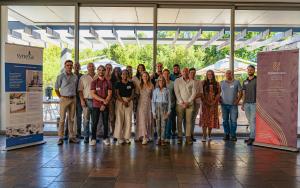
SU convenes second workshop on emerging field of extracellular vesicle research
The emerging field of extracellular vesicle (EV) research in biology, physiology and biotechnology was again the focus of attention when South African researchers recently reconvened at Stellenbosch University (SU) for the second time since 2018 to discuss methodological challenges and the way forward.
Hosted by Prof. Kathy Myburgh, holder of the South African Research Chair in Integrative Skeletal Muscle Physiology, Biology and Biotechnology, and the biotechnology company Synexa Life Sciences, the two-day workshop took place at STIAS from 22 to 23 February 2023. It included presentations from researchers and postgraduate students at SU, the University of KwaZulu-Natal (UKZN), the University of Cape Town, Synexa Life Sciences and McMaster University in Canada.
Dubbed the cell's “secret messengers", extracellular vesicles are nanoparticles produced in their millions by all cells in the body. But while scientists initially thought that these cells were only collecting and releasing waste using this mechanism, it has now become clear that they also carry proteins and valuable genetic material important for intercellular communication. Depending on an individual's physiological condition, however, the genetic or protein cargo can either be healthy or indicative of disease.