
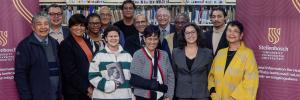
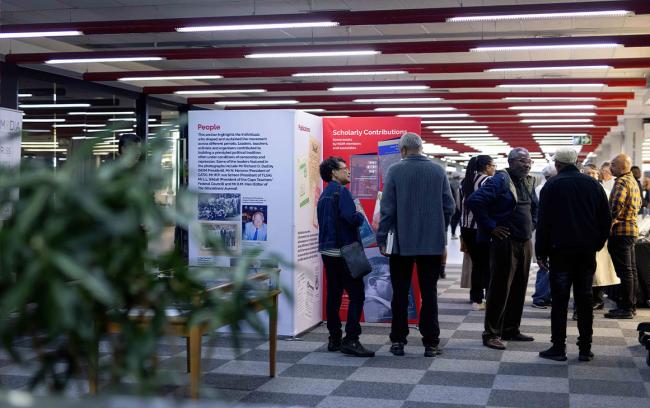
From left at the launch of the Unity Movement Collection at the Stellenbosch University Library on 22 May 2026 are Basil Brown, Leslie van Rooi, Ellen Tise, Pakama Ncume, Shaun Viljoen, Allan Zinn, Mickey Titus, Felicity Titus, Nico Koopman, Lungisile Ntsebeza, Mimi Seyffert-Wirth, Lincoln Jacobs and Denise Zinn.
New archive at SU sheds light on overlooked liberation history
- Stellenbosch University launched the Unity Movement Collection, preserving a significant liberation movement archive.
- The collection brings together more than 80 years of political and intellectual history.
- The archive supports efforts to diversify SU Library’s historical and archival holdings.
A major archive documenting one of South Africa’s most influential – yet often overlooked – liberation traditions has found a home at Stellenbosch University (SU), in a move speakers described as both historically significant and symbolically charged.
Launched at the SU Library on 22 May, the Unity Movement Collection brings together decades of material linked to the Non-European Unity Movement (NEUM) and its successor, the New Unity Movement (NUM).
It includes material from related organisations, such as the Anti-CAD (Coloured Affairs Department) Movement, the Teachers’ League of South Africa (TLSA), All-African Convention (AAC) and the African Peoples’ Democratic Union of Southern Africa (APDUSA).
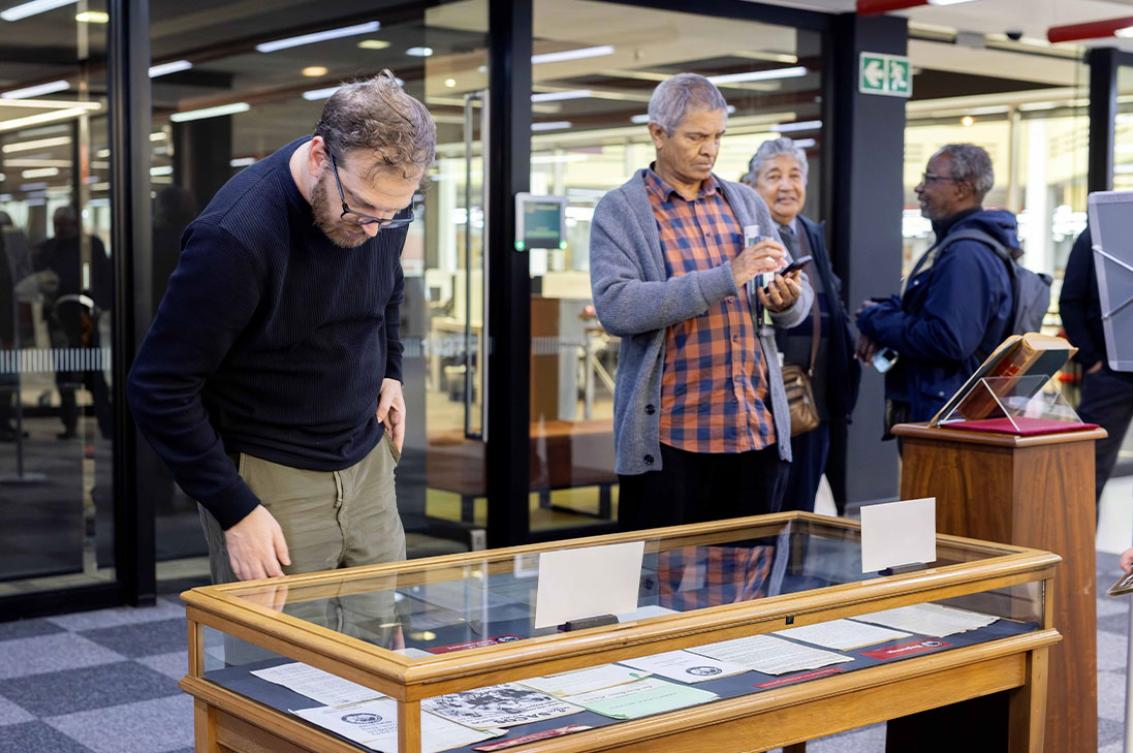
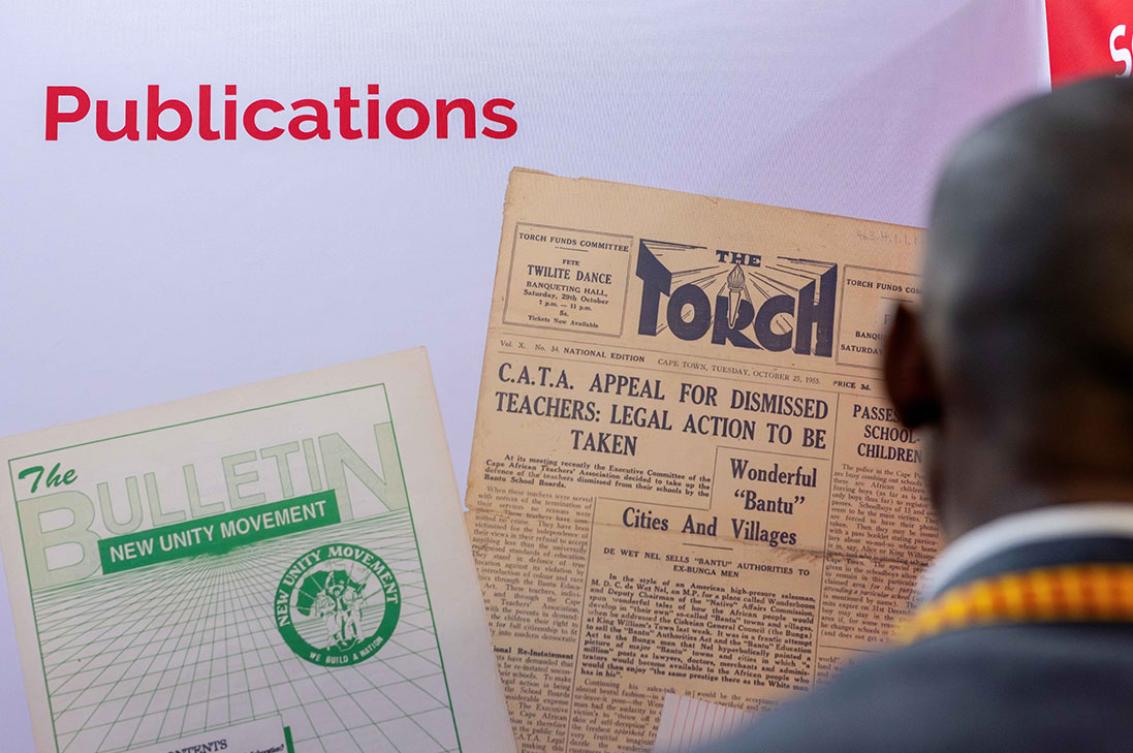
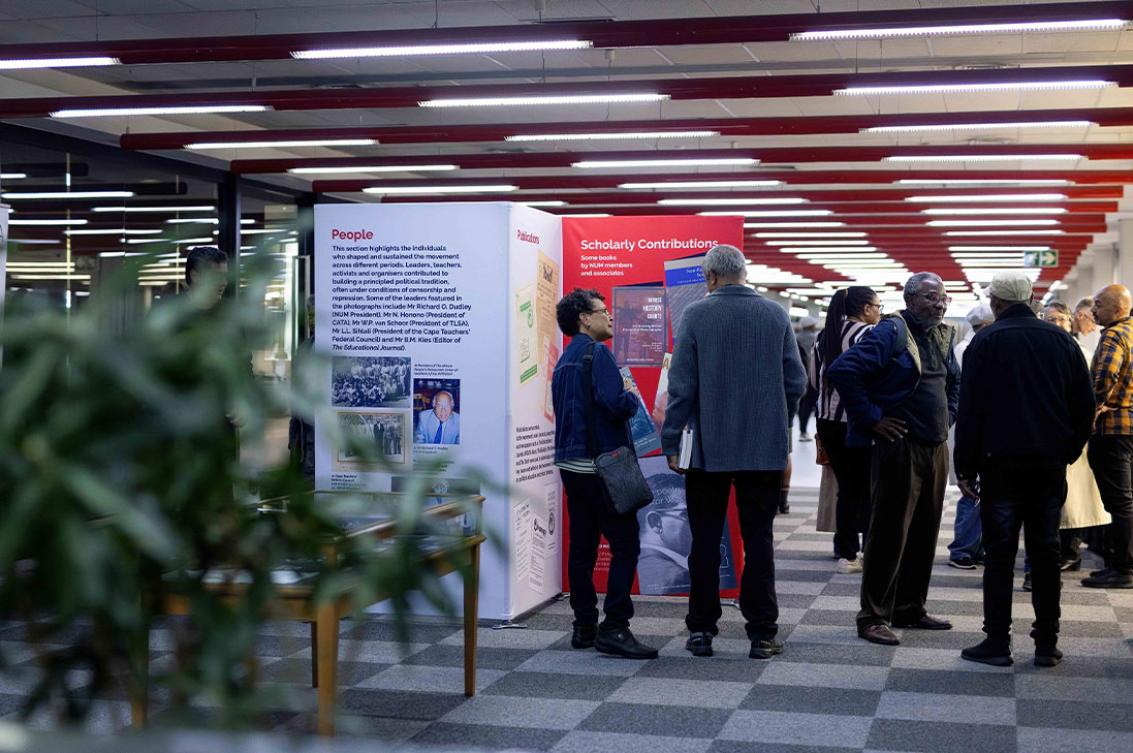
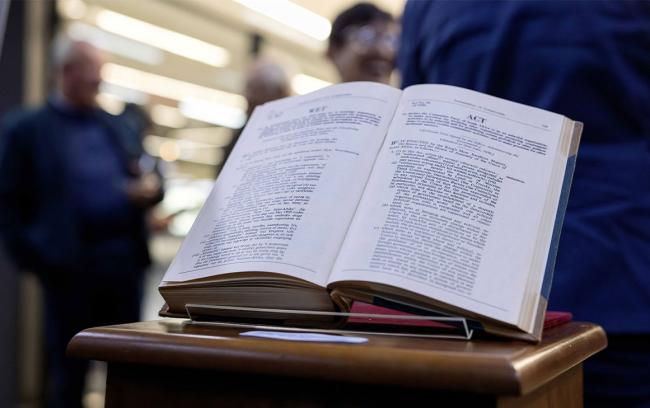
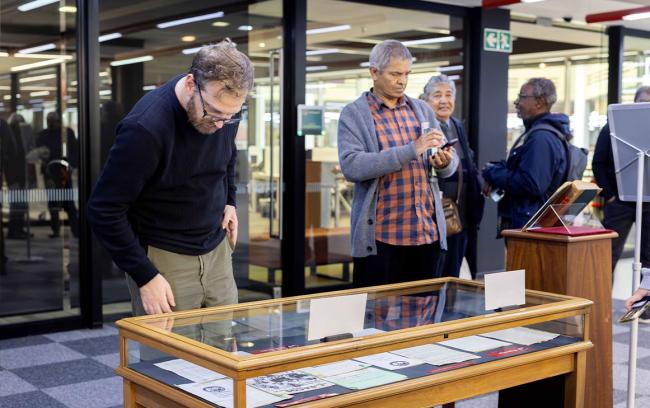
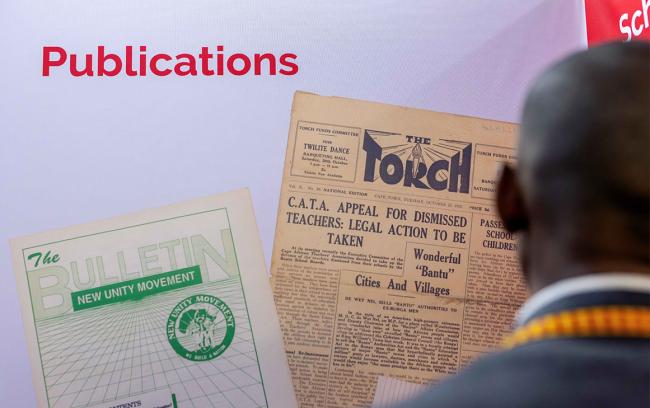
The collection incorporates rare documents, correspondence, constitutions, minutes, policy documents, conference proceedings, newsletters, photographs and journals spanning more than 80 years of political and intellectual history.
‘A gift to SU’
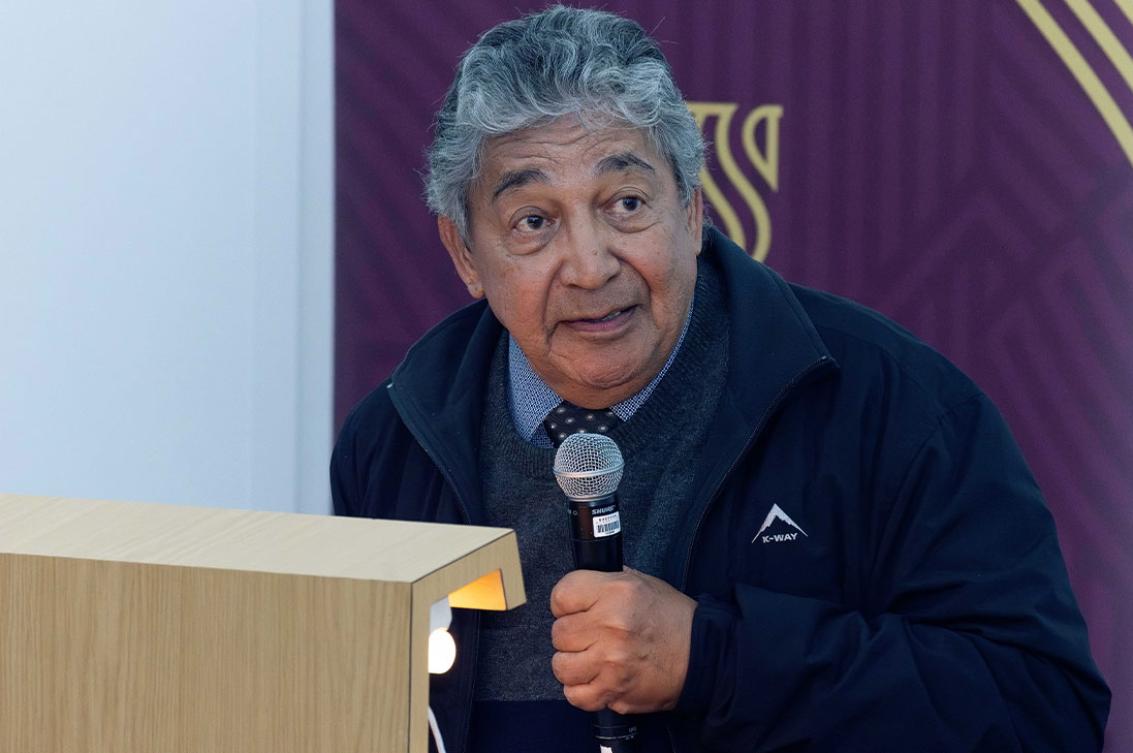
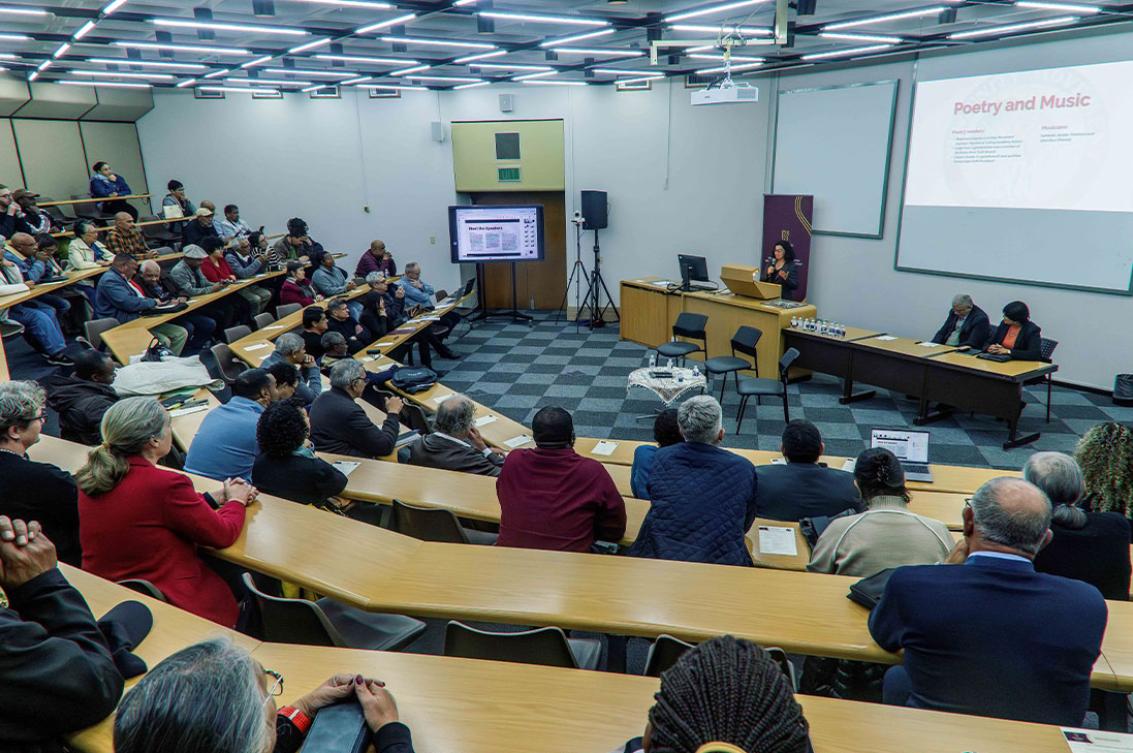
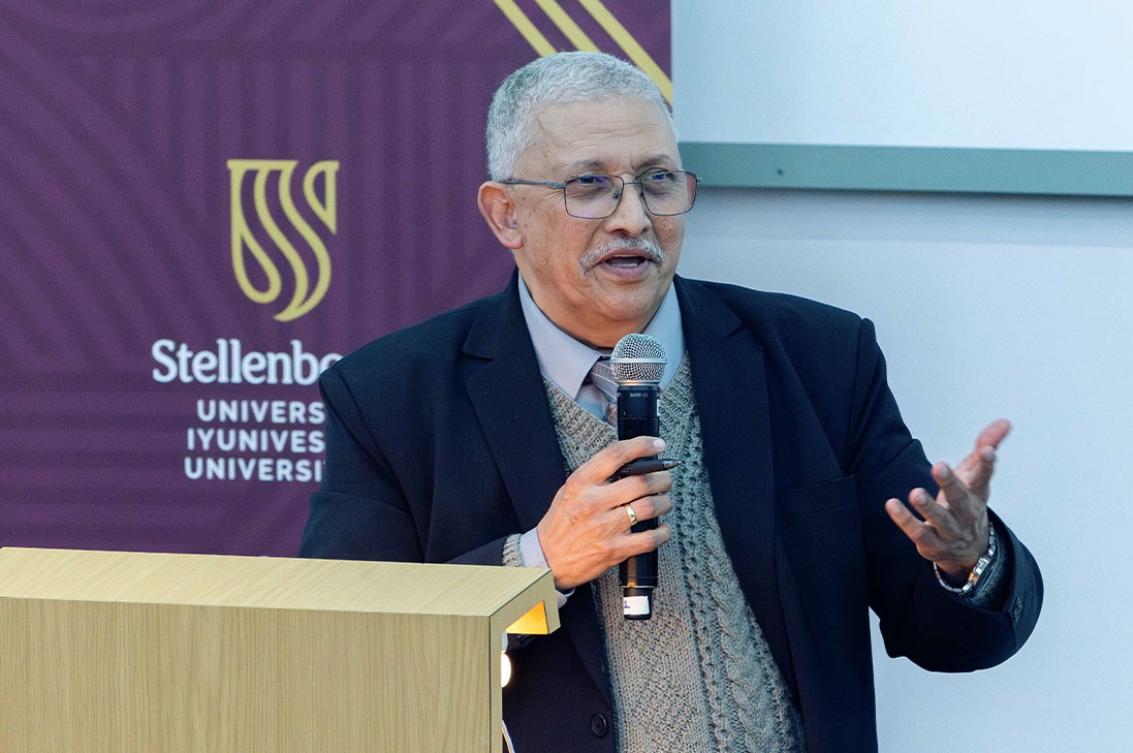
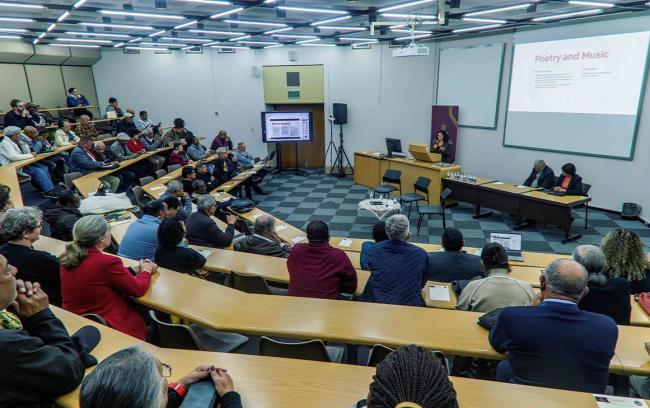
Welcoming guests to the Library Auditorium, SU Deputy Vice-Chancellor for Social Impact, Transformation and Personnel Prof Nico Koopman described the collection as “a gift” to the University.
He acknowledged the institution’s historical role in apartheid ideology while arguing that the University was in the process of remaking itself. “This University was perhaps the most prominent intellectual home of apartheid. But we are on a journey to really become one of the intellectual homes of a democratic South Africa,” he said.
He added the archive would contribute to SU’s aspiration to help build “a society where there is dignity, justice, healing, freedom and equality.”
That vision later found an echo in a remark by NUM President Dr Basil Brown that the movement’s slogan, “We build a nation”, reflected its commitment to social solidarity.
Special Collections expanded
The launch formed part of a broader effort by the SU Library and Information Service to diversify its archival holdings.
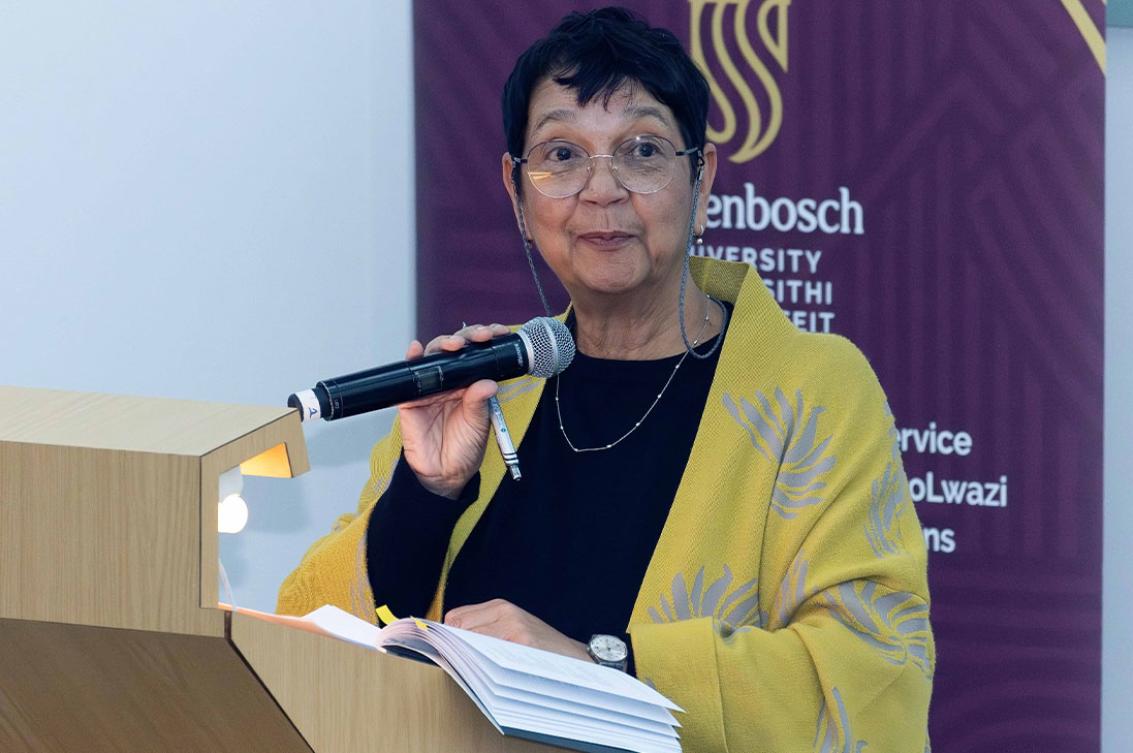
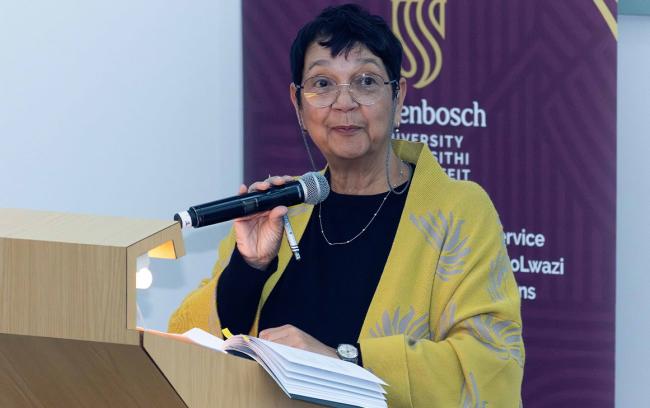
Senior Director Ellen Tise said the Unity Movement had been “an intellectually rigorous and non-racial opposition movement” whose influence had often been underestimated. “Although it perhaps received less public attention than some other liberation movements, its ideas profoundly influenced generations of activists, teachers and political thinkers,” she added.
Donated to SU in 2023 and catalogued over the past two years, the collection now joins other major political manuscript collections housed within the library’s Special Collections section.
Director of Scholarly Communication and Marketing Mimi Seyffert-Wirth noted that the Unity Movement Collection will be housed alongside the Frederik van Zyl Slabbert Collection, Institute for Democratic Alternatives in South Africa (IDASA) Collection, and the South African Debt Crisis (1985–1986) Collection.
Unity Movement timeline
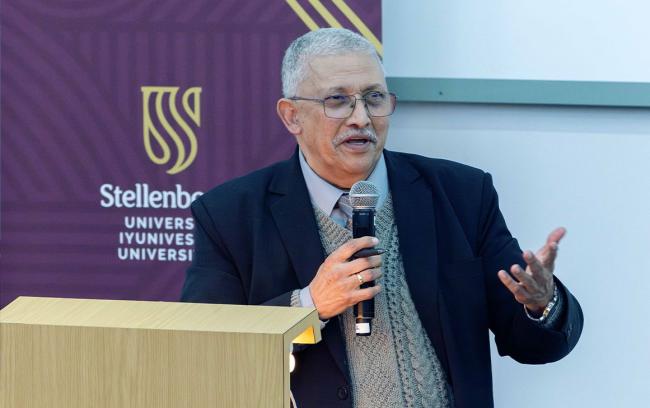
In his keynote address, Brown outlined the history of the Unity Movement:
- 1943: Non-European Unity Movement (NEUM) formed in Bloemfontein following a “Call to Unity” by the All African Convention (AAC).
- 1958: Major split emerges within the NEUM, producing rival factions.
- 1960–1962: NEUM leaders and affiliates banned under apartheid repression; parts of the movement go underground or into exile.
- 1960s–1980s: Unity Movement ideas survive through teacher organisations, study groups, civic bodies and non-racial sport structures such as the South African Council on Sport (SACOS).
- 1985: Rival factions “bury the hatchet” and launch the New Unity Movement (NUM) as successor to the Unity Movement tradition.
- 1994–present: Democratic elections lead many to believe liberation has been achieved, but the NUM continues operating as an extra-parliamentary movement, arguing that political freedom without socio-economic justice is incomplete.
Brown described non-racialism as the “most important” of the Unity Movement’s principles: “It means recognising that there is only one race – the human race.”
Felicity Titus, a retired teacher and former teacher educator, said NUM continued to sustain “the belief that a different kind of society is possible” despite ongoing inequality and social fragmentation.
Memory and erasure
Prof Crain Soudien, sociologist and former Deputy Vice-Chancellor at UCT, argued that dominant liberation narratives had marginalised the Unity Movement’s role in South African history.
“During the 1940s and well into the 1950s, the Unity Movement was as significant in thinking about the future of South Africa and the struggle as the ANC (African National Congress),” he said.
But today, “you go and read these dominant narratives, and there’s a complete silence – there’s almost erasure,” he added.
‘Contested spaces’
The archive project emerged from a determination to preserve the movement’s own historical record.
“We became increasingly concerned that the history of the Unity Movement was either poorly documented or distorted,” Brown said.
Unity Movement archives are also housed at other South African universities, including the University of Cape Town (UCT), the University of the Witwatersrand, the University of Fort Hare, Nelson Mandela University and the University of the Western Cape.
NUM Secretary Mickey Titus described archives as “contested spaces”.
‘Things change’
“We did not initially approach Stellenbosch at the time, given the historical associations of this university,” Brown explained, “but things change.”
The theme of change ran throughout the evening.
Prof Lungisile Ntsebeza, Emeritus Professor of Sociology and African Studies at UCT, reflected on his own relationship with SU.
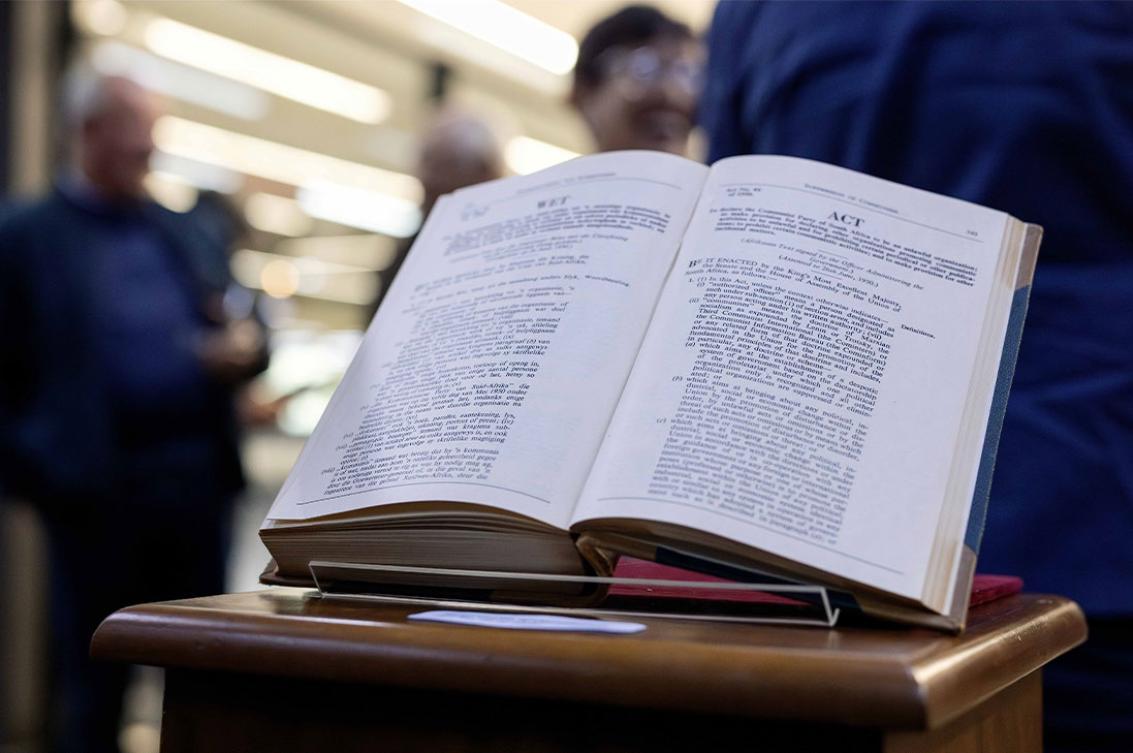
Arrested as a young man in the Eastern Cape for reading Marxist texts and jailed for four years under the Suppression of Communism Act, he was drawn to SU after his release because its Department of Political Philosophy was one of the few places where such intellectual work was possible at the time.
“Don’t forget that,” he said in response to Koopman’s remark about SU’s erstwhile links to apartheid. “You also had people like Johan Degenaar and André du Toit and later Andrew Nash.”
‘Kwaai move’
Behind the scenes, much of the Unity Movement archival coordination work was led by Allan Zinn, who explained that the project had evolved over roughly five years. He said the decision to place the archive at SU followed practical discussions about preservation capacity, accessibility and archival risk.
“Ellen Tise got it,” Zinn said. “She understood the importance of the national project in terms of the archives and the capacity that Stellenbosch University has.”
Veteran Unity Movement member Marcus Solomon, who was imprisoned on Robben Island alongside Neville Alexander, joked that his first reaction to hearing the archive would be housed at SU was disbelief.
“The Unity Movement coming to Stellenbosch? Yoh! But I think it’s a kwaai move,” he said.
Zinn said SU understood universities as “public assets” that should “serve all the people”.
According to Brown, the Stellenbosch deposit is now “the largest deposit we have made thus far”, with hopes that it will continue to grow as more material is uncovered and added.
Stash in the ceiling
He said the archival project had revealed that much valuable material may have been lost over the decades. Luckily, there were also some unexpected discoveries.
Gesturing towards Prof Shaun Viljoen, who moderated the evening’s panel discussion, Brown recalled how the retired SU English academic had discovered what turned out to be “a veritable treasure trove” of Unity Movement documents hidden in the ceiling of his late parents’ house.
Viljoen is the grandson of RE Viljoen, who served as treasurer of the NEUM and vice-president of the Anti-CAD movement. The documents had been hidden from the security police decades ago and have since helped provide greater clarity on aspects of the movement’s history.
“The lesson from all of this,” Brown said, “is that organisations must make a concerted effort to preserve their records and archival material.”
“We are therefore grateful to Stellenbosch University for making this possible, and it is our hope that these documents will eventually be digitised, making them accessible to a new generation of scholars and political activists.”
For future generations
Soudien said younger scholars discovering the Unity Movement were often surprised by how little they had previously encountered it.
“They would ask, ‘Why don’t I know about this?’ – there’s a lot of work that needs to be done.”
SU Special Collections Librarian Pakama Ncume, who has worked extensively on the collection over the past two years, said: “History is often marked by gaps and silences. This collection stands as an important record of courage, commitment, and political vision for future generations.”
The evening also included readings of poems by the late Victor Wessels, one of the Unity Movement’s leading literary voices. Leigh Ross read Tyrants fear the whispered word, from the anthology, Testimony. The poem’s closing lines are:
Let them tremble
Let them fear
For while as yet we stutter
We’ll soon learn how to speak!
Click here for a video recording of the launch.
* Desmond Thompson is a freelance journalist.
Related stories

Events
Prof Mesias Alfeus’s vision brings global finance congress to Africa
The announcement that Stellenbosch University (SU) will host the 14th World Congress of the Bachelier Finance Society (BFS) in 2028 – the first time the...

Arts, languages and social sciences
Building community through multilingualism at SU Teaching-Learning-Assessment Day
Multilingualism should be seen not merely as a policy requirement, but as a powerful tool for learning, participation and belonging in higher education.
This was...

Media release
Seven days of gambling could wipe out a year of national student funding
At the current rate at which South Africans gamble, it would take just seven days to spend the equivalent of the country’s entire national student funding...